Essaouira.
A laid-back Atlantic city of whitewashed streets, ocean air, historic ramparts, fishing boats and timeless Moroccan charm.
Morocco by the sea.
Essaouira is where Morocco slows down and the Atlantic takes over.
With its whitewashed buildings, blue doors, historic ramparts and oceanfront atmosphere, Essaouira offers a completely different experience from Morocco's inland cities. The sea shapes everything here — from the salty breeze that gusts through the medina streets to the rhythm of fishermen hauling their blue boats ashore at sunset.
Founded in the 18th century as the port of Mogador and laid out by a French architect schooled in European military design, the old city grew into a multicultural trading hub. Today the Medina of Essaouira is a UNESCO World Heritage Site, celebrated as an exceptional example of a late-18th-century fortified town.
Wander through the medina, watch fishing boats return to the harbor, climb the bastions of the Skala and enjoy the sound of waves along the Atlantic coast. The Gnaoua World Music Festival, held each June, fills the squares with hypnotic rhythms.
Whether you come for history, food, beaches, wind sports, photography or simply a slower pace, Essaouira rewards those who linger.
Essaouira at a glance
Best Time to Visit
Spring (March–May) and autumn (September–November) offer the most comfortable weather for exploring the medina and walking the coast. Summers are busy and breezy, while winter stays mild though windier.
How to Get There
Essaouira is connected by road with Marrakech and other Moroccan cities. A scenic 2.5-hour drive crosses the argan plateau, and direct buses run daily from Marrakech's main stations.
How Long to Stay
Two to three days gives you enough time to explore the medina, harbor, ramparts, beach and surrounding coastline. A day trip from Marrakech is possible but leaves little time for the coastal wind and sunset rhythm that define the city.
What to Expect
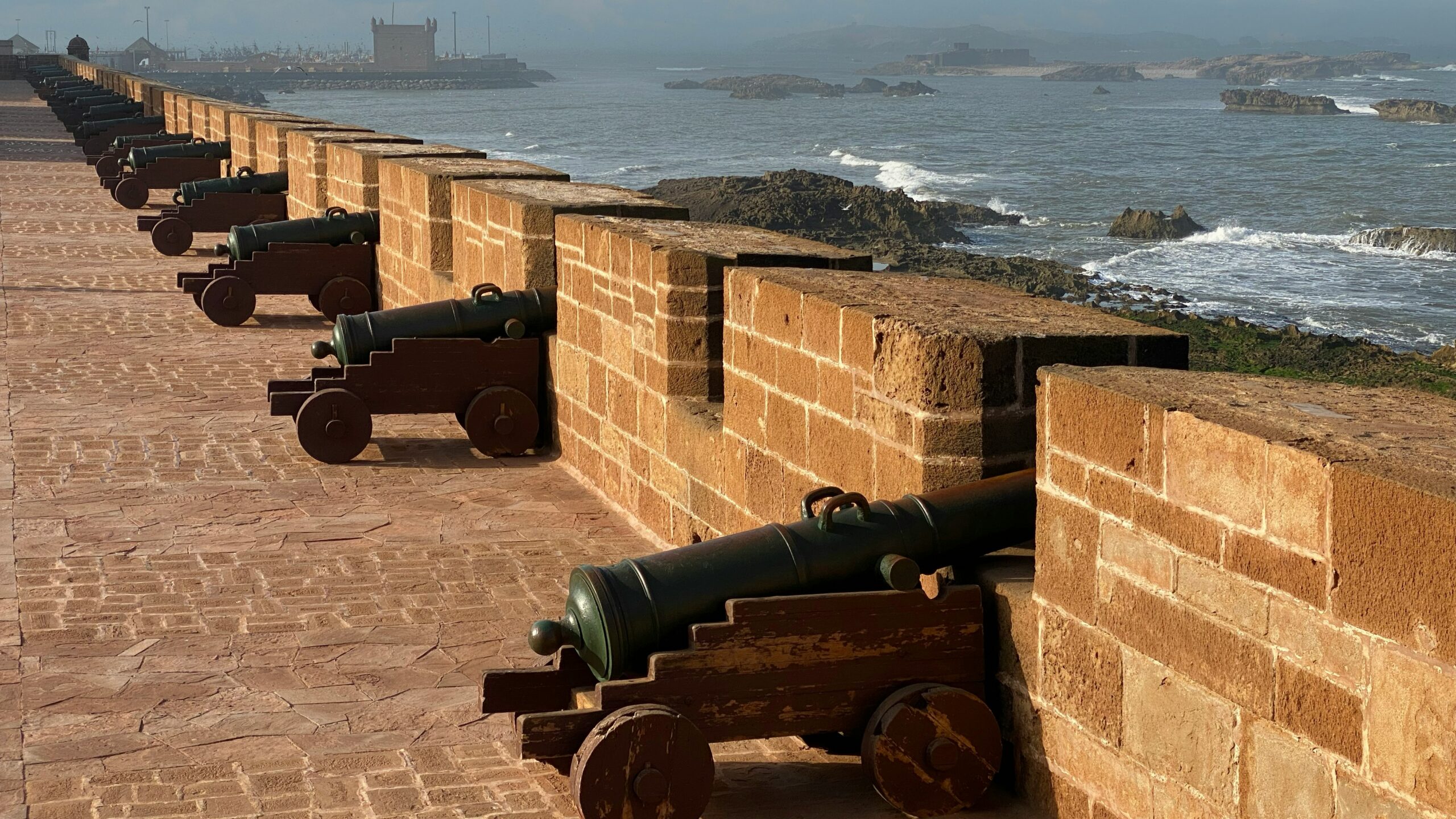
Expect ocean winds, whitewashed architecture, colorful boats, seafood, narrow streets and a slower rhythm than Morocco's major inland cities. The Portuguese-built ramparts, or Skala, offer sweeping views across the water and the nearby islands.
Getting Around
The historic medina and waterfront are best explored on foot. The compact center makes walking one of the best ways to experience the city, with a small Grand Taxi rank for the beach and the hills beyond.
Local Atmosphere
Essaouira combines Moroccan heritage with an unmistakable Atlantic character shaped by fishing, music, trade and the sea. A long-time magnet for artists and surfers, it stays small enough to feel intimate yet lively at sundown, when musicians gather in the squares.
Experience Essaouira.
From the historic medina to the Atlantic shore, discover the experiences that make Essaouira worth slowing down for.
Wander Through the Medina
Walk Along the Skala de la Kasbah
Watch the Sunset by the Harbor
Explore the Fishing Port
Relax on Essaouira Beach
Discover Essaouira's Coastal Spirit
Where the medina meets the Atlantic.
Essaouira's charm comes from the relationship between the old city and the ocean. Follow the ramparts, explore the harbor and take your time discovering the quieter corners of the medina.
Taste the Atlantic.
Essaouira is a natural place to enjoy fresh seafood and Moroccan flavors. The modest fish market at the harbour is the heart of it all — hake, sole, sardines, sea bass and shellfish are landed daily and grilled over charcoal within sight of the boats, with lemon, cumin and fresh bread on the side. Beyond the port, the medina's stalls serve seafood tagines, pastilla, and sweet mint tea, while family-run restaurants along the ramparts pair Atlantic views with plates of just-caught fish.
Stay in the medina.
For the full Essaouira experience, consider staying close to the historic medina. Traditional riads and guesthouses make it easy to explore the city on foot. Many offer rooftop terraces with Atlantic views and hammams for a relaxing end to the day, and the compact centre means a good hotel is never far from the ramparts, the harbour and the beach.
A few things to know.
Bring a Light Layer
Atlantic winds can make Essaouira feel cooler than other Moroccan destinations, especially near the coast.
Explore on Foot
The medina is compact and full of details. Walking allows you to discover small streets, shops, cafés and viewpoints naturally.
Take Your Time
Essaouira is best experienced slowly. Leave room in your schedule to wander, stop for coffee and enjoy the Atlantic air.
Catch the Wind
The reliable Atlantic breeze makes Essaouira one of Morocco's top spots for kitesurfing and windsurfing, with schools and hire shops lining the beach from March to October when the trade winds are strongest.
Shop the Medina
Blue doors open onto workshops selling thuya wood carvings, carpets, jewellery, leather and argan oil. Bargaining is expected, and prices tend to be gentler here than in Marrakech's busier souks.
Plan a Day Trip
North of town, the windswept Diabat beach offers a wilder shoreline and old castle ruins, while the salt flats and lagoons to the south attract birds. A couple of hours by road links Essaouira to Marrakech for an easy round trip.
Slow down. Explore Essaouira.
From ancient ramparts and colorful fishing boats to Atlantic sunsets and quiet medina streets, Essaouira offers a different rhythm of Morocco.