Sahara Desert Travel Tips (2026): Essential Advice for a Safe, Comfortable Morocco Desert Trip
A trip into Morocco’s Sahara is unlike anything else on a typical Morocco itinerary long driving days, extreme temperature swings, a camel ride into the dunes, and a night spent genuinely off-grid under the stars. None of that has to be stressful if you plan around it properly. This guide covers everything worth knowing before you go: what to pack, how to choose a tour and a camp, what camel trekking actually involves, and the safety, food, and money details that make the difference between a smooth trip and an uncomfortable one.
Sahara Desert Travel Tips at a Glance
What to Know Before Visiting the Sahara
The single most important thing to understand is the temperature swing a warm, even hot, afternoon can turn into a genuinely cold night within a few hours, in any season. Beyond that, most of what makes a Sahara trip go smoothly comes down to choosing the right tour, packing light but smart, and building in enough time not to rush the experience.
How Long Should You Spend in the Desert?
Most travelers find one or two nights the right amount of time. A single night is common and genuinely worthwhile if your schedule is tight, but two nights is widely considered the sweet spot, giving time for a fuller trek and a more relaxed pace without turning into more camel riding than your body actually wants.
What Makes a Sahara Trip Different From Other Morocco Experiences?
Unlike a city stay in Marrakech or Fes, a Sahara trip is built around long transit days, a remote overnight camp with limited facilities, and genuine exposure to the elements. It rewards travelers who come prepared and accept a slower, more physically demanding pace than a typical sightseeing day.
Plan Your Sahara Desert Trip Before You Go
Choose the Right Time to Visit
October through April is the widely recommended window, with October, November, February, and March offering the most comfortable combination of warm days and manageable nights. Spring (March–May) brings more wind and occasional dust, particularly in April and May, while summer (June–September) is genuinely difficult, with daytime highs regularly exceeding 40°C.
Understand Sahara Desert Temperatures
Expect roughly 15–22°C days and near-freezing nights in winter, 22–32°C days with cooler, crisp nights in spring and autumn, and 40–48°C days with warm nights in summer. The day-to-night swing can exceed 20–30°C in any season, which is the detail most first-time visitors underestimate.
Choose the Right Desert Tour
Tours generally run from Marrakech or Fes, ranging from a rushed overnight round trip to a more comfortable three-day, two-night circuit with stops at sites like Aït Ben Haddou or the Todra Gorge along the way. A slightly longer, better-paced tour is almost always worth the extra day compared to an exhausting overnight dash.
Check What Your Tour Includes
Confirm whether transportation, meals, the camel trek itself, and camp accommodation are all included, and whether activities like sandboarding cost extra. Tour descriptions vary considerably in how clearly they spell this out, so it’s worth asking directly rather than assuming.
Confirm Pickup and Drop-Off Details
Most tours include pickup directly from your riad or hotel in Marrakech or Fes; confirming the exact pickup time and location the night before avoids any confusion on an early departure morning.
What to Pack for the Sahara Desert
Clothes for Hot Days and Cold Nights
Pack in layers: breathable, loose clothing for daytime heat, and a genuinely warm layer a fleece or light down jacket for the evening and overnight, since even a hot day can give way to a cold night. Long, comfortable pants also help protect your legs during the camel ride itself.
Comfortable Shoes
Closed-toe shoes are worth wearing rather than sandals, both for the camel ride and for walking on the dunes, and it’s worth keeping them inside your tent overnight rather than outside, since scorpions and other small creatures sometimes shelter in warm footwear left out.
Sun Protection
A wide-brimmed hat, sunglasses, and high-SPF sunscreen are essential in every season, not just summer, since the desert offers essentially no natural shade. A scarf or shemagh doubles as sun and wind protection and is worth buying locally if you don’t already have one.
Water and Hydration
Bring a refillable water bottle and plan to drink consistently throughout the day rather than only when thirsty, since dehydration can set in faster than expected in dry desert air even when temperatures feel manageable.
Toiletries and Personal Essentials
Pack a basic toiletry kit, wet wipes or hand sanitizer, and any personal medication you might need, since standard camps have limited facilities and the nearest pharmacy may be a genuine drive away.
Phone, Camera and Power Bank
Bring a fully charged power bank, since camps typically offer limited or no charging access, and a simple protective case or ziplock bag for your phone or camera helps keep sand out of ports and lenses.
What You Do Not Need to Pack
Leave large suitcases and excess clothing at your riad or hotel before departing for the desert; most tours hold your main luggage and only expect a small overnight bag for the camp itself, so packing light for this leg makes the whole trip considerably easier.
Getting to the Sahara Desert
From Marrakech
Erg Chebbi near Merzouga sits roughly 560 km from Marrakech, generally 8–10 hours by road, typically split across two driving days with stops at Aït Ben Haddou and the Dades or Todra Gorges along the way.
From Fes
Merzouga sits roughly 470 km from Fes, around 7–9 hours by road, often broken up with a stop in the Middle Atlas or at the Ziz Valley on the way south.
From Other Moroccan Destinations
Erg Chigaga near M’Hamid, a more remote alternative to Erg Chebbi, is reached via Zagora and typically involves an additional 4×4 transfer once the paved road ends, adding time compared to the more accessible Merzouga route.
Organized Tour vs. Self-Drive
An organized tour is the far more common and generally recommended option, since it removes the need to navigate long desert highways yourself and typically includes a knowledgeable driver who can point out worthwhile stops along the way. Self-driving is possible for confident, experienced drivers, but it removes much of the built-in flexibility a good guide provides.
Choose the Right Sahara Desert Camp
Standard Desert Camps
Standard camps offer comfortable, simple tents with shared toilet and shower facilities, a solid, no-frills option for travelers who don’t need the highest level of comfort and want a more affordable trip.
Luxury Desert Camps
Luxury camps offer private, en-suite tents with proper beds, hot showers, and considerably more polished service, at a meaningfully higher price than the standard option.
Private vs. Shared Camps
Some tours combine your group with other travelers at a shared camp, while others offer a fully private setup; if privacy matters to you, it’s worth confirming this specifically rather than assuming based on the tour description alone.
What to Check Before Booking
Confirm whether the camp is fixed or genuinely remote and tented, what the bathroom situation actually looks like, and whether dinner, breakfast, and camel trekking are all included in the quoted price before you book.
Camel Trekking Tips
What to Wear for a Camel Ride
Comfortable, longer pants protect your legs against the camel’s coarse fur, and closed-toe shoes are more practical than sandals for mounting, dismounting, and any walking involved along the way.
How Long Does Camel Trekking Take?
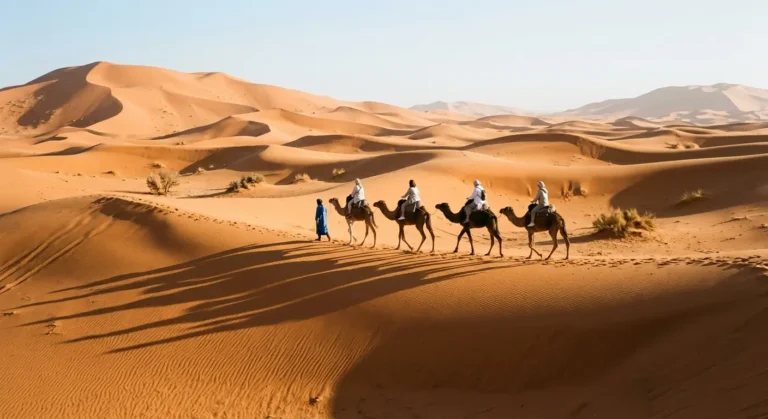
The ride from the edge of the dunes to camp typically takes about an hour to an hour and a half, timed to arrive in the desert in time for sunset.
How to Stay Comfortable on the Camel
Sitting back slightly and holding the front handle rather than gripping too tightly helps you settle into the camel’s rocking gait, and shifting your weight occasionally during a longer ride helps avoid soreness.
What to Carry During the Trek
A small day bag with water, sun protection, and your camera is all you need for the ride itself; anything heavier is better left with your main luggage back at the hotel.
What If You Do Not Want to Ride a Camel?
Most operators can arrange transport to camp by 4×4 instead, so a camel ride is genuinely optional rather than a requirement for anyone with back or joint concerns, or simply no interest in riding.
What to Expect at a Sahara Desert Camp
Arriving at the Camp
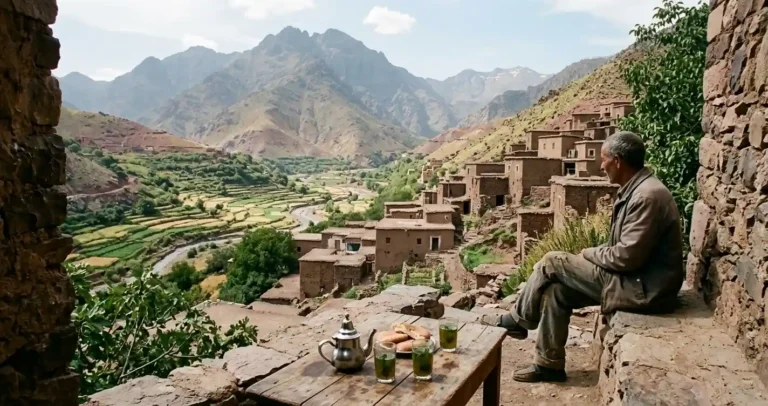
You’ll typically be welcomed with a glass of mint tea on arrival, a small but genuinely pleasant ritual after the trek in, before settling into your tent and exploring the immediate dunes before dinner.
Dinner and Traditional Moroccan Food
Dinner is usually a simple but satisfying Moroccan meal soup, tagine, and fresh fruit cooked in the camp kitchen and served communally, often followed by mint tea and sometimes a simple dessert.
Campfire and Evening Entertainment
Most camps offer traditional Berber drumming and music around a campfire after dinner, a relaxed, genuinely memorable way to spend the evening before the desert’s famously dark, star-filled sky takes over.
Sleeping in the Desert
Camps provide bedding suited to the season, though bringing your own liner or light sleeping bag for winter nights is a reasonable extra precaution if you tend to feel the cold.
Bathrooms and Showers
Standard camps typically offer shared, basic facilities, while luxury camps provide private en-suite bathrooms with hot water; either way, expect a simpler setup than a hotel, and pack accordingly.
Sunrise the Next Morning
Many travelers consider sunrise over the dunes even more striking than sunset, and most camps wake guests early enough to climb a nearby dune and watch it before breakfast and the trek back out.
Sahara Desert Safety Tips
Stay Hydrated
Drink water consistently throughout the day, not just when thirsty, since the dry desert air can mask how much fluid you’re actually losing.
Protect Yourself From the Sun
Reapply sunscreen regularly, wear a hat and sunglasses, and avoid unnecessary sun exposure during the hottest midday hours, particularly outside the cooler winter months.
Prepare for Cold Nights
Even in summer, desert nights can cool down considerably more than a warm afternoon suggests, so packing a genuine warm layer regardless of season is a sensible precaution rather than overpacking.
Follow Your Guide’s Instructions
Your guide knows the terrain, the camel, and the current conditions far better than you do on a first visit, so following their lead on pacing, timing, and any changes to the plan is the simplest way to stay safe.
Protect Your Belongings From Sand
Sand finds its way into everything given the chance, so keeping electronics in a sealed bag or case, and closing your tent promptly, meaningfully reduces the risk of sand damage to your gear.
Know Your Limits During Desert Activities
Camel trekking and dune walking are more physically demanding than they might look, particularly in the heat, so pacing yourself and being honest with your guide about how you’re feeling matters more here than on a typical city day.
Sahara Desert Photography Tips
Photograph the Dunes at Sunrise
The soft, low-angle light shortly after sunrise brings out the dunes’ curves and shadows more dramatically than almost any other time of day, and the desert is also at its coolest and calmest for climbing a dune to get the shot.
Capture the Desert at Sunset
Sunset offers a second strong window, with warm, golden light and long shadows across the sand, particularly striking from a slightly elevated dune looking back toward camp.
Protect Your Camera From Sand
Keep your camera in a sealed bag or case when not actively shooting, and avoid changing lenses in windy conditions, since sand can work its way into a camera body surprisingly quickly.
Taking Better Desert Photos With Your Phone
Including a person, a camel, or a tent in the frame gives the dunes a genuine sense of scale that an empty landscape shot often lacks, and shooting during the golden-hour windows rather than midday consistently produces better results.
Food and Water in the Sahara
What Food Is Usually Included
Most tours include dinner and breakfast at the camp, typically a simple, home-style Moroccan meal, with lunch usually eaten en route at a restaurant or roadside stop during the drive.
Drinking Water in the Desert
Bottled water is standard and widely available at stops along the route and at camp itself, and it’s worth carrying a bit extra during the camel trek specifically, since you won’t have easy access to more until you arrive.
Food Allergies and Dietary Requirements
Letting your tour operator know about any allergies or dietary restrictions in advance, rather than at the camp itself, gives the kitchen a real chance to accommodate you properly.
Snacks for the Journey
Packing some snacks for the long driving days is a sensible backup, since stops can be spaced further apart than on a typical Morocco road trip.
Money, Mobile Service and Connectivity
How Much Cash Should You Carry?
Carry enough cash for tips, any optional extras like sandboarding, and small purchases at roadside stops, since ATMs become considerably less frequent the further you travel from Marrakech or Fes.
Tipping Guides and Camp Staff
A modest tip for your driver, camel guide, and camp staff is customary and genuinely appreciated, generally reflecting the level of service and length of the trip rather than a single fixed rule.
Mobile Phone Signal
Signal generally holds up reasonably well in towns like Merzouga itself but can weaken or disappear entirely once you’re out among the dunes, so treat the overnight camp portion of your trip as a genuine break from connectivity.
Wi-Fi and Internet Access
Some luxury camps offer limited Wi-Fi, but it shouldn’t be relied upon; the standard camp experience generally means no internet access at all until you’re back in town.
Common Sahara Desert Travel Mistakes to Avoid
Choosing a Tour Only Because It Is Cheap
The very cheapest tours sometimes cut corners on vehicle comfort, camp quality, or pacing, so weighing reviews and what’s actually included matters more than chasing the lowest price alone.
Underestimating the Cold
Packing only for daytime heat and getting caught out by a genuinely cold desert night is one of the most common regrets travelers report, and it’s entirely avoidable with a single warm layer.
Bringing Too Much Luggage
A large suitcase makes the transition to a small overnight bag for the camp portion of the trip unnecessarily complicated; packing light from the start avoids this entirely.
Not Checking What the Tour Includes
Assuming meals, camel trekking, or specific stops are included without confirming can lead to unwelcome surprises or extra costs once you’re already on the road.
Trying to Rush the Experience
Attempting a single overnight round trip from Marrakech in as little time as possible tends to leave travelers exhausted and with barely any real time in the desert itself, undermining the entire point of the trip.
Expecting Complete Isolation
Popular camps, particularly around Erg Chebbi, see a steady flow of visitors, so travelers expecting total solitude are sometimes surprised by how many other camps and groups share the same general area.
Sahara Desert Travel Tips for Different Travelers
Couples
A private luxury camp offers the most romantic setting, with a private tent and the shared experience of watching sunset and sunrise over the dunes together.
Families With Children
A shorter, one-night trip with a standard or mid-range camp generally suits families better than a longer, more physically demanding itinerary, and confirming the camel trek can accommodate younger children is worth doing in advance.
Solo Travelers
A shared group tour is a genuinely social, cost-effective option for solo travelers, often leading to good company for the long driving days and the evening around the campfire.
Older Travelers
A shorter camel ride, or the option to travel to camp by 4×4 instead, is worth discussing with your operator in advance if joint or back concerns make a longer ride uncomfortable.
Travelers With Limited Time
A one-night trip from Marrakech, though it involves a demanding amount of driving relative to time in the desert itself, remains the most realistic option for travelers who can’t spare a full three days.
How to Make Your Sahara Desert Trip More Comfortable
Plan Around the Long Driving Days
Treating the drive itself as part of the experience, rather than an obstacle to get through, makes the long hours on the road considerably more enjoyable, particularly given the scenery along routes through the Atlas Mountains and Dades Valley.
Pack a Small Overnight Bag
Packing only what you genuinely need for one or two nights, separate from your main luggage, makes the camel trek and camp stay noticeably easier to manage.
Choose Your Camp Carefully
Reading recent reviews specifically for camp comfort and cleanliness, rather than relying on tour marketing photos alone, gives a more realistic sense of what to expect on arrival.
Give Yourself Enough Time
A three-day, two-night circuit generally delivers a considerably more relaxed, satisfying trip than compressing the same distance into a rushed overnight dash.
Leave Room for the Unexpected
Weather, road conditions, or simply wanting to linger a little longer at a stop can all shift a desert itinerary, so building in some flexibility rather than a tightly packed schedule tends to make for a better trip overall.
Frequently Asked Questions About Sahara Desert Travel
What should I wear in the Sahara Desert?
Loose, breathable layers for the day, a warm jacket for the evening, comfortable long pants for the camel ride, and closed-toe shoes throughout.
How cold does the Sahara get at night?
Winter nights can drop close to freezing, while even summer nights, though warmer, still cool down noticeably compared to the day’s peak heat.
Do I need to bring my own water?
Bottled water is widely available along the route and at camp, though carrying a bit extra during the camel trek itself is a sensible precaution.
Is camel trekking difficult?
It’s generally manageable for most fitness levels, though an hour or more in the saddle can feel uncomfortable if you’re not used to it, and shorter or 4×4 alternatives are usually available.
Can I visit the Sahara without riding a camel?
Yes most operators can arrange transport to camp by 4×4 instead, so a camel ride is optional rather than mandatory.
Should I choose a luxury or standard desert camp?
A luxury camp suits travelers prioritizing comfort and private facilities, while a standard camp offers a more affordable, still genuinely enjoyable experience with shared amenities.
Do I need a sleeping bag?
Camps generally provide bedding suited to the season, though bringing a light liner or your own sleeping bag for winter nights is a reasonable extra precaution if you feel the cold easily.
Is there phone service in the Sahara?
Signal holds up reasonably well in towns like Merzouga but weakens or disappears once you’re out among the dunes, so plan for limited connectivity during the overnight camp portion.
How much cash should I bring?
Enough for tips, optional activities like sandboarding, and small purchases along the route, since ATMs become scarce the further you travel from a major city.
Should I tip my desert guide?
Yes a modest tip for your driver, camel guide, and camp staff is customary and genuinely appreciated, generally scaled to the length and quality of the trip.
Is the Sahara safe for first-time visitors?
Yes, particularly with a reputable tour operator the main practical concerns are heat, cold, and sun exposure, all manageable with the preparation covered in this guide.
How many nights should I spend in the Sahara?
One night is a realistic minimum, but two nights is widely considered the ideal balance between a full experience and a manageable amount of camel riding.
What is the most important thing to pack for the Sahara?
A genuine warm layer for the night, regardless of season, is the single item most first-time visitors underestimate needing.