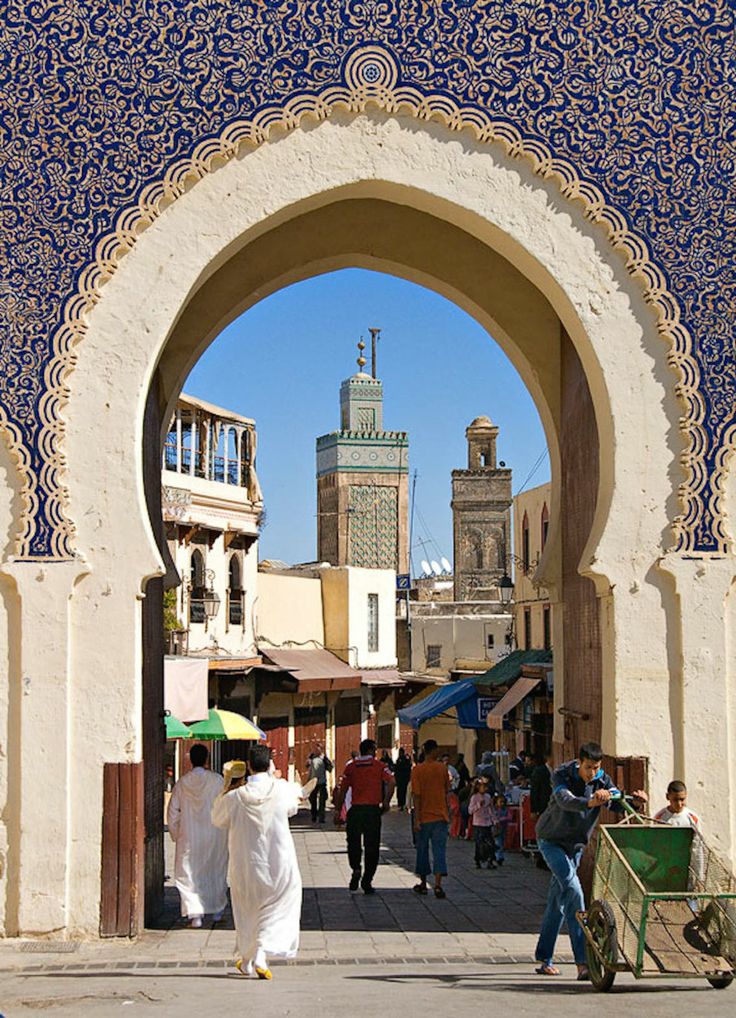
Fes, Morocco
Fes is Morocco's spiritual and cultural capital — home to one of the world's oldest continuously inhabited medinas, a university that predates the printing press, and a way of life that has barely paused in a thousand years. This is Morocco at its most unfiltered.
Why Visit Fes?
Marrakech gets the postcards, but this imperial city is where Morocco's history actually happened — and, in many corners, still is.
UNESCO-Listed Medina
Fes el-Bali is one of the largest car-free urban areas on Earth, and a UNESCO World Heritage Site since 1981.
Living History
Unlike a restored old town, the city's medina has been continuously inhabited and worked for over a thousand years.
Traditional Craftsmanship
Tanners, weavers, metalworkers and potters still practice trades passed down for generations.
Rich Heritage
Home to the world's oldest continuously operating university, founded in 859 CE.
Culinary Traditions
Fassi cuisine is considered by many Moroccans to be the country's most refined regional cooking.
Architecture
Intricate zellige tilework, carved cedar and monumental gates define the city's visual identity.
Fes at a Glance
The essentials before you dive into planning.
Top Things to Do in Fes
Ten stops that capture what makes this city unlike anywhere else in Morocco.
Fes el-Bali
The old medina itself is the main attraction — a maze of over 9,000 alleys where donkeys still outnumber cars.
Al Quaraouiyine
Founded in 859 CE, it's recognized as the oldest existing, continually operating university in the world.
Chouara Tanneries
The iconic stone dyeing vats have colored leather here since the 11th century.
Bou Inania Madrasa
One of the finest examples of Marinid architecture, with extraordinary carved cedar and zellige.
Nejjarine Museum
A beautifully restored caravanserai showcasing traditional woodworking and crafts.
Royal Palace Gates
The gilded brass doors of the Dar el-Makhzen are among the most photographed sights in the city.
The Mellah
The city's historic Jewish quarter, with distinctive balconied architecture unlike the rest of the medina.
Bab Bou Jeloud
The ornate blue gate is the classic entry point to Fes el-Bali and a natural photo stop.
Traditional Souks
Each street tends to specialize — spice sellers, metalworkers, textiles — following medieval guild layouts.
Rooftop Viewpoints
Terrace cafés scattered through the medina offer sweeping views over the sea of rooftops below.
A City Built to Get Lost In
Fes el-Bali wasn't designed for cars, and it shows. The medina unfolds as a dense weave of covered alleys, hidden courtyards and dead ends that open unexpectedly onto grand madrasas or quiet fountains.
Landmarks here aren't meant to be checked off quickly — the tanneries, the university, the madrasas all reward slowing down, looking up at the woodwork, and letting a wrong turn become part of the visit rather than a problem to solve.
Local Experiences Worth Having
The sights get you in the door; these experiences are what make people fall for the city.
- Artisan workshops — watch metalworkers, potters and weavers at work in small family-run ateliers
- Cooking classes — learn Fassi cuisine, widely considered Morocco's most refined regional cooking
- Traditional hammam — a proper scrub-and-steam at a local bathhouse, not just a spa
- Food tours — a guided route through the souks tasting pastries, olives and street snacks
- Rooftop cafés — mint tea with a medina panorama, best around golden hour
- Photography walks — doorways, tilework and light shafts through covered souks
- Local markets — beyond the tourist-facing souks, neighborhood markets show everyday Fassi life
Best Time to Visit
The city sits inland, so it runs hotter in summer and cooler in winter than the coast.
Spring & Autumn
- March–May and September–November — the most comfortable temperatures for walking the medina
- Fewer crowds than Marrakech during the same months
Summer & Winter
- June–August — hot, dry days; plan medina walks for morning or evening
- December–February — cool and sometimes damp, with quieter streets and lower prices
Where to Stay
Staying inside the medina walls is the classic way to experience the city — most riads are converted historic houses just steps from the sights.
Luxury Riads
Restored palaces with courtyard pools, hammams and rooftop dining — several rank among Morocco's finest stays.
Boutique Riads
Smaller, design-forward guesthouses that balance character with comfort at a mid-luxury price point.
Mid-Range Hotels
Comfortable, reliable options near Ville Nouvelle for travelers who want modern conveniences close by.
Budget Accommodation
Simple guesthouses and hostels inside or near the medina, ideal for longer stays or backpackers.
Food & Dining
Fassi cuisine is considered the benchmark for traditional Moroccan cooking.
- Pastilla — the city's signature dish, a sweet-savory pastry classically made with pigeon
- Harira — hearty tomato and lentil soup, especially good on cooler evenings
- Tagine — Fassi versions often lean sweeter, with preserved lemon and olives
- Local bakeries — tucked into the medina, worth seeking out for fresh bread and pastries
- Traditional cafés — mint tea and people-watching are a beloved local institution
- Rooftop restaurants — pair Fassi classics with medina views, especially at dinner
Getting to Fes
The city is well connected to the rest of the country.
- Airport — Fes-Saïss Airport (FEZ) connects to several European hubs
- Train — ONCF trains link the city with Casablanca, Rabat, Meknes and Tangier
- Bus — CTM and Supratours run reliable routes from major cities
- Car — a comfortable drive from Meknes, longer from Marrakech or Chefchaouen
Getting Around Fes
The medina itself is entirely on foot — everything else fills in around it.
- Walking — the only way through Fes el-Bali; cars can't enter most of it
- Petit taxis — inexpensive for trips between the medina and Ville Nouvelle
- Guided tours — genuinely useful here given how easy it is to get turned around
- Public transport — city buses connect newer districts, less relevant for medina visits
Suggested Itineraries
However much time you have, here's how to spend it well.
Half Day
- Bab Bou Jeloud
- Bou Inania Madrasa
- A short souk walk
1 Day
- Fes el-Bali medina
- Al Quaraouiyine
- Chouara Tanneries
- Rooftop sunset
2 Days
- Full medina day one
- Nejjarine Museum
- The Mellah
- Cooking class or food tour
3 Days
- Days one & two as above
- Artisan workshop visits
- Hammam experience
- Day trip toward Meknes or Volubilis
Nearby Places to Explore
The city makes a good base for exploring the surrounding region.
Practical Travel Tips
A few habits that make navigating the city far easier.
- Dress respectfully — covering shoulders and knees is appreciated throughout the medina
- Carry cash — most souk vendors and small cafés are cash-only
- Wear comfortable shoes — the medina is hilly, cobbled and largely stairs
- Photography etiquette — ask before photographing people or private doorways
- Bargaining — expected in souks, part of the normal buying process
- Local customs — a warm greeting before business is always appreciated
- Safety — generally safe; decline unsolicited "guide" offers politely but firmly
- Opening hours — many sights close for Friday prayers at midday
Related Travel Guides
Frequently Asked Questions
Is Fes worth visiting?
Yes — for many travelers, the city offers the most authentic medina experience in Morocco, with history that's still actively lived rather than staged.
How many days should I spend in Fes?
Two to three days is enough to see the major sights and still leave room to get pleasantly lost in the medina.
What is Fes famous for?
Its UNESCO-listed medina, the world's oldest university, leather tanneries and Fassi cuisine.
Is Fes safe?
Yes, generally. The medina's maze-like layout takes some getting used to, but normal travel precautions apply.
Can I explore the medina without a guide?
Yes, though a guide for your first few hours makes orientation much easier given how easy it is to get turned around.
What food should I try?
Pastilla and harira are the signature dishes, alongside Fassi-style tagines with preserved lemon and olives.
What is the best time to visit Fes?
Spring (March–May) and autumn (September–November) offer the most comfortable temperatures.
Is Fes good for families?
Yes — the medina's car-free streets are safe for kids to explore, though the walking and stairs can be tiring for younger children.
How do I get from Fes to Chefchaouen?
CTM and Supratours buses cover the route directly; a private driver is also a comfortable option.
What should I not miss in Fes?
The Chouara Tanneries, Al Quaraouiyine, Bou Inania Madrasa and a sunset from a medina rooftop terrace.
Ready to Discover Fes?
From here, keep building your Morocco itinerary — the imperial cities, the Sahara and the Atlas Mountains are all within reach.