Best Neighborhoods in Marrakech (2026): 9 Amazing Areas Every Visitor Should Explore
Choosing the right neighborhood can completely transform your experience of Marrakech. Although many first-time visitors think of the city as a single destination centered around Jemaa el-Fnaa, Marrakech is actually a collection of distinct neighborhoods, each with its own atmosphere, history, architecture, and pace of life. Within just a few kilometers, you can move from centuries-old alleyways lined with traditional riads to elegant French-era boulevards, luxury hotels, peaceful palm groves, and thriving creative districts.
Understanding these neighborhoods before you arrive helps you experience far more than the city’s most famous attractions. Some districts are ideal for discovering Marrakech’s rich history, others are known for contemporary art galleries and stylish cafés, while a few offer quiet escapes from the busy medina without feeling disconnected from the city.
This guide explores the best neighborhoods in Marrakech, explaining what makes each one special, who it suits best, and the attractions you shouldn’t miss. Whether you’re visiting for three days or a full week, these neighborhoods reveal the many different personalities that make the Red City one of Morocco’s most fascinating destinations.
Best Neighborhoods in Marrakech: The Short Answer
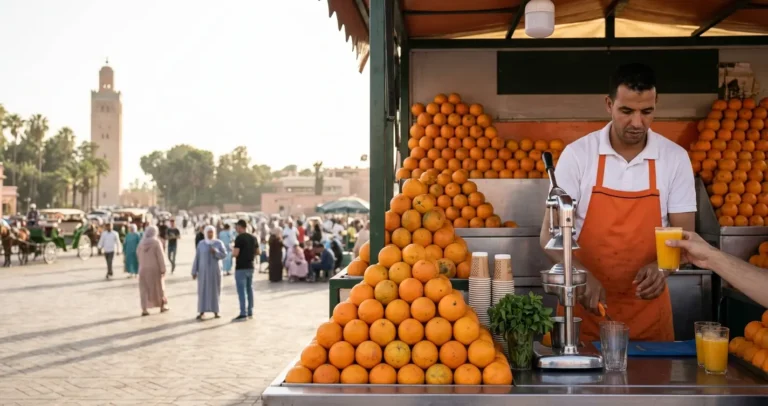
If you’re visiting Marrakech for the first time, the Medina remains the neighborhood you simply can’t miss. It contains the city’s greatest concentration of historic landmarks, traditional riads, bustling souks, and the world-famous Jemaa el-Fnaa square. Walking through its narrow streets offers the authentic Marrakech experience most travelers imagine before arriving.
Beyond the Medina, however, Marrakech becomes far more diverse. Mouassine combines elegant architecture with boutique shopping and traditional hammams. Kasbah offers impressive palaces and a quieter residential atmosphere. Mellah tells the story of Marrakech’s Jewish heritage, while Bab Doukkala provides a glimpse into everyday local life. If you prefer modern cafés, designer boutiques, and contemporary restaurants, Gueliz delivers an entirely different side of the city. Luxury travelers often gravitate toward Hivernage and Palmeraie, where elegant hotels, spas, and peaceful gardens create a more relaxed environment.
The beauty of Marrakech is that you don’t need to choose just one neighborhood to enjoy. Most visitors naturally explore several districts during their stay, discovering how dramatically the city’s atmosphere changes from one area to the next.
Which Neighborhood Is Best for First-Time Visitors?
For most first-time visitors, the Medina offers the perfect introduction to Marrakech. Nearly every major attraction lies within walking distance, including Bahia Palace, Ben Youssef Madrasa, the Koutoubia Mosque, and the famous souks. Staying or spending most of your time here allows you to immerse yourself in the city’s history while experiencing its lively markets and traditional architecture.
That said, don’t limit yourself exclusively to the old city. One of Marrakech’s greatest strengths is the contrast between neighborhoods. Spending an afternoon in Gueliz or enjoying dinner in Hivernage adds valuable perspective, showing how Marrakech has evolved while preserving its remarkable heritage.
Which Neighborhood Has the Most Authentic Atmosphere?
Authenticity means different things to different travelers, but many locals and experienced visitors would point toward the Medina, Kasbah, and Bab Doukkala. These neighborhoods remain deeply connected to everyday life, where residents shop at neighborhood markets, children play in quiet squares, and artisans continue practicing traditional crafts passed down through generations.
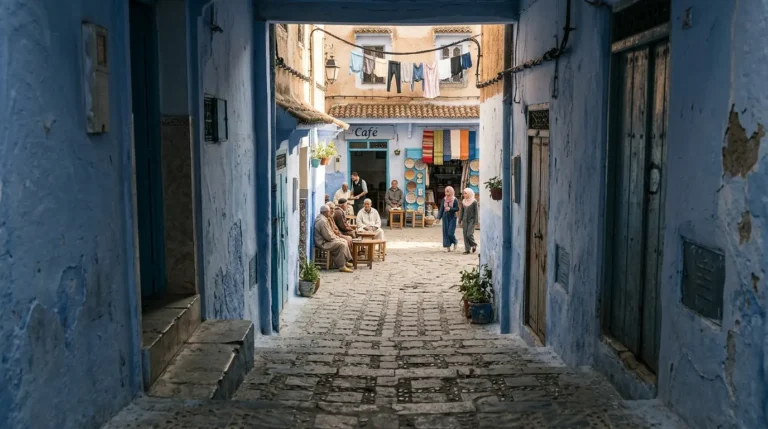
Rather than searching for authenticity as though it were a hidden attraction, simply slowing your pace often reveals it naturally. Step away from the busiest tourist streets, wander through residential alleys, stop for tea at a neighborhood café, and you’ll quickly discover a side of Marrakech that many hurried visitors never experience.
Why Exploring the Best Neighborhoods in Marrakech Matters
Many travelers unknowingly spend nearly their entire visit around Jemaa el-Fnaa and the central souks. While those areas certainly deserve their reputation, they represent only one chapter of Marrakech’s story.
Each neighborhood reflects a different period in the city’s development. Some preserve the grandeur of Morocco’s imperial past, others showcase French colonial influences, while newer districts embrace contemporary architecture, fashion, and international cuisine. Exploring beyond the obvious landmarks creates a richer understanding of Marrakech as a living city rather than simply an open-air museum.
Perhaps more importantly, every neighborhood offers a different rhythm. The excitement of the Medina gradually gives way to the quiet elegance of Mouassine, the historic character of Kasbah, and the relaxed café culture of Gueliz. Experiencing these contrasts is one of the most rewarding parts of visiting Marrakech.
Every Neighborhood Has Its Own Personality
One of Marrakech’s greatest strengths is that no two neighborhoods feel alike.
The Medina buzzes with constant movement, filled with merchants, storytellers, musicians, and visitors exploring its maze-like streets. Mouassine feels artistic and sophisticated, blending historic buildings with boutique shops and cultural spaces. Kasbah is noticeably calmer, where centuries-old monuments stand beside residential homes. Gueliz introduces broad boulevards, stylish restaurants, and contemporary galleries, while Hivernage replaces the intensity of the old city with luxury hotels, palm-lined avenues, and elegant nightlife.
This diversity means Marrakech appeals equally to history lovers, food enthusiasts, photographers, families, luxury travelers, and anyone simply looking to experience one of Morocco’s most dynamic cities.
History Meets Modern Marrakech
Few cities blend ancient heritage and contemporary life as naturally as Marrakech.
Within the space of a single afternoon, you might admire a sixteenth-century palace before enjoying specialty coffee in a modern art gallery, then finish the evening dining on a rooftop overlooking centuries-old minarets. Rather than competing with one another, these different sides of Marrakech complement each other, creating a destination that feels timeless without remaining frozen in the past.
Understanding the city’s neighborhoods makes these transitions easier to appreciate and encourages visitors to explore beyond the obvious attractions.
Best Neighborhoods in Marrakech at a Glance
Each neighborhood offers something unique, making it easy to tailor your visit according to your interests.
The Medina is perfect for history, architecture, markets, and traditional riads. Mouassine combines culture, elegant cafés, and beautifully restored historic buildings. Kasbah appeals to travelers interested in monuments and quieter streets. Mellah showcases Marrakech’s multicultural heritage through its markets and historic sites. Bab Doukkala offers authentic local life away from the busiest tourist routes. Gueliz is ideal for shopping, restaurants, and contemporary culture, while Hivernage attracts visitors seeking luxury hotels, fine dining, and sophisticated nightlife. Finally, Palmeraie provides spacious resorts, golf courses, and peaceful surroundings just outside the city center.
1. Medina – The Historic Heart of Marrakech
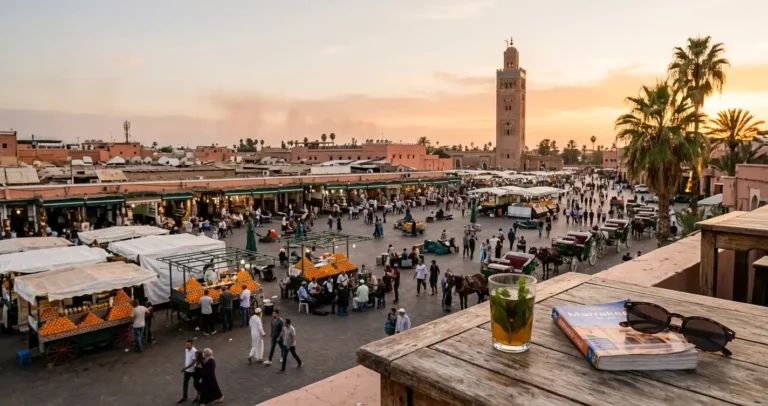
No neighborhood defines Marrakech more completely than the Medina. Surrounded by centuries-old red walls and recognized as a UNESCO World Heritage Site, this historic district has served as the city’s cultural, commercial, and spiritual heart since the eleventh century.
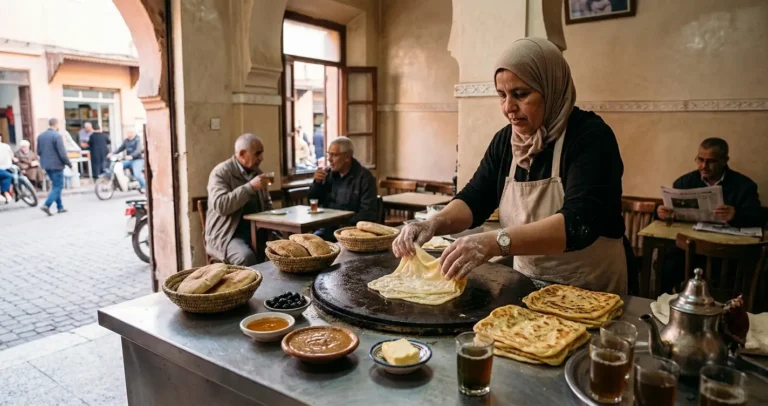
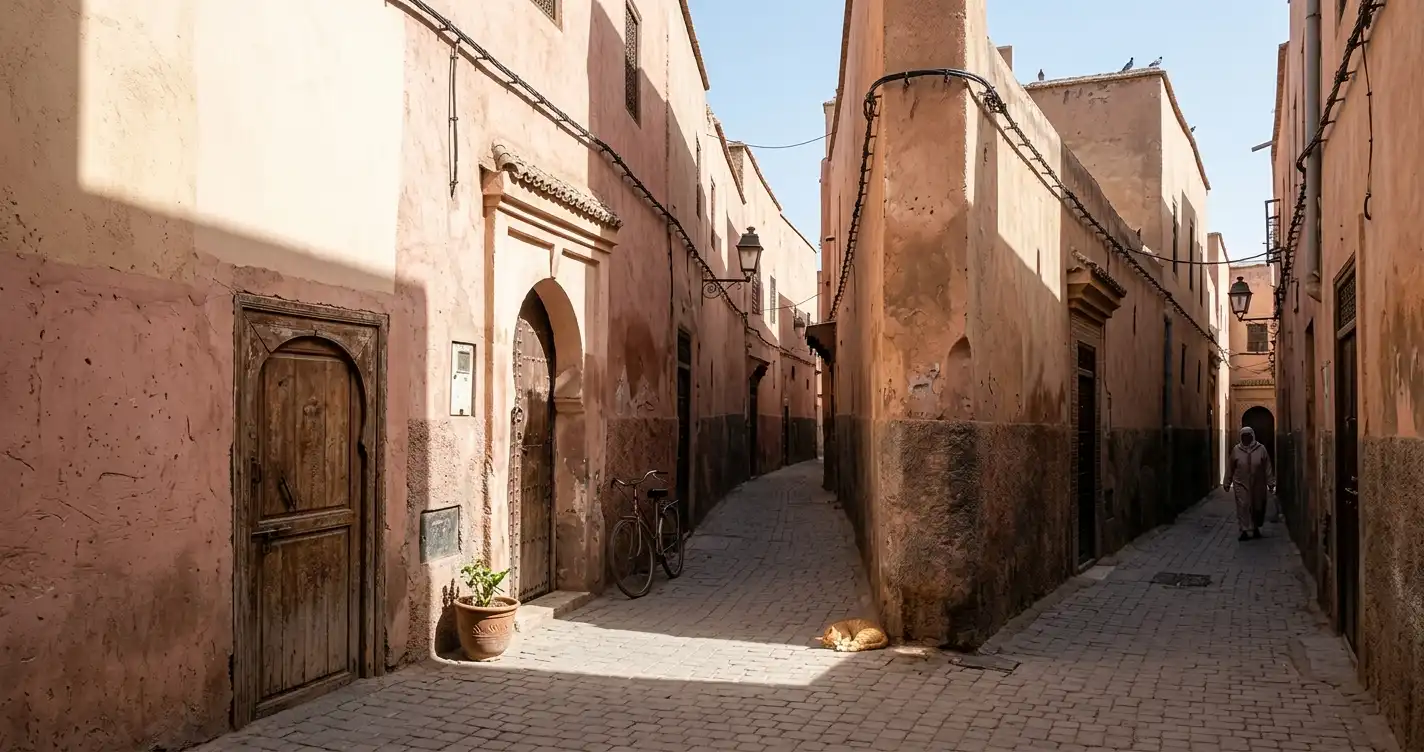
Walking through the Medina is an experience unlike anywhere else in Morocco. Narrow alleyways twist unpredictably between traditional riads, bustling souks, hidden courtyards, neighborhood bakeries, and historic mosques. Every corner seems to reveal another artisan workshop, spice merchant, or beautifully carved doorway, while the constant sounds of conversation, bicycle bells, and craftsmen at work create an atmosphere that feels both energetic and timeless.
The Medina rewards curiosity far more than careful planning. Although famous attractions such as Jemaa el-Fnaa, Bahia Palace, Ben Youssef Madrasa, and the Koutoubia Mosque certainly deserve a place on every itinerary, some of the neighborhood’s greatest pleasures come from wandering without a destination. Quiet residential streets, hidden cafés, rooftop terraces, and unexpected architectural details often become the memories visitors treasure most.
Why Visit the Medina?
The Medina offers the most complete introduction to Marrakech’s history, culture, architecture, cuisine, and daily life. It remains the city’s essential neighborhood and should form the foundation of every first visit.
Top Attractions
Highlights include Jemaa el-Fnaa, the Koutoubia Mosque, Bahia Palace, Ben Youssef Madrasa, Le Jardin Secret, the traditional souks, and countless historic riads. Most can be explored comfortably on foot over two or three days.
Who Will Love It?
The Medina is ideal for first-time visitors, photographers, culture enthusiasts, history lovers, foodies, and anyone seeking an authentic Moroccan atmosphere.
2. Mouassine – Marrakech’s Elegant Cultural Quarter
Just north of Jemaa el-Fnaa lies Mouassine, one of Marrakech’s most refined and architecturally beautiful neighborhoods. While many tourists pass through without realizing they’ve entered a different district, Mouassine possesses a quieter, more sophisticated character than the surrounding souks.
The neighborhood developed during the Saadian period and remains known for its beautifully preserved mansions, traditional riads, cultural institutions, and historic hammams. Walking through Mouassine reveals elegant wooden balconies, intricately decorated courtyards, artisan boutiques, and peaceful cafés tucked behind unassuming doorways. The atmosphere encourages slower exploration, making it one of the best places in Marrakech to simply wander without feeling overwhelmed.
Le Jardin Secret serves as one of the neighborhood’s highlights, demonstrating the elegance of traditional Islamic garden design, while nearby boutique shops showcase contemporary Moroccan craftsmanship alongside centuries-old architecture.
Why Visit Mouassine?
Mouassine offers many of the Medina’s historic charms but with fewer crowds, more intimate streets, and a stronger emphasis on culture, design, and architecture.
Hidden Courtyards and Boutique Shopping
The neighborhood is filled with restored riads, independent designers, literary cafés, artisan workshops, and elegant courtyards hidden behind simple facades. Taking time to explore these quieter corners reveals a side of Marrakech many visitors overlook.
Best For
Mouassine is perfect for couples, architecture enthusiasts, boutique shoppers, photographers, and travelers looking for a more relaxed experience within the Medina.
3. Kasbah – History, Palaces, and Local Life
South of the Medina lies the Kasbah, one of Marrakech’s oldest and most historically significant neighborhoods. Once home to Morocco’s ruling elite, the district continues to showcase some of the city’s finest monuments while maintaining a distinctly residential atmosphere.
Unlike the central Medina, the Kasbah feels more spacious and less commercial. Local residents outnumber tourists on many streets, neighborhood cafés replace souvenir shops, and everyday life unfolds at a noticeably slower pace. This quieter character makes the area particularly enjoyable for visitors interested in history without constant crowds.
Several of Marrakech’s most important landmarks are located here, including the magnificent Saadian Tombs, the impressive ruins of El Badi Palace, and the beautifully preserved Bab Agnaou, one of the finest gates in Morocco. Exploring these sites alongside residential streets provides a fascinating contrast between imperial history and modern daily life.
Why Visit the Kasbah?
The Kasbah combines monumental architecture, rich history, and an authentic neighborhood atmosphere while remaining within easy walking distance of Jemaa el-Fnaa.
Top Attractions
Don’t miss the Saadian Tombs, El Badi Palace, Bab Agnaou, Moulay El Yazid Mosque, and the lively Place des Ferblantiers nearby.
Best For
History lovers, photographers, repeat visitors, and anyone looking to experience a quieter side of historic Marrakech without leaving the old city.
4. Mellah – Discover Marrakech’s Historic Jewish Quarter
Just east of the Bahia Palace lies the Mellah, Marrakech’s historic Jewish Quarter and one of the city’s most fascinating neighborhoods. Established during the sixteenth century under the Saadian dynasty, the district became home to a thriving Jewish community that played an important role in Marrakech’s commercial, cultural, and artisan life for centuries. Although the population has changed dramatically over time, the neighborhood still preserves an important part of Morocco’s multicultural history.
Walking through the Mellah feels noticeably different from exploring the nearby souks. The streets are generally wider, many buildings feature distinctive balconies that reflect architectural influences uncommon elsewhere in the Medina, and the atmosphere is calmer than the bustling commercial center. Rather than being dominated by souvenir shops, the area mixes local businesses, food markets, traditional homes, and historic landmarks that tell the story of one of Morocco’s oldest Jewish communities.
One of the neighborhood’s highlights is the beautifully restored Slat Al Azama Synagogue, one of the oldest surviving synagogues in Morocco. Nearby, the Miaara Jewish Cemetery, with its rows of white tombs, offers another reminder of the community that once flourished here. Even visitors with little knowledge of Jewish history often find the Mellah one of Marrakech’s most rewarding districts because it presents a broader understanding of Morocco’s diverse cultural heritage.
The neighborhood also provides an excellent opportunity to experience a less tourist-oriented side of the Medina. Local spice vendors, fruit sellers, neighborhood bakeries, and traditional markets continue to serve residents alongside the growing number of visitors discovering the district.
Why Visit the Mellah?
The Mellah offers a unique perspective on Marrakech’s history by highlighting the city’s multicultural identity. It combines fascinating historical landmarks with authentic daily life, making it an excellent stop for travelers who enjoy learning about the people and communities that shaped Morocco over the centuries.
Markets and Cultural Heritage
The neighborhood remains famous for its spice markets, traditional food shops, jewelry stores, and local produce stalls. Combined with its religious and historical sites, these markets create an experience that feels both educational and genuinely local.
Best For
The Mellah is ideal for history enthusiasts, cultural travelers, photographers, and anyone interested in exploring a quieter, more authentic side of Marrakech beyond its most famous attractions.
5. Bab Doukkala – Authentic Local Marrakech
While many visitors spend their entire trip near Jemaa el-Fnaa, Bab Doukkala offers an entirely different perspective on the city. Located just northwest of the Medina, this neighborhood remains primarily residential, giving travelers a rare opportunity to observe everyday Marrakech rather than its tourist-facing side.
Named after one of the city’s historic gates, Bab Doukkala has long served as an important entrance for traders and travelers arriving from western Morocco. Today, it retains much of that practical character. Local markets replace souvenir stalls, neighborhood cafés fill with residents instead of tour groups, and the rhythm of daily life feels slower and more relaxed.
One of the neighborhood’s greatest strengths is its authenticity. Early in the morning, residents shop for fresh vegetables, bread, olives, and spices at the local market. Children walk to school through narrow streets, while artisans continue working in small family-owned workshops hidden behind modest storefronts. Rather than feeling staged for visitors, Bab Doukkala simply functions as a living neighborhood where tourism exists alongside everyday life.
Despite its quieter atmosphere, the district remains within easy walking distance of Marrakech’s major attractions. This makes it an excellent place to spend a few hours before returning to the busier parts of the Medina.
Food lovers often appreciate Bab Doukkala because many of its restaurants cater primarily to locals rather than tourists. Traditional tagines, grilled meats, fresh bread, and homemade pastries are widely available at reasonable prices, providing an authentic dining experience that feels refreshingly different from the restaurants surrounding Jemaa el-Fnaa.
Why Visit Bab Doukkala?
Bab Doukkala provides one of the clearest windows into everyday life in Marrakech. Visitors looking to move beyond the city’s major attractions will find a welcoming neighborhood filled with local markets, traditional food, and genuine community life.
Local Markets and Daily Life
The neighborhood market remains one of the best places to observe how Marrakchis shop for daily essentials. Fresh produce, spices, herbs, olives, and bread are sold alongside household goods in an atmosphere that has changed remarkably little over generations.
Best For
Bab Doukkala is perfect for repeat visitors, photographers, food enthusiasts, and travelers searching for authentic experiences away from the busiest tourist areas.
6. Gueliz – Modern Marrakech
Many first-time visitors are surprised to discover that Marrakech isn’t entirely made up of ancient alleyways and traditional architecture. Just outside the Medina lies Gueliz, the city’s modern district, where wide boulevards, contemporary galleries, fashionable boutiques, and stylish cafés create a completely different atmosphere.
Developed during the French Protectorate in the early twentieth century, Gueliz was designed using European urban planning principles. Broad tree-lined streets replace the maze-like lanes of the Medina, while Art Deco buildings stand alongside contemporary apartment complexes, office buildings, and international brands. Yet despite its modern appearance, Gueliz has developed its own distinct personality rather than simply imitating European cities.
The neighborhood has become Marrakech’s creative and cultural hub. Independent designers, art galleries, concept stores, bookstores, and gourmet restaurants attract both locals and visitors looking for a different side of the city. Fashion enthusiasts often spend an afternoon exploring Moroccan designer boutiques, while coffee lovers appreciate the growing number of specialty cafés serving excellent locally roasted coffee.
Unlike the Medina, where sightseeing usually focuses on history, Gueliz is best experienced through its lifestyle. Strolling along Avenue Mohammed V, browsing contemporary art exhibitions, relaxing at outdoor cafés, or enjoying dinner on a modern terrace reveals how Marrakech continues to evolve while embracing international influences.
The neighborhood also serves as one of the city’s best dining destinations. From traditional Moroccan cuisine presented with modern flair to Italian, Japanese, French, and Middle Eastern restaurants, Gueliz offers culinary diversity that complements the historic atmosphere of the old city.
Why Visit Gueliz?
Gueliz showcases Marrakech’s contemporary identity. It demonstrates that the city is not simply a historic destination but a vibrant, modern metropolis where creativity, fashion, and culture continue to flourish.
Shopping, Cafés, and Nightlife
Visitors will find designer boutiques, contemporary art galleries, stylish cocktail bars, rooftop restaurants, artisan concept stores, and some of Marrakech’s best cafés concentrated within a compact, walkable area.
Best For
Gueliz appeals to younger travelers, digital nomads, shoppers, food lovers, art enthusiasts, and anyone wanting to experience Marrakech beyond its historic landmarks.
7. Hivernage – Marrakech’s Luxury District
If the Medina represents Marrakech’s historic soul, Hivernage showcases its sophisticated modern side. Located just southwest of the old city, this elegant neighborhood is known for luxury hotels, upscale restaurants, stylish lounges, and wide palm-lined avenues. It offers a quieter, more refined atmosphere while remaining only a short taxi ride from Jemaa el-Fnaa.
Originally developed during the twentieth century as an exclusive residential area, Hivernage has grown into Marrakech’s premier luxury district. Many of the city’s finest hotels, including internationally renowned properties, are located here, attracting travelers looking for world-class service, exceptional dining, and a more relaxed environment after busy days exploring the Medina.
Unlike the maze of narrow streets inside the old city, Hivernage is spacious and easy to navigate. Beautiful gardens, elegant villas, and tree-lined boulevards create an atmosphere that feels noticeably calmer than the historic center. During the evening, the neighborhood comes alive with rooftop bars, fine-dining restaurants, and stylish cocktail lounges, making it one of Marrakech’s most popular destinations for nightlife without the intensity of Jemaa el-Fnaa.
Although Hivernage lacks the centuries-old monuments found elsewhere in Marrakech, its appeal lies in comfort and convenience. Travelers often spend the day sightseeing before returning here to unwind at a luxury spa, enjoy a gourmet dinner, or relax beside a hotel pool.
Why Visit Hivernage?
Hivernage offers luxury, comfort, and a peaceful atmosphere while keeping you close to Marrakech’s major attractions. It’s the perfect neighborhood for visitors who want a balance between sightseeing and relaxation.
Luxury Hotels and Fine Dining
The district is home to many of Marrakech’s finest hotels, award-winning restaurants, rooftop terraces, and wellness spas. Whether you’re looking for contemporary Moroccan cuisine or international fine dining, Hivernage offers some of the city’s best culinary experiences.
Best For
Luxury travelers, honeymooners, couples, business travelers, and anyone who prefers elegant surroundings without staying directly inside the Medina.
8. Palmeraie – A Peaceful Escape Among the Palm Groves
Just a short drive north of the city center lies Palmeraie, one of Marrakech’s most distinctive neighborhoods. Stretching across thousands of hectares and home to hundreds of thousands of palm trees, this oasis has long served as a peaceful retreat from the busy streets of the Medina.
Unlike every other neighborhood on this list, Palmeraie isn’t designed around historic streets or bustling markets. Instead, it consists of luxury resorts, private villas, golf courses, equestrian centers, and beautifully landscaped gardens spread across expansive grounds. The atmosphere feels calm, spacious, and exclusive, making it particularly attractive for travelers seeking relaxation.
Many visitors choose Palmeraie for its resort lifestyle. Large swimming pools, wellness spas, tennis courts, golf facilities, and gourmet restaurants allow guests to spend entire days without leaving their hotel. Families appreciate the additional space, while couples often enjoy the privacy offered by boutique luxury properties hidden among the palm trees.
Although the neighborhood feels removed from the city’s energy, reaching the Medina usually takes only twenty to thirty minutes by taxi. This allows travelers to combine peaceful mornings by the pool with afternoons exploring Marrakech’s historic attractions before returning to a tranquil setting each evening.
Why Visit the Palmeraie?
Palmeraie offers a resort experience unlike anywhere else in Marrakech. Its spacious properties, natural surroundings, and luxurious amenities make it the ideal escape for travelers looking to slow down and recharge.
Golf, Resorts, and Relaxation
Visitors can enjoy championship golf courses, luxury spas, horseback riding, camel rides, private villas, and some of Morocco’s most prestigious resorts, all surrounded by beautiful palm groves.
Best For
Luxury travelers, families, golfers, honeymooners, and anyone looking for a peaceful retreat away from the city’s busiest neighborhoods.
9. Sidi Ghanem – Marrakech’s Creative District
One of Marrakech’s best-kept secrets is Sidi Ghanem, a former industrial area that has transformed into the city’s creative heart. While relatively few first-time visitors make it here, designers, architects, artists, and interior decorators consider it one of Marrakech’s most exciting neighborhoods.
Instead of historic palaces or ancient souks, Sidi Ghanem is filled with contemporary design studios, artisan workshops, furniture makers, fashion boutiques, ceramic studios, and concept stores. Many of Morocco’s leading designers have established showrooms here, blending traditional craftsmanship with modern aesthetics.
The neighborhood has become particularly popular among travelers interested in architecture, interior design, and handmade products. Unlike the Medina, shopping here feels relaxed and pressure-free. Visitors can browse beautifully curated collections, speak directly with designers, and watch artisans creating furniture, textiles, lighting, and ceramics using both traditional and contemporary techniques.
Sidi Ghanem also boasts a growing café and restaurant scene. Stylish brunch spots, specialty coffee shops, and modern restaurants attract a mix of locals, expatriates, and creative professionals, giving the district an atmosphere unlike anywhere else in Marrakech.
Although it lacks major tourist attractions, Sidi Ghanem provides an excellent opportunity to experience the city’s modern creative culture while discovering high-quality Moroccan craftsmanship beyond the traditional souvenir shops.
Why Visit Sidi Ghanem?
Sidi Ghanem demonstrates that Marrakech continues to innovate while respecting its artisan traditions. It’s the city’s best destination for contemporary design, shopping, and creative inspiration.
Design Studios and Artisan Workshops
Visitors can explore furniture ateliers, textile studios, ceramic workshops, lighting designers, contemporary galleries, and concept stores showcasing some of Morocco’s finest craftsmanship.
Best For
Design enthusiasts, photographers, architects, shoppers, repeat visitors, and anyone interested in Marrakech’s thriving creative scene.
How to Choose Between the Best Neighborhoods in Marrakech
With so many fascinating districts, choosing where to spend your time depends largely on your travel style rather than trying to see everything.
First-time visitors should prioritize the Medina, where Marrakech’s history, architecture, and famous attractions are concentrated. Couples often enjoy the elegance of Mouassine or the luxury of Hivernage, while families appreciate the spacious resorts of Palmeraie. Travelers interested in local culture should explore Bab Doukkala and the Mellah, whereas food lovers and shoppers will likely enjoy both the traditional souks of the Medina and the contemporary cafés and boutiques of Gueliz.
Rather than choosing a single favorite neighborhood, the most rewarding approach is experiencing several of them. Together, they reveal a city far richer and more diverse than most visitors expect.
Suggested Walking Route Through Marrakech’s Neighborhoods
If you have a full day available, begin in the Kasbah, visiting the Saadian Tombs and El Badi Palace before continuing toward the Mellah and Bahia Palace. From there, wander through the Medina, explore the elegant streets of Mouassine, and finish your afternoon in Jemaa el-Fnaa.
On another day, take a taxi to Gueliz for shopping, cafés, and galleries before enjoying dinner in Hivernage. If your schedule allows, dedicate half a day to either Palmeraie or Sidi Ghanem for a completely different perspective on Marrakech.
Best Neighborhoods in Marrakech: Frequently Asked Questions
Which neighborhood is best for first-time visitors?
The Medina is the best choice. It contains most of Marrakech’s iconic attractions, traditional riads, historic landmarks, and famous souks, making it the ideal introduction to the city.
Which neighborhood is the safest?
Marrakech is generally safe for tourists, and the neighborhoods covered in this guide are all popular with visitors. As with any major destination, staying aware of your surroundings and taking normal precautions is recommended, particularly after dark.
Which neighborhood is best for nightlife?
Hivernage offers Marrakech’s most sophisticated nightlife, with rooftop bars, luxury hotel lounges, and elegant restaurants. For a more traditional evening atmosphere, Jemaa el-Fnaa in the Medina remains unmatched.
Which neighborhood is best for luxury?
Luxury travelers should explore Hivernage for its five-star hotels and restaurants or Palmeraie for its exclusive resorts and peaceful surroundings.
Which neighborhood feels the most authentic?
The Medina, Kasbah, and Bab Doukkala offer the strongest sense of traditional Marrakech, where historic architecture and everyday local life continue side by side.
Final Thoughts on the Best Neighborhoods in Marrakech
The best neighborhoods in Marrakech aren’t competitors, they’re different chapters of the same remarkable city. From the centuries-old streets of the Medina and the cultural elegance of Mouassine to the creativity of Sidi Ghanem and the luxury of Hivernage, each district reveals a unique side of Marrakech’s identity.
Instead of rushing from one landmark to another, allow yourself time to explore these neighborhoods at a slower pace. Sit in a neighborhood café, browse a local market, wander down quiet streets, or simply observe daily life unfolding around you. Those moments often become the memories that stay with travelers long after they’ve returned home.
Whether you’re visiting for a weekend or planning a longer Moroccan adventure, exploring the best neighborhoods in Marrakech is one of the most rewarding ways to understand why the Red City continues to captivate visitors from around the world.