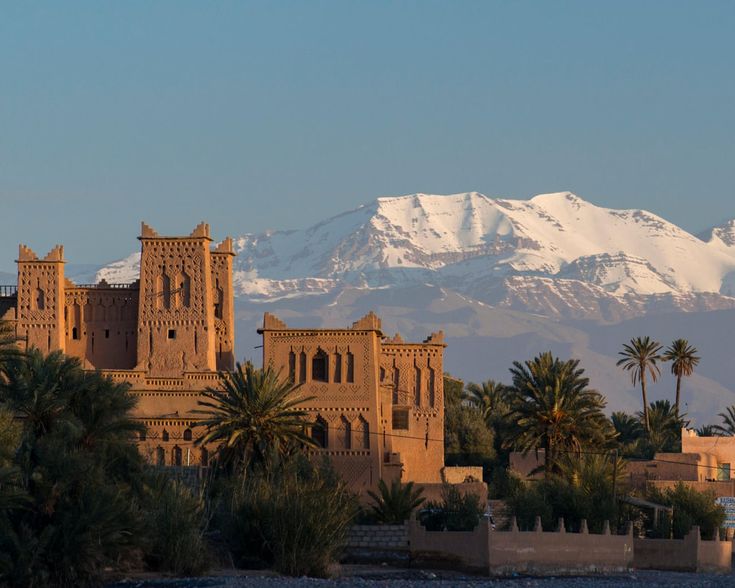
First Time in Morocco: Everything You Need to Know Before You Go
Planning your first time in Morocco? This comprehensive guide helps first-time visitors confidently plan an unforgettable journey through Morocco's cities, mountains, deserts, coastlines and culture.
Travel Snapshot for Your First Time in Morocco
Essential information at a glance for your first time in Morocco.
Best Time to Visit
Spring (Mar–May) and autumn (Sep–Nov)
Ideal Trip Length
7 to 10 days for the highlights
Currency
Moroccan Dirham (MAD)
Languages
Arabic, Amazigh, French; English in tourist areas
Visa
Visa-free for many nationalities up to 90 days
Safety
Generally safe; normal travel precautions apply
Dress Code
Modest clothing recommended in traditional areas
Transportation
Trains, buses, taxis, rental cars and domestic flights
Average Budget
$60–$200/day depending on travel style
Best Regions
Marrakech, Fes, Sahara, Atlas, Essaouira
Why Morocco Rewards the First-Time Visitor
There are countries you visit, and then there are countries that change the way you see the world. For anyone planning a first time in Morocco, it belongs firmly in the second category. From the moment you step off the plane and feel the warm, spice-scented air of Casablanca or Marrakech, something shifts. The noise, the color, the energy, the silence of the desert that you have not yet reached but somehow already feel, all of it conspires to make you forget everything you thought you knew about travel.
Morocco is unlike anywhere else on earth. It sits at the crossroads of Africa, Europe and the Arab world, and that geography is not just physical, it is cultural. You feel it in the architecture, where Berber kasbahs stand beside French colonial boulevards and ancient medinas hum with centuries of trade.
You taste it in the food, where slow-cooked tagines share a table with fresh Atlantic seafood and pastries dusted with powdered sugar. You hear it in the call to prayer that rises five times a day over the rooftops of Fes, mingling with the clatter of copper artisans and the laughter of children playing in narrow blue-washed alleyways.
What surprises most travelers on their first time in Morocco is the diversity. In a single week, you can wander through the labyrinthine medina of Fes, watch the sunset paint the Sahara dunes gold near Merzouga, hike through the snow-capped Atlas Mountains, surf the Atlantic waves in Essaouira, and lose yourself in the electric chaos of Marrakech's Jemaa el-Fna square. Few countries offer this range of landscapes, cultures and experiences within such compact geography.
And then there is the hospitality. Moroccans are among the most generous people you will ever encounter. It is not unusual to be invited for mint tea by a shopkeeper, guided through a medina by a stranger, or welcomed into a family home for a meal that stretches into hours of conversation and laughter.
This warmth is not performed for tourists. It is deeply embedded in the culture, a reflection of values passed down through generations. The result is a travel experience that feels genuinely human in a way that few destinations can match.
The food alone is worth the journey, and it is often the highlight of a first time in Morocco. Moroccan cuisine is one of the world's great culinary traditions, shaped by Berber, Arab, Andalusian and French influences. A traditional tagine, slow-cooked with preserved lemons and olives, is a revelation.
Couscous, served every Friday across the country, is not just a dish but a ritual. And the street food, from smoky grilled meats to flaky pastilla, is full of bold, memorable flavors wherever you try it. Pair it all with a glass of Moroccan mint tea and you have a food culture that rewards curiosity at every turn.
But Morocco also demands something from visitors experiencing their first time in Morocco. It asks you to slow down, to be patient, to embrace uncertainty. The medinas do not follow grid patterns. The trains do not always run on time.
The souks do not have price tags. And that, for many travelers, is precisely the point. Morocco pulls you out of your routines and into a different rhythm, one where the journey matters as much as the destination, where getting lost is often how you find the most memorable experiences, and where the best moments happen when you stop planning and simply let the country reveal itself.
This guide is designed to help you prepare for your first time in Morocco. It covers everything from practical logistics like budgeting, transportation and packing to cultural insights that will help you travel more respectfully and meaningfully. Whether you have seven days or three weeks, whether you are traveling solo, as a couple or with family, this page is your starting point for building a trip that feels effortless, enriching and entirely your own.
Morocco rewards the curious. It rewards the patient. It rewards those who arrive with open minds and leave with stories they will tell for the rest of their lives. This is your guide to making your first time in Morocco unforgettable.
Must-Visit Destinations
Every first-time visitor should experience at least a few of these extraordinary places during their first time in Morocco.
Marrakech
The Red City. Palaces, gardens, souks and the legendary Jemaa el-Fna square pulsing with life after dark.
Explore Destination →Fes
The world's largest car-free urban area. Ancient tanneries, madrasas and Morocco's deepest culinary traditions.
Explore Destination →Chefchaouen
The Blue Pearl. Blue-washed walls, mountain serenity and some of Morocco's most photogenic streets.
Explore Destination →Casablanca
Morocco's modern capital. The Hassan II Mosque, Art Deco boulevards and the pulse of contemporary Moroccan life.
Explore Destination →Rabat
The capital city. Royal palaces, the Kasbah of the Udayas and elegant coastal promenades.
Explore Destination →Merzouga
Gateway to the Sahara. Camel treks, luxury desert camps and stargazing beneath infinite skies.
Explore Destination →Atlas Mountains
Trekking, Berber villages and snow-capped peaks just hours from Marrakech.
Explore Destination →Essaouira
Windswept Atlantic charm. Fortified medina, fresh seafood and world-class kite surfing.
Explore Destination →Essential Experiences
Every first-time visitor should include at least a few of these unforgettable Moroccan experiences on their first time in Morocco.
Desert Adventures
Camel treks through the Sahara, nights under the stars in luxury desert camps and the silence of infinite dunes.
Explore →Mountain Adventures
Atlas trekking, Berber village homestays and breathtaking high-altitude passes across Morocco's dramatic peaks.
Explore →Ancient Medinas
Labyrinthine alleyways, centuries-old souks and living heritage in Fes, Marrakech and Chefchaouen.
Explore →Moroccan Cuisine
Spice markets, cooking classes, rooftop dining and the extraordinary depth of Morocco's food traditions.
Explore →Atlantic Coast
Surf towns, dramatic cliffs, seaside riads and some of Morocco's most beautiful beaches.
Explore →Moroccan Culture
Music, festivals, craftsmanship and the living traditions that define Moroccan identity.
Explore →Food Every Visitor Should Try
Moroccan cuisine is one of the world's great culinary traditions. Do not miss these essential dishes during your first time in Morocco.
Traditional Tagine
Morocco's iconic slow-cooked masterpiece, aromatic and unforgettable.
Read Guide →Moroccan Couscous
The Friday tradition. Fluffy semolina, vegetables and slow-cooked meat.
Read Guide →Rfissa
Celebratory lentil and msemen dish, rich with fenugreek and saffron.
Read Guide →Pastilla
Sweet and savory layered pastry, a crown jewel of Moroccan cuisine.
Read Guide →Harira
Morocco's beloved comfort soup, served during Ramadan and beyond.
Read Guide →Street Food
Grilled meats, msemen, snail soup and the electric flavors of the souk.
Read Guide →Kaab el Ghazal
Honey-drizzled almond gazelle horns, Morocco's most famous pastry.
Read Guide →Mint Tea
The art of Moroccan whiskey. Sweet, symbol of hospitality and daily ritual.
Read Guide →Planning Resources
Essential guides to help you plan every stage of your first time in Morocco.
Best Time to Visit
Month-by-month weather, pricing, crowds and events to help you pick the perfect travel window.
Read Guide →7-Day Itinerary
A complete week-long route through Morocco's highlights: cities, desert and mountains.
Read Guide →10-Day Itinerary
An extended journey across Morocco: imperial cities, the Sahara and the Atlantic coast.
Read Guide →Getting Around
Trains, buses, grand taxis, domestic flights and private transfers explained.
Read Guide →Budget Guide
Daily costs, accommodation tiers, food budgets and money-saving strategies.
Read Guide →What to Pack
The complete packing list for Morocco by season, activity and travel style.
Read Guide →Tips for Your First Time in Morocco
A practical checklist to make your first time in Morocco smooth and stress-free.
Money
Carry Dirhams for souks, taxis and small shops. ATMs are widely available. Budget guide.
SIM Cards
Buy a local SIM at the airport. Inwi, Maroc Telecom and Orange offer affordable tourist plans.
Transportation
Trains connect major cities. Buses and grand taxis cover the rest. Getting Around.
Dress Code
Modest clothing in medinas, rural areas and religious sites. Beach towns are more relaxed.
Language
English is common in tourist areas. Learn basic Darija greetings: Salam, Shukran, Labas.
Tipping
10–15% in restaurants. Small tips for guides, porters and hotel staff are customary.
Photography
Always ask before photographing people. Some locals expect a small tip for photos.
Safety
Generally safe. Watch for pickpockets in medinas and agree taxi fares before riding.
Shopping
Haggling is expected in souks. Start at roughly half the asking price and negotiate respectfully.
Respect
Remove shoes when entering homes. Accept mint tea when offered. Respect mosque entry rules.
Understanding Moroccan Culture
A brief guide to the customs and traditions that will enrich your first time in Morocco.
Greetings & Hospitality
Moroccans greet warmly. A handshake, a hand over the heart or a soft "Salam" goes a long way. Hospitality is sacred: accepting mint tea when offered is a sign of respect and friendship. This generosity defines the Moroccan experience.
Religion & Daily Life
Morocco is a Muslim-majority country where faith shapes daily rhythms. The call to prayer punctuates the day, and during Ramadan, the country transforms. Friday is the Islamic holy day, and some shops, offices and businesses may have adjusted hours or close around midday prayers. Visitors should be mindful of prayer times and dress modestly near mosques.
Photography Etiquette
Always ask permission before photographing locals, especially in rural areas and medinas. Some people welcome photos, others prefer privacy. A smile and a gesture asking "Permission?" is usually enough. Carrying small change for tips is appreciated.
Dress Code
Morocco is relatively relaxed, but modest dress is appreciated in traditional areas, medinas and religious sites. Covering shoulders and knees is a good rule. Beach towns and tourist resorts are more casual. Our Packing Guide covers this in detail.
Tipping & Bargaining
Tipping is customary: 10–15% in restaurants, small amounts for guides, porters and hotel staff. In souks, haggling is expected and part of the cultural experience. Approach it with good humor and respect.
Respectful Behavior
Remove shoes when entering homes or mosques. Use your right hand for greetings and eating. Avoid public displays of affection. These small gestures show respect and are deeply appreciated by your hosts.
Frequently Asked Questions
Quick, practical answers to the most common questions about a first time in Morocco.
Is Morocco safe for tourists?
Yes. Morocco is one of the safest countries in North Africa, and your first time in Morocco should feel welcoming rather than daunting. Violent crime against tourists is rare. Exercise normal precautions: watch for pickpockets in crowded medinas, agree on taxi fares before riding, and follow local guidance.
Do I need a visa?
Many nationalities can enter Morocco visa-free for up to 90 days for tourism. Always check the latest official requirements with your nearest Moroccan embassy before traveling.
Can women travel alone in Morocco?
Yes. Many women travel solo in Morocco successfully. Exercise standard precautions: dress modestly, avoid walking alone late at night in isolated areas, and trust your instincts. Major cities and tourist areas are generally comfortable for solo female travelers.
Can I drink tap water?
It is advisable to drink bottled or filtered water. It is inexpensive and available everywhere. Most hotels and restaurants serve safe drinking water.
What language is spoken?
Arabic and Amazigh are official languages. French is widely spoken. English is increasingly common in tourist areas, hotels and restaurants. Learning a few Darija phrases enhances the experience significantly.
How should I dress?
Modest clothing is recommended. Loose-fitting clothes that cover shoulders and knees work well in medinas, rural areas and religious sites. Beach towns and tourist hotels are more relaxed. See our Packing Guide.
How Many Days Do I Need for My First Time in Morocco?
Most travelers find 7 to 10 days ideal. A 7-day itinerary covers the essentials, while a 10-day trip allows for deeper exploration including the Sahara and coastal towns.
Can I travel by train?
Yes. Morocco has an efficient rail network connecting Marrakech, Casablanca, Rabat, Fes and Tangier. Trains are comfortable and affordable. For destinations beyond the rail network, buses and grand taxis are available. Getting Around guide.
Should I hire a guide?
Both independent travel and guided tours work well for a first time in Morocco. Independent travel is easy in major cities. Guided tours add value for desert treks, mountain hikes and cultural deep dives. Our Travel Tips help you decide.
Can I use credit cards?
Credit cards are accepted in hotels, upscale restaurants and larger shops. Cash (Moroccan Dirham) is essential for souks, taxis, small eateries and rural areas. ATMs are widely available in cities.
How much does Morocco cost?
Morocco suits nearly any budget. Backpackers manage on $40–$60 per day, mid-range travelers spend $100–$200, and luxury experiences start from $300+. See our Budget Guide for details.
Should I visit the Sahara Desert?
Absolutely. The Sahara is one of Morocco's most unforgettable experiences. Camel treks, desert camps and stargazing in the dunes create lasting memories. Explore our Desert Adventures page.
Should I visit Chefchaouen?
Yes, if you enjoy photography, mountain scenery and a relaxed atmosphere. The blue-washed medina is unique in Morocco. It works well as a 2–3 day stop on a northern route. Chefchaouen destination page.
What is the best itinerary for my first time in Morocco?
The classic route is Marrakech, Atlas Mountains, Sahara Desert, Fes and Chefchaouen. This covers imperial cities, mountains, desert and the Rif. Our 7-Day and 10-Day itineraries are designed for this.
Do I need travel insurance?
Travel insurance is strongly recommended for any international trip. Morocco has good private healthcare in major cities, but medical costs can be significant. Ensure your policy covers medical evacuation.
Can I drive in Morocco?
Yes. Roads are generally well-maintained. An international driving permit is recommended. A rental car gives you flexibility for the Atlas Mountains, Dades Valley and coastal towns. Getting Around guide.
What food should I try?
Morocco's cuisine is extraordinary. Start with tagine, couscous, harira and street food. Explore our complete Moroccan Cuisine page and Food Hub.
Can I use my phone in Morocco?
Yes. Buy a local SIM card at the airport from Inwi, Maroc Telecom or Orange. Data packages are affordable and provide reliable internet throughout the country.
Continue Planning Your Trip
From destinations and experiences to food and travel guides, everything you need for your first time in Morocco is here.
Marrakech
The Red City of souks, palaces and gardens
Fes
Medieval medina and culinary traditions
Chefchaouen
The Blue Pearl of the Rif Mountains
Merzouga
Sahara Desert gateway and dune camps
Essaouira
Atlantic winds and fortified coastal charm
Casablanca
Modern metropolis and the Hassan II Mosque
Rabat
Morocco's elegant capital city
Atlas Mountains
Trekking, Berber culture and alpine scenery
Desert Adventures
Camel treks, Sahara camps and starlit desert nights
Mountain Adventures
Atlas trekking, Berber villages and high passes
Ancient Medinas
Labyrinthine souks and living heritage
Moroccan Cuisine
Spice markets, cooking classes and regional flavors
Atlantic Coast
Beach towns, surf culture and ocean escapes
Moroccan Culture
Traditions, music, festivals and living customs
Traditional Tagine
Morocco's iconic slow-cooked masterpiece
Moroccan Couscous
The Friday tradition and regional variations
Rfissa
Celebratory lentil and msemen dish
Pastilla
Sweet and savory layered pastry
Harira
Morocco's beloved comfort soup
Street Food
Grills, sandwiches and market bites
Kaab el Ghazal
Honey-drizzled almond gazelle horns
Mint Tea
The art of Moroccan whiskey
Best Time to Visit
Month-by-month weather and event guide
7-Day Itinerary
A complete week in Morocco
10-Day Itinerary
An extended Moroccan adventure
Getting Around
Trains, buses, taxis and flights
Budget Guide
Costs and money-saving tips
What to Pack
Complete packing list by season
Travel Tips
Practical advice for every journey
All Travel Guides
Browse our complete guide collection
Start Planning Your First Moroccan Adventure
Your first time in Morocco is waiting. Use MoroccOdyssey's guides to plan every step of your journey with confidence, from your first steps in the medina to your last glass of mint tea in the desert.