One Day in Fes (2026): The Perfect Itinerary for Fes el-Bali, Souks & Sunset Views
Fes deserves more than a single day, but if that is genuinely all you have, you can still experience the part of the city that makes it unlike anywhere else in Morocco. The trick is not trying to see everything.
Fes el-Bali is enormous, dense and deliberately confusing. Its streets were not designed for modern sightseeing, and trying to tick off every landmark from a map can leave you spending half the day retracing your steps. This itinerary takes the opposite approach: start at Bab Boujloud, work gradually downhill through the medina, follow the historic heart of the city toward the tanneries, and finish above the rooftops at sunset.
Along the way, you will see some of Fes’s most important architecture, pass through its working souks, watch craftsmen at work, stop for Fassi food and experience the medina at different points of the day. It is not a substitute for two or three days in Fes. It is a carefully compressed introduction to the city that makes one day count.
Can You See Fes in One Day?
Yes but you need to be selective. A single day is enough to experience the core of Fes el-Bali: Bab Boujloud, Bou Inania Madrasa, the main souks, Al-Attarine Madrasa, the area around Al-Qarawiyyine, Nejjarine, Place Seffarine and the Chouara Tanneries. You can then finish with a panoramic view over the medina before dinner.
What you cannot realistically do is combine all of that with every museum, the Mellah, Jnan Sbil, a cooking class, extensive shopping and a relaxed hammam session. That is not necessarily a problem.
Fes is one of those cities where trying to maximize the number of sights can actually weaken the experience. The medina itself is the attraction. The sounds coming from workshops, the smell of freshly baked bread, copper being hammered in Place Seffarine and the sudden appearance of an elaborately carved doorway are all part of what you came to see. So think of this itinerary as a high-value first day, not a complete survey of Fes.
One Day in Fes at a Glance
Morning Enter Fes el-Bali and Explore the Medina
Start at Bab Boujloud, the easiest major entrance into Fes el-Bali, then follow Talaa Kebira downhill. Your first hours are devoted to the architectural heart of the medina: Bou Inania Madrasa, the souks and the lanes leading toward Al-Attarine and Al-Qarawiyyine.
Starting early is important. The medina becomes progressively busier as the morning develops, and an early start gives you more space to appreciate the architecture before the busiest periods.
Afternoon Architecture, Artisan Quarters & Tanneries
After the main religious and architectural landmarks, continue toward Nejjarine and Place Seffarine before stopping for lunch. The afternoon then brings you to the Chouara Tanneries, followed by a deliberately unstructured period in the medina.That buffer matters. Fes rarely goes exactly according to plan.
Evening Sunset Over the Medina and Fassi Dinner
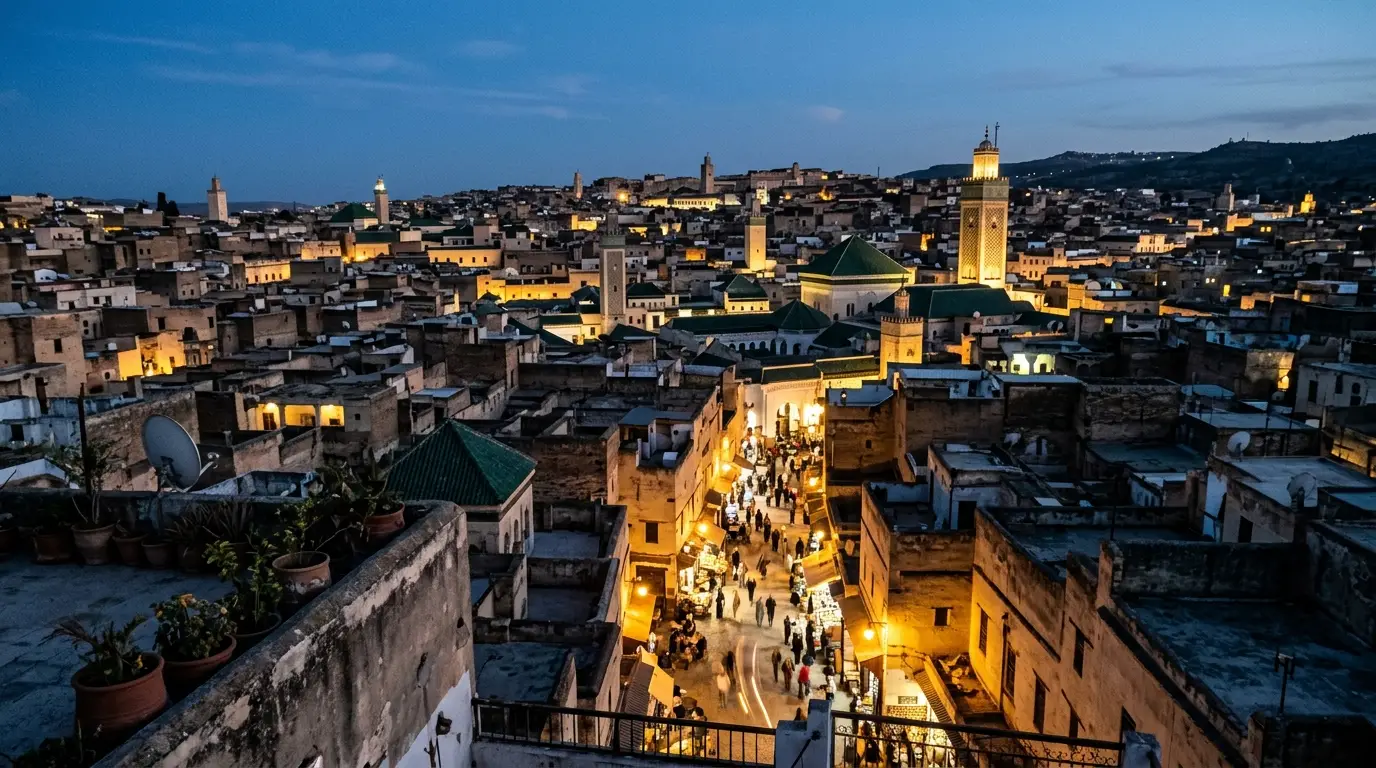
Leave the medina for a panoramic viewpoint before sunset, then return for dinner. From above, Fes finally makes sense. The maze of streets becomes a continuous sea of rooftops, minarets and historic buildings a completely different perspective from the one you experience on foot.
Your One-Day Fes Itinerary
8:30 AM Start at Bab Boujloud
Begin at Bab Boujloud, the famous blue-and-green gateway to Fes el-Bali. It is one of the city’s most recognizable landmarks, but its real value on a one-day itinerary is practical: it gives you a clear starting point and puts you directly at the western entrance to the historic medina. Take a few minutes to appreciate the gate before heading inside. Do not spend half an hour taking photographs here. You have a full day ahead.
Once through the gate, begin along Talaa Kebira, one of the principal routes through the medina. This is where Fes starts changing almost immediately. The modern city disappears behind you, the streets narrow, and the architecture becomes increasingly dense.
Time: 20–30 minutes including photographs and entering the medina.
9:00 AM Walk Talaa Kebira and Visit Bou Inania Madrasa
Follow Talaa Kebira downhill toward Bou Inania Madrasa. Built during the Marinid period in the 14th century, Bou Inania is one of Fes’s architectural highlights. Its courtyard brings together carved cedar, carved plaster, marble and zellige in a relatively compact space. This is a good first major stop because it introduces you to the architectural language that you will keep encountering throughout the day. Look closely rather than simply walking into the courtyard, taking one photograph and leaving. Notice the geometric zellige patterns around the lower walls. Look upward at the carved plaster and cedar. The craftsmanship becomes much more impressive when you slow down enough to see how many individual details are competing for your attention.
Across from the madrasa is the historic water-clock structure often associated with Dar al-Magana. Even if you do not spend time investigating it, it is worth looking across the street before continuing. Allow around 20–30 minutes here. You will have many more beautiful buildings ahead, so the goal is to appreciate Bou Inania without turning the morning into an architecture marathon.
Time: 9:00–9:30 AM.
10:00 AM Explore the Souks and Artisan Streets
Continue downhill through the souks. This is where you should stop thinking about your itinerary for a little while. Fes’s medina is not a museum frozen in time. It remains a working commercial district, with craftsmen, food sellers, shopkeepers and residents using the same streets as visitors. You will encounter leather goods, textiles, spices, metalwork, woodwork, ceramics and other Moroccan handicrafts as you move through the different quarters. You do not need to buy anything. If a workshop genuinely interests you, stop and watch for a few minutes. If a shop does not interest you, keep walking. The important thing is not to let shopping consume the day. A one-day itinerary becomes surprisingly difficult if every attractive leather bag, carpet or ceramic piece turns into a 30-minute negotiation.
Time: 9:30–10:45 AM.
11:00 AM Al-Attarine Madrasa and Al-Qarawiyyine
Continue toward Al-Attarine Madrasa. It is smaller than Bou Inania, but that is part of its appeal. Its courtyard is densely decorated, with zellige, carved plaster, cedar and a central fountain creating a much more intimate experience. The Marinid-era madrasa was built in the 14th century and sits close to the Al-Qarawiyyine complex. From here, continue toward Al-Qarawiyyine.
The mosque and university complex occupies an important place in Fes’s history and remains one of the city’s defining landmarks. UNESCO describes Fes as a major cultural and spiritual centre whose historic medina preserves monuments from several periods, particularly the Marinid era. For visitors who cannot enter the mosque itself, the surrounding streets and views through the entrances still provide a sense of the scale and importance of the complex.
Time: 11:00 AM–12:00 PM.
12:00 PM Nejjarine and Place Seffarine
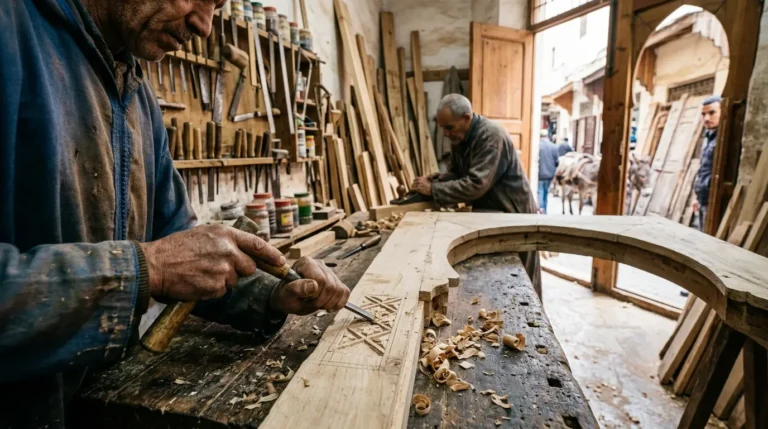
From the Al-Qarawiyyine area, continue toward Nejjarine Square. This part of the medina changes character again. The Nejjarine quarter is associated with woodworking, and the restored Nejjarine funduq houses the Nejjarine Museum of Wooden Arts and Crafts. If you are fascinated by Moroccan craftsmanship, this is one of the places where you could easily spend much longer than planned. If you care more about experiencing the medina itself, admire the funduq and square from outside and continue toward Place Seffarine. At Seffarine, the sound changes again.
Copper workers hammer trays, pots and other objects, creating one of the most distinctive soundscapes in the medina. It is a useful reminder that Fes’s traditional crafts are not simply displayed for tourists many remain part of the city’s working economy. Spend some time watching the craftsmen before lunch.
Time: 12:00–1:00 PM.
1:00 PM Lunch in the Medina
By now you will have been walking for several hours, so lunch should be a proper break rather than something you eat while standing. Choose somewhere around Nejjarine, Seffarine or the central medina rather than returning toward Bab Boujloud. That keeps the route moving forward.
Fes is one of Morocco’s strongest food cities, and lunch is a good opportunity to try something associated with Fassi cuisine rather than defaulting to the same dishes you have already eaten elsewhere in Morocco. Look for pastilla, particularly the traditional chicken-and-almond version, or choose a tagine if you want something more substantial. Harira can work well if you prefer a lighter meal.
Time: 1:00–2:15 PM.
2:30 PM Chouara Tanneries
Continue toward the Chouara Tanneries, one of Fes’s most recognizable sights. The tanneries are not simply a viewpoint with colourful vats. They are part of a traditional leather-making process that has long been associated with the city. The usual visitor experience is from one of the surrounding terraces, where you can look down over the stone vats and see the different stages of the traditional process.
Give yourself enough time to understand what you are seeing rather than taking one photograph and leaving immediately. The colourful vats are visually striking, but the more interesting part is watching the workers move between the different stages of the process. Be aware that access to viewpoints can involve commercial leather shops. You may be encouraged to look around or purchase something afterward. You are not required to buy anything.
If you are not interested, thank the seller and leave.
Time: 2:30–3:15 PM.
4:00 PM Slow Down in the Medina
This is intentionally not another attraction. Leave around an hour for the part of Fes that cannot be scheduled. After the tanneries, wander without trying to find a specific landmark. Stop for mint tea on a rooftop. Return to a souk that caught your attention earlier. Browse a small ceramics shop. Sit somewhere and watch the street. This buffer also protects the rest of your itinerary.
If you got lost for 20 minutes in the morning, spent longer than expected at lunch or found a workshop worth watching, this is the hour that absorbs the delay. If everything went perfectly, you have earned the right to slow down. One of the biggest mistakes on a one-day Fes itinerary is filling every 30-minute block with another monument. You are visiting a medieval city, not completing an obstacle course. Give yourself room to actually experience it.
Time: 4:00–5:00 PM.
5:00 PM Prepare for the Viewpoint
Start making your way out of the medina and toward your sunset viewpoint. The exact departure time should depend on the season. In summer, sunset is considerably later than in winter, so do not blindly follow a fixed clock throughout the year. The important rule is simple: Reach the viewpoint before the light becomes beautiful, not after.
5:30 PM Head to a Panoramic Viewpoint
For a classic view over Fes el-Bali, head toward the Marinid Tombs above the medina. The elevated position gives you something the streets below cannot: perspective. From inside Fes el-Bali, the city can feel like an endless collection of corridors. From the hill, the structure becomes visible rooftops packed tightly together, minarets rising through the urban fabric and the historic medina stretching across the valley. This is one of the best moments to understand the scale of the city you have spent the entire day walking through.
You can also consider another elevated viewpoint depending on your exact location and sunset conditions. The goal is not necessarily to find a secret location. It is to find somewhere above the city where you can stop moving for a few minutes. Arrive roughly 20–30 minutes before sunset when possible.
Time: Around 5:30 PM until sunset, adjusted seasonally.
7:00 PM Fassi Dinner and Evening in the Medina
Return to your accommodation or choose a restaurant for dinner. After a full day on foot, this is the time for a slower meal. Fassi cuisine is particularly known for its sophisticated use of spices and sweet-and-savoury combinations, so dinner is a good opportunity to move beyond the standard Moroccan dishes you may find throughout the country.
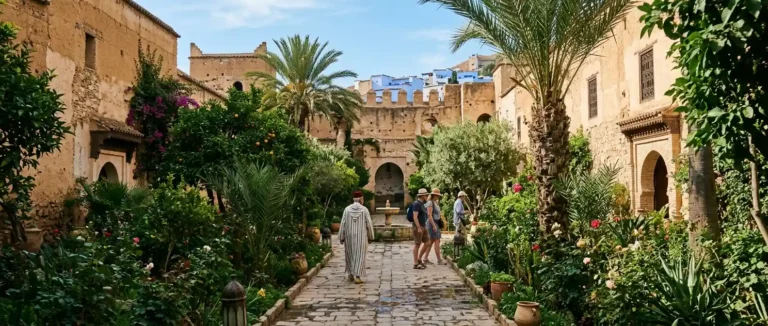
A riad restaurant can be a particularly fitting way to end the day. The contrast is striking: hours spent navigating crowded lanes followed by a quiet courtyard, tiled walls and a long Moroccan dinner. If you still have energy afterward, take a short evening walk around the medina rather than attempting another major attraction.
The day is already complete.
Time: From around 7:00 PM onward, depending on the season.
The Best Route for One Day in Fes
Why This Route Works
The route is built around direction rather than distance. You begin at Bab Boujloud and gradually work your way through the historic core instead of visiting one attraction on the western side of the medina, jumping to the opposite side, then returning again. That matters in Fes. The medina’s network of interconnected lanes can make a short distance feel much longer, particularly when you are navigating for the first time.
The approximate progression is: Bab Boujloud → Bou Inania → Talaa Kebira → Souks → Al-Attarine → Al-Qarawiyyine → Nejjarine → Seffarine → Chouara Tanneries → Viewpoint
It is not a perfectly straight line. But it avoids the most frustrating mistake: repeatedly climbing back toward somewhere you have already passed.
What to Skip When You Only Have One Day
A one-day itinerary requires saying no.
The Mellah, Dar Batha Museum, Jnan Sbil Gardens and a cooking class are all legitimate additions to a longer Fes visit, but forcing them into this itinerary would leave you rushing through the medina. If you are particularly interested in Jewish-Moroccan history, gardens or museums, you can replace one of the stops above. Otherwise, keep them for another day.
How to Get Around Fes in One Day
Walking Through Fes el-Bali
Inside the historic medina, walking is the experience. Cars cannot simply take you from monument to monument through the narrow pedestrian lanes, and trying to recreate a modern sightseeing route inside Fes would defeat the purpose. Wear proper walking shoes. The streets can be uneven, and the route includes stairs, slopes and long periods on your feet.
Do not judge distances purely by the number of kilometres. A route that looks short on a map can take significantly longer once you account for crowds, photographs, stopping at shops and navigating junctions.
When a Licensed Guide Is Worth It
A guide can make a meaningful difference when you only have one day. That is particularly true if this is your first visit. The advantage is not simply historical information. A good local guide already knows how the medina connects, which entrance to use, where a particular landmark is located and how to avoid wasting time. You also gain context that you would probably miss while navigating alone. However, independent travel is completely possible.
If you prefer exploring without a guide, download an offline map before entering the medina and save your accommodation location. More importantly, accept that getting slightly lost is part of the experience.
Using Taxis Outside the Medina
Use taxis for the parts of the itinerary where walking would be inefficient. The most obvious example is the journey toward the panoramic viewpoints above the medina. There is little value in spending a large part of your final afternoon walking uphill when you could spend that time exploring Fes itself. For taxis, confirm the destination and fare arrangement before setting off, and leave enough time to account for traffic.
What to Eat During One Day in Fes
Fassi Dishes Worth Trying
If you only have one day, food deserves a deliberate place in the itinerary. Start with pastilla, one of the dishes most closely associated with Fassi cuisine. The traditional version combines delicate pastry with a filling that balances savoury meat, almonds, spices and a touch of sweetness. For dinner, consider a Fassi-style tagine, perhaps one based around preserved lemon and olives or a sweet-and-savoury preparation with prunes and almonds. You can also try harira if you want something lighter.
Do not feel obligated to eat every famous Moroccan dish in one day. You are better off having two or three good meals than rushing through five different food stops.
Where to Fit Lunch and Dinner Into the Route
Lunch belongs in the medina. Nejjarine and Seffarine are convenient points because they keep you moving in the direction of the tanneries rather than forcing you back toward Bab Boujloud.
Dinner is different. After the viewpoint, eat somewhere convenient to your accommodation. If you are staying in a riad inside or near the medina, a nearby dinner makes sense. If you are staying in the Ville Nouvelle, use a taxi rather than adding another long walk at the end of an already demanding day.
Practical Tips for a One-Day Fes Trip
What to Wear and Bring
-Wear comfortable shoes with good grip.
-Bring a small amount of cash for smaller purchases, snacks and places that may not accept cards.
-A portable charger is also useful. A phone becomes much more valuable when you are using it for maps, translation, photographs and communication throughout the day.
-Dress comfortably and respectfully, particularly around religious sites.
-You do not need special hiking equipment. You do need clothes and shoes that you can comfortably wear for several hours.
How to Avoid Losing Time in the Medina
Do not constantly check your phone every few minutes. Instead, use the major routes and landmarks as reference points. Talaa Kebira is particularly useful early in the itinerary because it gives you a recognizable spine through the northern part of the medina. Save your accommodation and several key landmarks offline before entering. And resist the temptation to chase every interesting side alley.
What to Know About Photos, Shops and Touts
Fes is a working city, not an open-air film set. Ask before photographing people closely, particularly craftsmen working inside workshops. If someone offers to guide you somewhere or tells you that a particular street is closed, do not automatically follow them. Politely declining unsolicited offers is often enough. Likewise, if you enter a shop simply to look, make that clear. You are allowed to browse without buying. The best souvenir from a one-day visit is not necessarily the largest shopping bag.
What to Do With Your Luggage
If you are arriving in Fes in the morning and leaving that evening, arrange luggage storage before beginning the itinerary. Your accommodation may be able to hold your bags before check-in or after check-out, but confirm this in advance. If you are staying outside the medina, ask whether they can arrange a convenient drop-off point. Do not carry a large suitcase through Fes el-Bali unless you absolutely have to. The medina is much easier to experience with a small day bag.
One Day in Fes: Frequently Asked Questions
Is one day enough for Fes?
One day is enough for a strong first introduction to Fes, particularly if your priority is Fes el-Bali. You can see Bab Boujloud, Bou Inania, the main souks, Al-Attarine, the area around Al-Qarawiyyine, Nejjarine, Place Seffarine, the Chouara Tanneries and a panoramic viewpoint. It is not enough to experience every side of the city. If you have two or three days, you can slow down considerably and add places such as the Mellah, Jnan Sbil, museums and other neighbourhoods.
What should I not miss in Fes in one day?
Prioritize Bou Inania Madrasa, the medina itself, Al-Attarine and the area around Al-Qarawiyyine, Chouara Tanneries and a panoramic sunset view. If you have to cut something because of time, cut secondary museums or shopping rather than rushing through the central medina.
Can you walk around Fes in one day?
Yes. In fact, walking is the best way to experience Fes el-Bali. Expect several hours on your feet, however. Comfortable footwear is not optional. The route above deliberately uses taxis only when leaving the medina for the elevated viewpoint.
What time should I start exploring Fes?
Start around 8:30 or 9:00 AM if possible. An early start gives you more time before the medina becomes busier and leaves room for delays later in the day. It also gives you a better chance of experiencing the early rhythm of the souks before the day reaches its busiest pace.
Is Fes better for one day or two days?
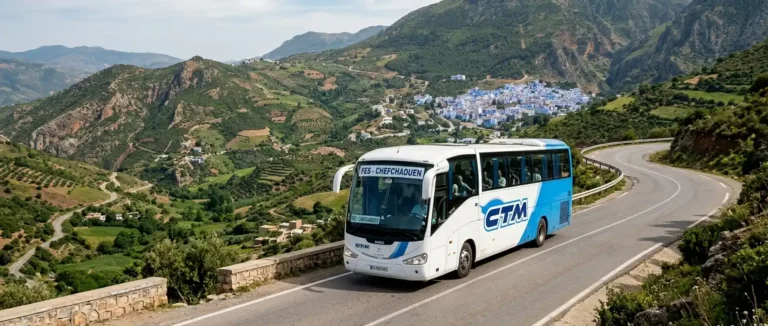
Two days is better if you have the choice. Three days is even better for travellers who want to combine the medina with museums, gardens, the Mellah, food experiences and a slower pace. But that does not make one day a bad idea. If Fes is a stop between Marrakech, Chefchaouen, Meknes or another Moroccan destination, a carefully planned day can give you a genuine taste of the city. The mistake is not visiting Fes for one day. The mistake is trying to experience three days of Fes in eight rushed hours. A good one-day itinerary should leave you wanting to return not feeling as though you spent the entire day chasing a checklist.
Can You Do Fes in One Day Without a Guide?
Yes. The city is not impossible to navigate independently, although it demands more patience than many Moroccan destinations. The key is to distinguish between getting lost for five minutes and losing an hour. A wrong turn is normal. Constantly changing your destination is what creates problems. Follow the itinerary in broad stages rather than obsessing over exact turns. If you miss a small alley or arrive at a different junction, adjust and continue toward the next major landmark.
An offline map is useful, but do not expect GPS to solve every problem inside the medina. Buildings can interfere with location accuracy, and the narrow lanes can make orientation difficult. This is where a guide can be especially valuable on a one-day visit: not because independent travel is impossible, but because your time is limited. If you enjoy discovering cities independently, go alone. If you have only one day and want the history, architecture and context without spending time figuring out the route, a licensed guide can be a worthwhile addition.