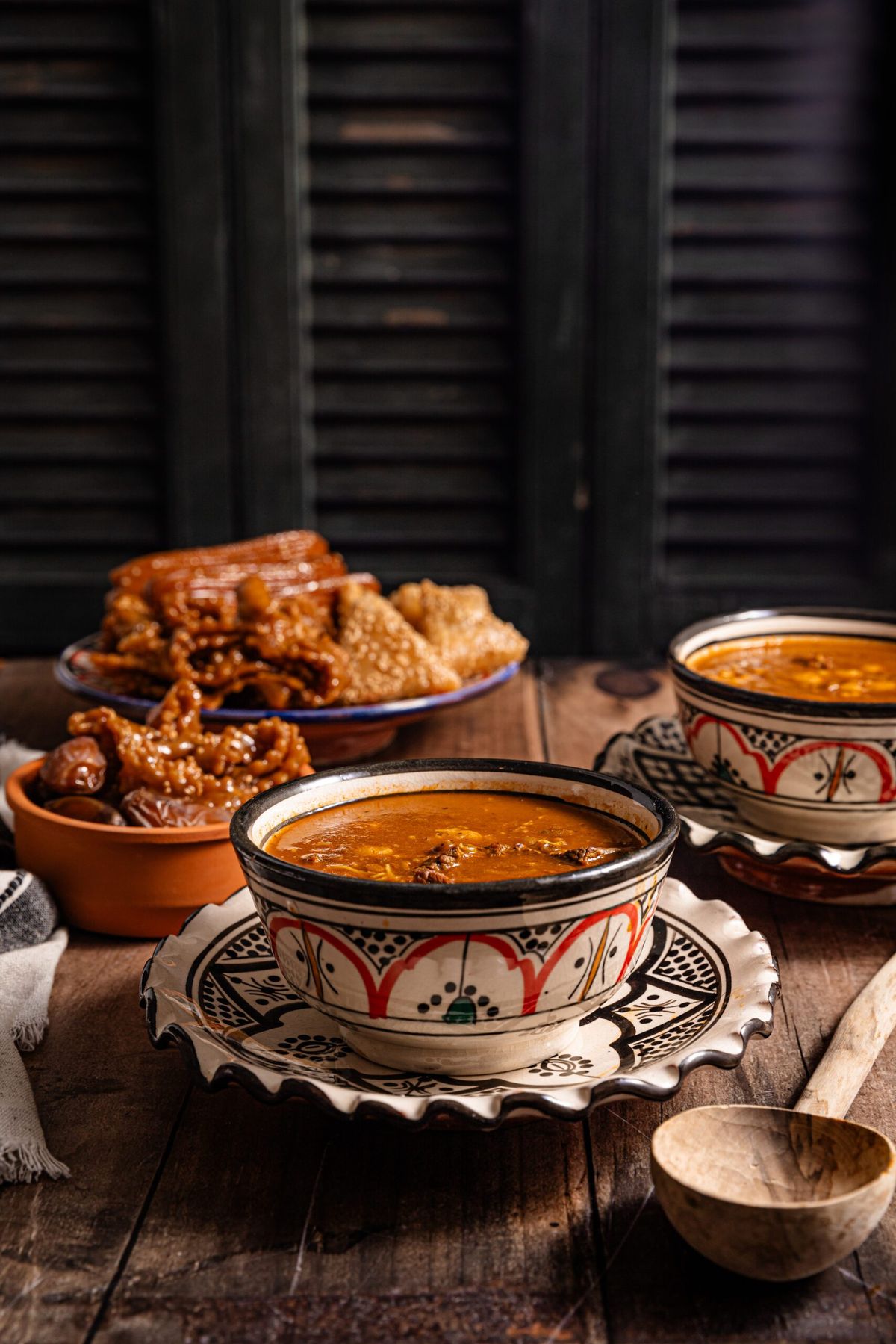
Harira: Morocco’s Beloved Traditional Soup
One of Morocco’s most comforting and culturally significant dishes, Harira is a rich, hearty soup enjoyed throughout the year and especially during Ramadan. This is the definitive guide to experiencing it.
Discover HariraHarira at a Glance
Essential information for experiencing one of Morocco’s most cherished soups.
Why This Traditional Soup is the Soul of Moroccan Hospitality.
In a country celebrated for its tagines, couscous and Pastilla, there is a soup that holds a uniquely intimate place in Moroccan daily life. This traditional Moroccan soup is not a dish of royal courts or elaborate celebrations. It is the food of the home, of the family, of the everyday. And yet, it is also the dish that defines Ramadan, the most sacred month in the Islamic calendar. This duality—humble yet sacred, simple yet profound—is what makes this soup one of the most important dishes in Moroccan cuisine.
This classic Moroccan recipe is a rich, tomato-based soup built on a foundation of lentils, chickpeas, herbs and spices. In its most traditional form, it includes small amounts of lamb or beef, though many versions are entirely vegetarian. The base is a vibrant blend of tomatoes, celery, coriander, parsley and spices including ginger, turmeric, cinnamon and pepper. The soup is thickened with ferkha (a traditional flour paste) or egg, giving it a velvety, slightly creamy consistency. The result is a dish of extraordinary depth—hearty, aromatic, comforting and deeply satisfying.
The historical roots of this dish stretch back centuries, with influences from Amazigh, Arab and Andalusian culinary traditions. The combination of legumes, tomatoes and spices reflects the broader Mediterranean diet, while the specific preparation methods are uniquely Moroccan. Each family has its own recipe, passed down through generations, and these recipes are a source of great pride and identity.
Harira’s association with Ramadan is perhaps its most famous characteristic. During the holy month, this iconic dish is used to break the fast at sunset. After a day of fasting, the first sip of this comforting soup—warm, rich and nourishing—is a moment of profound relief and gratitude. But it is not only a Ramadan dish. Throughout the rest of the year, it appears in homes, cafés and restaurants as a beloved everyday comfort food, especially during the cooler months.
What makes Harira truly special is its role as a symbol of hospitality. In Moroccan culture, offering this soup to a guest is an act of warmth and welcome. It is the dish that appears at family gatherings, after funerals, during celebrations and on ordinary weeknights when a family wants to feel nourished and connected. To eat this dish in Morocco—whether in a family home, a bustling café in Marrakech or a neighbourhood kitchen in Fes—is to taste the soul of Moroccan everyday life.
Six reasons this soup holds a unique place in Moroccan life.
More than a soup, it is a tradition, a comfort and a gesture of love.
Ramadan Tradition
This soup is the traditional dish used to break the fast at sunset during Ramadan. After a day of fasting, the first sip of this warm, rich soup is a moment of profound relief and gratitude.
Family Gatherings
It appears at every family gathering—celebrations, funerals, reunions and ordinary weeknights. It is the dish that says “you are welcome” without a single word being spoken.
Regional Recipes
Every family and every region has its own version. Some are thicker, some lighter, some more heavily spiced. These variations are a source of great pride and identity across Morocco.
Fresh Ingredients
The recipe is built on fresh tomatoes, coriander, parsley, celery, lentils and chickpeas. The quality of these simple ingredients defines the depth and character of the soup.
Rich Flavours
The combination of ginger, turmeric, cinnamon, pepper and fresh herbs creates a warm, complex flavour profile that is both comforting and deeply satisfying.
Daily Comfort Food
Unlike most Moroccan dishes that mark special occasions, this comforting soup is everyday food. It is the soup Moroccans crave on cold evenings, the dish that warms the body and soothes the soul.
The best cities for authentic Harira.
This traditional soup is found throughout Morocco, but each city offers its own distinctive interpretation.
Marrakech
The Red City offers some of Morocco’s most vibrant experiences with this soup. From street stalls near Jemaa el-Fnaa to family-run restaurants in the medina, Marrakech’s versions are rich, aromatic and deeply satisfying.
Fes
The culinary capital of Morocco. Fes is renowned for the most refined traditions surrounding this dish, where family recipes dating back generations are still faithfully followed in the heart of the medina.
Rabat
The capital’s version reflects the city’s sophisticated culinary traditions. The restaurants near the Kasbah serve elegant versions with careful attention to balance and presentation.
Casablanca
Morocco’s largest city offers both traditional and contemporary takes on this recipe. The cafés and restaurants throughout the city serve excellent versions year-round, not just during Ramadan.
Chefchaouen
The Blue Pearl offers a rustic, mountain-style version reflecting strong Amazigh traditions. The portions are generous, the flavours earthy and the atmosphere unforgettable.
Essaouira
Coastal Essaouira brings a seafood dimension to this classic Moroccan recipe. Fresh fish and shellfish sometimes replace the traditional meat, creating a lighter, Mediterranean-influenced version.
A soup that unites a nation during Ramadan and beyond.
In Morocco, the sound of the adhan (call to prayer) at sunset during Ramadan triggers a nightly ritual that unfolds in every home, every café and every neighbourhood across the country. The first thing that touches the lips after a day of fasting is a bowl of Harira. This nightly tradition has been observed for centuries and remains one of the most powerful expressions of Moroccan cultural identity.
The breaking of the fast (known as ftour) is a moment of profound communal significance. Families gather around the table, and the eldest member may say a prayer before anyone eats. The soup is served alongside dates, chebakia (honey-coated sesame pastries) and hard-boiled eggs. It is eaten slowly, reverently, as the body adjusts to nourishment after hours of deprivation. The warmth of this comforting dish, both physical and emotional, is the defining memory of Ramadan for millions of Moroccans.
But Harira’s role extends far beyond Ramadan. It is the ultimate expression of Moroccan hospitality. When a guest arrives unannounced, it is the first thing offered. After a funeral, it is distributed to neighbours and mourners. During celebrations, it opens the meal. It is the dish that says “you are not alone” and “you are welcome here.”
Family meals built around this soup are a cornerstone of Moroccan daily life. On cool evenings, the aroma of it simmering on the stove fills the house, drawing family members together. The soup is served with khobz (bread) for dipping, and the meal is eaten communally from a shared tureen. This simple act of sharing a bowl of soup is one of the most intimate expressions of family bonding in Moroccan culture.
In daily life, Harira serves as the great equaliser. Rich and poor, young and old, urban and rural—everyone eats it. It is sold in cafés for a few dirhams, prepared in home kitchens with whatever ingredients are available, and served at the grandest celebrations. This universality is what makes this dish the true people’s food of Morocco.
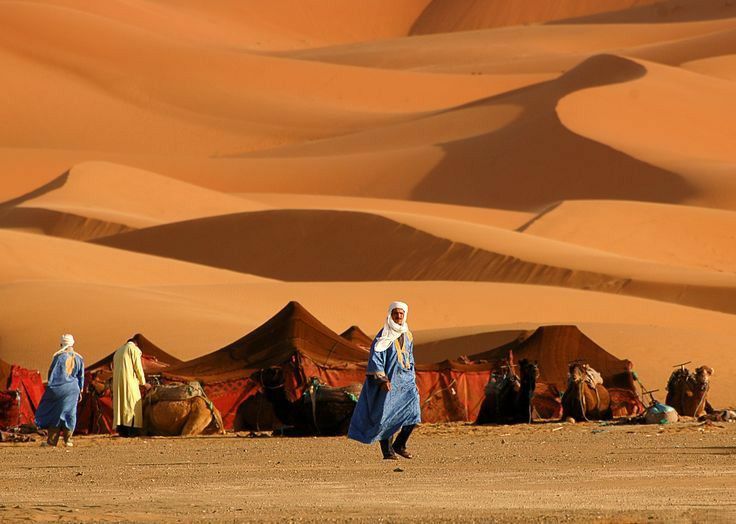
How This Traditional Soup Differs Across Morocco.
Like every Moroccan dish, this recipe changes from region to region, reflecting local ingredients, climate and cultural influences.
The Imperial Cities—Marrakech, Fes, Meknes and Rabat—produce the most refined versions. The version from Fes is considered the gold standard—a perfectly balanced soup with a velvety consistency, where no single ingredient dominates. Marrakech’s versions tend to be slightly spicier and more robust.
The Atlas Mountains produce a heartier, simpler version. Amazigh families prepare it with local lamb, wild herbs and whatever vegetables are available. The mountain versions tend to be thicker and more concentrated, reflecting the need for warming, sustaining food in cooler climates.
Northern Morocco—around Chefchaouen and Tetouan—shows Andalusian influence in its version of the soup, with more refined spice blends and sometimes a lighter consistency that reflects the region’s Mediterranean heritage.
The Atlantic Coast brings seafood into the equation. Essaouira and other coastal cities sometimes prepare the soup with fresh fish and shellfish, creating a lighter, Mediterranean-influenced version that is distinct from the inland traditions.
Southern Morocco—the regions bordering the Sahara—produces a spicier, more concentrated version. The sauce is thicker, the spices more pronounced, and the dish is often served with additional chilli for those who prefer more heat.
How to enjoy this comforting soup like a local.
Understanding the rituals around it deepens your appreciation of this comforting dish.
Traditional Accompaniments
This soup is served with dates, chebakia (honey-coated sesame pastries) and hard-boiled eggs. These accompaniments are especially important during Ramadan.
Bread for Dipping
Khobz (Moroccan bread) is essential. Tear pieces and dip them into the soup, or crumble them directly into the bowl. The bread absorbs the rich broth beautifully.
Home-Cooked Tradition
This dish is at its best when home-cooked. If invited to a Moroccan home for a bowl, accept immediately—it is a rare honour and a deeply personal experience.
Tea Afterwards
Mint tea follows the meal, extending the warmth of the gathering and aiding digestion. The sweetness of the tea complements the savoury soup beautifully.
A Moroccan Harira meal is a communal ritual. The soup is served in a large tureen at the centre of the table, and everyone helps themselves. The dates and chebakia are arranged alongside, and the khobz is broken into pieces for dipping. This simple, elegant arrangement is one of the most iconic images of Moroccan food culture.
The consistency of this soup varies from family to family. Some prefer it thick and hearty, almost like a stew. Others favour a lighter, more broth-like consistency. The traditional thickening method uses ferkha—a paste made from flour and water—which gives the soup its characteristic velvety texture. Some cooks use beaten egg instead, creating ribbons of cooked egg throughout the soup.
Side dishes are deliberately simple. The dates provide natural sweetness. The chebakia offers a crunchy, honey-coated contrast. The hard-boiled eggs add protein and richness. Together, these accompaniments create a complete, balanced meal that is both nourishing and deeply satisfying.
Restaurant etiquette is relaxed. This dish is widely available in cafés and restaurants throughout Morocco, especially during Ramadan. In traditional establishments, it is often served from a large pot at the front of the restaurant, and you can watch it being ladled into bowls. Tipping 10–15% is customary.
The atmosphere surrounding this comforting soup is warm, generous and unhurried. Whether you are eating in a family home, a neighbourhood café in Marrakech or a traditional restaurant in Fes, the experience connects you to the rhythm of Moroccan everyday life.
Everything you need to know before ordering.
Common questions about Harira.
What is Harira?
Harira is a traditional Moroccan soup made with tomatoes, lentils, chickpeas, herbs and spices. It is one of Morocco’s most beloved dishes, enjoyed year-round and especially during Ramadan.
Is Harira only eaten during Ramadan?
No. While it is closely associated with Ramadan and breaking the fast, it is enjoyed throughout the year as a beloved everyday comfort food, especially during cooler months.
Is Harira vegetarian?
This traditional soup often includes small amounts of lamb or beef, but vegetarian versions are widely available and equally delicious. Many families prepare it without meat as their default.
What does Harira taste like?
It has a rich, tomato-based flavour with warm spices (ginger, turmeric, cinnamon), fresh herbs (coriander, parsley) and the earthy taste of lentils and chickpeas. It is hearty, aromatic and deeply comforting.
Where should I try authentic Harira?
Marrakech and Fes offer the most vibrant experiences with this soup. During Ramadan, it is available everywhere, from cafés to family homes.
Is Harira served year-round?
Yes. It is available in cafés and restaurants throughout the year, though it is most abundant and celebrated during Ramadan.
What is traditionally eaten with Harira?
It is served with dates, chebakia (honey-coated sesame pastries), hard-boiled eggs and khobz (bread). These accompaniments create a complete, balanced meal.
Is Harira spicy?
It has warm spices (ginger, turmeric, cinnamon, pepper) but is generally not fiery. The flavours are complex and aromatic rather than hot.
Can tourists find Harira easily?
Yes. This comforting soup is one of the most widely available Moroccan dishes. It is served in cafés, restaurants and street stalls throughout the country, making it easy for travellers to experience.
Why is Harira important in Morocco?
This iconic dish symbolises hospitality, family togetherness and Moroccan cultural identity. It is the dish that breaks the fast during Ramadan, welcomes guests and brings families together around the table.
How is Harira different from tagine?
Tagine is a slow-cooked stew served in its clay pot. This dish is a tomato-based soup with lentils and chickpeas. They are entirely different dishes with different cultural roles, though both are Moroccan staples.
What is chebakia?
Chebakia is a traditional Moroccan pastry made from strips of dough that are fried, then coated in honey and sesame seeds. It is the classic accompaniment to this soup during Ramadan.
Experience Morocco One Bowl at a Time.
Every bowl of Harira carries the warmth of Moroccan hospitality, the comfort of family tradition and the richness of centuries-old flavours. From the street cafés of Marrakech to the home kitchens of Fes, Harira connects you to the soul of Moroccan everyday life. Begin your culinary journey today.