Rabat to Chefchaouen: 7 Clever Ways to Save Time and Money
The journey from Rabat to Chefchaouen takes you from Morocco’s calm, tree-lined capital to a blue-washed mountain town in the Rif. It is about 245 kilometres on the map, and it is one of those trips where the cheapest ticket and the best plan are not always the same thing. Chefchaouen is small, steep and hard to reach by anything except road, and the way you arrive shapes the rest of your stay.
Three options cover nearly every traveler: a bus, a rental car and a private transfer. They trade off budget, convenience and flexibility in different ways. The bus is the cheapest, though services on this route are limited. A car costs more but lets you stop. A private transfer sits in between, particularly for groups who can share the price.
This guide covers transport choices, booking advice and practical ways to avoid unnecessary expenses on the Rabat to Chefchaouen route. Exact schedules, fares and journey times change with the operator and the season, so treat the figures as estimates and confirm the details directly with the provider before you book. For a wider view of how transport works across the country, see our Getting Around Morocco guide.
1. Compare Bus, Car and Private Transfer Prices for Rabat to Chefchaouen
The advertised fare is only part of what a journey costs. Compare the total cost of each option, including fuel, tolls, transfers to and from stations and parking where they apply. A ticket that looks cheap can lose its advantage once you add a taxi at each end, and a car that looks expensive can work out well for a group.
Bus: Keep Transport Costs Low
The bus is the cheapest way to go. Recent route listings show CTM operating a direct service, with fares of roughly 100 to 200 dirhams and a journey of around five hours. Prices change, so check the current fare with the operator.
The savings are real, but so are the limits. Departures are infrequent, you follow a fixed schedule, and you still need to get to the station in Rabat and from the station in Chefchaouen to your accommodation.
Rental Car: Pay for Flexibility
A rental car costs more, since you pay for the daily rate, insurance, fuel, motorway tolls and parking. What you buy in return is control over your timing and the chance to stop on the way. Driving takes roughly three and three-quarter hours without breaks, according to route estimates.
A one-way rental, collected in Rabat and returned elsewhere, may carry a drop-off fee, so ask for the total price before you book.
Private Transfer: Share the Cost if Traveling in a Group
A private transfer is priced per vehicle, not per person. For a solo traveler it is the most expensive choice, but for three or four people the cost per head can come close to bus tickets plus station taxis, with far more comfort. The driver collects you from your accommodation in Rabat and takes you to the edge of the old town in Chefchaouen.
Ask what the price includes, such as luggage, waiting time and stops, and get the full amount in writing. For wider budgeting context, our Morocco Budget Guide gives an overview of typical transport spending.
2. Check Direct Bus Services Before Planning Your Rabat to Chefchaouen Day
Before you build a day around the bus, confirm what actually runs. Route listings currently show a single direct CTM departure a day between the two towns, and a service like that leaves little room for error. Check each of the following with CTM before you commit:
- Departures from Rabat. Confirm the current time, the station and whether the service runs on your date.
- Whether it is direct. A direct bus is faster and simpler, while a connection adds waiting time and risk. Confirm how long the scheduled journey takes, since published durations are around five hours.
- Arrival arrangements in Chefchaouen. Ask where the bus stops and how far that is from your accommodation.
- Operators, ticket conditions and luggage allowances. Compare what each ticket allows on changes, refunds and bags in the hold.
Because departures are limited, book ahead when you can. A full bus on a single daily service can force you to change your whole plan. If you want to compare other ways of moving between cities, How to Travel Between Morocco’s Major Cities covers the main options.
3. Choose Departure and Arrival Points That Save Time
Where you board and where you get off often matter more than the fare. A few minutes of checking can save you an hour on the day.
Find the Correct Departure Station in Rabat
Rabat has more than one transport hub, and a bus ticket is only useful if you go to the right one. Check the exact station or pickup location on your booking, and ask your accommodation how long it takes to reach it by taxi. Allow time to arrive early, since a long-distance bus does not wait for latecomers.
Plan Your Transfer from the Chefchaouen Bus Station
The bus station in Chefchaouen sits outside the old town, and the medina lies a short distance away, uphill. With light luggage you may be able to walk, but with large bags a taxi is easier. Account for this final transfer in your time and budget, and check how much a short taxi ride costs before you set off.
Ask your riad whether it can advise on access and luggage handling. The medina’s lanes are narrow and steep, and many guesthouses can suggest the best drop-off point or arrange for someone to help with bags. If you are still planning your stay, our Chefchaouen destination guide covers where to stay and what to see.
4. Know When Renting a Car Is Worth the Extra Cost
A car makes sense only when you will use what it offers. Before you book, work through the numbers.
Compare the rental price with the cost of bus tickets for your whole group. For one or two people, buses nearly always win. For a family or group of four, the gap narrows once you split the rental, the fuel and the tolls.
Add every cost: the daily rate, insurance, fuel, motorway tolls on the main road, and parking at both ends. Parking in Chefchaouen is usually outside the medina, so allow for that, and for the walk with your bags.
Consider a car if you plan to visit other places along the way, or if your trip continues around the north. It can also help if the single daily bus does not fit your schedule.
Avoid renting solely for this journey without weighing the added expense and driving time. A car that sits parked for two days in Chefchaouen is an expensive way to cover 245 kilometres.
5. Avoid Expensive Last-Minute Decisions
Most unnecessary costs come from deciding late. A few habits prevent them.
Check schedules and fares before finalizing accommodation. If the only direct bus leaves at a fixed time, your check-out day and your hotel booking should fit around it, not the other way around.
Compare cancellation and change conditions. A cheaper ticket may be non-refundable, and a rental may charge for changes. Read the terms before you pay.
Confirm private transfer inclusions and the full price. Ask whether the quote covers luggage, waiting time, tolls and the drop-off point, and get the answer in writing.
Avoid paying for unnecessary tours. Some offers bundle transport with a guided day, and the price rises accordingly. If you only need to get from one town to the other, choose a bus or a plain transfer.
Booking early also gives you more choice. A traveler who buys a seat a few days ahead has options that a last-minute buyer does not.
6. Plan Around the Rif Mountains and Realistic Rabat to Chefchaouen Travel Times
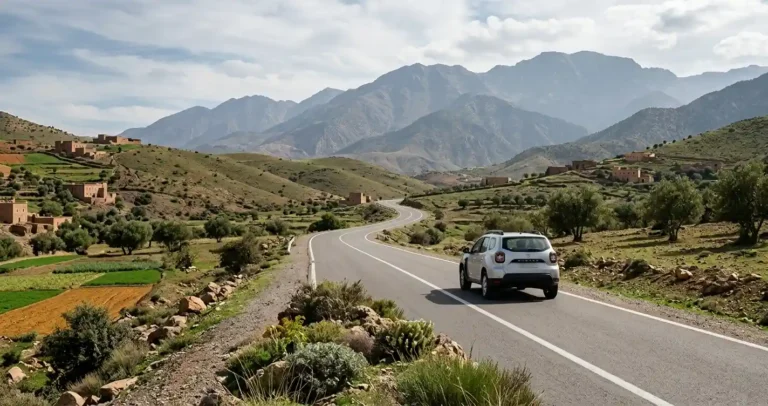
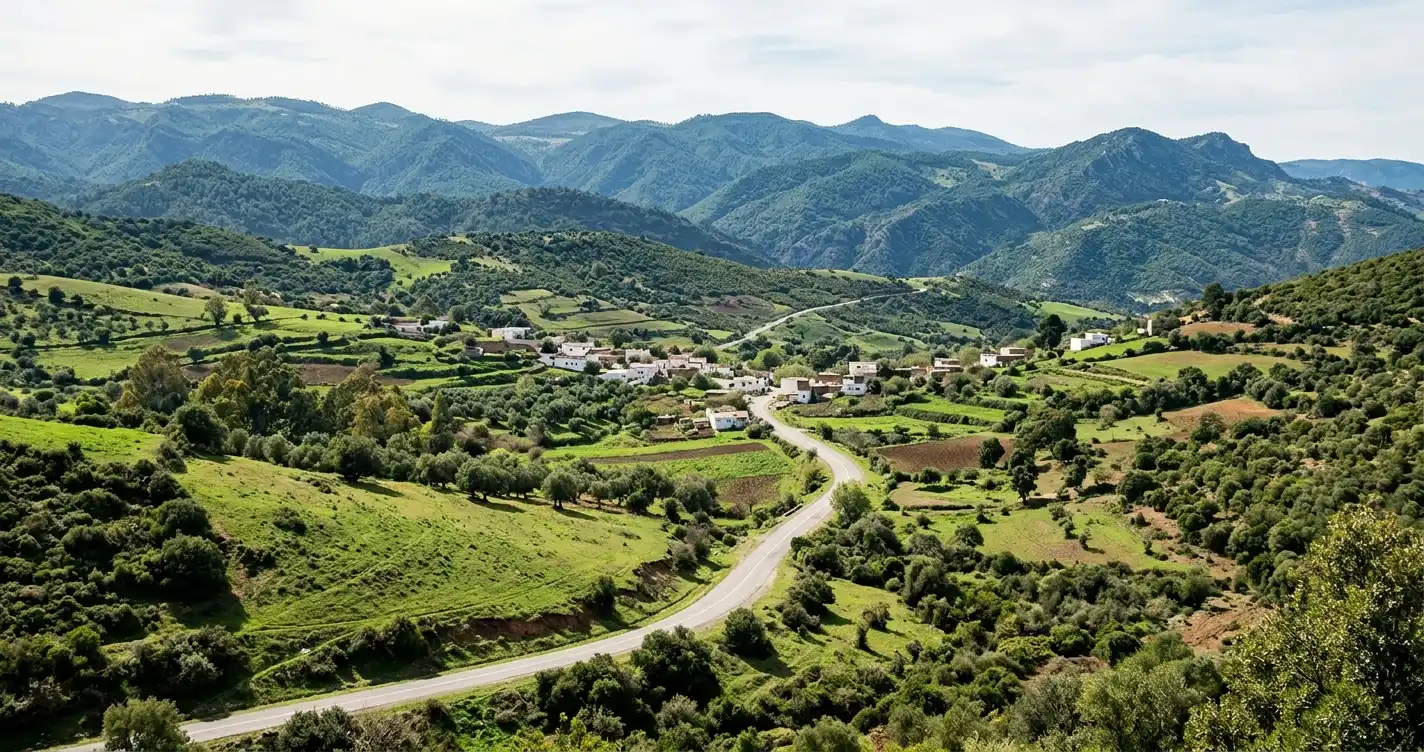
Road distance alone does not tell you how long the trip will take. Route estimates put the drive at roughly three and three-quarter hours, but the last part of the route climbs into the Rif Mountains, where roads are slower and more winding. Buses are scheduled at around five hours, once you add stops.
Allow for:
- Traffic around Rabat and on the motorway sections
- Rest and meal breaks
- Slower speeds on mountain roads, where trucks and bends reduce pace
- The transfer from the bus station or car park to your accommodation
Check conditions before driving. Rain and fog are more common in the mountains than on the coast, and they reduce visibility, so check the forecast with Morocco’s national weather service. Avoid driving the final stretch after dark, particularly if you do not know the road.
Avoid tight onward connections, and do not schedule a full activity immediately after you arrive. A realistic plan treats the day as a travel day, with a relaxed evening in the blue lanes rather than a booked tour.
7. Make the Rabat to Chefchaouen Journey Part of a Smarter Morocco Route
Chefchaouen works best when it fits naturally into your wider itinerary. Before you book, ask whether the town belongs on your route and how you will leave it.
Compare the time and cost of visiting from Rabat with combining Chefchaouen with other northern destinations, such as Tangier, Tetouan or Fes. A trip that links several northern stops may save a long return journey. If you are traveling onward, plan the next leg before booking transport, and check onward bus options with CTM, since services from Chefchaouen are limited.
Avoid unnecessary backtracking simply to return to a previous city. If your next stop lies north or east, traveling onward from Chefchaouen is usually cheaper and quicker than going back to Rabat first. For help ordering your stops, How to Plan a Morocco Route: 9 Smart Ways to Save Time covers itinerary planning in more detail.
Frequently Asked Questions
What is the cheapest way to travel from Rabat to Chefchaouen?
The bus is usually the cheapest option. Route listings show CTM operating a direct service, with fares of roughly 100 to 200 dirhams, though prices change, so confirm with the operator. Add the cost of getting to the station in Rabat and from the station in Chefchaouen to your accommodation, since these taxi rides can add up. For groups, a private transfer may work out close in price per person, so compare the total cost of each option, not just the ticket. Book early, because services on this route are limited.
Is there a direct bus from Rabat to Chefchaouen?
Route listings show a direct CTM bus, usually described as running once a day. A single daily departure leaves little flexibility, so check the current time, the departure station and whether it operates on your date before you plan around it. Timetables change with the season and on holidays, and older listings may be out of date. Confirm the details with CTM directly, and book ahead if you can. If the service does not suit your plans, a private transfer or rental car is the main alternative.
How long does the journey take?
By car or private transfer, driving takes roughly three and three-quarter hours without stops. By bus, scheduled journeys are around five hours. Door-to-door time is longer, since it includes getting to the Rabat departure point, waiting, breaks and the ride from the Chefchaouen bus station to your accommodation. The last stretch climbs into the Rif Mountains, where roads are slower, so avoid tight connections or bookings immediately after you arrive. Check the current schedule with the operator for your date.
How much does it cost to travel from Rabat to Chefchaouen?
A bus ticket typically falls in the range of 100 to 200 dirhams, according to recent listings. A rental car adds the daily rate, insurance, fuel, motorway tolls and parking, and a private transfer is priced per vehicle. Include the taxi at each end when you compare options. Prices vary with the season and the operator, so ask for current quotes and a written list of inclusions. For a wider view of spending across the country, see our Morocco Travel Cost Guide.
Is renting a car worth it for this route?
It depends on your plans. A car is worth it if you want to stop along the way, travel with a group that can share the cost, or continue exploring the north afterwards. It is less worthwhile if you are going straight to Chefchaouen and staying in the medina, since you pay for fuel, tolls, insurance and parking for a vehicle you will not use. Compare the rental price with the bus tickets for your group, include every cost and consider the driving time on mountain roads before you decide.
Can you visit Chefchaouen as a day trip from Rabat?
It is possible in theory, but it is not a comfortable plan. The drive takes close to four hours each way, so a day trip means around eight hours on the road for a few hours in town. By public transport, a single daily direct bus makes a same-day return difficult, and you would need to confirm that a return service exists. Most travelers find that at least one night in Chefchaouen is far more enjoyable, with time to wander the medina at a relaxed pace.
How do you get from the bus station to Chefchaouen’s medina?
The bus station lies outside the old town, a short distance from the medina and uphill. With light luggage, you may be able to walk, but with large bags a taxi is easier and usually inexpensive. Medina lanes are narrow and steep, and cars cannot enter most of them, so ask your riad where the best drop-off point is and whether someone can help with your bags. Confirm the arrangement before you arrive, especially if you expect to reach town late in the day.
Conclusion
Comparing the total cost of each option, verifying transport schedules and planning the final transfer to your accommodation can save both time and money on the Rabat to Chefchaouen route. The bus is the cheapest, a private transfer rewards groups, and a rental car pays off only if you will use it for more than the journey itself.
Choose your transport based on your full itinerary, not on the ticket price alone. The most useful single step is to confirm your departure station, your arrival point and your riad’s check-in arrangements in writing before you leave, so that the day in the mountains starts with a clear plan.