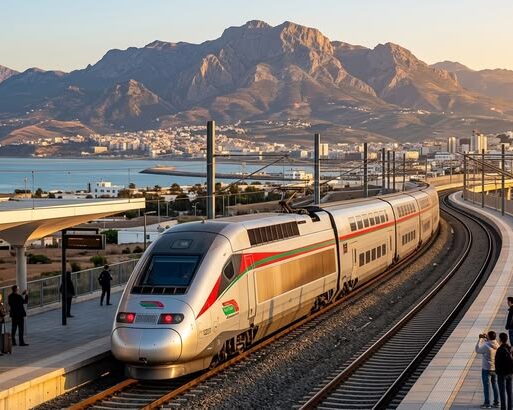
Getting Around Morocco
From the Al Boraq high-speed train to scenic mountain drives, Morocco is easier to navigate than most first-time visitors expect on Getting Around Morocco. Modern trains connect the major cities, reliable buses reach almost everywhere else, and private drivers make the desert and the High Atlas simple to explore in comfort.
Getting Around Morocco: How Do You Get Around Morocco?
The best way to travel depends on the distance, the destination and how much flexibility you want. Here's a quick guide to match your travel style.
A mix of trains between cities and a private driver for multi-day desert or mountain routes on Getting Around Morocco.
CTM and Supratours buses reach nearly every town at a fraction of the cost of a private driver on Getting Around Morocco.
A rental car gives full control over pace and stops, ideal for coastal routes and the Atlas on Getting Around Morocco.
The Al Boraq high-speed train and ONCF's regional network are the fastest way between hubs on Getting Around Morocco.
For a full cost breakdown, see our Morocco Budget Guide.
Ways to Get Around Morocco
Eight ways to move through the country, from high-speed rail to walking the medina on foot.
High-Speed & Regional Trains
ONCF operates Morocco's national rail network. The Al Boraq high-speed line covers Tangier–Rabat–Casablanca quickly. Regional trains connect Casablanca, Rabat, Fes, Marrakech and Meknes with comfortable carriages on Getting Around Morocco.
- Book online at oncf.ma or through the ONCF app
- Best for Casablanca, Rabat, Fes, Tangier & Marrakech
- Arrive 20–30 minutes early during peak periods
Intercity Buses
CTM and Supratours run air-conditioned coaches with assigned seats. They reach smaller towns that trains don't serve, including Chefchaouen and Essaouira on Getting Around Morocco.
- CTM and Supratours are the most reliable operators
- Luggage is checked and ticketed at the counter
- Book a day ahead on popular routes
Rental Cars
A rental car offers full independence for coastal drives and the Atlas Mountains on Getting Around Morocco. Main roads are in good condition, though mountain passes require caution. Fuel stations are frequent on major routes.
- Toll autoroutes connect most major cities
- Park outside the medina and walk in li>
- An international driving permit is recommended
Private Drivers
For multi-day routes through the Atlas or out to Merzouga, a private driver is the most popular choice. It removes the stress of mountain driving and adds local knowledge on Getting Around Morocco.
- Ideal for the Sahara and Atlas Mountain routes
- Door-to-door pickup from riads and hotels
- Drivers often double as informal guides
Domestic Flights
Royal Air Maroc operates domestic routes between Casablanca and cities like Dakhla or Laayoune. For most itineraries, flying adds more time at the airport than it saves on Getting Around Morocco.
- Worth it for the far south or very tight schedules
- Rarely necessary between Casablanca, Fes and Marrakech
Petit Taxis
Small, color-coded taxis handle short trips within a single city. Meters are standard in most cities — confirming before you set off avoids any confusion on Getting Around Morocco.
- Color varies by city — red in Casablanca, blue in Fes
- Ask the driver to start the meter
- Typical city ride: 10–30 MAD
Grand Taxis
Shared grand taxis run fixed routes between towns and fill with other passengers before departing. They're faster than buses on short intercity hops and can also be chartered privately on Getting Around Morocco.
- Useful for short hops buses don't serve directly
- Agree on shared vs. private fare before boarding
- Typical intercity ride: 30–80 MAD per seat
Transportation Comparison
A quick side-by-side to help you match the right option to your route and budget.
| Mode | Cost | Comfort | Speed | Flexibility | Best For |
|---|---|---|---|---|---|
| Trains | Moderate | High | High | Low | Major-city routes |
| Buses | Low | Moderate | Moderate | Low | Budget travel, smaller towns |
| Rental Cars | Moderate–High | Moderate | Moderate | High | Scenic and coastal routes |
| Private Drivers | High | High | Moderate | High | Sahara & Atlas Mountains |
| Flights | High | High | Very High | Low | Long-distance or tight schedules |
| Taxis | Low | Moderate | Moderate | Moderate | Short city or intercity hops |
Getting Between Major Cities
Realistic travel times and the best option for Morocco's most popular routes.
The ONCF train is frequent and direct, making it the easiest option over driving through Casablanca traffic on Getting Around Morocco.
A comfortable, scenic train ride with several daily departures — no need to rent a car for this leg.
Long but direct by rail with a change in Casablanca; flying saves time if your schedule is tight on Getting Around Morocco.
No train line runs this route, so a CTM bus or a private driver through the Rif Mountains is the way to go on Getting Around Morocco.
Most visitors break this drive with stops in the Middle Atlas, making a private driver far more comfortable.
A direct bus or shared grand taxi along the coastal road — a scenic, easy day trip.
A short drive to the High Atlas foothills — ideal for a day trip or the start of a longer mountain route.
Cross the Tizi n'Tichka pass through the High Atlas — one of Morocco's most scenic drives.
See how these routes fit into a full trip with our 7-day itinerary and 10-day itinerary.
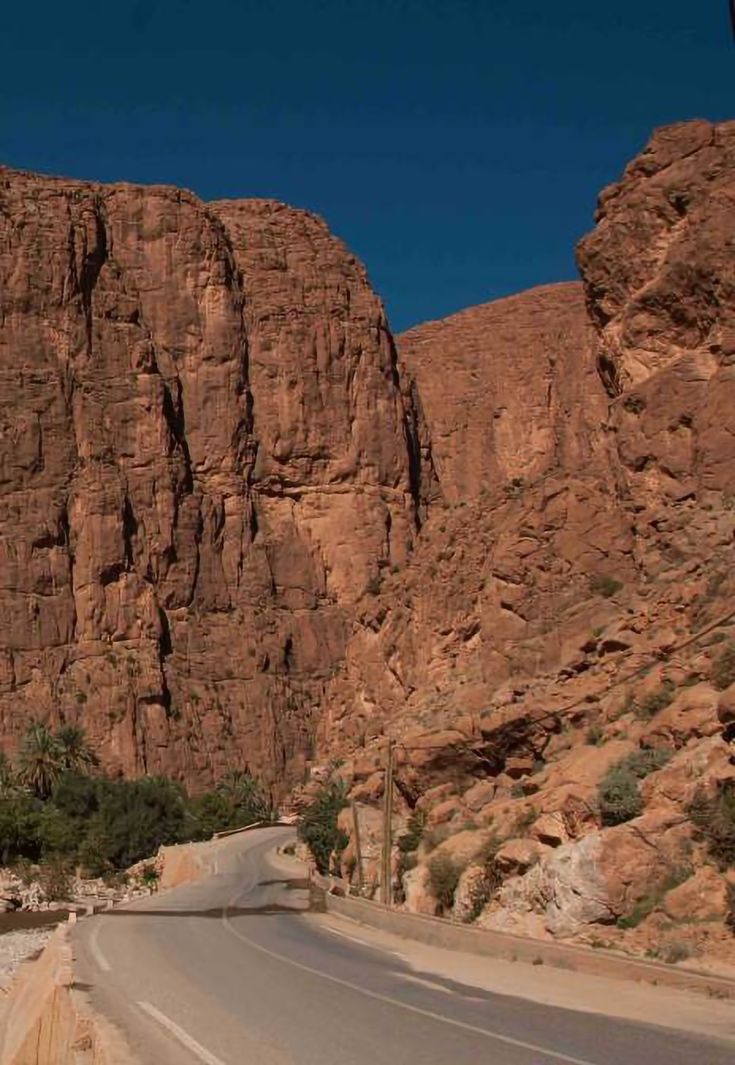
Driving in Morocco
Main roads and autoroutes are well-maintained, and toll roads link most major cities efficiently. Mountain routes through the Atlas require slower, more attentive driving, with hairpin turns and occasional weather closures in winter on Getting Around Morocco.
- Toll autoroutes connect Tangier, Rabat, Casablanca, Marrakech and Fes
- Fuel stations are frequent on main routes, sparser in remote areas
- Navigation — Google Maps and Maps.me both work well
- Parking — park outside medinas, most are closed to vehicles
- International permit — recommended alongside your home license
- Night driving — best avoided in rural areas due to unlit roads
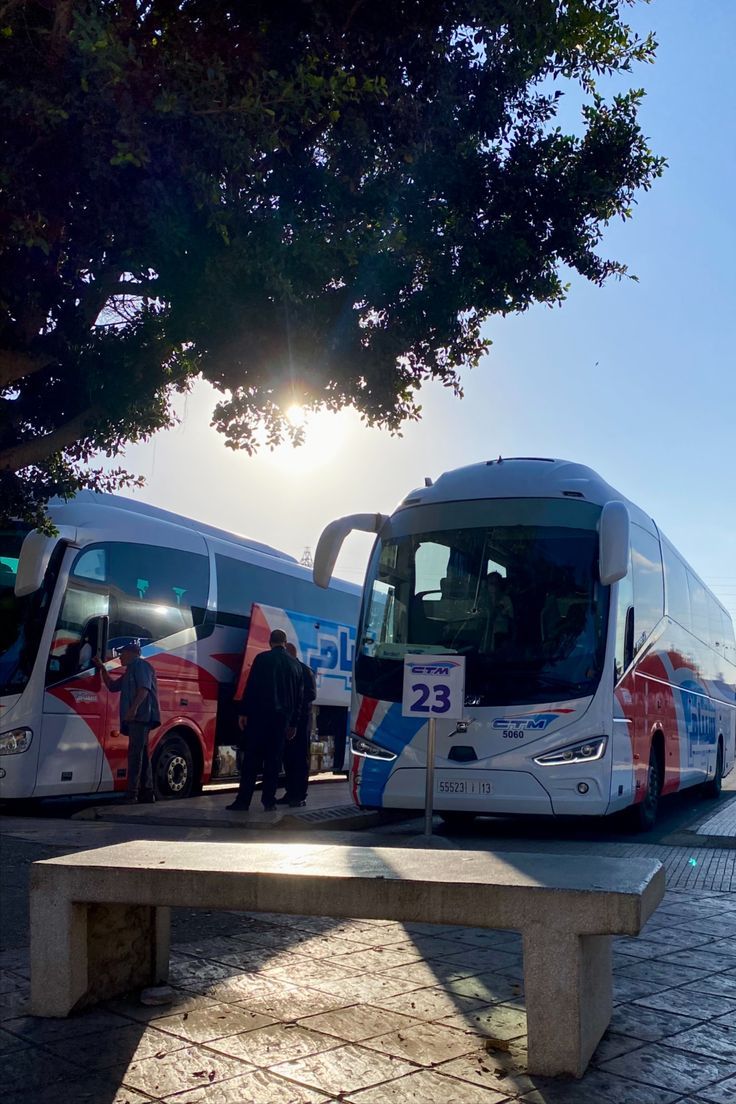
Public Transport in Morocco
Morocco's public transport network is more developed than many first-time visitors expect, anchored by ONCF's rail lines and two well-run national bus operators on Getting Around Morocco.
- ONCF trains link the main northern and central cities in comfort
- Al Boraq high-speed line cuts Tangier–Casablanca travel time significantly
- CTM and Supratours buses extend coverage well beyond the rail network
- Local city buses exist but are less geared toward visitors than taxis
- Limitation — rail and bus networks thin out toward the Sahara and High Atlas
Using Taxis in Morocco
Taxis are the most common way to get around within a city — here's how they work.
Petit Taxi
Small taxis for trips within one city, color-coded by location and licensed to carry up to three passengers. Meters are standard — it's reasonable to politely ask the driver to use it before setting off.
Grand Taxi
Larger shared taxis that run fixed routes between towns, departing once full. They can also be chartered privately for a set price if you'd rather not wait or share.
Negotiating Fares
Where meters aren't used, such as late-night trips or airport pickups, agreeing on a fare before getting in avoids any confusion at the destination.
Ride-Hailing
Ride-hailing apps operate in Casablanca and a handful of larger cities, offering fixed, upfront pricing as an alternative to street taxis.
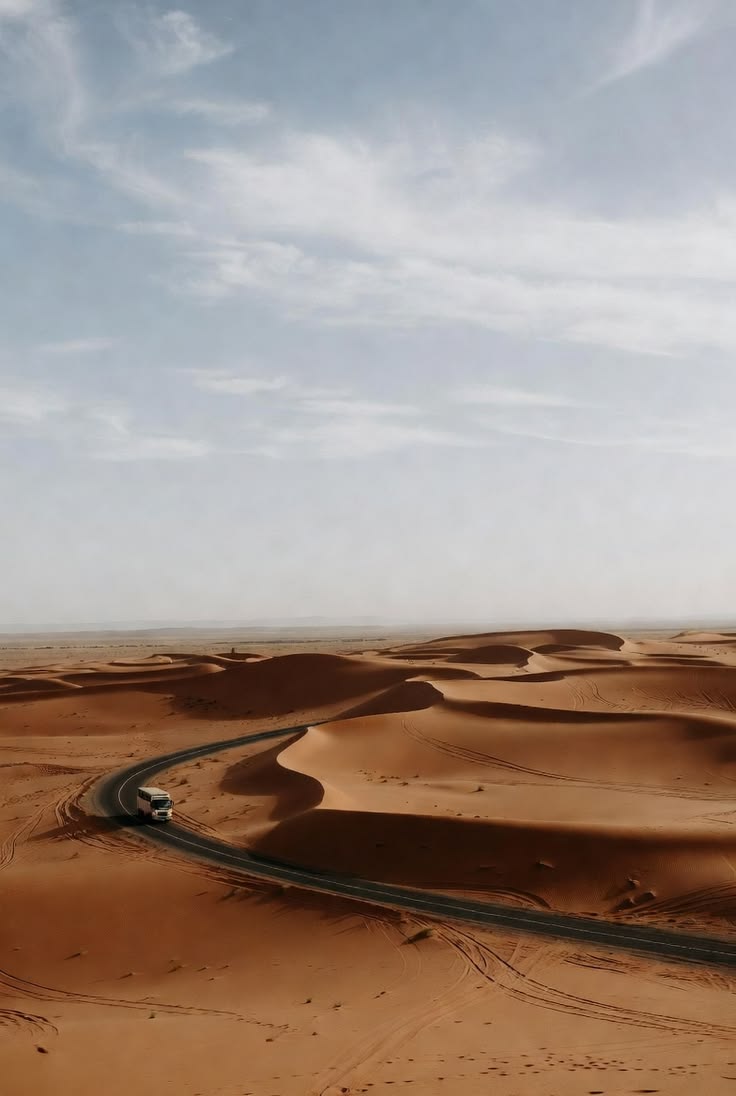
Traveling to the Sahara & Atlas
Distances to Merzouga and Zagora are long, and the roads pass through mountain terrain that rewards a slower, well-planned pace.
- Merzouga is roughly 8–10 hours from Fes or Marrakech by road
- Mountain passes like Tizi n'Tichka require careful, unhurried driving
- Organized tours and private drivers are the most popular choice
- Public transport thins out significantly beyond the main towns
- Break the drive into two days — far more comfortable than one push
Transportation by Travel Style
The best way to get around depends on how you like to travel.
Budget Travelers
CTM and Supratours buses are your best friend — cheap, reliable and reaching almost every town on Getting Around Morocco. Share grand taxis for short hops and walk within medinas.
Luxury Travelers
Private drivers throughout, first-class ONCF trains between cities, and boutique riads that arrange all transport for you. Maximum comfort, minimum hassle on Getting Around Morocco.
Families
Private drivers for desert and mountain routes, trains for city-to-city comfort, and taxis within cities. Avoid long bus rides with young children.
Solo Travelers
Trains and buses are safe and social — you'll meet fellow travelers. Hostels in major cities make it easy to join shared desert tours and day trips.
Adventure Travelers
A rental car or private driver opens up the Atlas Mountains and desert tracks that public transport can't reach. Pack layers and hit the road.
Road Trip Enthusiasts
The coastal route from Essaouira to Agadir, the Tizi n'Tichka pass to Ouarzazate, and the Rif Mountain roads to Chefchaouen — Morocco is made for driving.
Essential Transportation Tips
Practical advice that saves time, money and stress on the road.
Book train tickets early during holidays and peak season, when popular routes sell out.
Carry some cash — smaller transport providers and grand taxis rarely accept cards.
Allow extra time for mountain routes, where pace slows regardless of the vehicle.
Keep valuables secure and within reach on buses and shared taxis.
Confirm departure times the day before — schedules can shift outside major hubs.
Download offline maps before heading into the mountains or desert, where signal is limited.
Stay flexible — weather and road conditions can shift plans in the Atlas Mountains.
Ask your riad or hotel to help book drivers — they often know the most reliable ones locally.
Related Destinations
Related Travel Guides
Plan What to Do
What to Eat in Morocco
Frequently Asked Questions
Is Morocco easy to travel around?
Yes — Morocco has a well-developed transport network. Trains connect the major cities, buses reach smaller towns, and taxis handle local trips. It's one of the easier North African countries to navigate independently.
Should I rent a car in Morocco?
A rental car is worthwhile if you plan to explore coastal routes, the Atlas Mountains or remote areas. For city-to-city travel, trains and buses are more practical and affordable.
Is the train reliable?
ONCF trains are generally reliable and comfortable. Delays can happen, especially during holidays, but they're the most comfortable way to travel between major cities.
Are taxis expensive?
No — petit taxis are very affordable for city trips (typically 10–30 MAD). Grand taxis offer cheap intercity travel. Always confirm the meter or agree on a fare before setting off.
Can tourists drive in Morocco?
Yes. An international driving permit is recommended alongside your home license. Main roads are well-maintained, but mountain routes require careful driving. See our driving section above for details.
How do I reach the Sahara?
The most common way is a private driver or organized tour from Marrakech or Fes, usually as a 2- or 3-day trip with stops along the way. See our Desert Adventures guide.
Is public transport safe?
Yes — trains and CTM/Supratours buses are safe and well-maintained. Keep valuables secure on all transport, as you would anywhere.
Can I book transport online?
Yes. ONCF train tickets can be booked at oncf.ma. CTM bus tickets are available at ctm.ma. Booking in advance is recommended during peak season.
Is Uber available in Morocco?
Uber doesn't operate in Morocco. In Casablanca and a few other cities, local ride-hailing apps like Careem and Yango are alternatives to street taxis.
What's the fastest way to travel between cities?
The Al Boraq high-speed train is fastest for Tangier–Rabat–Casablanca. For longer routes, domestic flights save time but add airport overhead. See our comparison table above.
Do I need to speak French or Arabic?
Not necessarily, but a few basic French phrases help enormously with taxis and rural transport. Hotel and riad staff usually speak English. See our First Time in Morocco guide.
How much does a private driver cost?
Private drivers typically cost $80–$200 per day depending on the route and vehicle. For multi-day desert trips, the cost is usually bundled into tour packages. See our Budget Guide.
Can I travel Morocco without a car?
Absolutely. Trains, buses, grand taxis and organized tours cover most popular destinations. A car is only essential for remote mountain or desert areas.
What's the best route for a first-time visitor?
A classic loop: Marrakech → Atlas Mountains → Ouarzazate → Sahara → Fes → Chefchaouen → Tangier. See our 10-day itinerary for a detailed plan.
Are night buses or trains available?
ONCF operates some overnight trains, particularly on longer routes. Night buses are less common. For desert trips, overnight travel is often built into the itinerary.
How do I get from the airport to the city?
Most cities have airport taxis or pre-arranged hotel transfers. In Casablanca, the train station at the airport connects directly to the city center. See our Casablanca guide.
Is it safe to drive at night?
It's best to avoid night driving in rural areas and mountain regions, where roads may be unlit and livestock can appear unexpectedly. Main autoroutes are well-lit.
Do I need an international driving permit?
It's recommended, though not always strictly enforced. Having one alongside your home license avoids any potential issues with police checks.
Morocco Is Easier to Navigate Than You Think
Whether you're hopping between cities on the train or winding through the Atlas Mountains by car, Morocco's transport network connects every corner of the country on Getting Around Morocco. The hardest part is deciding where to go first.