Can You Drink Tap Water in Morocco? (2026): The Complete Safety Guide for Tourists
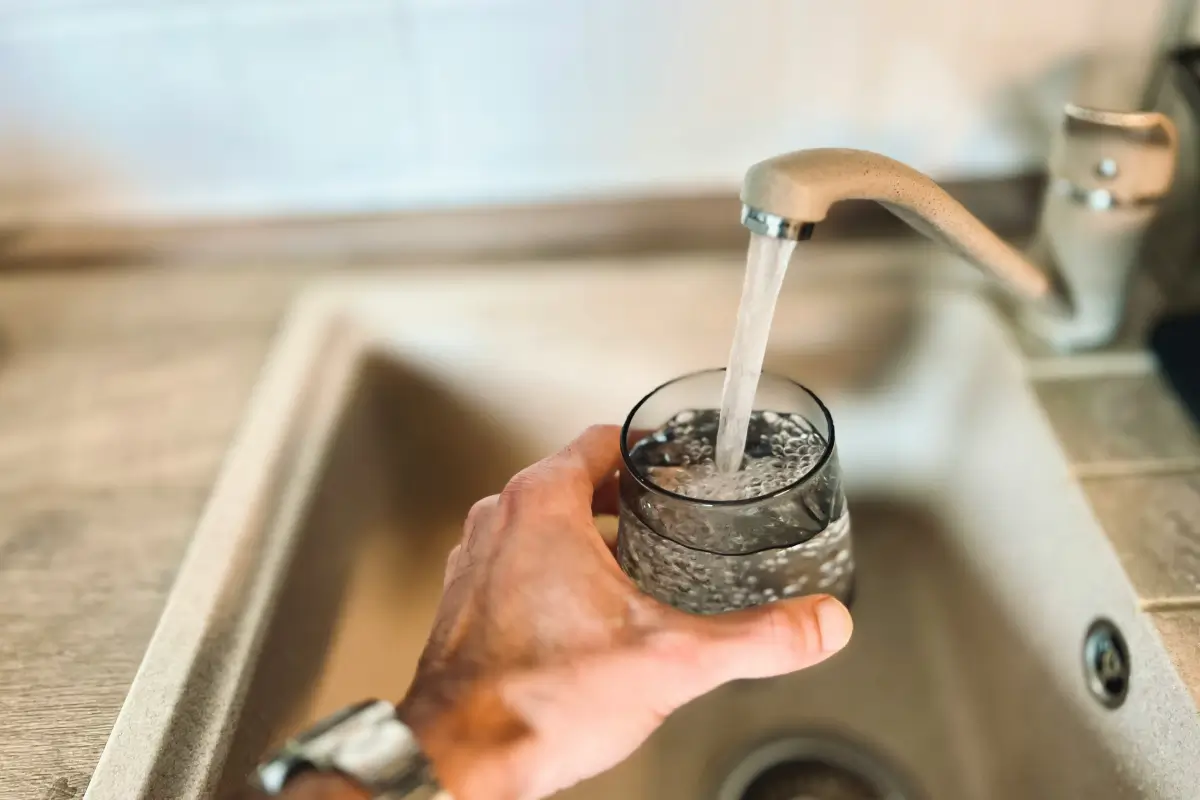
One of the first questions travelers ask before visiting Morocco is Can You Drink Tap Water in Morocco? It’s an understandable concern, nobody wants to spend their vacation dealing with an upset stomach instead of exploring bustling medinas, hiking the Atlas Mountains, or watching the sunset over the Sahara Desert.
The short answer is it depends. Tap water in many of Morocco’s major cities is treated and supplied through municipal water systems, and millions of Moroccans drink it every day. However, most travel health authorities recommend that tourists choose bottled or properly filtered water, especially during a short visit, because differences in local microorganisms, mineral content, and aging distribution networks may cause stomach discomfort for people who aren’t accustomed to the water.
That doesn’t mean Morocco has unsafe drinking water everywhere. Rather, the safest advice for visitors is to understand where tap water is generally reliable, where extra caution is advisable, and how to avoid the common mistakes that can interrupt an otherwise unforgettable trip.
In this guide, you’ll learn everything you need to know about Can You Drink Tap Water in Morocco, including water safety by region, bottled water recommendations, brushing your teeth, ice in drinks, desert travel, and practical health tips for visiting Morocco in 2026.
Can You Drink Tap Water in Morocco? The Short Answer
Is Tap Water Safe in Morocco?
The honest answer is yes in many places,but bottled or filtered water is still the better choice for most tourists.
Morocco has invested significantly in its drinking water infrastructure over the past decades, and most large cities receive municipally treated water that meets national standards. Access to safely managed drinking water has continued to improve across the country.
However, there are several reasons why visitors often choose not to drink directly from the tap.
First, the mineral composition of the water may be different from what your digestive system is used to. Even perfectly treated water can cause mild stomach discomfort simply because your body isn’t accustomed to it.
Second, water quality may change between the treatment plant and your hotel due to older plumbing or aging distribution networks in certain neighborhoods, particularly within historic medinas.
Finally, water quality can vary between large cities, rural villages, mountain communities, and desert regions.
For these reasons, most experienced travelers, hotels, and travel health organizations recommend drinking sealed bottled water or properly filtered water during your stay.
Should Tourists Drink Tap Water in Morocco?
For short holidays, the simplest answer is no.
Even though many residents drink tap water every day without any problems, tourists usually benefit from choosing bottled water because it removes one unnecessary risk from the trip.
Bottled water in Morocco is:
- Affordable
- Easy to find
- Sold almost everywhere
- Available in different sizes
Considering that a bottle of water costs only a few Moroccan dirhams, it’s a small expense that can help prevent an upset stomach during your vacation.
If you’re staying in Morocco for several months, your body may gradually adapt to local water. For most visitors spending one or two weeks in the country, bottled water is simply the more practical option.
Choosing bottled water isn’t a criticism of Morocco’s water system—it’s standard travel advice that applies in many destinations around the world where visitors encounter different water compositions than they’re used to.
Where Is Tap Water Safe in Morocco?
The answer to Can You Drink Tap Water in Morocco depends partly on where you’re traveling.
Water quality isn’t identical throughout the country.
Major cities generally have the most reliable municipal treatment systems, while remote villages and desert regions require greater caution.
Major Cities
In Morocco’s largest cities, tap water is treated before reaching homes, businesses, and hotels.
This includes destinations such as:
- Marrakech
- Casablanca
- Rabat
- Fes
- Tangier
- Agadir
Residents drink this water every day, cook with it, and use it for everyday household needs.
That said, many travelers still choose bottled water because:
- Chlorine levels may taste stronger than they’re used to.
- Mineral content differs from country to country.
- Older buildings sometimes have aging plumbing.
- Vacation is not the ideal time to test how your stomach reacts.
Hotels serving international visitors often provide complimentary bottled water in guest rooms because they know it’s the preferred choice for most tourists.
If you accidentally drink a glass of tap water in one of Morocco’s major cities, there’s usually no reason to panic. Most travelers experience no problems, while others may notice only mild digestive discomfort.
Small Towns and Rural Areas
Outside Morocco’s major cities, the situation becomes less predictable.
Mountain villages, remote communities, and desert settlements often rely on different water sources and infrastructure.
Although many local residents safely consume their local water every day, tourists should avoid assuming that the same applies to them.
If you’re visiting places such as:
- Small Atlas Mountain villages
- Remote desert camps
- Rural guesthouses
- Isolated valleys
sealed bottled water or properly filtered water is the safest option.
This is especially important during hiking trips and multi-day excursions, where medical services may be farther away than in Morocco’s larger cities.
Hotels and Riads
One of the most common questions travelers ask is whether hotel tap water is safer.
The answer depends on the property.
Luxury international hotels often have:
- Modern plumbing
- Water filtration systems
- Higher maintenance standards
Some even use additional purification systems for drinking water.
Traditional riads, especially those located inside centuries-old medinas, may rely on much older plumbing.
That doesn’t necessarily make the water unsafe, but it explains why many accommodations provide complimentary bottled water upon arrival.
If you’re unsure, simply ask the reception staff.
They’ll happily tell you whether guests normally drink the tap water or prefer bottled water.
Many experienced hotel managers actually recommend bottled water because they know international visitors often have sensitive stomachs during the first few days of travel.
Why Tourists Sometimes Get Sick
Many people believe that every stomach problem during a trip to Morocco is caused by contaminated water.
In reality, that’s often not the case.
Understanding why travelers occasionally become sick helps answer the question Can You Drink Tap Water in Morocco much more accurately.
In many situations, the issue isn’t dangerous bacteria, it’s simply your body’s reaction to a different environment.
Different Bacteria and Minerals
Every country has its own natural balance of minerals and harmless microorganisms in its water supply.
Local residents gradually develop tolerance because they’ve consumed that water throughout their lives.
Visitors, however, arrive with digestive systems adapted to completely different conditions.
As a result, even water that’s considered perfectly acceptable for residents may cause:
- Mild stomach cramps
- Temporary diarrhea
- Bloating
- Digestive discomfort
These symptoms are usually short-lived and resolve within a day or two.
This phenomenon isn’t unique to Morocco.
Travelers experience the same thing in many countries across Asia, Africa, Latin America, and even parts of Europe.
For that reason, choosing bottled water is often less about avoiding unsafe water and more about avoiding unnecessary digestive surprises during your vacation.
Traveler’s Stomach vs Unsafe Water
One of the biggest misconceptions about Can You Drink Tap Water in Morocco is that any stomach upset automatically means the tap water was unsafe.
In reality, travelers’ diarrhea can be caused by many different factors, including:
- A sudden change in diet
- Spicy or unfamiliar foods
- Different mineral content in the water
- Heat and dehydration
- Eating from unhygienic food stalls
- Poor hand hygiene
This is why two people traveling together may have completely different experiences. One person drinks a glass of tap water without any issues, while another develops mild stomach discomfort after eating street food.
In most cases, a mild stomach upset lasts only a day or two and improves with rest, hydration, and a simple diet.
If symptoms become severe, such as persistent vomiting, bloody diarrhea, a high fever, or signs of dehydration, you should seek medical attention promptly.
Fortunately, serious water-related illnesses among tourists in Morocco are uncommon when basic travel precautions are followed.
Is Bottled Water Better?
For most visitors, bottled water is simply the safest and easiest option.
While the answer to Can You Drink Tap Water in Morocco is “sometimes,” bottled water removes uncertainty and allows you to enjoy your trip without worrying about whether your digestive system will adapt.
Because bottled water is inexpensive and available almost everywhere, many experienced travelers choose it throughout their stay.
Popular Bottled Water Brands
Morocco has several well-known bottled water brands that are widely available in supermarkets, convenience stores, restaurants, hotels, cafés, and petrol stations.
Some of the most popular brands include:
- Sidi Ali
- Ain Saiss
- Bahia
- Ciel
These brands are produced under strict quality controls and are trusted by both locals and visitors.
Always make sure the bottle’s seal is intact before purchasing.
If the seal appears broken or damaged, choose another bottle.
How Much Does Bottled Water Cost?
One reason bottled water is so popular among travelers is its affordability.
Prices vary depending on where you buy it, but generally:
- Small bottle (500 ml): around 3–6 MAD
- Medium bottle (1–1.5 liters): around 5–8 MAD
- Large bottle (5 liters): around 12–20 MAD
Hotels, airports, and tourist attractions often charge more than supermarkets.
Buying larger bottles for your accommodation is an easy way to save money during longer stays.
Considering the low cost, bottled water is one of the simplest travel expenses that contributes significantly to staying healthy.
Can You Brush Your Teeth with Tap Water?
This is another common concern among first-time visitors.
If you’re staying in a major city such as Marrakech, Casablanca, Rabat, or Agadir, brushing your teeth with tap water is unlikely to cause problems for most travelers.
However, if you have a particularly sensitive stomach or simply want to minimize any risk, using bottled water for brushing your teeth is an easy precaution.
Many experienced travelers follow this routine during their first few days in Morocco before deciding whether they feel comfortable using tap water.
Either approach is perfectly reasonable.
What About Ice in Drinks?
Even travelers who avoid tap water sometimes forget about ice.
It’s a logical concern because ice is, after all, frozen water.
Fortunately, the answer isn’t as worrying as many people expect.
Is Restaurant Ice Safe?
In reputable restaurants, hotels, cafés, and bars that cater to tourists, ice is generally considered safe.
These establishments typically use:
- Filtered water
- Bottled water
- Commercial ice suppliers that follow hygiene standards
Luxury hotels and international restaurants have a strong interest in protecting their reputation, so food and beverage safety is taken seriously.
If you’re dining at a well-reviewed establishment, there’s usually no reason to avoid drinks served with ice.
Street Vendors and Ice
Greater caution is advisable when buying drinks from informal street vendors.
Unlike established restaurants, it’s often impossible to know:
- Where the ice came from
- How it was stored
- Whether it was handled hygienically
This doesn’t mean every street vendor is unsafe.
However, if you have a sensitive stomach or are only visiting Morocco for a short holiday, it’s sensible to order drinks without ice unless you’re confident about the vendor’s hygiene standards.
This simple choice can reduce the likelihood of digestive problems during your trip.
Drinking Water During Desert Trips
Many travelers asking Can You Drink Tap Water in Morocco are planning to visit the Sahara Desert.
Water safety becomes even more important during these excursions because dehydration is a much greater risk than in Morocco’s cities.
Sahara Desert Tours
Temperatures in the Sahara regularly exceed 40°C (104°F) during the warmer months.
Under these conditions, your body loses water quickly through perspiration.
Most organized desert tours provide bottled water throughout the journey.
Even so, it’s wise to carry extra supplies, especially if you’re traveling during summer.
A good rule is to drink water regularly throughout the day rather than waiting until you feel thirsty.
Symptoms of dehydration include:
- Headaches
- Dizziness
- Fatigue
- Dry mouth
- Muscle cramps
Avoiding dehydration should be a much higher priority than worrying about carrying a little extra water.
Hiking in the Atlas Mountains
The Atlas Mountains present a different challenge.
Although temperatures are cooler than in the desert, physical activity increases your body’s water requirements.
Whether you’re hiking near Imlil, climbing Mount Toubkal, or exploring remote Amazigh villages, you should always carry sufficient drinking water.
Many trekking companies provide bottled water during guided hikes.
If you’re hiking independently, consider carrying:
- Multiple bottles of water
- A reusable bottle with a quality filter
- Water purification tablets for emergencies
Being prepared allows you to stay hydrated without depending on uncertain water sources along the trail.
Tips for Staying Healthy in Morocco
Most visitors never experience any significant health issues during their trip.
Following a few simple habits makes it even more likely that you’ll enjoy a healthy and memorable holiday.
Wash Fruits and Vegetables
Whenever possible:
- Wash fresh produce with bottled or filtered water.
- Peel fruit before eating.
- Choose restaurants with good hygiene standards.
- Eat freshly prepared meals.
These simple precautions reduce exposure to bacteria regardless of the country you’re visiting.
Stay Hydrated
Morocco’s climate can be surprisingly dry, especially during summer and in desert regions.
Drink water regularly throughout the day, even if you don’t feel thirsty.
This is particularly important when:
- Walking through medinas
- Hiking
- Spending time at the beach
- Taking desert excursions
Proper hydration helps prevent fatigue, headaches, and heat-related illnesses.
Carry a Reusable Water Bottle
Although bottled water is the easiest option for most tourists, carrying a reusable water bottle can help reduce plastic waste during your trip.
If you plan to stay in Morocco for several weeks or enjoy outdoor activities, consider bringing:
- A reusable insulated water bottle
- A bottle with a built-in water filter
- Portable water purification tablets for emergencies
Many modern hotels offer filtered drinking water stations where you can safely refill your bottle.
This approach is particularly useful for travelers who want to reduce their environmental impact while staying hydrated throughout the day.
Whether you’re exploring the blue streets of Chefchaouen, hiking in the Atlas Mountains, or wandering the medinas of Marrakech and Fes, having water readily available helps you stay comfortable in Morocco’s warm climate.
Can You Drink Tap Water in Morocco? Frequently Asked Questions
Can You Drink Tap Water in Marrakech?
Yes, tap water in Marrakech is treated and supplied through the city’s municipal water network.
Many local residents drink it daily without any problems.
However, most tourists still choose bottled or filtered water because differences in mineral content and local microorganisms may cause mild digestive discomfort during a short visit.
If you’re staying in a hotel or riad, you’ll often receive complimentary bottled water in your room.
For first-time visitors, bottled water remains the simplest and safest choice.
Can You Drink Tap Water in Casablanca?
Yes.
Casablanca has one of Morocco’s most developed water treatment and distribution systems.
The city’s tap water is treated before reaching homes and businesses.
Nevertheless, many visitors continue to drink bottled water throughout their stay for the same reasons as elsewhere in Morocco.
If you accidentally drink tap water in Casablanca, there’s generally no need to worry.
Most travelers experience no issues at all.
Is It Safe to Brush Your Teeth with Tap Water?
In most major cities, yes.
Brushing your teeth with tap water is unlikely to cause illness for most visitors.
If you have a particularly sensitive stomach or simply want extra peace of mind, you can use bottled water instead.
Many travelers do exactly that during the first few days of their holiday before deciding whether they feel comfortable using tap water.
Either approach is perfectly acceptable.
What Happens If You Accidentally Drink Tap Water?
Don’t panic.
Accidentally drinking a small amount of tap water is unlikely to ruin your trip.
Most travelers experience no symptoms whatsoever.
If your stomach is sensitive, you may notice mild digestive discomfort for a short period while your body adjusts to unfamiliar minerals or microorganisms.
The best response is simply to:
- Continue drinking bottled or filtered water.
- Stay well hydrated.
- Eat light meals if your stomach feels unsettled.
- Monitor your symptoms.
If you develop severe diarrhea, persistent vomiting, high fever, bloody stools, or signs of dehydration, seek medical advice promptly.
Fortunately, these situations are relatively uncommon among tourists who follow basic food and water precautions.
Final Thoughts: Can You Drink Tap Water in Morocco?
So, Can You Drink Tap Water in Morocco?
The answer is yes, but bottled or filtered water is generally the better choice for tourists.
Tap water in Morocco’s major cities is treated and used every day by millions of residents. However, because travelers are not accustomed to the local water composition, choosing bottled water is often the simplest way to avoid mild digestive problems during your holiday.
Fortunately, bottled water is inexpensive, widely available, and easy to find in supermarkets, hotels, restaurants, cafés, and convenience stores throughout the country.
Whether you’re exploring Marrakech’s bustling souks, relaxing on the beaches of Agadir, discovering the ancient streets of Fes, or spending a night beneath the stars in the Sahara Desert, staying properly hydrated should always be one of your top priorities.
By following a few simple precautions, drinking bottled or filtered water, eating at reputable establishments, washing your hands regularly, and carrying enough water during excursions, you can focus on enjoying everything Morocco has to offer rather than worrying about stomach problems.
For the vast majority of visitors, water safety is a minor concern that can be managed with common sense and a little preparation. Travel confidently, stay hydrated, and you’ll be ready to experience Morocco’s extraordinary landscapes, rich history, vibrant culture, and legendary hospitality.