What to Pack for Morocco
Figuring out what to pack for Morocco depends on the season, the destinations on your route and how you like to travel. This guide breaks it down so you can pack with confidence, whether you're headed to the medina, the mountains or the dunes.
What to Pack for Morocco: The Quick Answer
The essentials of what to pack for Morocco stay the same across most of the year — it's the details that shift with the season and your itinerary.
Comfortable, layered clothing
Broken-in walking shoes
Sun protection (hat, sunglasses, sunscreen)
A light jacket for cool evenings
A universal power adapter
Travel documents and copies
A daypack for city and desert days
A reusable water bottle
Exactly what you need beyond these basics depends on the season and where your itinerary takes you — see the season and destination breakdowns below.
Essential Packing Checklist
Everything you need to know about what to pack for Morocco, organized by category, so nothing gets left behind.
Documents
- Passport (valid 6+ months)
- Travel insurance documents
- Flight confirmations
- Hotel reservations
- Digital copies stored separately
Money & Payment
- Debit / credit cards
- A small amount of dirhams
- Money belt or hidden pouch
- ATM PIN (4-digit for Morocco)
Phone & Electronics
- Phone and charger
- Power bank
- Universal adapter (Type C/E)
- Camera and spare battery
- Headphones
Clothing
- Lightweight tops
- Long trousers
- Light layers
- Scarf or shawl
- Evening jacket
Footwear
- Broken-in walking shoes
- Sandals
- Closed shoes for medinas
- Hiking boots (if applicable)
Health & Toiletries
- Sunscreen & lip balm SPF
- Basic medications
- Hand sanitizer
- Rehydration salts
- Personal prescriptions
Travel Accessories
- Daypack
- Reusable water bottle
- Offline maps (downloaded)
- Padlock for luggage
- Packing cubes
Nice to Have
- Reusable shopping bag
- Travel journal
- Snacks for travel days
- Local SIM card
What Clothes Should You Pack?
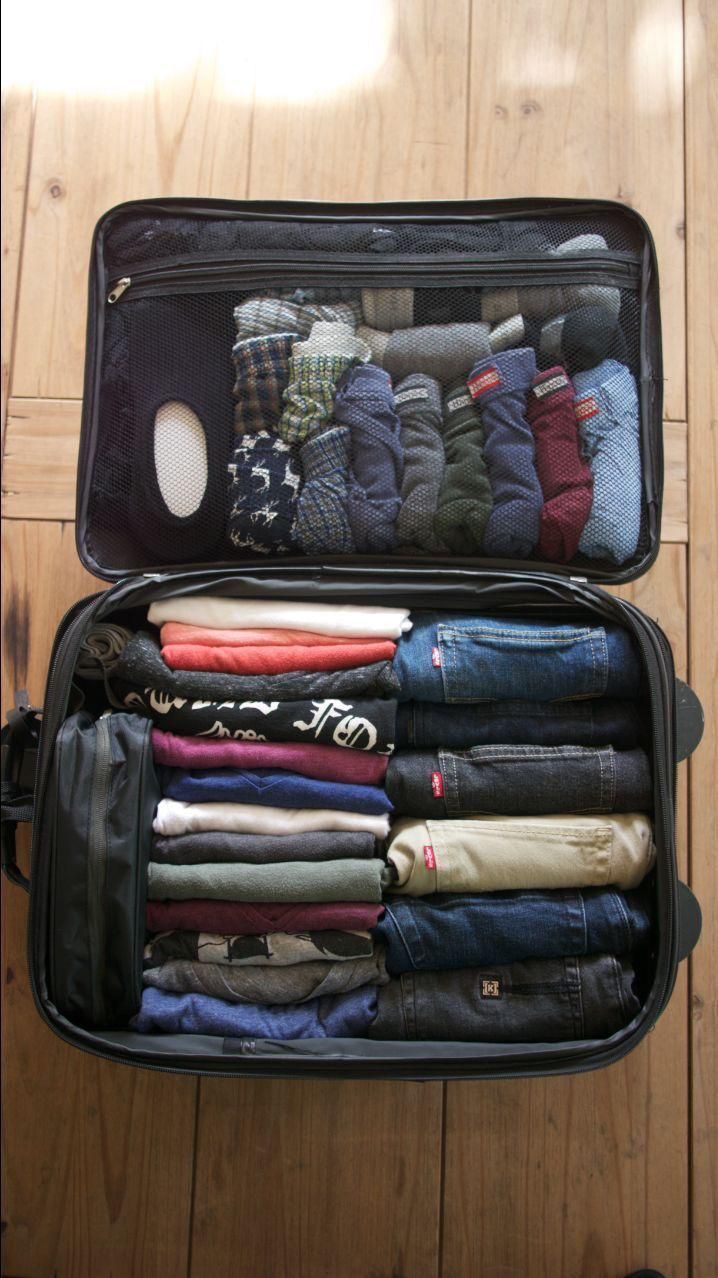
Knowing what to pack for Morocco starts with clothing — Morocco rewards travelers who pack light and layer smart, rather than those who bring one outfit for every possible scenario.
- Lightweight clothing — breathable fabrics work best in most cities year-round
- Layering — mornings and evenings run cooler than midday, even in summer
- Respectful attire — covering shoulders and knees is appreciated at religious and cultural sites
- Evening layers — a light jacket or shawl covers most temperature drops after sunset
- Seasonal adjustments — winter calls for warmer layers, especially in the mountains and desert
For a full seasonal breakdown, see our Best Time to Visit Morocco guide.
Packing by Season
What to pack for Morocco shifts noticeably through the year — here's what to adjust in each season.
Spring
Light layers by day, a warmer jacket for cool evenings and mornings, especially inland. Temperatures range from 15°C to 25°C in most cities.
Summer
Breathable, loose clothing, strong sun protection, and a light layer for air-conditioned spaces. Coastal towns stay cooler than the interior.
Autumn
Similar to spring — comfortable daytime layers with a jacket for cooler nights. One of the most pleasant times to travel through Morocco.
Winter
Warmer layers throughout, plus a proper coat for the Atlas Mountains and desert nights. Rain is possible in the north and along the coast.
Packing by Destination
Your route through Morocco shapes what to pack for Morocco as much as the season does.
Marrakech
Breathable clothing for warm days, a light layer for evenings, and comfortable shoes for the souks.
Marrakech Guide →Fes
Similar to Marrakech, with sturdy closed shoes recommended for the uneven medina alleyways.
Fes Guide →Chefchaouen
Comfortable walking shoes for hilly streets, plus a layer for the cooler mountain air.
Chefchaouen Guide →Atlas Mountains
Warmer layers, a proper jacket, and sturdy footwear if you plan to hike. Temperatures drop quickly at altitude.
Atlas Mountains Guide →Sahara Desert
Layers for a big day-to-night temperature swing, plus sun protection and a scarf for the wind.
Merzouga Guide →Atlantic Coast
A windbreaker or light jacket — coastal towns like Essaouira stay breezy even in summer.
Essaouira Guide →Casablanca
Smart-casual for the city. Light layers work well, and a jacket is useful for evenings by the coast.
Casablanca Guide →Rabat
Similar to Casablanca — comfortable, respectful clothing with layers for the Atlantic breeze.
Rabat Guide →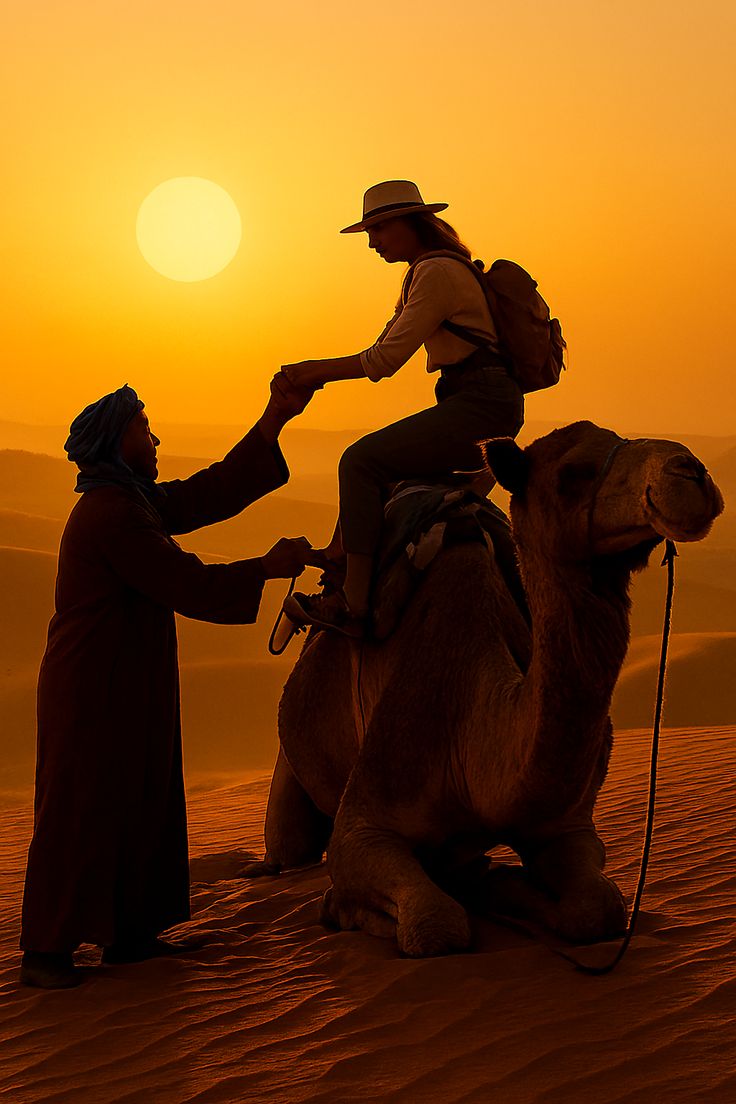
What to Pack for Morocco's Sahara Desert
Desert temperatures swing dramatically between day and night, so what to pack for Morocco's Sahara Desert is really about layers.
- Layers — warm during the day, surprisingly cold after sunset
- Warm evening clothing — a fleece or heavier jacket for desert camp nights
- Sunglasses & a hat — sun and glare are intense over open sand
- Sunscreen — reapply more often than you would in the city
- Comfortable shoes — closed shoes handle sand better than sandals
- A scarf — useful against sand and wind, and doubles as sun protection
- Camera & portable charger — camps rarely have reliable outlets
Shoes & Footwear
Right after clothing, shoes are the most important part of what to pack for Morocco.
- Walking shoes — your most-used pair, for medinas and city streets
- Sandals — comfortable for warm days and riad courtyards
- Hiking boots — worth packing if the Atlas Mountains are on your route
- Closed shoes for medinas — uneven stone streets favor coverage over style
- Desert footwear — closed, breathable shoes handle sand better than open sandals
Electronics & Travel Accessories
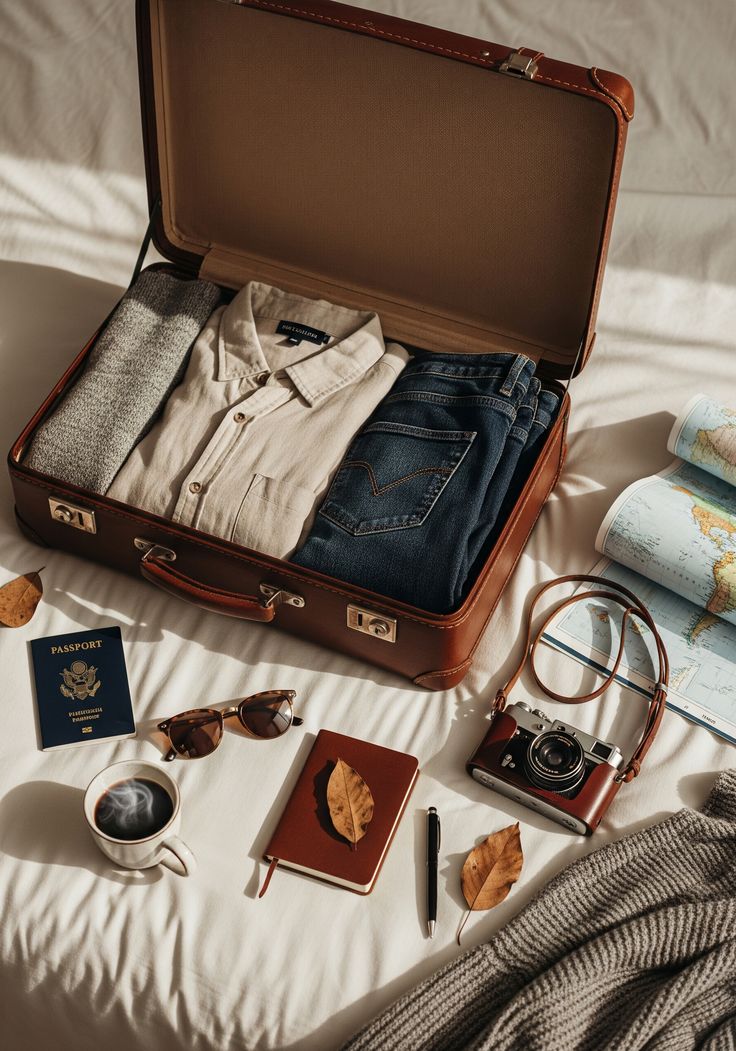
For electronics, what to pack for Morocco is a short, practical list rather than a full electronics bag.
- Power adapter — Morocco uses the European two-pin plug (Type C/E)
- Power bank — useful for long travel days and desert camps
- Phone charger & cable — pack a spare if you can
- Camera — Morocco's landscapes and medinas are highly photogenic
- Offline maps — download before heading into the mountains or desert
- Headphones — for long train and car journeys
- Local SIM card — easy to pick up on arrival for data access
Health & Toiletries
A compact, practical kit covers most situations when working out what to pack for Morocco's health and toiletry needs.
Sun Protection
Sunscreen and lip balm with SPF — the sun is strong year-round, even in cooler months.
Basic Medications
Pain relief, anti-diarrheal medication and any personal prescriptions.
Hand Sanitizer
Useful for markets, public transport and desert camps.
Insect Repellent
Worth packing for evenings near the coast or in rural areas.
Personal Toiletries
Most riads and hotels provide basics, but bring your own preferred products.
Rehydration Salts
A small, easy addition for hot days or long desert excursions.
Travel Documents
A little preparation here saves a lot of stress later.
- Passport — check that it's valid well beyond your travel dates (6+ months recommended)
- Visa requirements — confirm current rules for your nationality before departure via Morocco's official Ministry of Tourism
- Travel insurance — worth having for peace of mind on any international trip
- Flight confirmations — keep digital and printed copies
- Hotel reservations — useful at borders and for your own reference
- Copies of important documents — a photo or scan stored separately from the originals
Essential Accessories
Small items that make a noticeable difference to what to pack for Morocco once you're on the road.
Power Bank
Keeps your phone charged on long travel days, desert camps and mountain hikes where outlets are rare.
Reusable Water Bottle
Saves money and reduces plastic waste. Fill up at your riad each morning before heading out.
Scarf or Shawl
Incredibly versatile — sun protection, mosque visits, warmth on cool evenings, and a pillow on long rides.
Comfortable Hat
A wide-brimmed or legionnaire-style hat keeps the sun off your face during long medina walks.
Walking Shoes
Your single most important packing item. Medina cobblestones, mountain paths and desert sand all demand support.
Waterproof Jacket
Lightweight and packable — essential in winter and useful year-round along the coast and in the north.
Packing Cubes
Keep your suitcase organized and make it easy to find what you need without unpacking everything.
Reusable Shopping Bag
Useful for souk purchases and everyday shopping. Locals rarely use plastic bags, and many shops charge for them.
Packing by Activity
What you do in Morocco shapes what to pack for Morocco as much as where you go.
Desert Camping
Warm layers, closed shoes, a scarf for sand, and a portable charger. Desert nights are cold even in summer.
Desert Adventures →Hiking
Sturdy boots, moisture-wicking layers, a waterproof shell, and plenty of water. The Atlas demands preparation.
Mountain Adventures →City Exploration
Comfortable walking shoes, a daypack, sun protection, and a camera. Dress respectfully for medina visits.
Ancient Medinas →Beach Trips
Swimwear, a windbreaker for Essaouira, sunscreen, and a reusable bag for market finds.
Atlantic Coast →Luxury Riads
A smart-casual outfit for dinner, comfortable daywear, and something for the rooftop terrace at sunset.
Photography Tours
Extra batteries, a versatile lens, a small tripod, and a protective bag for dusty medina streets.
Food Tours
A light appetite and comfortable shoes. Bring hand sanitizer and a reusable bag for market purchases.
Moroccan Cuisine →Cultural Visits
Covered clothing for mosques and heritage sites. A scarf is invaluable for sudden dress-code requirements.
Moroccan Culture →Cultural Considerations
Morocco is welcoming and relaxed, but a few small choices about what to pack for Morocco help you feel comfortable everywhere.
Respectful Clothing
- Shoulders and knees — covering these is appreciated at religious and cultural sites
- Scarf for mosque visits — women should carry a scarf for impromptu mosque or shrine visits
- Rural areas — dress more conservatively outside major cities; locals dress modestly
- Urban areas — Marrakech, Casablanca and Essaouira are more relaxed, but modesty is still appreciated
- Ramadan — if visiting during Ramadan, be extra mindful of respectful dress and public behavior
Fitting In
- Footwear — shoes are removed at some riads and mosques; slip-ons make this easier
- Weather changes — Morocco's climate varies dramatically by region; layers handle everything
- Souk etiquette — comfortable, non-flashy clothing helps you blend in while shopping
- Photography — always ask before photographing people; a polite gesture goes a long way
- Evening outings — many Moroccans dress up for evening dinners; a smart-casual option is handy
Learn more about what to pack for Morocco's local customs in our Moroccan Culture experience guide and First Time in Morocco guide.
Common Packing Mistakes
Just as important as what to pack for Morocco is knowing what to leave behind.
Too Many Heavy Clothes
Layering a few lighter pieces works better than packing bulky items "just in case."
Excess Luggage
Narrow medina streets and shared taxis are much easier with one manageable bag.
Unnecessary Valuables
Leave expensive jewelry and anything irreplaceable at home.
Inappropriate Footwear
Heels and flimsy sandals struggle on medina cobblestones and desert sand alike.
Forgetting Layers
Desert nights, mountain mornings and air-conditioned hotels all call for something warmer than your daytime outfit.
Ignoring Desert Temperature Swings
The Sahara can drop 20°C between afternoon and midnight — pack for both extremes.
Large Amounts of Cash
Carry what you need day to day and rely on ATMs for the rest. Keep cash secure.
Overplanned Outfits
A capsule wardrobe you can mix and match beats a fixed outfit for every day.
Forgetting Cash for Souks
Many souk vendors don't carry change for large bills — bring small denominations.
Printable Packing Checklist
A clean, grouped what to pack for Morocco checklist you can screenshot, print or bookmark before you pack.
Documents
- Passport
- Travel insurance
- Flight confirmations
- Hotel reservations
- Digital copies stored separately
Clothing
- Lightweight tops & layers
- Long trousers
- Scarf or shawl
- Evening jacket
- Swimwear (if applicable)
Footwear
- Walking shoes
- Sandals
- Closed shoes for medinas
- Hiking boots (if applicable)
Electronics
- Power adapter (Type C/E)
- Power bank
- Phone charger
- Camera
- Headphones
Health & Toiletries
- Sunscreen & lip balm
- Hand sanitizer
- Basic medications
- Personal toiletries
- Rehydration salts
Accessories
- Daypack
- Reusable water bottle
- Reusable shopping bag
- Packing cubes
- Padlock
- Offline maps (downloaded)
Tick items off as you pack — or save this page to your phone for a quick reference on the go.
Related Destinations
Related Travel Guides
Plan What to Do
What to Eat in Morocco
Frequently Asked Questions
What to Pack for Morocco?
This page's checklist covers documents, clothing, footwear, electronics and health essentials — organized by season, destination and activity so you only pack what you'll actually use.
What should I wear in Morocco?
Lightweight, layered clothing works well year-round. Covering shoulders and knees is appreciated at religious and cultural sites. For a full breakdown, see our Best Time to Visit guide.
Can women wear shorts in Morocco?
Yes, but longer shorts (knee-length or below) are more comfortable and respectful, especially in rural areas and medinas. In coastal towns like Essaouira, shorter shorts are more common.
Do I need hiking shoes?
If the Atlas Mountains are on your itinerary, yes. Sturdy hiking boots are essential for mountain trails. For city-only trips, comfortable walking shoes are sufficient.
Is a jacket necessary?
A light layer is useful year-round — evenings cool down even in summer. In winter, a proper coat is essential, especially for the mountains and desert.
Should I bring cash?
Yes. Many souks, small restaurants and grand taxis don't carry change for large bills, and some don't accept cards at all. Bring small denominations and withdraw from ATMs as needed.
Do I need a power adapter?
Morocco uses the European two-pin plug (Type C/E). Bring a universal adapter if you're coming from the UK, US or elsewhere.
What luggage is best for Morocco?
A soft-sided suitcase or large backpack works best. Medina streets are narrow, shared taxis have limited space, and riads often have stairs. Avoid hard-shell roller bags if possible.
What should I pack for the Sahara Desert?
What to pack for Morocco's Sahara Desert comes down to layers — warm during the day, cold at night. Closed shoes, a scarf for sand, strong sunscreen and a portable charger round out the desert essentials.
Is Morocco cold in winter?
Winter temperatures in cities range from 8°C to 18°C. The Atlas Mountains and desert can drop below freezing at night. Pack warm layers if visiting between December and February.
Can I wear sandals?
Yes, sandals are fine for casual days and riad courtyards. But always have closed walking shoes for medinas, desert trips and mountain hikes.
Do I need to cover my head?
No, head covering isn't required for tourists. However, carrying a scarf is useful for mosque visits, sun protection and desert wind.
What's the best bag for souk shopping?
A reusable shopping bag or lightweight tote is ideal. Many souk vendors don't provide bags, and you'll want something sturdy for market purchases.
Should I pack formal clothes?
A smart-casual outfit is useful for upscale riad dinners or fine dining. Morocco is generally relaxed, but a nice outfit for one or two evenings is worth the space.
Do I need insect repellent?
It's worth packing, especially for evenings near the coast or in rural areas. Mosquitoes are generally not a major issue in cities.
Can I buy toiletries in Morocco?
Yes — supermarkets and pharmacies stock most basics. But bring your preferred products, as specific brands may be harder to find.
What's the best time to visit for packing simplicity?
Spring (March – May) and autumn (September – November) simplify what to pack for Morocco the most, requiring the fewest specialty items. You can travel comfortably with lightweight layers and a jacket. See our season guide for details.
Do I need a daypack?
Highly recommended. A small daypack for daily essentials — water, sunscreen, camera, wallet — keeps your hands free for exploring medinas and markets.
What about packing for Ramadan?
If visiting during Ramadan, be respectful of public eating and drinking during daylight hours. Pack snacks to eat privately if needed, and be mindful of dress in religious areas.
Pack Smart, Travel Far
Now that you know what to pack for Morocco, Morocco rewards the well-prepared traveler. Pack light, layer smart, and leave room in your suitcase for the memories — and the souvenirs.