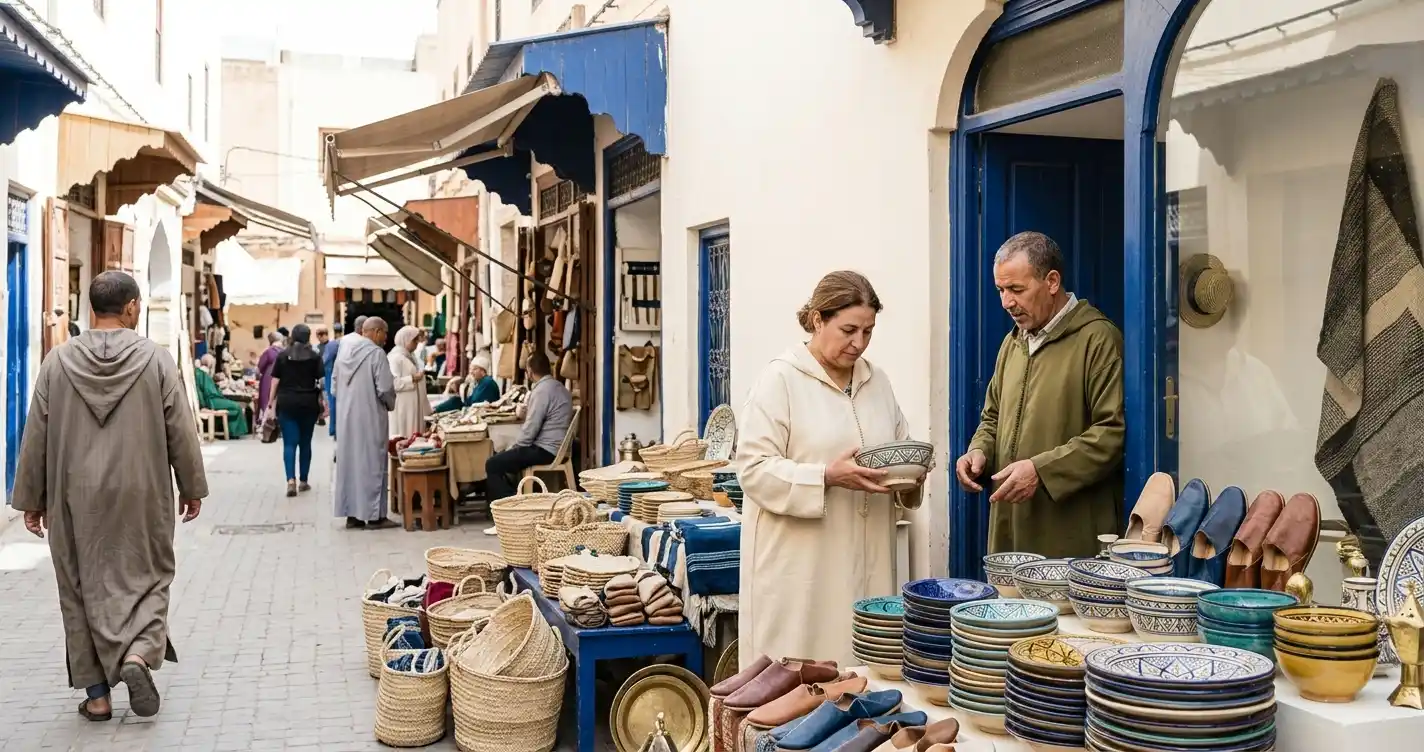
Shopping in Marrakech (2026): The Ultimate Guide to What to Buy & Where to Shop
Shopping in Marrakech isn’t one experience it’s several, stacked on top of each other across the city. There’s the medina, where centuries-old souks still specialize by trade the way they always have. There’s Gueliz, all modern boutiques and concept stores. There’s Sidi Ghanem, a converted industrial zone now packed with designer ateliers.
And there’s everything in between: spice stalls, jewelry counters, rug workshops, and craft cooperatives, each with its own rhythm and its own rules around price. This guide covers where to go, what to buy, how to bargain, and how to actually get your purchases home.
Shopping in Marrakech: The Short Answer
For traditional crafts and the full sensory experience, head into the medina’s souks leather, lanterns, spices, and textiles, all sold within a specialized trade district. For modern fashion and fixed prices, Gueliz delivers designer boutiques and concept stores without any bargaining required. For genuinely unique, contemporary Moroccan design, Sidi Ghanem’s converted workshops are worth the short taxi ride outside the medina. Most visitors end up combining at least two of these districts over the course of a trip rather than sticking to just one.
Is Marrakech Good for Shopping?
Yes Marrakech is consistently ranked among the best shopping cities in North Africa, offering everything from centuries-old handicraft traditions to a growing contemporary design scene, often within the same afternoon. Few cities pack this much range into a single trip.
What Makes Marrakech Shopping Unique?
Few cities let you buy a hand-forged lantern from the same blacksmith souk that’s made them for generations, then walk twenty minutes to a concept store selling that same craft reinterpreted by a young Moroccan designer. That range, old and new side by side, is what sets Marrakech apart from most other shopping destinations in the region.
What Can You Buy in Marrakech?
Rugs, leather goods, babouche slippers, ceramics, lanterns, spices, argan oil, jewelry, and textiles are the staples, alongside a growing range of contemporary home décor and fashion from the city’s design districts. Most visitors end up buying at least a few small items across several categories rather than one big purchase.
Where to Go Shopping in Marrakech
The Medina: Traditional Moroccan Shopping
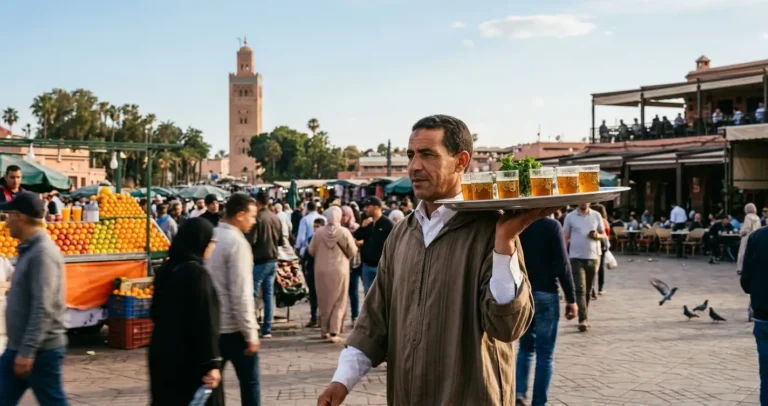
The medina’s souks remain the heart of traditional shopping in Marrakech, a network of specialized markets north of Jemaa el-Fnaa where leather, metalwork, textiles, and spices are each sold in their own dedicated quarter. Prices here are negotiable by default, and the experience is as much about watching craftsmen at work as it is about buying anything. Getting slightly lost while wandering between souks is part of the experience rather than a sign you’ve gone wrong.
Gueliz: Modern Boutiques and Fashion
Marrakech’s modern “ville nouvelle” across town is where fixed-price shopping lives designer boutiques, concept stores, art galleries, and international brands along Avenue Mohammed V. It’s the easiest district for a relaxed, no-bargaining shopping afternoon.
Sidi Ghanem: Marrakech’s Creative District
A former industrial zone about 20 minutes from the medina, Sidi Ghanem has transformed into a design district where Moroccan and international designers run ateliers and showrooms out of converted warehouses. Expect rugs, lighting, pottery, and fashion reinterpreted for a contemporary market, often at prices reflecting that design pedigree. It’s less photogenic than the medina but genuinely rewarding for anyone serious about design rather than souvenirs.
Mellah: Traditional Shops and Local Products
The former Jewish quarter southeast of the main souks, the Mellah is home to its own spice market, known for piled cones of cumin, saffron, and ras el hanout, along with traditional cosmetics and a handful of gold and silver jewelry shops. It’s quieter and less crowded than the main souks near Jemaa el-Fnaa, which makes it a more relaxed place to browse.
Luxury Shopping in Marrakech
For high-end Moroccan design, Rue Yves Saint Laurent in Gueliz and the boutique inside Jardin Majorelle both sell elevated, artisan-made pieces embroidered leather bags, hand-carved objects, and jewelry with a Berber and Arab design influence while 33 Rue Majorelle, the city’s original concept store, gathers dozens of independent Moroccan designers under one roof. None of these require bargaining, which makes them a welcome change of pace after a long souk session.
What to Buy in Marrakech
Moroccan Rugs and Carpets
Hand-knotted Berber and Moroccan rugs range from roughly 800 to 8,000 MAD depending on size and quality, with larger or antique pieces going higher. Every genuine rug should show irregular, hand-tied knots on the reverse rather than a uniform machine pattern, and asking the seller which tribe or region made it is a reasonable first question.
Leather Bags and Accessories
Marrakech’s leather souks turn tanned hides into bags, belts, wallets, and poufs, often finished with traditional Berber patterns or inlaid detailing. Smaller items like wallets and belts sit at the more affordable end of the range, while a full leather jacket or large bag runs considerably higher depending on the hide and finishing.
Babouche Slippers
These pointed-toe leather slippers run roughly 70–200 MAD, with plain everyday styles at the lower end and heavily embroidered or sequined versions higher. Buying a size smaller than usual is standard advice, since the leather stretches with wear.
Moroccan Ceramics
Hand-painted tagines, bowls, and plates typically cost 20–50 MAD for smaller pieces, making them an easy, packable souvenir that still reflects genuine regional craftsmanship, though larger serving pieces and full tagine sets run considerably more.
Lanterns and Metalwork
Handmade lanterns start from around 30 MAD for simple styles, climbing considerably for larger or more ornate pierced-metal designs from the blacksmith souks.
Spices and Food Products
Loose spices sold by weight cumin, saffron, ras el hanout, dried rosebuds typically cost 20–80 MAD, and make some of the lightest, most practical souvenirs to bring home, since they pack flat and rarely raise questions at customs.
Argan Oil and Natural Beauty Products
A medium bottle of genuine argan oil generally runs around 150 MAD; it’s worth confirming with the vendor whether it’s cosmetic or culinary grade before buying, since the two aren’t interchangeable.
Jewelry
Traditional Berber silver jewelry, often set with turquoise, amber, or coral, varies widely in price depending on the metal content and craftsmanship, from budget-friendly costume pieces to serious silver investments. It’s worth asking whether a piece is genuine silver or simply silver-toned before paying premium prices.
Moroccan Textiles and Clothing
Scarves and pashminas typically run 20–70 MAD, while hand-dyed fabric, embroidered caftans, and djellabas vary more widely depending on the quality of material and tailoring.
Home Décor and Artisan Crafts
Beyond the classics, look for carved wood boxes, woven baskets, painted wooden trays, and small brass objects practical, packable pieces that make good gifts without requiring negotiation over a major purchase. Sidi Ghanem is worth a special trip if home décor is the main goal of your shopping.
Best Shopping in Marrakech for Authentic Moroccan Products
How to Tell if a Product Is Handmade
Genuine handmade pieces show small, natural imperfections slightly irregular stitching on leather, uneven knots on a rug’s underside, subtle variation between otherwise similar items. Machine-made goods, by contrast, tend to be flawlessly uniform, with every piece in a stack looking essentially identical to the next.
How to Spot Tourist-Quality Merchandise
Items priced suspiciously low, produced in identical batches, or made from synthetic materials dressed up to look traditional are usually aimed squarely at passing tourists rather than reflecting real regional craftsmanship. A quick comparison against a similar item elsewhere in the souk is often enough to tell the difference.
Finding Real Local Artisans
Souks like Haddadine and Kimakhine, where craftsmen work in full view of the street, are a reliable way to buy directly from the maker rather than a middleman, and asking a vendor about their trade or training is often a good way to gauge authenticity. A craftsman who can describe their process in detail is usually a better sign than one who simply quotes a price.
Cooperatives vs. Tourist Shops
Women’s and artisan cooperatives, often signposted near the souks or in Gueliz, tend to offer fixed, fairer prices and route more of what you pay directly to the makers, compared to shops that primarily resell from multiple workshops. They’re also a comfortable option for travelers who find bargaining stressful rather than fun.
How to Bargain in Marrakech
Which Products Are Negotiable?
Nearly everything in the medina souks is negotiable, with the notable exception of fixed-price concept stores, cooperatives, and boutiques in Gueliz and Sidi Ghanem.
How to Start the Negotiation
Starting at roughly 40–50% of the vendor’s opening price is a common approach, leaving room to meet somewhere reasonable in the middle.
How Much Should You Pay?
There’s no single fair price, since it depends on material, craftsmanship, and how close the shop sits to the busiest tourist routes comparing the same item across two or three stalls is the most reliable way to judge, and prices tend to run noticeably lower away from Jemaa el-Fnaa.
When Should You Walk Away?
If a vendor won’t move meaningfully off their opening price, walking away is a legitimate tactic and often prompts a better offer; if it doesn’t, there’s usually a similar item a few stalls over. Very few items in the souks are genuinely one of a kind, so patience rarely costs you the piece itself.
Common Shopping Mistakes to Avoid
Buying the first version of an item without comparing prices, naming a number you’re not willing to commit to, and accepting unsolicited help from a self-appointed “guide” are the most common ways visitors overpay.
Shopping in Marrakech: Prices & Budget
What Can You Buy for 50 MAD?
At this level, expect a small spice bag, a simple ceramic bowl, or a modest leather keychain or coin purse small, easy gifts that fit into any bag without much thought.
What Can You Buy for 100 MAD?
A pair of simple babouches, a small lantern, or a scarf typically falls in this range after negotiation, making it a natural budget for a proper souvenir rather than a token gift.
What Can You Buy for 500 MAD?
This covers a small rug or kilim, a higher-quality leather bag, or a set of nicer ceramics the point where craftsmanship starts to noticeably improve and it’s worth taking a bit more time to compare options before deciding.
How Much Should You Budget for Shopping?
A reasonable souvenir-and-gifts budget for a week in Marrakech runs anywhere from 500 to 2,000 MAD, though one larger purchase a rug, in particular can easily exceed that on its own. Setting a rough per-category budget before you start browsing tends to make bargaining feel less pressured in the moment.
Best Shopping in Marrakech for Different Travelers
Best Shopping for First-Time Visitors
Souk Semmarine and the surrounding main arteries offer an easy, all-in-one introduction to the medina’s range of crafts without needing to navigate too far off the beaten path, which makes it a comfortable starting point before branching into quieter souks.
Best Shopping for Luxury Travelers
Rue Yves Saint Laurent and the Jardin Majorelle boutique both offer elevated, artisan-made pieces without any bargaining required, alongside Sidi Ghanem’s design ateliers.
Best Shopping for Unique Souvenirs
Sidi Ghanem and the medina’s smaller artisan souks both turn up items you won’t see duplicated in every tourist shop near Jemaa el-Fnaa.
Best Shopping for Home Décor
Between the medina’s lantern and woodworking souks and Sidi Ghanem’s design showrooms, home décor shoppers have both traditional and contemporary options to choose from.
Best Shopping for Fashion Lovers
Gueliz and Sidi Ghanem both host independent Moroccan fashion designers working in caftans, leather, and modern takes on traditional textiles.
Shopping in Marrakech Beyond the Medina
Modern Shopping in Gueliz
Beyond individual boutiques, Gueliz hosts malls like Carré Eden and the open-air Marrakech Plaza, both mixing international brands with cafés and casual dining. It’s a useful district for anyone who wants a break from negotiating over every purchase.
Creative Boutiques in Sidi Ghanem
Sidi Ghanem’s ateliers double as showrooms, meaning you can often meet the designer or craftsperson behind what you’re buying, a genuinely different experience from souk shopping. Several also run small on-site cafés, making it easy to turn a shopping trip into a longer, unhurried outing.
Shopping Malls and Contemporary Stores
Carré Eden, built on the site of Gueliz’s old central market, and the nearby Marrakech Plaza both offer familiar international retail alongside casual restaurants, a useful break from bargaining.
Traditional Markets Outside the Main Tourist Areas
The Mellah’s spice market and the local market around Bab Doukkala both skew more toward residents than tourists, offering a calmer, more everyday shopping atmosphere.
How to Bring Your Marrakech Shopping Home
Packing Moroccan Rugs and Textiles
Most vendors are well practiced at rolling and vacuum-packing rugs and textiles for transport, and many can arrange shipping directly if a piece is too large for your luggage.
Transporting Ceramics and Fragile Items
Wrapping ceramics well and packing them centrally in checked luggage, surrounded by soft items like clothing, reduces breakage risk considerably compared to carrying them loose.
Shipping Large Purchases
For bulky items like zellige tables or fountains, craftsmen typically arrange their own shipping by road, which usually works out considerably cheaper than paying for excess checked baggage.
Customs and Travel Considerations
Moroccan-made handicrafts can generally be exported without special formalities, provided you can show proof of purchase, though antique items require separate authorization it’s worth checking your home country’s import allowances before buying anything expensive. Keeping receipts handy throughout your trip makes this step considerably easier at the airport.
Best Time for Shopping in Marrakech
Best Time of Day
Morning, before noon, and early evening both offer a cooler, calmer shopping pace than the middle of the day.
Best Months for Shopping
Spring and autumn bring the most comfortable weather for a long day of souk browsing, avoiding both summer heat and winter’s occasional rain, and both seasons also tend to draw slightly fewer crowds than peak holiday weeks.
Shopping During Summer
In peak summer heat, an early-morning or evening shopping session is considerably more comfortable than midday, particularly in the covered but still warm souk alleys.
Shopping During Ramadan
Some shops adjust their hours during Ramadan, often opening later and staying open past sunset once the fast breaks, so it’s worth building extra flexibility into a Ramadan shopping trip.
Practical Shopping Tips for Marrakech
Carry Cash
Most souk vendors deal primarily in cash, and having small dirham notes on hand makes both bargaining and simple purchases considerably easier, since vendors often can’t break large bills for a modest purchase.
Keep Your Receipts
Proof of purchase matters both for bargaining leverage on future items and for customs purposes when you get home, so it’s worth holding onto receipts even for small buys.
Compare Prices Before Buying
Checking the same or a similar item across two or three shops before committing gives you a realistic sense of what a fair price actually looks like.
Check Product Quality
A quick inspection checking stitching on leather, turning a rug over, testing a lantern’s finish before paying avoids disappointment once you’re back home.
Don’t Feel Pressured to Buy
Politely declining and walking on is entirely normal in the souks, and a genuine vendor won’t hold it against you.
Be Careful With Unsolicited “Guides”
Anyone offering unprompted to lead you to a specific shop is often working on commission, which can inflate prices without your knowledge; a shopkeeper who’s actually busy with their own customers rarely has time to chase you down the street.
Learn a Few Moroccan Arabic Phrases
A simple greeting or “shhal” (how much?) in Darija tends to be warmly received and can occasionally soften negotiations, even if the rest of the conversation continues in French or English.
Shopping in Marrakech: Frequently Asked Questions
What Is Marrakech Famous for Buying?
Rugs, leather goods, babouche slippers, lanterns, spices, and argan oil are what Marrakech is best known for, alongside a growing reputation for contemporary Moroccan design coming out of districts like Sidi Ghanem.
What Should I Buy in Marrakech?
Beyond the classics, spices and small ceramics make easy, packable gifts, while a rug or a piece of jewelry makes a more meaningful, larger purchase if your budget and luggage allow.
Is Shopping in Marrakech Expensive?
It varies enormously a small spice bag can cost under 50 MAD, while a fine handmade rug can run into the thousands, so budget depends entirely on what you’re shopping for and how much you negotiate.
Do You Bargain in Marrakech?
In the medina souks, yes, bargaining is the default and expected practice; in Gueliz boutiques, malls, and cooperatives, prices are generally fixed.
Where Is the Best Shopping in Marrakech?
The medina souks remain the best choice for traditional crafts, while Gueliz and Sidi Ghanem lead for modern fashion and design.
Is Shopping in Marrakech Safe?
Generally yes, with the same everyday precautions you’d take in any dense, crowded market watching your belongings and being cautious with unsolicited help.
What Is the Best Souk in Marrakech?
Souk Semmarine is the most commonly recommended starting point for its accessibility and range, though the quieter artisan souks further north offer a more authentic, less touristy experience once you’re ready to venture beyond the main arteries.
Can I Pay by Card?
Most souk vendors deal in cash only, while boutiques in Gueliz, Sidi Ghanem, and shopping malls generally accept cards.
Can I Ship Moroccan Products Home?
Yes many vendors, particularly rug and furniture sellers, offer shipping directly, and it’s often considerably cheaper than paying for excess luggage.
What Should I Avoid Buying in Marrakech?
Be cautious with “antique” claims on rugs or artifacts, since genuine antiques require an export permit and are far rarer than sellers often suggest; a suspiciously low price on a supposedly rare item is usually a sign it isn’t what it claims to be.
Final Thoughts on Shopping in Marrakech
Shopping in Marrakech rewards curiosity over a rigid checklist. Spend real time in at least one souk watching a craftsman actually work, compare prices before committing to anything larger than a scarf, and don’t feel obligated to buy from the first shop that catches your eye. Mix at least two districts into your trip if you can the medina for tradition, Gueliz or Sidi Ghanem for a modern counterpoint rather than treating the souks as the whole story.
Whether you leave with a rolled-up rug, a bag of spices, or simply a better sense of how the city’s trades still work, the real value in Marrakech shopping is as much in the experience as it is in what comes home in your suitcase.