Moroccan Tea Culture Explained (2026): The Story Behind Every Glass
Moroccan tea culture runs far deeper than a simple drink; it’s a daily ritual of hospitality, patience and quiet ceremony that shapes how people connect across the country. A glass of mint tea can open a business meeting, welcome a stranger into a shop, or mark the end of a family meal, each pour carrying its own small set of unspoken rules. This guide explains where Moroccan tea culture comes from, how it’s practiced today, and what travelers should know before their first glass is poured.
What Is Moroccan Tea Culture?
Moroccan tea culture refers to the customs, etiquette and social meaning built around preparing and sharing mint tea, rather than the drink alone.
More Than a Drink: A National Ritual
For most Moroccans, tea is less about refreshment and more about the act of sharing it, a small ceremony repeated multiple times a day in homes, shops and offices alike. The preparation itself is often treated with as much care as the tasting, and rushing through it is generally seen as out of step with the spirit of the custom.
Where Moroccan Tea Culture Comes From
The tradition draws on centuries of trade, hospitality customs rooted in Amazigh and Arab traditions, and a strong cultural emphasis on welcoming guests properly. Tea became the vessel through which these values are expressed daily.
Why Tea Culture Still Matters Today
Despite modern life and busier schedules, the ritual has largely held its place, with tea remaining one of the few constants across generations and regions. It continues to function as a social anchor point in an otherwise fast-changing country, offering a small, predictable pause in an increasingly hurried daily routine.
The History of Tea in Morocco
Understanding Moroccan tea culture starts with how tea, a plant with no local origin in Morocco, became so deeply embedded in daily life.
How Tea Arrived in Morocco
Tea is generally believed to have reached Morocco through European and British traders in the 18th and 19th centuries, arriving initially as an imported luxury reserved for the wealthy. Its exact path into Moroccan households is not fully documented, but trade links along the coast played a central role, gradually introducing the leaf to merchants and, eventually, to ordinary households.
From Luxury Import to Everyday Custom
What began as an expensive novelty gradually spread across social classes, helped by the addition of local mint and sugar, which made the drink distinctly Moroccan rather than a copy of any foreign version. Over time, tea moved from special occasions into daily life, eventually becoming so common that its foreign origins are rarely mentioned at all.
The Role of Trade Routes and British Merchants
Coastal trading ports are often credited with introducing green tea to Morocco, with merchants exchanging it alongside other goods moving through North African trade networks. This history helps explain why green tea, rather than black tea, became the regional standard, setting Moroccan tea apart from many other tea-drinking cultures around the world.
What Is in Moroccan Mint Tea?
The ingredients themselves are simple, but their combination is central to Moroccan tea culture.
Green Tea, Fresh Mint and Sugar
Traditional Moroccan mint tea combines gunpowder green tea, fresh spearmint leaves and a generous amount of sugar, brewed together rather than steeped separately. The balance between these three elements defines the character of a good glass.
Regional Variations in Ingredients
Some regions add other herbs, such as wormwood or verbena, particularly during colder months or in areas where these plants grow locally. These variations are subtle but recognizable to those familiar with the tradition, sometimes signaling which part of the country a particular glass of tea comes from.
Why the Balance of Flavors Matters
Too much sugar, too little mint, or overly strong tea can all throw off the balance, and hosts often take quiet pride in getting the proportions right. Guests rarely comment directly, but the quality is noticed all the same, and a particularly good glass is sometimes remembered long after the visit itself.
How Moroccan Mint Tea Is Prepared
Preparation is where Moroccan tea culture becomes most visible, turning a simple drink into a small performance.
The Traditional Teapot and Glasses
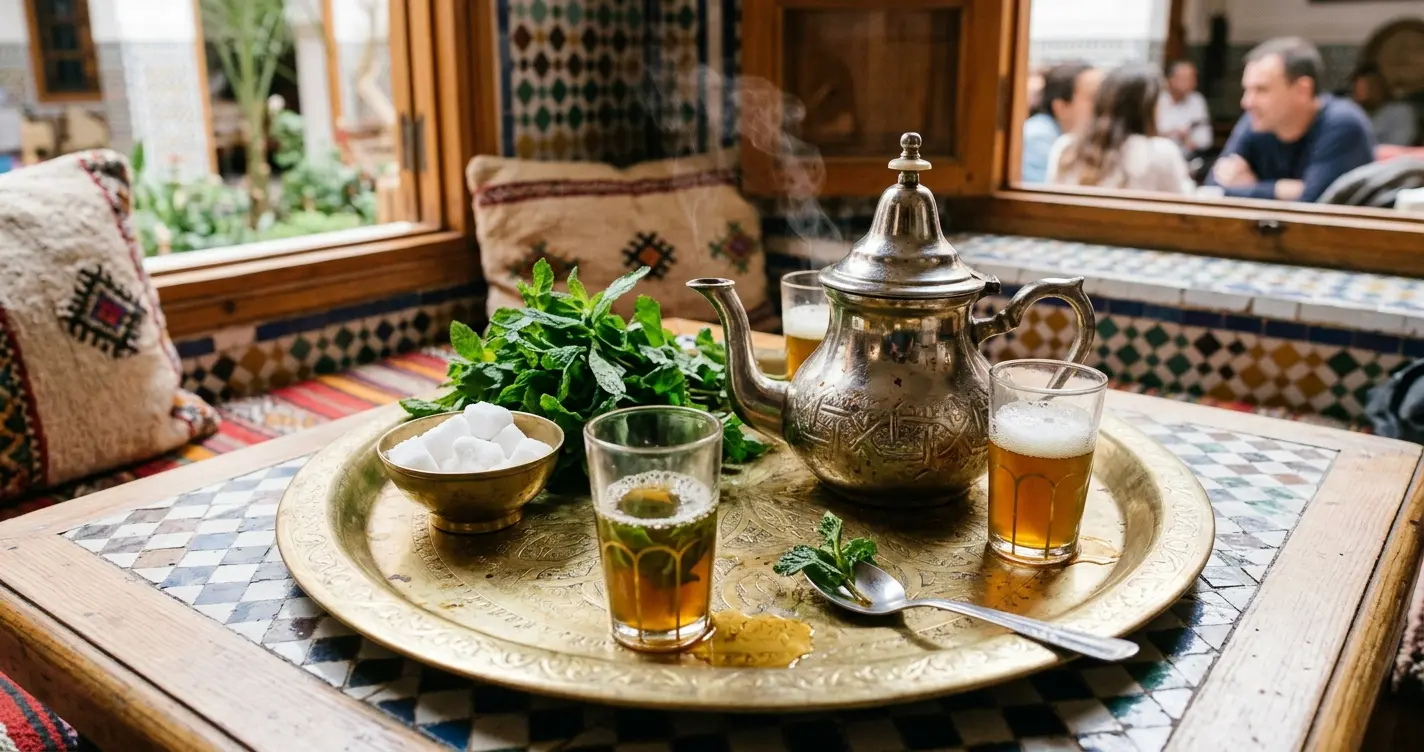
Tea is brewed in a distinctive silver or metal teapot and served in small, decorated glasses rather than mugs or cups. The glasses themselves are often part of a matched set passed down within a family, sometimes reserved specifically for guests rather than everyday use.
Step-by-Step: Brewing the Tea
The process typically involves rinsing the green tea leaves, adding fresh mint and sugar, then letting the mixture steep before pouring a small amount back into the pot to blend the flavors. This step is repeated once or twice before serving, a small but important detail that many casual observers miss entirely.
The Art of Pouring From Height
Tea is poured from a noticeable height above the glass, creating a light foam on top, a technique that takes practice to do without spilling. This flourish is as much about presentation as taste, and it’s often one of the first details travelers notice and remember.
The Role of Hospitality in Moroccan Tea Culture
Hospitality sits at the very center of Moroccan tea culture, shaping how and when tea is offered.
Tea as a Sign of Welcome
Offering tea to a visitor is one of the most immediate ways Moroccans express welcome, often happening within minutes of someone entering a home or shop. It signals that the guest is valued, regardless of how long the visit will last, and skipping this step can feel noticeably out of place.
Offering Tea to Guests and Strangers
Even in commercial settings, such as a carpet shop or tailor’s workshop, tea is frequently offered before any transaction begins, framing the interaction as a personal exchange rather than a purely commercial one. This can catch first-time visitors off guard, particularly if they assume the offer comes with an obligation to buy.
Why Refusing Tea Can Seem Impolite
Declining tea outright, particularly in a private home, can come across as rejecting the host’s hospitality rather than simply passing on a drink. Most visitors find it easier to accept a small amount, even if they don’t finish the glass.
Moroccan Tea Culture in Daily Life
Beyond formal hospitality, tea threads through ordinary daily routines in Morocco.
Tea at Home
Many households prepare tea several times a day, often around breakfast, mid-afternoon and after the evening meal, with the ritual barely varying from one day to the next. It’s as routine as it is meaningful, woven so tightly into daily rhythm that it rarely needs a special occasion to justify it.
Tea in Cafés and Public Life
Cafés across Morocco serve tea throughout the day, functioning as informal gathering spots where people read newspapers, chat or simply watch the street. Tea here is less ceremonial but still central to the experience, often ordered alongside a plate of pastries or simply on its own.
Tea During Work and Business Meetings
In offices and workplaces, tea often accompanies meetings and discussions, serving as a social lubricant before business matters are addressed directly. Skipping this step can feel abrupt in more traditional settings, where a shared drink often signals goodwill before negotiations even begin.
Moroccan Tea Culture and Social Gatherings
Larger gatherings bring Moroccan tea culture into sharper focus, with tea often marking key moments of the occasion.
Tea at Family Celebrations
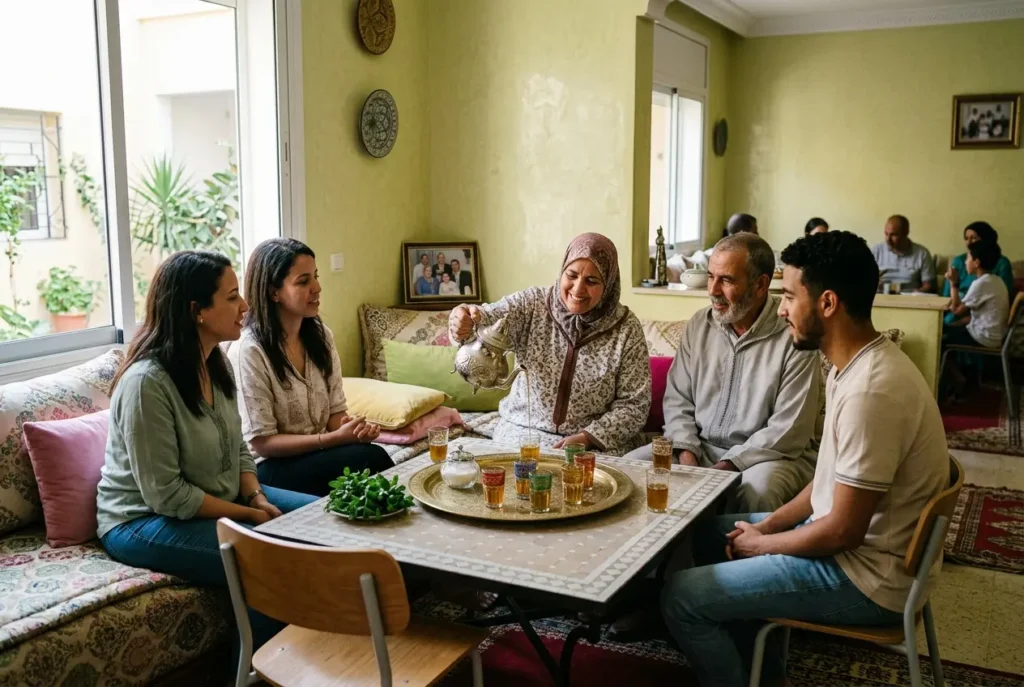
Weddings, religious holidays and family celebrations typically include an elaborate tea service, sometimes alongside pastries, as part of the broader hospitality shown to guests. The tea itself becomes part of the celebration’s rhythm, poured and refilled as conversation stretches on for hours.
Tea During Ramadan
During Ramadan, tea is commonly served after the fast is broken in the evening, often alongside dates and soup, though customs vary between households and regions. It plays a supporting role in the evening’s broader traditions rather than a fixed, universal one.
Tea as a Space for Conversation
Long tea sessions often double as spaces for extended conversation, negotiation or simply passing time together, with the slow pace of preparation encouraging people to stay rather than rush off. Some of the most meaningful exchanges between hosts and guests happen only after the second or third glass.
Regional Differences in Moroccan Tea Culture
While the core ritual stays consistent, Moroccan tea culture shows some regional texture worth noting.
Northern Morocco
In the north, tea customs show a touch of Mediterranean and Andalusian influence, sometimes reflected in slightly different serving styles or accompanying snacks. The core ritual, however, remains recognizably the same.
The Sahara and Desert Regions
In desert regions, tea preparation is closely tied to travel and hospitality on the road, with nomadic and rural traditions placing particular emphasis on offering tea to travelers passing through. It’s often prepared over an open fire rather than a stovetop.
Marrakech, Fes and Urban Traditions
Larger cities like Marrakech and Fes tend toward more refined presentation, with elaborate tea sets and a stronger emphasis on formal serving etiquette, particularly in riads and traditional homes.
The Symbolism Behind Moroccan Tea Culture
Beyond its social function, tea in Morocco carries layers of symbolic meaning.
Tea as a Symbol of Respect
Serving tea well is often read as a sign of respect toward guests, reflecting effort and attention rather than simply fulfilling a social obligation. A rushed or careless preparation can subtly signal the opposite.
The Meaning Behind the Three Glasses
A well-known saying describes three traditional glasses of tea, each with a different character as the leaves steep longer, though interpretations of the exact meaning vary between regions and storytellers. The idea broadly reflects how flavor, and perhaps friendship, deepens over time.
Tea as an Expression of Generosity
Because tea preparation takes time and effort, offering it generously is often seen as a direct expression of generosity, particularly when a host insists on refilling a guest’s glass repeatedly.
Who Prepares and Serves the Tea?
The person responsible for making tea often carries a quiet but recognized role within a household or gathering.
The Role of the Host
Traditionally, the head of the household or the host of a gathering takes responsibility for preparing and serving tea personally, rather than delegating it, particularly when guests are present.
Tea-Making as a Skill
Preparing tea well is considered a genuine skill, refined over years of practice, and it’s not unusual for certain family members to be known specifically for making excellent tea.
Passing Down the Tradition
The skill and ritual are typically passed down informally within families, with younger members learning by watching and eventually taking over the role themselves.
Moroccan Tea Culture and Gender Roles
Gender roles around tea preparation have historically followed certain patterns, though these are not fixed or universal.
Traditional Expectations
In many traditional households, tea preparation has historically fallen to women, particularly within the domestic setting, while men have often taken on the role during more formal or public gatherings.
How Attitudes Are Changing
These patterns are shifting gradually, especially in urban areas, as younger generations approach household roles with more flexibility than in previous decades. It would be inaccurate to describe any single rule as fixed across the whole country.
What Travelers Might Observe
Travelers may notice variation depending on the setting, family, or region they’re in, and it’s best not to assume a single pattern applies everywhere.
Experiencing Moroccan Tea Culture as a Traveler
Visitors to Morocco are likely to encounter tea culture directly within their first day or two.
Being Offered Tea in a Shop or Riad
It’s common to be offered tea almost immediately upon entering a shop, riad or guesthouse, often before any conversation about business or bookings begins.
Visiting a Local Home
If invited into a Moroccan home, tea is nearly guaranteed to be part of the visit, frequently accompanied by pastries or bread, and accepting it graciously is generally appreciated.
Tea Ceremonies for Tourists
Some tours and experiences now offer formal tea ceremonies designed for visitors, giving a structured introduction to the ritual, though these differ somewhat from the more casual daily version practiced at home.
Moroccan Tea Culture Etiquette for Visitors
A few etiquette points make navigating Moroccan tea culture easier as a guest.
Accepting or Declining Politely
Accepting at least a small amount is generally the easiest path, though a polite decline is usually understood if you explain a specific reason, such as caffeine sensitivity.
How Many Glasses to Drink
There’s no strict rule on how many glasses to drink, though accepting a second glass when offered is often seen as a small compliment to the host.
Complimenting the Tea
A simple, genuine compliment on the tea is generally well received and can help build rapport, particularly in a home or small business setting.
Where to Experience Moroccan Tea Culture Today
Several settings across Morocco offer a genuine taste of the tradition for travelers.
Traditional Cafés and Tea Houses
Long-standing cafés in medinas and city centers remain reliable places to observe daily tea culture in its more casual, everyday form.
Souks and Markets
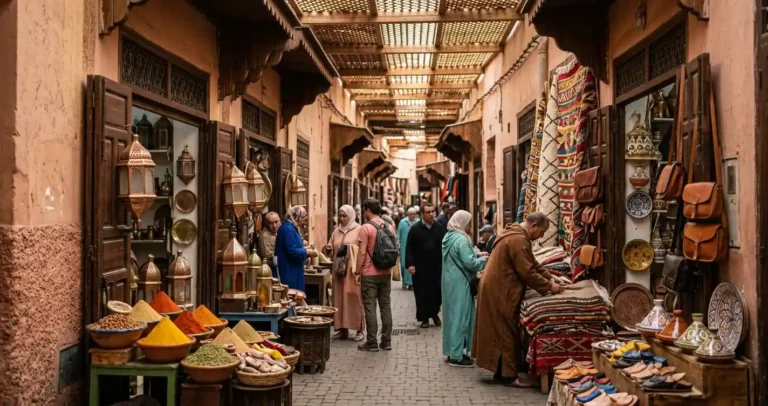
Shop owners in souks frequently offer tea as part of the shopping experience, turning a simple purchase into a slower, more personal interaction.
Riads and Guesthouses
Riads often incorporate tea service into check-in or breakfast, giving travelers a more formal introduction to the ritual within a comfortable, hosted setting.
Frequently Asked Questions About Moroccan Tea Culture
What is Moroccan tea culture?
Moroccan tea culture refers to the customs, etiquette and social meaning surrounding the preparation and sharing of mint tea across Morocco. It’s less about the drink itself and more about the ritual of offering it, tied closely to hospitality, respect and daily social life. Tea is prepared and shared in homes, shops, cafés and offices, often multiple times a day, making it one of the most visible threads running through Moroccan daily life and a natural entry point for understanding the country’s broader hospitality customs.
Why is tea so important in Morocco?
Tea is important in Morocco because it functions as a social ritual rather than simply a beverage, expressing hospitality, respect and generosity toward guests. Offering tea is often one of the first gestures made toward a visitor, whether in a home, shop or business setting. Because the preparation takes time and care, sharing it well is seen as a meaningful gesture, which is part of why the custom has remained so consistent across generations and regions.
What is in traditional Moroccan mint tea?
Traditional Moroccan mint tea combines gunpowder green tea, fresh spearmint leaves and a generous amount of sugar, brewed together rather than steeped separately. Some regions or households add other herbs depending on the season or local tradition. The balance between the tea’s bitterness, the mint’s freshness and the sugar’s sweetness is what defines a well-made glass, and getting that balance right is considered a genuine point of pride for many hosts.
Is it rude to refuse Moroccan tea?
Refusing Moroccan tea outright, particularly in a private home, can come across as declining the host’s hospitality rather than simply passing on a drink. Most visitors find it easier to accept a small amount, even if they don’t finish the full glass, as a way of acknowledging the gesture. A polite explanation, such as caffeine sensitivity, is generally understood and accepted without any awkwardness in most settings.
How is Moroccan tea traditionally served?
Moroccan tea is traditionally brewed in a distinctive metal teapot and served in small, decorated glasses rather than cups or mugs. It’s poured from a noticeable height above the glass, creating a light foam on top, a technique that takes some practice to master. The tea is often served two or three times throughout a visit, with hosts frequently refilling glasses as a sign of ongoing hospitality rather than a single one-off pour.
Do Moroccans drink tea every day?
Yes, tea is part of daily life for most Moroccans, commonly prepared multiple times a day around breakfast, mid-afternoon and after meals. It’s as much a routine habit as it is a social ritual, appearing in homes, cafés and workplaces alike. While the frequency can vary by household, tea remains one of the most consistent daily customs across different regions and social settings in Morocco.
What does Moroccan tea symbolize?
Moroccan tea symbolizes hospitality, respect and generosity, reflecting the effort a host puts into welcoming a guest properly. A well-known saying describes three traditional glasses, each said to carry a slightly different character as the leaves steep longer, often interpreted as a metaphor for how relationships deepen over time. Beyond this symbolism, tea also represents a shared pause in the day, a small ritual of slowing down together.
Final Thoughts on Moroccan Tea Culture
Moroccan tea culture reveals itself less through the drink and more through the pause it creates, a small ritual that turns an ordinary moment into an act of hospitality. Whether offered in a family home, a souk stall or a quiet café, the gesture carries the same underlying message of welcome. On your next visit, take the time to accept that first glass fully, since the conversation that follows is usually the real point of the ritual.