One Day in Chefchaouen (2026): The Perfect Itinerary for Morocco’s Blue City
Chefchaouen is small enough that a single well-planned day can cover its essential sights without making the visit feel rushed. The famous blue medina, Uta el-Hammam Square, the Kasbah, Ras El Maa and the Spanish Mosque can all fit naturally into one route, with plenty of time for lunch, coffee and wandering along the way. One Day in Chefchaouen works particularly well because the town is compact and most of the experience happens on foot. You don’t need to spend your day jumping between distant attractions. Instead, you can move gradually from the central medina toward the edge of town and finish with one of the best views over the Rif Mountains.
The key is not to fill every hour. Chefchaouen rewards curiosity, so leave enough room to turn down an interesting blue staircase, browse a small workshop or stop for mint tea when you find a terrace you like. This itinerary follows a practical route through the town from morning until sunset. It focuses on the places worth prioritizing when your time is limited while leaving out attractions that are better saved for a longer stay.
Can You See Chefchaouen in One Day?
Yes. For most first-time visitors, one full day is enough to experience the main attractions of Chefchaouen and get a genuine feel for the town. Unlike Fes or Marrakech, Chefchaouen’s historic center is relatively compact. The blue medina, Kasbah, Uta el-Hammam Square and Ras El Maa are all close enough to explore on foot, while the Spanish Mosque sits just above the town and makes a natural final stop.
What a one-day visit won’t give you is enough time for longer excursions outside Chefchaouen. The most important example is Akchour, whose waterfalls and mountain trails deserve several hours and are better treated as a separate half-day trip. Shopping can also take longer than expected. Chefchaouen is known for wool textiles, woven blankets, baskets, leather goods and other handicrafts, and browsing the medina’s shops can easily fill an afternoon if you enjoy taking your time.
For that reason, don’t treat this itinerary as a checklist that has to be completed minute by minute. The times are there to give your day structure, while the gaps between the major stops are deliberately left flexible.
One Day in Chefchaouen at a Glance
Morning Discover the Blue Medina
8:30 AM: Start at Bab El Ain and enter the old town.
9:00 AM: Wander through the blue medina without following a strict route.
10:00 AM: Explore Uta el-Hammam Square and visit the Kasbah.
11:30 AM: Leave the central square and explore quieter residential streets.
Afternoon Ras El Maa & Mountain Views
12:30 PM: Stop for lunch in or around the old town.
2:00 PM: Walk toward Ras El Maa and spend some time beside the mountain spring.
3:00 PM: Explore the upper parts of the medina and look for views over the rooftops.
Evening Spanish Mosque Sunset & Dinner
4:30 PM: Begin the uphill walk toward the Spanish Mosque.
Sunset: Watch the town from the hillside as the light changes.
7:30 PM: Return to the medina for dinner and a final evening walk.
The exact timing will depend on the season, particularly the time of sunset. During summer, you will have more daylight in the evening, while winter requires an earlier start to fit the same route comfortably.
Your One-Day Chefchaouen Itinerary
8:30 AM Start at Bab El Ain
Begin your day at Bab El Ain, one of the main entrances to Chefchaouen’s historic medina. It is an easy landmark to use as a starting point, particularly if you’re visiting for the first time and want a clear reference before heading into the smaller streets.
Starting early is worthwhile. The medina becomes progressively busier during the morning, particularly around the streets and staircases that have become popular photography spots. At this hour, you’ll have a much better chance of seeing the town before the busiest period begins.
Don’t worry about following a precise route immediately. Walk through the gate and let the streets lead you toward the center. Chefchaouen is compact enough that a little wandering won’t put you far from the main sights.
9:00 AM Wander the Blue Medina
Give yourself at least an hour to simply walk through the medina. This is one part of One Day in Chefchaouen where having no fixed destination can actually make the experience better. The blue paint changes noticeably from street to street. Some walls are pale and almost white, while others are deeper blue, with sunlight and shadows creating even more variation throughout the morning.
Look beyond the famous walls. You’ll find painted steps, small balconies, wooden doors, flower pots, tiny shops and workshops operating alongside ordinary homes. These details give the medina its character and make wandering more rewarding than moving directly between landmarks. This is also an excellent time for photography. If you find a particularly attractive staircase or doorway, take your photographs and continue rather than waiting for every person to disappear from the frame. The medina is a living neighborhood, and some of its best images are those that show the town as it actually looks.
10:00 AM Uta el-Hammam Square & the Kasbah
After exploring the surrounding lanes, make your way toward Uta el-Hammam Square, the social center of the old medina. The narrow streets open into a much larger public space surrounded by cafés and restaurants. The Kasbah and Grand Mosque are two of the square’s most prominent landmarks, making this a natural point to pause and get your bearings.
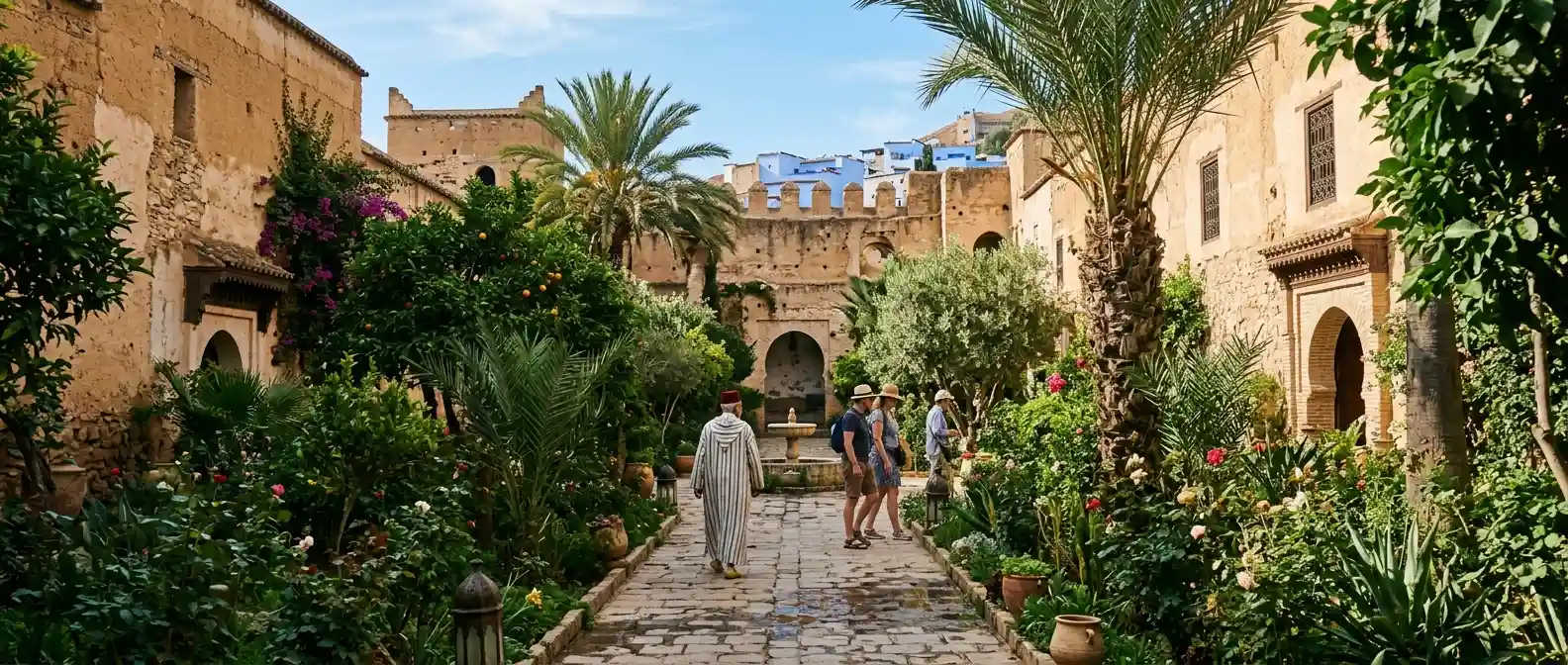
The Kasbah is worth visiting if you’re interested in Chefchaouen’s history. Inside, you’ll find a small museum and an Andalusian-style garden, while the tower provides an elevated perspective over the surrounding rooftops. You don’t need to spend hours here. Around 30 to 45 minutes is enough for most visitors to see the main areas before continuing with the itinerary.
After your visit, take a few minutes in Uta el-Hammam Square. You can stop for a coffee or mint tea if you want a break, but don’t make lunch your main meal here unless you particularly want to eat beside the square.
11:30 AM Explore the Medina’s Quiet Lanes
Now leave the central square and explore the surrounding residential streets. This is where Chefchaouen begins to feel different from the version you see in photographs. The tourist traffic becomes lighter, the shops become less concentrated and the blue-painted architecture starts blending into ordinary daily life. Walk uphill through the smaller lanes and follow whichever streets catch your attention. You’ll encounter flower-lined staircases, brightly painted doors and quieter corners where the only sounds may be conversation from a nearby home or the movement of people going about their day.
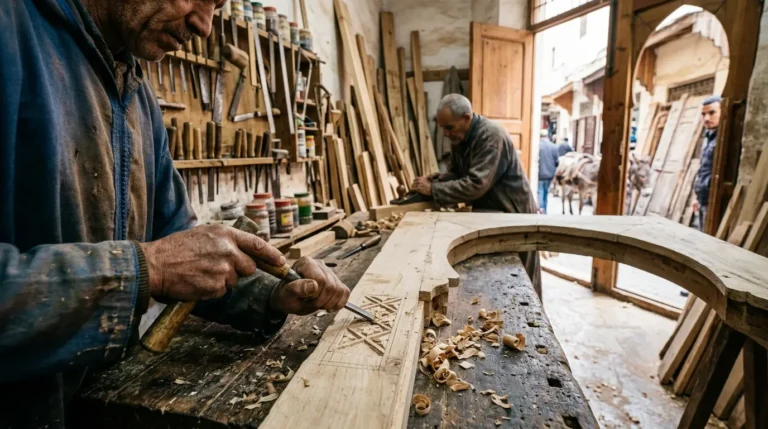
This is also a good time to browse local handicrafts. Chefchaouen has a long association with wool and woven products, so keep an eye out for blankets, textiles and other regional goods. If you see something you want to buy, you don’t have to make the decision immediately. Remember the shop and compare a few prices before returning later in the afternoon. Most importantly, remember that the medina is still a residential neighborhood. A photogenic doorway is someone’s home, so avoid blocking entrances and ask before taking close photographs of residents or private spaces.
12:30 PM Lunch in the Old Town
By lunchtime, you’ll have been walking for several hours, so take a proper break. Restaurants around Uta el-Hammam are convenient and atmospheric, but you can often find quieter options by walking a little farther into the medina. There is no need to choose the first restaurant you see.
A traditional Moroccan lunch might include tagine, couscous, zaalouk, other Moroccan salads and fresh bread. If you see local goat cheese on the menu, it is also worth trying given the region’s association with goat farming and dairy products. During the warmer months, a lighter meal can make the afternoon more comfortable. You still have several hours of walking ahead, including the climb toward the Spanish Mosque.
Allow around an hour for lunch. There’s little benefit in rushing through one of the few proper opportunities to sit down during the day.
2:00 PM Walk to Ras El Maa
After lunch, continue toward Ras El Maa at the eastern edge of the medina. The walk takes you away from the busiest central streets and toward the point where mountain water reaches the town. The atmosphere becomes noticeably more open, making Ras El Maa a natural place to pause after several hours among the narrow lanes.
You don’t need a long visit. Twenty to thirty minutes is enough to sit near the water, take photographs and enjoy the change of scenery. Ras El Maa is not a huge attraction that requires a detailed sightseeing plan. Its value comes from the contrast it provides with the dense architecture of the medina.
If you’re visiting during the warmer months, this is also a good opportunity to slow down and drink some water before continuing.
3:00 PM Explore the Upper Medina
From Ras El Maa, begin working your way back through the higher parts of the medina. The streets here become steeper, but the effort comes with better views. Look back between the buildings and you’ll occasionally see the blue rooftops spreading below you, with the Rif Mountains forming the backdrop.
By this point, you may already have walked several kilometers. Don’t worry about maintaining a strict pace. Chefchaouen’s streets are much more enjoyable when you give yourself permission to stop. This is also a convenient time to finish your shopping. If you spotted a textile, piece of pottery or other handicraft earlier, you can return to it now rather than carrying your purchases around for the entire day.
Keep an eye on the time as you approach late afternoon. You don’t need to rush, but you want to leave enough margin for the climb to the Spanish Mosque before sunset.
4:30 PM Head Toward the Spanish Mosque
Start making your way toward the path leading to the Spanish Mosque. The uphill walk takes roughly 20 minutes for many visitors, although your starting point and walking pace will affect the actual time. The route is straightforward, but the incline becomes noticeable after a full day of walking.
During busier periods, vendors along the route may sell fresh orange juice, making this a convenient place for a final drink before reaching the viewpoint. Don’t try to time your arrival for the exact moment of sunset. Getting there 30 to 45 minutes early is much better.
You’ll have time to find a comfortable place, take photographs and watch the landscape change rather than arriving just as the sun is disappearing.
Sunset Watch Chefchaouen Turn Blue from Above
The Spanish Mosque is the classic sunset viewpoint over Chefchaouen. From the hillside, the entire medina spreads below you, with its blue and white buildings packed between the surrounding slopes. The Rif Mountains create a dramatic backdrop without requiring a long hike outside the town. The final half hour before sunset is particularly beautiful.
As the sun drops, shadows stretch across the rooftops and the colors of the medina gradually deepen. The town begins to look very different from the close-up streets you explored during the morning. Stay for a few minutes after the sun disappears. The first evening lights begin appearing across the medina, and the view becomes quieter as the day visitors start heading back down.
Bring a light layer if you’re visiting outside the hottest months. The exposed hillside can feel considerably cooler once the sun is gone.
7:30 PM Dinner in the Medina
Walk back into the medina for dinner. After a full day on foot, keep the evening uncomplicated. You can choose a rooftop restaurant if you want another view over Chefchaouen, but there is no need to chase another panoramic experience after sunset. A quieter restaurant in the old town can be just as enjoyable.
For dinner, consider a Moroccan tagine, grilled meat or vegetables, Moroccan salads and fresh bread. Mint tea is an obvious way to finish the meal, particularly if you’re not in a hurry. If you still have energy afterward, take one final walk through the evening medina. The atmosphere changes noticeably after the main daytime crowds have disappeared.
The Best Walking Route for One Day in Chefchaouen
Why This Route Works
The route is designed around Chefchaouen’s geography rather than simply placing attractions into a list. You begin near Bab El Ain, move toward Uta el-Hammam and the Kasbah, explore the surrounding residential lanes, continue toward Ras El Maa and then work your way toward the upper parts of the medina.
The day finishes outside the old town at the Spanish Mosque. That creates a logical progression from the busiest central streets to quieter areas and eventually to an open viewpoint above the town. There is some backtracking, but that’s unavoidable in a historic medina. The objective is to minimize unnecessary crossings while keeping the major stops connected.
How Much Walking to Expect
Expect an active day. Chefchaouen is compact, but its medina is not flat. Stairs, slopes and uneven paving appear regularly, and the Spanish Mosque adds another uphill section at the end of the day. The total distance is less important than the elevation changes. A route that looks short on a map can still feel demanding after several hours of walking.
Wear comfortable shoes with good grip, particularly if you plan to explore beyond the main tourist streets.
Where to Slow Down
The late-morning wandering section is deliberately flexible because it gives you time to experience the medina rather than simply photograph it. Ras El Maa is another natural pause, while the Spanish Mosque deserves enough time to enjoy the sunset without watching the clock. These breaks are not wasted time. They are what keep One Day in Chefchaouen from becoming an exhausting list of attractions.
What to Eat During One Day in Chefchaouen
Traditional Moroccan Dishes to Try
Chefchaouen doesn’t require a complicated food itinerary. A simple Moroccan breakfast can include eggs, olives, bread, olive oil and cheese. If your accommodation serves a local breakfast, this is an easy way to start the morning without losing time. Goat cheese is worth looking for during your visit, particularly if you want to try something associated with the region.
For lunch or dinner, tagine is an obvious choice. Chicken, lamb and vegetable versions are widely available, while the exact selection will depend on the restaurant. Moroccan salads such as zaalouk are useful if you want something lighter, while harira is particularly appealing during cooler weather.
Where to Have Lunch
The restaurants around Uta el-Hammam are convenient, but you don’t have to eat directly on the square. Walking one or two streets farther into the medina can lead to quieter restaurants and sometimes better value. Take a quick look at several menus before choosing rather than assuming the busiest tourist area is automatically the best place to eat.
What to Order for Dinner
Dinner is a good opportunity to slow down after the day’s walking. A traditional tagine with bread and Moroccan salads makes an easy choice, while regional products such as goat cheese are worth asking about if they aren’t clearly listed on the menu. A rooftop terrace can be enjoyable, especially if you want to see the evening lights across the medina.
How to Get Around Chefchaouen
Walking Through the Medina
Walking is the easiest way to explore Chefchaouen. The historic medina is pedestrian-focused, and many of its narrow lanes are inaccessible to regular vehicles. Once you’re inside the old town, most of the itinerary can be completed entirely on foot. The compact layout is one of the reasons Chefchaouen works so well for a short visit.
When You Need a Taxi
Taxis are mainly useful when you’re arriving from another city, leaving Chefchaouen or traveling to accommodation outside the central area. You won’t need a taxi to move between the main sights in this itinerary.
If you’re visiting as part of a larger Morocco road trip, however, a taxi can be useful for getting between your accommodation and the medina entrance when parking or road access makes walking inconvenient.
Do You Need a Guide for One Day?
Not necessarily. Chefchaouen is relatively easy to explore independently, particularly compared with the much larger medinas of Fes and Marrakech. A guide can still add value if you’re interested in the history of the town, local architecture, traditional crafts or the culture of the Rif region. For travelers primarily interested in walking, photography, food and independent exploration, however, a guide isn’t essential for seeing the main sights.
What to Skip If You Only Have One Day
Places Better Saved for a Longer Stay
The biggest attraction to leave out is Akchour. The waterfalls and surrounding mountain scenery are worth visiting, but they require a separate block of time. Trying to add them to this itinerary means sacrificing several hours in the medina. Shopping is another activity that deserves its own time if you’re particularly interested in Moroccan crafts. You can certainly buy a few things during a one-day visit, but don’t feel that you need to explore every shop.
Why You Should Not Overload the Itinerary
Chefchaouen looks small enough on a map to encourage overplanning. That is exactly what you should avoid. The town’s appeal is not based on the number of attractions you can visit. Much of the experience comes from walking between them, sitting down for tea and seeing how the medina changes as you move away from the main square. Adding too many stops simply makes those moments disappear.
If you only have one day, prioritize the medina, Kasbah, Ras El Maa and Spanish Mosque. Everything else is optional.
Practical Tips for One Day in Chefchaouen
Start Early
Starting around 8:30 or 9:00 AM gives you a quieter first few hours and leaves plenty of flexibility later. This is especially useful if photography is important to you.
Wear Proper Shoes
Chefchaouen’s streets can be steep and uneven. Add several hours of walking and the uphill route to the Spanish Mosque, and comfortable footwear becomes essential.
Respect Residential Streets
Many of the medina’s most attractive streets are also people’s homes. Don’t block entrances, enter private spaces or photograph residents without permission. A little awareness goes a long way in a place where tourism and everyday life share the same streets.
Bring Cash and Water
Carry some cash for smaller restaurants, cafés, shops and other purchases. Keep water with you throughout the day, particularly during summer. You can buy drinks along the route, but having water in your bag means you don’t have to interrupt your walk every time you need a drink.
Plan Around the Season
Summer visitors should take advantage of the cooler morning and evening hours. Start early, take a longer break around lunchtime and avoid rushing through the hottest part of the afternoon. Winter is different. Days can be pleasant, but temperatures can fall quickly after sunset, particularly on the exposed hillside near the Spanish Mosque. Spring and autumn are often comfortable for a walking-heavy itinerary, although weather conditions in the Rif can change.
Keep Your Schedule Flexible
The best One Day in Chefchaouen itinerary is structured but not rigid. If you discover a quiet street worth exploring, take the detour. If you find a café with a good terrace, stay for another ten minutes. If lunch takes longer than planned, adjust the next stop rather than trying to make up every lost minute. You have enough time to see the essential sights.
One Day in Chefchaouen: Frequently Asked Questions
Is one day enough for Chefchaouen?
Yes. One full day is enough to explore the blue medina, visit the Kasbah, see Ras El Maa and watch sunset from the Spanish Mosque. It isn’t enough to comfortably combine all of those experiences with an Akchour excursion.
What should I not miss in Chefchaouen?
Prioritize the blue medina, Uta el-Hammam Square, the Kasbah, Ras El Maa and the Spanish Mosque. Those experiences give you a good introduction to the town without requiring an overloaded schedule.
What time should I arrive in Chefchaouen?
Arrive in the morning whenever possible. Starting around 8:30–9:00 AM gives you a quieter beginning and enough time to explore without rushing later in the day. If you’re visiting as a day trip from Tangier or Fes, an early departure is particularly important.
Can you walk around Chefchaouen in one day?
Yes.The main sights are close enough to connect on foot. The main challenge is the combination of stairs, slopes and uneven paving rather than the overall distance.
Is Chefchaouen worth visiting for just one day?
Yes. One day is enough to see the main sights and experience the atmosphere of the medina. Staying overnight gives you more freedom, but a well-planned day can still provide a satisfying introduction to the town.
Where should I go for sunset in Chefchaouen?
The Spanish Mosque is the classic viewpoint. The walk from the medina takes roughly 20 minutes for many visitors, and the hillside offers a broad view across the blue rooftops and surrounding Rif Mountains. Arrive before sunset rather than trying to reach the viewpoint at the exact moment the sun disappears.
Should I visit Akchour on a one-day trip to Chefchaouen?
Not if your priority is seeing Chefchaouen properly. Akchour requires several hours and is better treated as a separate excursion. If both are priorities, adding an extra day is the more practical option.
What is the best time of day to photograph Chefchaouen?
Early morning is usually the easiest time to photograph the medina before the busiest pedestrian traffic arrives. Late afternoon is better for elevated views, particularly around the Spanish Mosque, when the lower sunlight creates longer shadows across the rooftops.
What should I wear in Chefchaouen?
Comfortable walking shoes are the priority. You’ll encounter stairs, uneven paving and slopes throughout the day. Outside the warmer months, bring an additional layer for the evening, particularly if you’re staying at the Spanish Mosque after sunset.
Final Thoughts: Making One Day in Chefchaouen Count
One Day in Chefchaouen is enough when you focus on the experiences that actually define the town. Start early in the medina, when the streets are still relatively quiet. Explore the blue lanes before making your way toward Uta el-Hammam and the Kasbah, then leave the central area behind and spend some time among the quieter residential streets. After lunch, continue toward Ras El Maa and the upper medina before making the climb to the Spanish Mosque. Finish the day above the rooftops as the last light reaches the Rif Mountains.
You don’t need to see every attraction. In fact, trying to do so can make Chefchaouen less enjoyable. Leave space for the moments that aren’t on the itinerary: a small workshop, an unexpected viewpoint, a cup of mint tea, a quiet staircase or simply a few minutes watching everyday life unfold around you.
One Comment
Comments are closed.