Morocco’s Atlantic Coast: The Ultimate Guide to Beaches, Surf & Coastal Towns
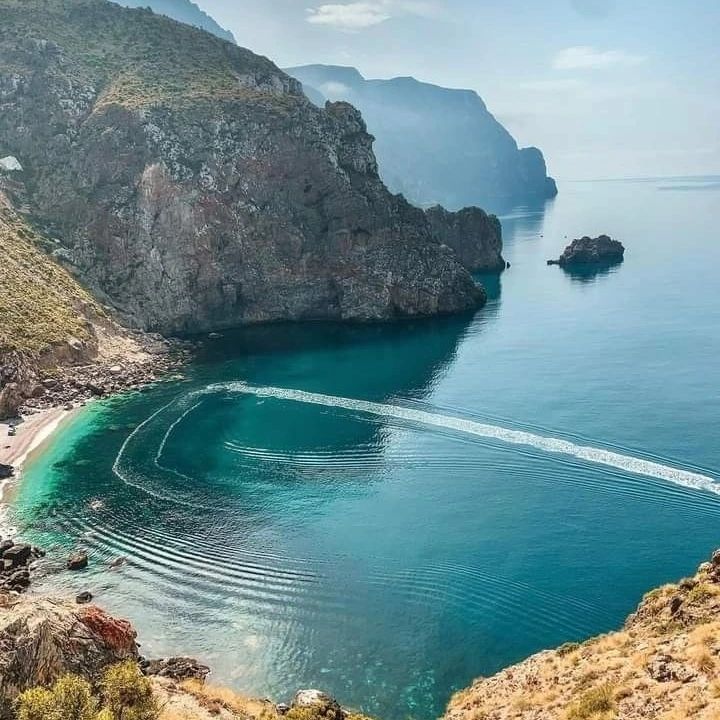
The Atlantic Coast Morocco stretches for over 3,500 kilometres—from the Mediterranean gateway of Tangier to the wild shores of the deep south. Dramatic cliffs, golden beaches, historic ports, vibrant fishing towns, world-class surf breaks, and relaxed seaside cities make the Atlantic Coast Morocco one of North Africa’s most diverse coastal journeys.
Explore Morocco’s Atlantic CoastAtlantic Coast Morocco at a Glance
The key details for your coastal adventure.
Why the Atlantic Coast Morocco deserves your attention.
While travellers flock to Morocco’s medinas and deserts, the Atlantic Coast Morocco remains one of the country’s greatest and least appreciated treasures. Stretching from Tangier in the north to the Saharan shores near Dakhla in the south, the coast offers an astonishing variety of landscapes, experiences, and atmospheres—all within a single country.
The northern coast around Tangier and Asilah is a world of whitewashed towns, relaxed beaches, and Mediterranean-influenced culture. Asilah’s medina, painted in brilliant whites and blues each summer by international artists, sits right on the ocean. The beaches here are wide, golden, and uncrowded.
Move south and the coast transforms. Casablanca offers a cosmopolitan beachfront. Rabat blends historic ramparts with seaside corniche.
The stretch between Safi and Essaouira is raw, windswept Atlantic—cliffs, hidden coves, and some of the finest surf in Africa. Essaouira itself is a UNESCO World Heritage port town where the medina meets the ocean, the winds are constant, and the seafood is among the freshest in the country.
Further south, Agadir offers Morocco’s longest sandy beach and a modern resort atmosphere. Beyond Agadir, the coast becomes wilder and more dramatic—the legendary Legzira Beach with its natural stone arches, the surf paradise of Imsouane, and the lagoon of Dakhla, one of the world’s great kitesurfing destinations.
The seafood along the Atlantic coast is extraordinary. Every fishing town has its own harbour restaurants where the morning catch is grilled over charcoal within sight of the boats that caught it. Sardines, sea bass, prawns, squid, and lobster—the Atlantic delivers some of the freshest, most affordable seafood anywhere in the world.
A coastal road trip along the Atlantic is one of Morocco’s greatest experiences. The N1 highway follows the coast for hundreds of kilometres, passing through fishing villages, past crumbling Portuguese fortresses, along endless sandy beaches, and through landscapes that shift from olive groves to argan forests to semi-desert. Every stop reveals something different.
Morocco’s Atlantic coast is not a single destination but a journey—one that rewards those who take the time to explore its many faces. From the cultural sophistication of Tangier to the wild surf breaks of the south, the coast offers a Morocco that few visitors discover.
Atlantic Coast Morocco experiences that stay with you.
Every stretch of the Atlantic Coast Morocco offers something different. These are the defining experiences.
Beach Escapes
Golden sand stretches for kilometres at Agadir, Asilah, and Legzira. From family-friendly resort beaches to wild, empty shores, the Atlantic has a beach for every mood.
Surfing
Morocco is one of the world’s great surf destinations. Taghazout, Imsouane, and the coast south of Essaouira offer consistent swells, warm water, and breaks for every level.
Fresh Seafood
From the harbour grills of Essaouira to the fish markets of Safi, the Atlantic delivers some of the freshest, most affordable seafood in the world. Sardines, prawns, lobster, and sea bass.
Historic Ports
Portuguese fortresses in Essaouira, El Jadida, and Asilah. Ancient trading ports where European, African, and Arab cultures have mingled for centuries. Today the network of harbours is managed by the Moroccan National Ports Agency, keeping these working ports alive. History meets the ocean.
Sunset Walks
The Atlantic sunsets are legendary. The sun drops directly into the ocean, painting the sky in gold and crimson. The beach at Legzira, the ramparts of Essaouira, and the Corniche of Agadir are prime spots.
Boat Excursions
Fishing trips, dolphin-watching tours, and coastal cruises depart from most port towns. Essaouira’s pirate island excursion and Dakhla’s lagoon tours are particularly memorable.
Coastal Photography
The light on the Atlantic coast is extraordinary—golden at sunrise, dramatic at sunset. The stone arches of Legzira, the blue boats of Essaouira, and the whitewashed walls of Asilah are iconic subjects.
Whale & Dolphin Watching
Humpback whales pass the coast between February and April. Dolphins are spotted year-round off Dakhla, Essaouira, and Imsouane. A magical experience on the open Atlantic.
Where to explore the Atlantic Coast Morocco.
Each destination offers a different coastal experience—from cultural ports to wild surf beaches.
Essaouira
The most atmospheric town on the Atlantic Coast Morocco. A UNESCO medina meets the Atlantic, constant winds create a kitesurfing paradise, and the harbour delivers the freshest seafood daily.
Agadir
Morocco’s premier beach resort. Ten kilometres of golden sand, year-round sunshine, modern hotels, and a laid-back seaside atmosphere. The gateway to the southern Atlantic coast.
Asilah
A whitewashed artistic gem on the northern coast. Its medina is painted by international artists each summer, the beaches are wide and uncrowded, and the atmosphere is bohemian and relaxed.
Legzira Beach
Home to Morocco’s most iconic natural stone arches. A wild, windswept beach where dramatic geological formations create one of the most photogenic coastal landscapes in Africa.
Dakhla
A lagoon paradise on the edge of the Sahara. World-class kitesurfing, extraordinary birdlife, and a remote, otherworldly atmosphere that feels like the end of the earth.
Casablanca
Morocco’s largest city meets the Atlantic. The Corniche promenade, the Hassan II Mosque on the ocean, and a cosmopolitan dining scene make it a coastal city with real substance.
Rabat
The capital’s Atlantic promenade offers the Corniche, the ancient ramparts of the Kasbah des Oudaias meeting the sea, and some of the most elegant coastal walks in Morocco.
How the Atlantic Coast Morocco changes as you travel south.
Every stretch of the Atlantic Coast Morocco offers a completely different experience—shaped by geography, climate, and centuries of cultural exchange.
Northern Atlantic
The coast from Tangier to Rabat is the most culturally rich. Historic towns, Mediterranean influences, wide sandy beaches, and a relaxed pace that rewards slow exploration.
- Tangier - international flair and Cape Spartel
- Asilah - artistic medina and summer festivals
- Larache - unspoiled fishing town
- Rabat - capital city meets the ocean
Central Atlantic
The coast from Casablanca to Essaouira is Morocco’s most dynamic. Historic cities, world-class surf, UNESCO heritage, and some of the finest seafood restaurants on the continent.
- Casablanca - cosmopolitan beachfront
- El Jadida - Portuguese fortress city
- Safi - pottery capital and surfing
- Essaouira - windswept port and kitesurfing
Southern Atlantic
The coast south of Agadir is wild, dramatic, and increasingly remote—the purest stretch of the Atlantic Coast Morocco. Natural rock formations, world-class surf, and the vast lagoon of Dakhla create a landscape unlike anywhere else.
- Taghazout - surf village and bohemian vibe
- Imsouane - longest wave in Morocco
- Legzira - iconic stone arches
- Dakhla - kitesurfing paradise and desert lagoon
How to explore the Atlantic Coast Morocco.
The Atlantic Coast Morocco is best experienced over several days, ideally by road trip. The N1 highway follows the coast for hundreds of kilometres, but the real discoveries lie on the smaller roads that branch off towards the ocean.
For surfers, the coast between Essaouira and Agadir is the heartland. Taghazout is the most established surf town, with board rentals, surf schools, and a growing café scene. Imsouane, further south, offers the longest rideable wave in Morocco—a right-hand point break that can run for over a kilometre on a good swell.
For families, Agadir is the safest bet—ten kilometres of gently shelving sandy beach, lifeguards, calm waters, and family-friendly resorts. Asilah in the north is another excellent choice, with calm, sheltered beaches and a compact, walkable medina.
For road-trippers, the journey from Essaouira to Dakhla is one of Africa’s great drives—passing through wild landscapes, abandoned Portuguese fortresses, and fishing villages where time seems to have stopped.
The Atlantic Coast Morocco by season.
Each season brings different conditions for beaches, surf, and coastal exploration.
Spring (Mar-May)
The sweet spot. Warm enough for the beach, cool enough for sightseeing. Wildflowers line the coastal roads, and the Atlantic light is at its most beautiful. Ideal for road trips and coastal walks.
Summer (Jun-Aug)
Peak beach season on the Atlantic Coast Morocco. Agadir and Asilah are at their busiest. The coast south of Essaouira is windy (perfect for kitesurfing, challenging for swimming). Essaouira’s climate remains comfortable year-round.
Autumn (Sep-Nov)
Excellent conditions. The summer crowds thin, the water is at its warmest, and the surf season begins in earnest. September and October are ideal for combining beach time with coastal exploration.
Winter (Dec-Feb)
The big swell season for surfers. Atlantic storms bring powerful waves to Taghazout and Imsouane. Whale watching season begins. Beaches are quiet, and coastal towns have an intimate, local atmosphere.
What to know before you go.
Beach and Ocean Safety
- Respect the Atlantic: The Atlantic is not the Mediterranean. Currents are strong, waves are powerful, and the water is cooler than expected. Swim at patrolled beaches.
- Check conditions: Ask locals about currents and tides before swimming. Not all beaches have lifeguards, especially in the south.
- Sun protection: The Moroccan sun is intense. High SPF sunscreen, a hat, and UV-protective clothing are essential, even on overcast days.
- Wind awareness: The Atlantic coast is windy, especially around Essaouira and the south. Windproof clothing and securing loose items are important.
- Seafood freshness: Eat at harbour restaurants where the catch is visibly fresh. The fish should smell of the ocean, not fishy.
- Photography: Always ask permission before photographing fishermen, boat crews, or locals at the harbour.
Travel and Comfort
- Road trip preparedness: Fill your fuel tank before leaving towns in the south. petrol stations can be far apart on the wild southern coast.
- Pack layers: Coastal mornings and evenings can be cool, even in summer. A light jacket is useful for windy days.
- Surf gear: Board rental is available in all surf towns. Wetsuits are provided but bring your own rash vest for comfort.
- Cash: Small coastal towns may not accept cards. Carry enough dirham for meals and fuel.
- Book ahead in summer: Essaouira and Agadir accommodations fill up in July-August. Reserve early for the best riads and hotels.
- Responsible tourism: Take all rubbish from the beach. Support local fishermen by buying directly. Respect marine life and nesting areas.
Atlantic Coast Morocco: Your Questions Answered.
Which Atlantic destination is best for a first visit?
Essaouira is the best all-rounder—beautiful medina, excellent seafood, constant winds, and a relaxed atmosphere. Agadir is best for pure beach holidays. Asilah is ideal for culture lovers who want uncrowded beaches.
Is Morocco good for surfing?
Absolutely. Morocco is one of the world’s top surf destinations. The coast between Essaouira and Agadir has consistent swells year-round, warm water, and breaks for every level—from gentle whitewater for beginners to powerful point breaks for experienced surfers.
Can you swim in the Atlantic?
Yes, but with caution. The Atlantic is cooler and more powerful than the Mediterranean. Swim at patrolled beaches, be aware of currents, and check conditions with locals. The beaches at Agadir and the sheltered bays near Essaouira are safest.
Is the water cold?
The Atlantic is cooler than you might expect. Summer water temperatures range from 18-22 degrees Celsius depending on location. The south (Dakhla, Legzira) is warmer. A wetsuit is recommended for extended surfing or swimming in winter.
Which beaches are family-friendly?
Agadir has the longest, safest family beach with lifeguards and gentle waves. Asilah offers calm, sheltered waters and a compact medina. Taghazout is better suited to surfers than families with young children.
What is the best coastal road trip?
The drive from Essaouira to Dakhla is spectacular—passing through wild landscapes, abandoned Portuguese fortresses, and remote fishing villages. Allow 2-3 days minimum. The shorter Essaouira to Agadir drive takes a day and is equally rewarding.
When is the best surfing season?
The surf season runs year-round, but the best conditions are from October to April when Atlantic storms bring powerful swells. Summer (June-August) is better for beginners with smaller, more manageable waves.
Which town has the best seafood?
Essaouira has the most celebrated seafood scene—the harbour restaurants serve the morning’s catch grilled over charcoal. Safi is famous for its ceramics and its fish restaurants. Any fishing town along the coast will serve exceptional seafood.
How many days should I spend on the coast?
Allow at least 3-4 days for any single coastal destination. A complete coastal road trip from Tangier to Dakhla takes 10-14 days. A focused trip covering Essaouira, Agadir, and the southern coast works well in 5-7 days.
Is the Atlantic Coast Morocco worth visiting?
Absolutely. The Atlantic Coast Morocco is one of the most diverse and rewarding coastlines in the world—combining world-class surf, extraordinary seafood, historic ports, and landscapes that range from golden beaches to wild desert shores. It deserves far more attention than it receives.
Discover Morocco’s Endless Coastline.
From the whitewashed ramparts of Asilah to the wild stone arches of Legzira, the Atlantic Coast Morocco is a journey of discovery—one that reveals new beaches, new flavours, and new horizons at every turn. Let MoroccOdyssey guide you to the shore.
Explore Destinations