Mountain Adventures Morocco: The Ultimate Guide to the Atlas Mountains
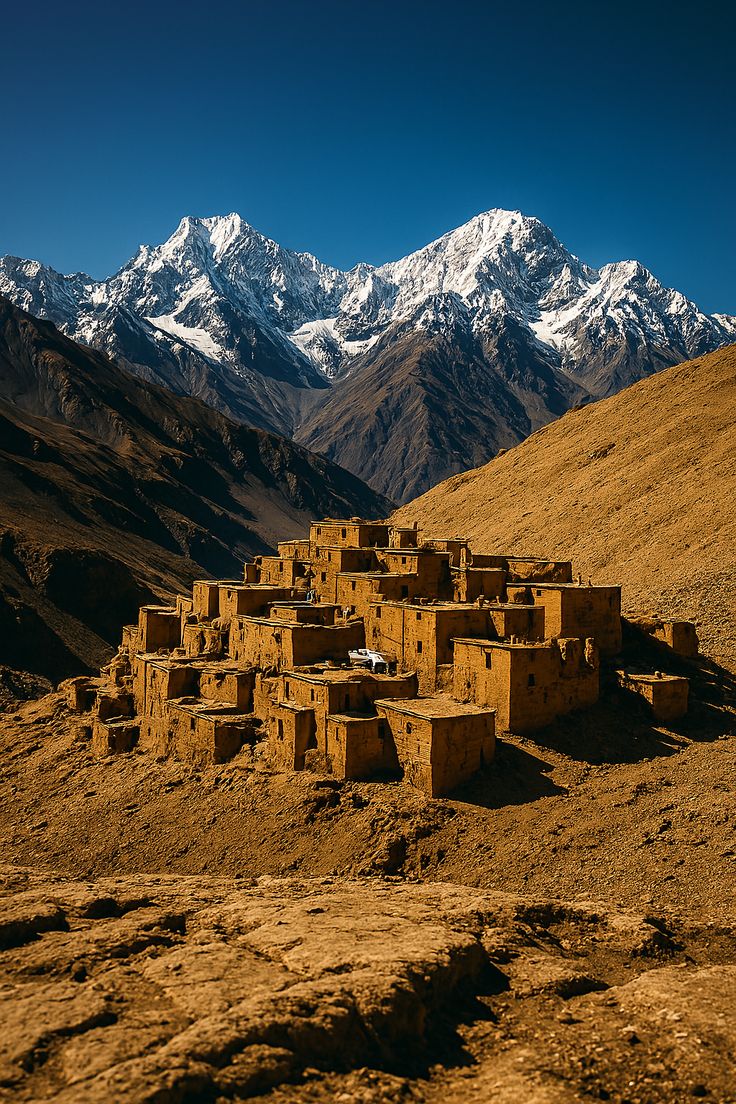
From snowcapped peaks and terraced valleys to ancient Berber villages clinging to cliff faces, Morocco’s Atlas Mountains offer some of the most dramatic and rewarding landscapes in North Africa. Mountain Adventures Morocco take you beyond the medinas and souks into the High Atlas, where every trail reveals the country’s extraordinary beauty.
Start Your Mountain AdventureMountain Adventures Morocco at a Glance
The key details to help you plan Mountain Adventures Morocco in the Atlas.
Why Mountain Adventures Morocco deserve more attention.
When travellers think of Morocco, they think of medinas, souks and the Sahara. What they rarely imagine is a mountain range that stretches 2,500 kilometres across the entire country, peaks that rise above 4,000 metres, and valleys so lush and terraced that they look like they belong in Southeast Asia rather than North Africa. Mountain Adventures Morocco reveal the Atlas Mountains as Morocco’s great hidden asset—a world-class mountain destination that most visitors never fully explore.
The Atlas is really three ranges. The High Atlas, running through central Morocco, contains the highest peaks, including Mount Toubkal at 4,167 metres—the tallest summit in North Africa. The Middle Atlas, north of the High Atlas, is a gentler landscape of cedar forests, lakes and the charming town of Ifrane, often called “Little Switzerland.” The Anti-Atlas, to the south, is older, drier and more remote—a landscape of weathered rock, argan forests and traditional Berber villages that see almost no tourists.
What ties these ranges together is the Berber culture that has shaped them for millennia. The mountains are home to some of Morocco’s oldest communities—families who have farmed the terraces, tended the orchards and built the stone villages for centuries. To walk through the Atlas is to walk through a living cultural landscape, not a museum.
You will be invited for mint tea. You will share bread baked in communal ovens. You will see a way of life that has changed far less than the medinas and cities below.
The mountains also offer extraordinary natural beauty. In spring, wildflowers carpet the valleys. Waterfalls thunder through gorges.
Cedar and juniper forests shelter Barbary macaques and rare birds. The light in the Atlas is different from anywhere else in Morocco—clearer, sharper, turning the rock faces gold and rose at sunrise and sunset. For photographers, hikers, and anyone who loves landscape, the Atlas Mountains are an endless source of wonder.
Every Morocco itinerary should include Mountain Adventures Morocco—not as a day trip from Marrakech, but as a destination in its own right. Whether you choose a gentle valley walk, a challenging summit, or simply a few days in a mountain village, the Atlas will give you a side of Morocco that few visitors ever see.
Mountain experiences that define Mountain Adventures Morocco.
The Atlas Mountains offer far more than a view from the road. These are the moments that define Mountain Adventures Morocco—the trails, the villages, the silence of the high peaks.
Hiking
From gentle valley walks to the summit of Mount Toubkal, the Atlas offers trails for every level. The paths wind through terraced hillsides, past waterfalls and through traditional villages.
Trekking
Multi-day treks through the High Atlas take you deep into Berber country—sleeping in mountain gites, crossing passes, and walking landscapes that few visitors ever see.
Scenic Mountain Drives
The Tizi n’Tichka pass, the Dades Valley road, the Ounila Valley—Morocco’s mountain drives are among the most spectacular in the world. Every hairpin turn reveals a new panorama.
Berber Village Visits
Step into villages that have existed for centuries. Share mint tea with a family, watch bread being baked in a communal oven, and experience hospitality that has not changed in generations.
Waterfalls
The Ouzoud Waterfalls cascade 110 metres through olive groves, while hidden falls in the Dades and Ourika valleys reward those who explore off the main road.
Cedar Forests
The Middle Atlas cedar forests are home to Barbary macaques, rare birds, and a coolness that feels a world away from the plains below. The Azrou cedar forest is a particular highlight.
Wildlife Watching
Barbary macaques, golden eagles, mountain goats, and dozens of bird species call the Atlas home. The forests and high plateaus are Morocco’s richest wildlife habitats.
Mountain Photography
The light in the Atlas is extraordinary—clear, sharp, and constantly changing. From village life to summit panoramas, the mountains offer endless photographic subjects.
Where to experience Mountain Adventures Morocco.
Each mountain destination offers a different experience—from the accessible valleys near Marrakech to the wild anti-Atlas in the south.
Atlas Mountains
The backbone of Morocco—2,500 kilometres of snowcapped peaks, terraced valleys, and Berber villages. The ultimate mountain destination for hikers, trekkers, and culture seekers.
Ifrane
Known as “Little Switzerland,” this charming Middle Atlas town sits among cedar forests and lakes. Cool summers, snowy winters, and a pace of life unlike anywhere else in Morocco.
Ouzoud Waterfalls
Morocco’s most spectacular waterfalls—110 metres of cascading water through olive groves and red rock. A perfect day trip or overnight from Marrakech.
Dades Valley
The “Road of a Thousand Kasbahs” winds through dramatic gorges and rose-coloured valleys. One of Morocco’s most scenic drives and a gateway to the Sahara.
Todra Gorge
300-metre canyon walls rise on either side of a narrow valley. A natural wonder and a paradise for rock climbers, walkers, and anyone who loves dramatic landscapes.
Tizi n’Tichka Pass
The highest paved pass in North Africa at 2,260 metres. The drive from Marrakech to Ouarzazate over the Tichka is one of Morocco’s most iconic mountain roads.
Itineraries for Mountain Adventures Morocco.
Whether you have a day or a week, these itineraries give you the best of the mountains.
Day Trip: Ourika Valley and Atlas Foothills
A half-day or full-day escape from Marrakech into the lower High Atlas, passing through Berber villages and ending at a waterfall.
- Depart Marrakech early morning via the Ourika Road
- Visit a traditional Berber house and learn about argan oil production
- Hike to Setti Fatma waterfall (about 1 hour each way)
- Lunch at a riverside restaurant with valley views
- Optional: visit a pottery cooperative in Setti Fatma
3-Day Atlas Valley Explorer
Three days through the Dades Valley, Todra Gorge, and the palmeraies of Skoura. A road trip through Morocco's most scenic mountain landscapes.
- Day 1: Marrakech to Ouarzazate via Tizi n'Tichka pass
- Day 2: Dades Valley and Todra Gorge exploration
- Day 3: Skoura palmeraie and return via the Valley of Roses
5-Day Toubkal and Berber Villages
A comprehensive mountain experience combining the Toubkal trek with visits to Imlil, Setti Fatma, and the Ourika Valley.
- Day 1: Marrakech to Imlil, afternoon village walk
- Day 2: Ascent of Jebel Toubkal (4,167m)
- Day 3: Descent to Imlil, drive to Setti Fatma
- Day 4: Ourika Valley waterfall hike
- Day 5: Return to Marrakech
7-Day Grand Atlas Traverse
The complete mountain experience from Marrakech to the Anti-Atlas and back, covering the High Atlas, Dades Valley, Todra Gorge, and the Tichka pass.
- Day 1-2: Marrakech to Imlil, Toubkal trek
- Day 3: Drive to Ouarzazate via Tizi n'Tichka
- Day 4: Dades Valley and Kelaat M'Gouna
- Day 5: Todra Gorge exploration
- Day 6: Skoura and Ouarzazate
- Day 7: Return to Marrakech
Getting to Mountain Adventures Morocco.
Marrakech Menara Airport (RAK) is the gateway to Mountain Adventures Morocco, with direct flights from most major European and international cities. From Marrakech, the mountains begin within an hour's drive.
For the High Atlas, the town of Imlil (about 90 minutes from Marrakech) is the main starting point for treks including Mount Toubkal, most of which run through Toubkal National Park, the protected heart of the High Atlas managed by Morocco’s Agence Nationale des Eaux et Forêts. A hire car with a driver is the easiest option, though shared grand taxis are available for budget travellers.
For the Dades Valley and Todra Gorge, the drive from Marrakech takes about 5-6 hours via the Tizi n'Tichka pass and Ouarzazate. This is one of Morocco's most spectacular drives, and many travellers break the journey overnight in Ouarzazate or Ait Ben Haddou.
For the Middle Atlas and Ifrane, the drive from Marrakech takes about 6-7 hours, or you can fly directly to Fes and drive south into the mountains from there.
A seasonal guide to Mountain Adventures Morocco.
Each season brings a different mountain experience from wildflower meadows to snowcapped peaks.
Spring (Mar-May)
The best all-round season for Mountain Adventures Morocco. Wildflowers carpet the valleys, temperatures are comfortable for hiking, and the waterfalls are at their most dramatic. The Atlas in spring is magical.
Summer (Jun-Aug)
Hot on the plains but pleasant at altitude. The High Atlas offers cool relief from Marrakech's heat, though July and August can be busy on popular trails. The Middle Atlas remains comfortable.
Autumn (Sep-Nov)
Another excellent season. The summer heat eases, the light is golden, and the trails are quieter. October and November are ideal for both hiking and scenic drives.
Winter (Dec-Feb)
Snow transforms the High Atlas into a winter landscape. Not ideal for most hiking, but the Middle Atlas offers something unique: skiing at Oukaïmeden and snowy village visits. Ifrane in winter is genuinely beautiful.
What to know before you go.
Packing Essentials
- Layers: Mountain weather changes rapidly. Bring a warm mid-layer even in summer.
- Walking shoes: Sturdy boots for hiking, comfortable shoes for village walks.
- Sun protection: The sun is intense at altitude. Hat, sunscreen, and sunglasses are essential.
- Water: Carry at least 2 litres on any hike. There are few shops on mountain trails.
- Small backpack: For day hikes and carrying snacks, water, and layers.
- Cash: ATMs are rare in mountain villages. Bring enough Moroccan dirham for your stay.
Cultural Etiquette
- Ask before photographing: Always ask permission before photographing people, especially women.
- Accept tea: If invited for mint tea, accept graciously. It is a gesture of hospitality.
- Dress modestly: The mountains are conservative. Cover shoulders and knees in villages.
- Respect homes: Remove shoes when entering a Berber home unless told otherwise.
- Tipping: Tip guides and muleteers fairly. Mountain hospitality is genuine but not free.
- Learn a few words: Even basic greetings in Tamazight (Berber) or Darija are warmly received.
Mountain Adventures Morocco: Your Questions Answered.
Do I need to be very fit to hike in the Atlas Mountains?
Not necessarily. Mountain Adventures Morocco offers trails for every fitness level, from gentle valley walks to the challenging Toubkal summit. Most visitors can enjoy the lower trails without special training. For multi-day treks or high-altitude hikes, a reasonable level of fitness is recommended.
Can I visit the Atlas Mountains without a guide?
For day walks near villages and established trails, you can often go independently. For multi-day treks, higher peaks like Toubkal, or remote areas, a licensed guide is strongly recommended and in some cases required. Guides provide safety, cultural insight, and access to accommodation.
What is accommodation like in the mountains?
Options range from basic Berber gites (guesthouses) with shared rooms and home-cooked meals, to comfortable mountain lodges with en-suite rooms. In larger towns like Imlil and Aremd, there are several well-reviewed hotels. For trekkers, mountain refuges provide basic but clean overnight stops.
Is it safe to travel in the Atlas Mountains?
Yes, the Atlas Mountains are generally very safe for travellers. Moroccan hospitality is legendary, and mountain communities are welcoming. Standard travel precautions apply: carry cash, tell someone your plans, and be prepared for changing weather.
When is the best time to visit the Atlas Mountains?
Spring (March to May) and autumn (September to November) offer the best conditions for Mountain Adventures Morocco, with comfortable temperatures and clear skies. Summer is hot at lower elevations but pleasant at altitude. Winter brings snow to the High Atlas and is ideal for Middle Atlas villages.
Can I combine a mountain trip with a Sahara Desert visit?
Absolutely. Many travellers combine Mountain Adventures Morocco with the Sahara in a single itinerary. The Dades Valley and Todra Gorge serve as natural gateways between the mountains and the desert. A 7-10 day trip covering Marrakech, the Atlas, and Merzouga is a popular and rewarding combination.
What should I pack for the Atlas Mountains?
Layered clothing is key. Even in summer, mornings and evenings can be cool at altitude. Bring sturdy walking shoes, sun protection, a warm jacket, and a rain layer. A small daypack, water bottle, and cash (there are few ATMs in mountain villages) are essential.
How many days do I need for the Atlas Mountains?
A day trip from Marrakech covers the Ourika Valley or a single walk. Two to three days allow you to explore the Dades Valley and Todra Gorge properly. Four to five days give you time for a Toubkal trek plus valley exploration. A week allows for a comprehensive Grand Atlas traverse.
Are the Atlas Mountains suitable for families?
Yes. The lower valleys, waterfall walks, and village visits are excellent for families with children. Older children and teenagers may enjoy a multi-day trek. The Middle Atlas around Ifrane is particularly family-friendly, with gentle landscapes and wildlife to spot.
What is a Berber gite and is it worth staying in one?
A gite is a traditional Berber guesthouse, usually run by a local family. Staying in one is one of the best ways to experience mountain culture. You will eat home-cooked food, sleep in a real Berber home, and gain insights no hotel can provide. Most gites are simple but clean, with warm hospitality that makes up for any lack of luxury.
Your Mountain Adventure Starts Here.
The Atlas Mountains are waiting. Let MoroccOdyssey help you plan the perfect Mountain Adventures Morocco experience.
Get in Touch