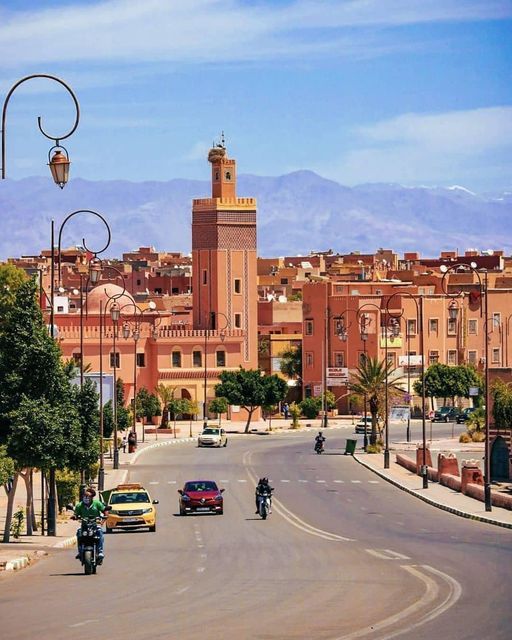
Ouarzazate
Known as the Hollywood of Africa, Ouarzazate sits at the edge of the Sahara where the Atlas Mountains surrender to vast desert plains. Home to the legendary Atlas Film Studios, the imposing Kasbah Taourirt, and a gateway to some of Morocco's most spectacular southern landscapes, this pre-Saharan city has captivated filmmakers, adventurers, and wanderers for decades. It is where Morocco's cinematic fantasies and ancient Berber heritage meet under an endless sky.
Why Visit Ouarzazate?
A crossroads of cinema and Saharan grandeur — the city is where Morocco's film heritage, Berber architecture, and desert adventure converge in one magnetic destination.
Hollywood of Morocco
Decades of blockbuster filming have earned the city its cinematic nickname. From Lawrence of Arabia to Game of Thrones, this destination has shaped some of cinema's most iconic desert sequences.
Atlas Film Studios
The largest film studio in the world by area, with permanent sets spanning ancient Egypt, medieval Jerusalem, and the Sahara. A living museum of moviemaking craft.
Gateway to the Sahara
Positioned at the threshold of Morocco's great southern desert, Ouarzazate is the natural launching point for expeditions to Merzouga, Zagora, and the vast dune seas beyond.
Kasbah Taourirt
One of Morocco's most impressive kasbahs — a labyrinth of carved plaster, painted ceilings, and towering earthen walls that once served as the seat of the Glaoui clan's power.
Draa Valley & Oases
Just south of the city, the Draa Valley unfolds in a ribbon of date palms, ancient kasbahs, and irrigation channels — a green artery threading through the desert landscape.
Desert Road Trip Hub
Whether heading to the Dades Gorge, the Todra Canyon, the Sahara dunes, or back over the Tizi n'Tichka, the city anchors some of Morocco's most unforgettable drives.
Ouarzazate at a Glance
The essentials before you head into the pre-Saharan light.
Top Things to Do in Ouarzazate
Ten experiences that capture the essence of Morocco's desert capital — from cinematic sets to Saharan horizons.
Atlas Film Studios
Wander through permanent film sets that recreate ancient cities, desert fortresses, and Egyptian temples. The studios have hosted over a thousand productions, and the guided tour brings each one vividly to life.
Kasbah Taourirt
Explore the towering walls and intricate interiors of this 19th-century kasbah, once the residence of the powerful Glaoui pashas. Restored rooms reveal carved stucco, painted cedar ceilings, and dramatic courtyard spaces.
Skoura Oasis
A forty-minute drive east, Skoura is a lush palm grove dotted with crumbling kasbahs and irrigated gardens. Walk among the date palms, visit the Kasbah Amridil, and feel the deep calm of oasis life.
Fint Oasis
Hidden in a rugged canyon just south of the city, Fint is a secret garden of fig trees, flowing water, and ancient irrigation channels. Berber families still tend the terraces much as they have for centuries.
Ait Ben Haddou Day Trip
The UNESCO World Heritage ksar sits just 30 kilometers away — an easy day trip from Ouarzazate. Walk through centuries-old mud-brick kasbahs and climb to the summit for sweeping desert panoramas.
Draa Valley Drive
Follow the N9 south through the Draa Valley — an unbroken ribbon of palm groves, crumbling ksars, and Berber villages flanked by barren mountain ridges. One of Morocco's most scenic desert drives.
Taourirt Kasbah Museum
Inside Kasbah Taourirt, the museum traces the city's history from prehistoric rock art through the Glaoui dynasty to the modern era. The painted reception hall alone is worth the visit.
Local Souks
The city's weekly souk and daily market stalls overflow with spices, Berber textiles, silver jewellery, and locally produced argan oil. A less frantic alternative to Marrakech's medina markets.
Desert Excursions
Multi-day trips to the Sahara depart daily from Ouarzazate. Whether you head to the Erg Chebbi dunes near Merzouga or the nearer Draa Valley camps, the desert experience is transformative.
Sunset Photography
The city's outskirts offer unobstructed views of the Anti-Atlas in every direction. Drive to a rocky plateau on the western edge and watch the desert ignite in amber and violet.
Atlas Film Studios
Spread across 30,000 square metres of desert terrain, Atlas Film Studios is the largest working film studio in the world by area. Since its founding in 1983, it has drawn productions from every corner of the global film industry, transforming the city from a quiet garrison town into one of cinema's most important locations.
- Lawrence of Arabia — David Lean's 1962 masterpiece was among the first major international productions to use the city's desert, establishing the pre-Saharan region's cinematic reputation
- Gladiator — the surrounding desert and nearby ksars formed the opening battle sequences and the vision of Proximo's homeland in Ridley Scott's Oscar-winning epic
- Game of Thrones — Seasons 3 and 4 used the region extensively as the exterior of Yunkai, Astapor, and the approach to Slaver's Bay across the southern Moroccan landscape
- The Mummy — the desert plains east of the city provided the vast Egyptian panoramas, with Atlas Studios housing the interior tomb and temple sets
- Prince of Persia — the studio's permanent sets of ancient desert cities served as the backbone of Jerry Bruckheimer's adaptation of the video game franchise
- Permanent sets — visitors can walk through recreated Egyptian temples, medieval Jerusalem streets, and Tibetan monasteries that remain standing between productions
Kasbah Taourirt
Rising from the heart of the medina, Kasbah Taourirt is one of the most significant and visually striking earthen fortresses in southern Morocco. Built in the 19th century by the Glaoui family — the powerful clan that controlled the mountain passes between Marrakech and the Sahara — the kasbah was once a sprawling palace of over 600 rooms.
- Glaoui dynasty — the fortress served as the seat of the Glaoui pashas, whose political influence shaped southern Morocco for generations
- Earthen architecture — towering walls of pise (rammed earth) rise three storeys high, decorated with geometric plasterwork and painted cedar ceilings in the finest rooms
- Restoration — ongoing conservation work has restored several key chambers, including the grand reception hall and the harem quarters, revealing the kasbah's former opulence
- Cultural identity — the kasbah is the symbolic heart of the city, appearing on postcards, currency, and in countless photographs as the defining landmark of southern Morocco
- Museum interior — the restored sections house exhibits on traditional Berber life, regional crafts, and the kasbah's role in the city's history
- Urban setting — unlike many remote kasbahs, Taourirt sits in the centre of the city, making it effortlessly accessible and a natural starting point for exploring the area on foot
Skoura Oasis & Nearby Attractions
Within an hour's drive of the city, the landscape shifts from barren desert to verdant oasis. The Skoura palm grove is the most accessible and rewarding of these green enclaves — a shaded world of date palms, fig trees, and ancient irrigation channels fed by snowmelt from the High Atlas.
- Skoura Oasis — one of Morocco's largest palm groves, stretching over 30,000 hectares and sheltering dozens of historic kasbahs within its canopy
- Kasbah Amridil — the most photographed kasbah in the oasis, its image appears on Morocco's ten-dirham banknote — a symbol of the region's architectural heritage
- Fint Oasis — a hidden canyon oasis south of the city, where Berber families maintain terraced gardens along a flowing stream surrounded by towering red cliffs
- Draa Valley — the road south through the Draa Valley passes through one continuous oasis, with crumbling ksars, Berber villages, and ancient date palm forests stretching toward Zagora
- Ait Ben Haddou — the UNESCO ksar is just 30 minutes west, making it an easy half-day trip combined with Atlas Film Studios or the Skoura palm grove
- Day trip circuit — Skoura, Fint, and the Draa Valley can be combined into a single loop from the city, covering Morocco's most diverse desert landscapes in one day
Best Time to Visit
Ouarzazate sits at 1,160 metres on the edge of the Sahara — the climate is arid, the summers are fierce, and the winters are surprisingly crisp at night. Each season brings its own rhythm.
Spring & Autumn
- March–May — the ideal window. Daytime temperatures sit around 22–28 degrees, the light is golden and clear, and the surrounding oases are at their most vibrant with spring growth
- September–November — equally comfortable temperatures, fewer tourists, and the desert light takes on a deeper, warmer tone as the year moves toward winter
Summer & Winter
- June–August — daytime temperatures regularly exceed 40 degrees. Sightseeing is best confined to early morning and late afternoon. Carry water at all times and avoid the midday hours between 11am and 4pm
- December–February — pleasant daytime temperatures (15–20 degrees) but cold nights that can drop near freezing. The clear winter skies are excellent for desert photography and stargazing
Where to Stay
From palatial kasbah hotels to desert camps under the stars — Ouarzazate offers a range of accommodation that matches its dramatic landscape.
Luxury Hotels
Grand kasbah-style resorts with infinity pools, spa facilities, and panoramic views of the Anti-Atlas. Le Berbere Palace and Kenzi Azghor are standout choices for indulgent desert stays.
Boutique Kasbahs
Restored earthen guesthouses offering intimate Berber hospitality, hand-painted interiors, rooftop terraces, and the kind of authenticity that larger hotels cannot replicate.
Mid-Range Hotels
Comfortable, well-located options in the city centre with air conditioning, pools, and easy walking distance to Kasbah Taourirt and the medina.
Budget Guesthouses
Family-run riads and simple hotels offering clean rooms, warm hospitality, and a front-row seat to daily life in Morocco's desert capital.
Food & Local Culture
Pre-Saharan cuisine is rustic, generous, and deeply rooted in Berber tradition — shaped by the desert landscape, the mountain passes, and centuries of caravan trade.
- Berber cuisine — slow-cooked lamb tagine with prunes and almonds, hand-rolled couscous with root vegetables, and mechoui prepared in traditional underground clay ovens
- Local restaurants — family-run spots in the medina serve generous portions of traditional dishes at modest prices; follow the locals to find the best kitchens in the city
- Mint tea ceremony — freshly brewed with generous amounts of sugar and fresh mint, poured from a height in the traditional Berber fashion — more ritual than beverage
- Desert flavours — dates, dried figs, and almonds from the surrounding oases appear in everything from tagines to desserts, adding a distinctly southern character to every meal
- Street food — freshly baked msemen, grilled kefta, and seasonal fruit from roadside vendors offer an affordable and delicious way to eat like a local
- Weekly souk — the main market day brings vendors from across the region with spices, olives, fresh produce, and traditional breads baked in communal clay ovens
Getting to Ouarzazate
Sitting at the crossroads of Morocco's most dramatic road corridors, Ouarzazate is surprisingly accessible despite its desert setting.
- From Marrakech — the drive takes approximately 4–5 hours (320 km) over the spectacular Tizi n'Tichka pass through the High Atlas — one of Morocco's most iconic road trips
- From Ait Ben Haddou — just 32 kilometers east, a 30-minute drive along the N9 — easily combined in a single day with Atlas Film Studios
- Flight — Ouarzazate Airport (OZZ) receives domestic flights from Casablanca and Marrakech, with seasonal connections from European cities during peak tourist season
- Bus — CTM and Supratours operate comfortable coaches from Marrakech, Fes, and Casablanca, with the city as a major stop on southern Morocco routes
- Rental car — the most flexible option, particularly if planning to explore the Draa Valley, Dades Gorge, or continue onward to the Sahara dunes
- Guided tours — multi-day tours from Marrakech combine the city with Ait Ben Haddou, the gorges, and the desert — ideal for travellers who prefer a curated experience
Getting Around
Ouarzazate is a walkable city, though the surrounding desert landscapes reward those who venture beyond the centre on wheels.
- Walking — the medina, Kasbah Taourirt, and the city centre are all within comfortable walking distance. The flat terrain and clear signage make self-guided exploration straightforward
- Rental car — essential for reaching the Skoura Oasis, Fint Oasis, Atlas Film Studios, and Ait Ben Haddou at your own pace
- Guided tours — half-day and full-day tours cover the major sites with transport included, ideal if you prefer not to navigate unfamiliar desert roads
- Day trips — Ait Ben Haddou, Skoura, the Draa Valley, and the Dades Gorge are all within easy driving distance and make excellent additions to a stay in the city
Suggested Itineraries
Whether you have a few hours or several days, here is how to make the most of your time in the desert capital.
Half Day
- Kasbah Taourirt & museum
- Walk through the medina
- Sunset viewpoint on the western edge
- Dinner at a local kasbah restaurant
1 Day
- Morning: Atlas Film Studios tour
- Lunch in the medina
- Afternoon: Kasbah Taourirt & souk
- Late afternoon: drive to Skoura Oasis
- Sunset photography among the palms
Ouarzazate + Ait Ben Haddou
- Day 1: Film studios & Kasbah Taourirt
- Day 2: Ait Ben Haddou morning visit
- Day 2 afternoon: Skoura & Fint Oasis
- Day 2 evening: sunset in the palm grove
Southern Morocco Road Trip
- Day 1: Marrakech to Ouarzazate via Tizi n'Tichka
- Day 2: Film studios & Ait Ben Haddou
- Day 3: Dades Gorge & Todra Gorge
- Day 4: Merzouga & Sahara dunes
- Day 5: Return via the Draa Valley
Destinations Across Morocco
From imperial cities to desert dunes and Atlantic coast — discover more of what Morocco has to offer.
Practical Tips for Visiting
Desert travel demands preparation. A few essential tips to help you explore Ouarzazate and the surrounding pre-Saharan landscape with confidence and comfort.
- Clothing — lightweight, breathable layers are essential. Cover shoulders and knees out of respect; long sleeves also protect against sun, wind, and desert sand
- Sun protection — the pre-Saharan sun is relentless at this altitude. SPF 50+, a wide-brimmed hat, and sunglasses are non-negotiable even on overcast days
- Cash — larger hotels accept cards, but many souks, restaurants, and small vendors are cash-only. Bring sufficient dirhams from Marrakech or withdraw at the city's ATMs
- Photography — the best light is in the first and last two hours of daylight. Midday sun flattens the earthen architecture and washes the desert tones to a pale beige
- Guided vs independent — the city centre is easy to navigate alone, but desert excursions and oasis visits benefit greatly from a knowledgeable local guide
- Family travel — the city is well-suited for families. The flat terrain, moderate walking, and fascinating film sets make it engaging for children of all ages
- Desert prep — if heading to the Sahara, carry extra water, a warm layer for cold desert nights, and a headlamp for camp navigation after dark
Related Travel Guides
Practical planning resources to help you navigate Morocco with confidence.
Frequently Asked Questions
Is Ouarzazate worth visiting?
Absolutely. The city is one of Morocco's most distinctive destinations — a place where cinema, Berber heritage, and the Saharan frontier converge. Whether you are a film enthusiast, an architecture lover, or a road-tripper heading south, it offers an experience unlike anywhere else in the country.
How many days should I spend in Ouarzazate?
2–3 days is ideal. This covers Atlas Film Studios, Kasbah Taourirt, the medina, and a day trip to Ait Ben Haddou or the Skoura Oasis. A single day works if you are pressed for time, but two days allow a more relaxed pace.
What is Ouarzazate famous for?
Its role as the Hollywood of Africa, home to Atlas Film Studios where Gladiator, Game of Thrones, and Lawrence of Arabia were filmed. The city is also known for Kasbah Taourirt, the Draa Valley, and its position as the gateway to the Sahara desert.
Is Ouarzazate safe?
Yes. It is one of Morocco's most popular tourist destinations and very safe for visitors. Exercise normal precautions — carry water, protect yourself from the sun, and be mindful of your belongings in crowded market areas.
What is the best time to visit Ouarzazate?
Spring (March–May) and autumn (September–November) offer the most comfortable temperatures and the best light for photography. Summer is extremely hot; winter is cool but pleasant by day with clear skies ideal for stargazing.
Is there an entrance fee for Atlas Film Studios?
Yes. Tickets are approximately 50–70 MAD for adults, with guided tours available in multiple languages. The tour typically takes 1.5–2 hours and covers the major permanent sets and sound stages.
Can I visit Ouarzazate as a day trip from Marrakech?
Technically yes, though the 4–5 hour drive each way makes it a very long day. A 2-day trip combining the drive over the Tizi n'Tichka pass with Ouarzazate and Ait Ben Haddou is far more rewarding and allows you to enjoy the journey.
Is Ouarzazate family friendly?
Yes. The flat terrain, fascinating film sets, and easy walking make it engaging for children. The Atlas Film Studios tour is particularly popular with younger visitors, and the surrounding oases offer plenty of space for exploration.
What movies were filmed in Ouarzazate?
Lawrence of Arabia, Gladiator, Game of Thrones, The Mummy, Prince of Persia, Kingdom of Heaven, Asterix & Obelix: Mission Cleopatra, and hundreds more. The Atlas Film Studios have hosted productions from every major global studio.
Can I combine Ouarzazate with the Sahara?
Perfectly. The city is the natural starting point for desert expeditions to Merzouga (Erg Chebbi) and Zagora (Erg Chegaga). Most southern Morocco itineraries include it as the launch point for the Sahara crossing.
Do I need a rental car in Ouarzazate?
Not strictly for the city itself, which is walkable. However, a rental car is highly recommended if you plan to explore the surrounding attractions — Ait Ben Haddou, Skoura Oasis, the Draa Valley, and the Dades Gorge are all best reached independently.
What is the altitude of Ouarzazate?
The city sits at approximately 1,160 metres above sea level. The altitude keeps temperatures slightly lower than the lowland desert, but the sun is still intense. Sun protection is essential year-round regardless of the season.
Ready to Discover Ouarzazate?
From Atlas Film Studios and Kasbah Taourirt to the palm groves of Skoura and the Sahara beyond — Ouarzazate is Morocco's desert capital, waiting to be explored. Let MoroccOdyssey help you plan the rest.