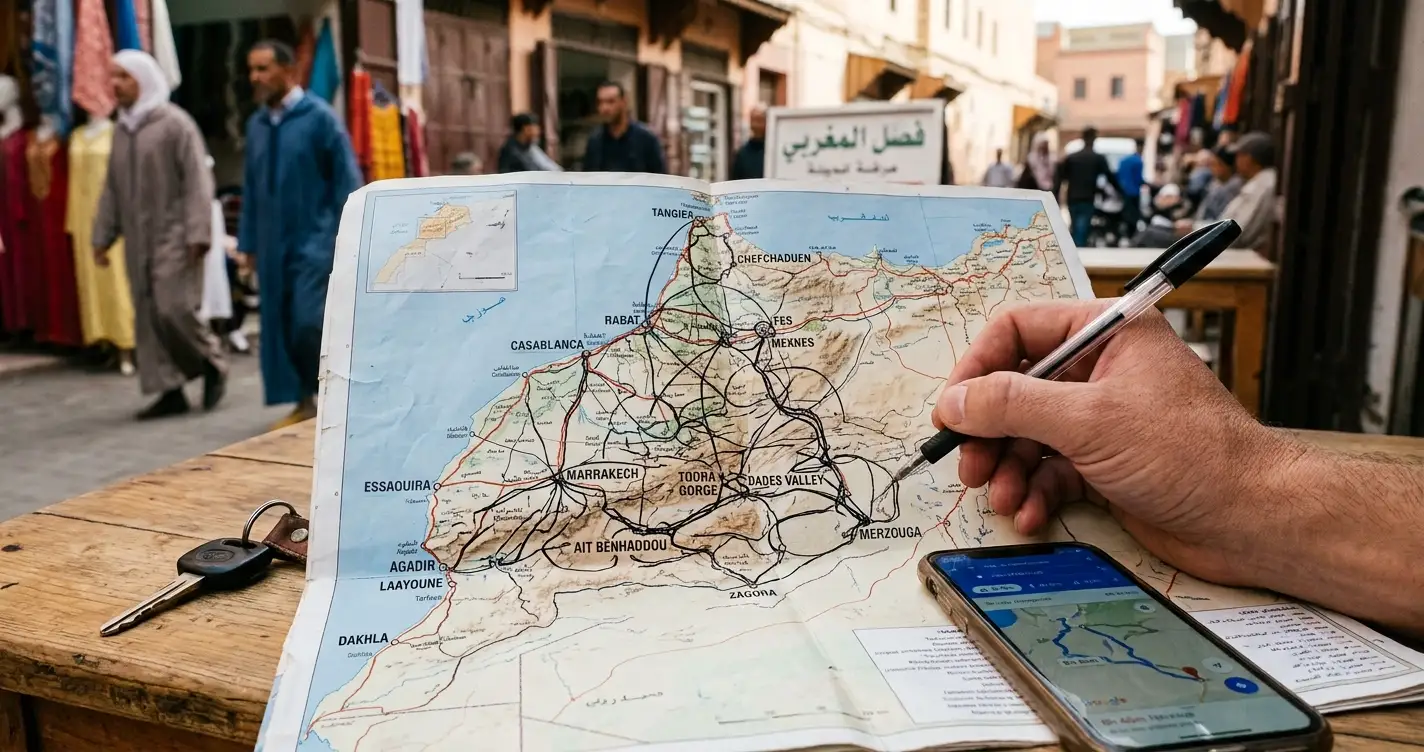
Morocco Travel Itinerary Mistakes: 9 Costly Errors That Can Ruin Your Trip
Morocco travel itinerary mistakes rarely look like mistakes when you make them. A route that links Marrakech, the desert, Fes and Chefchaouen in seven days looks tidy on a map and thrilling on a list. In practice it means four long driving days, five different beds and almost no time in any of the places you came to see. The country is larger and slower to cross than most visitors expect, and the gap between a map and a journey is where most trips go wrong.
This guide walks through the nine errors that cost travellers the most time and money, with realistic examples and corrected routes. It also shows how to build a more sensible itinerary and fix an overpacked one. Journey times below are approximate, based on published driving and rail estimates, and they vary with traffic, weather and the route you choose. For booking tasks, see our trip planning checklist. For route sequencing in depth, see our guide to planning a Morocco route without long journeys.
Why Morocco Travel Itinerary Mistakes Can Ruin Your Trip
Most itinerary problems come from one root cause: planning by what you want to see, not by how long it takes to get there.
Underestimating Morocco’s Size and Travel Times
Morocco is bigger than many visitors imagine. Marrakech to Fes is around 530 km by road, and published estimates put the drive at roughly six to seven hours and the train journey, via Casablanca, at about seven. Distances that look short on a map hide mountain passes, slow roads and changes of train.
Confusing Distance on a Map With Actual Journey Time
A map shows straight lines, but you travel on roads. Marrakech to Merzouga is about 550 km by road and takes roughly nine to ten hours to drive, while the straight-line distance is shorter. Mountain roads, villages and traffic stretch every journey, so use road times, not map distances.
Trying to See Everything in One Visit
Morocco rewards return visits. A trip that tries to cover the imperial cities, the coast, the mountains and the desert in one go leaves you with a blur of bus seats and hotel lobbies. Choosing less usually gives you more.
1. Trying to Visit Too Many Cities in Too Few Days
This is the most common mistake, and it grows from enthusiasm.
Why Constantly Changing Hotels Wastes Time
Every change of hotel costs a morning: packing, checking out, travelling, checking in and orienting yourself. A route with a new bed every night turns your holiday into a series of transfers. Even a short move can consume half a day once you count the station, the wait and the walk to your riad.
How Many Destinations Should You Include?
A useful rule is to allow two or three nights per base on a short trip, and to limit a one-week trip to two or three bases. Ten days stretches to three or four. These are guidelines, not rules, but they help you test an itinerary quickly.
Choosing Depth Over a Checklist of Places
Marrakech alone can fill three days: the medina, the gardens, a day trip to the Atlas or Essaouira, and time to do nothing. A traveller who spends three nights in Marrakech and a day on the coast usually comes home happier than one who touched five cities.
2. Underestimating Travel Times Between Destinations
Even a sensible number of stops can fail if each leg takes longer than expected.
Why Mountain and Desert Routes Take Longer Than Expected
Roads over the High Atlas are scenic but slow. Marrakech to Ouarzazate is around 195 km, yet it typically takes four to four and a half hours because of the Tizi n’Tichka pass. Ouarzazate to Merzouga adds another six to seven hours. Distances in kilometres tell you little about time.
Allowing Time for Stops, Traffic and Delays
Estimates assume driving without breaks. Add time for meals, photographs, fuel, checkpoints, roadworks and traffic around the big cities. A stated six-hour drive often becomes seven or eight.
Checking Realistic Journey Times Before Booking
Before you book a bed, check the real journey time for each leg using the ONCF timetable, the bus operators’ schedules or a route planner, and add a margin. Our guide to travelling between Morocco’s major cities lists typical times.
Example of the mistake: a traveller plans Marrakech to Fes on the morning of day four, with an afternoon of sightseeing in Fes. The journey takes most of the day by train or road, so the “afternoon” disappears. A corrected plan: treat that day as a travel day, or fly the one-hour route between the two cities if a flight suits your dates.
3. Planning a Sahara Desert Trip Without Enough Time
The desert is the most frequently misjudged part of a Moroccan itinerary.
Why Merzouga Usually Requires More Than a Quick Detour
Merzouga is about 550 km from Marrakech and roughly 460 to 590 km from Fes, depending on the route, with drive times of around seven to ten hours each way. It is not a detour. It is a trip within a trip.
Accounting for Long Drives to and From the Desert
A desert visit usually needs at least three days: one to travel out, one for the dunes and one to travel back or on. Squeezing it into two days leaves you in a vehicle for most of the time. Stop overnight along the way, for example in the Dades or Todra valleys, to break the journey.
Choosing Between Merzouga and Zagora Based on Your Route
Zagora is closer to Marrakech, at roughly six hours, and suits a shorter trip. Merzouga’s Erg Chebbi dunes are generally considered more spectacular, but they need more time. A route that continues to Fes, such as Marrakech to Merzouga to Fes, makes the long drive more efficient. See our Sahara travel tips for more detail.
Example of the mistake: a five-day trip that goes Marrakech, Merzouga overnight, then back to Marrakech. That is roughly 18 to 20 hours of driving for one night in the dunes. A corrected plan: either drop the desert from a short trip, or travel one way and continue onward, so that every kilometre moves you toward your next stop.
4. Choosing the Wrong Arrival and Departure Airports
Your airports set the shape of your route before you leave home.
How Airport Choices Affect Your Route
Landing in Marrakech and leaving from Marrakech makes a loop, which means retracing your steps. Landing in Marrakech and leaving from Fes or Tangier makes a line. The choice affects every other decision, from how many cities you visit to how much time you spend in transit.
When Flying Into One City and Out of Another Makes Sense
If your route runs in one direction, an open-jaw ticket often removes a day of backtracking. Our guide to open-jaw flights to Morocco explains when it saves time and when a return ticket is simpler.
Avoiding Expensive Backtracking
Compare the cost of a long return journey, including train fares, hotel nights and lost time, with any difference in airfare. Our airport guides cover the arrival gateways and the departure airports in detail.
Example of the mistake: landing in Casablanca, travelling to Fes via Marrakech and returning to Casablanca for a flight home. A corrected plan: land in Casablanca, travel north to Fes by train, continue to Chefchaouen and fly home from Tangier, which keeps the route in a line.
5. Ignoring Transport Connections and Departure Times
Moroccan transport is good, but it runs to its own schedule.
Building Your Route Around Train and Bus Schedules
Trains run on fixed timetables, and some services, including the high-speed Al Boraq between Tangier and Casablanca, are popular and sell out. Buses to smaller towns may run only once or twice a day. Check the schedule first, then plan your day around it.
Allowing Enough Time Between Connections
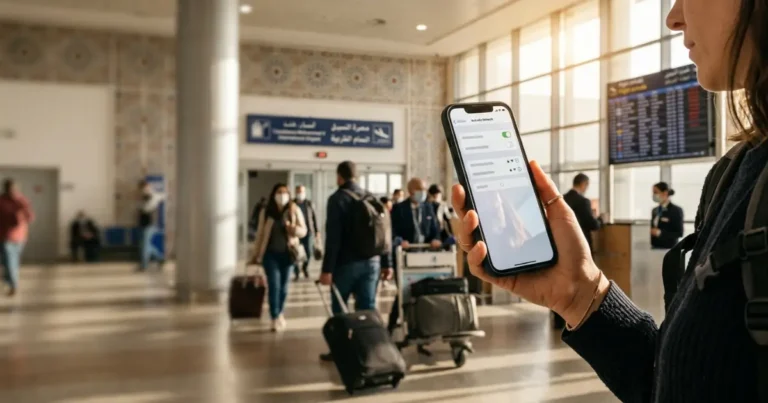
A tight connection that works on paper fails when a train is late. Leave generous time between a train and a bus, or between a bus and a flight, and never plan a long journey on the day of an international flight. Our article on train versus bus travel compares the options.
Knowing When a Rental Car or Private Transfer Is Worth It
Some routes, such as those through the Atlas and to the desert, have no train and limited buses. A rental car or a private driver can save hours and add stops, though it costs more. Decide this before you book, since it changes which places are practical.
Example of the mistake: planning to reach a mountain village by public transport on a day when the only bus leaves before you could arrive. A corrected plan: reach the nearest large town the day before, or book a transfer.
6. Booking Every Day Too Tightly
A full schedule feels productive, and it leaves no room for the things that make travel enjoyable.
Leaving No Time for Unexpected Delays
A missed train, a slow border-free checkpoint or a long lunch can unravel a packed day. Build in margin, particularly on days with onward transport.
Allowing Space for Markets, Meals and Spontaneous Discoveries
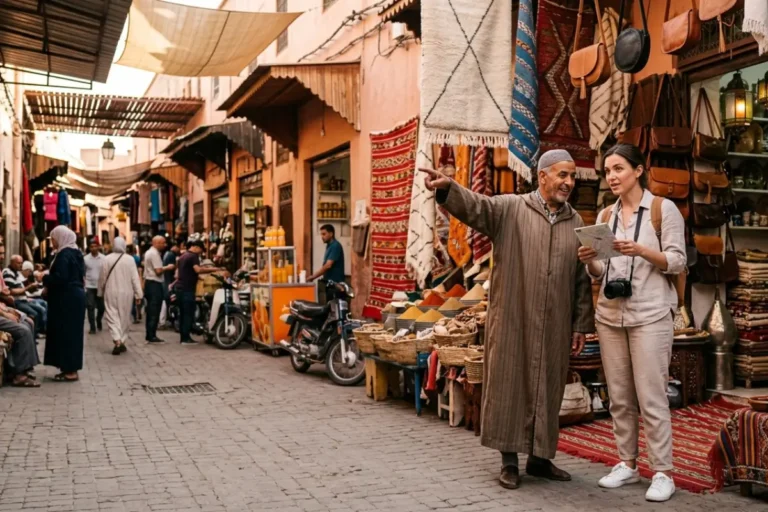
Some of the best moments in Morocco are unplanned: a tea offered in a shop, a quiet courtyard, a café you did not expect. A schedule that fills every hour leaves no space for them.
Why a Flexible Day Can Improve Your Trip
One open day in a week, or one in three on a longer trip, acts as insurance and as a reward. Use it to rest, to revisit a favourite place or to absorb a delay.
Example of the mistake: a day that includes a 4 a.m. start, a four-hour drive, three sights and a late dinner. A corrected plan: the same day with two sights, a long lunch and an early night.
7. Choosing Accommodation Without Considering Its Location
Where you sleep affects how much of your day is spent in transit.
Staying in a Medina vs. Outside the Medina
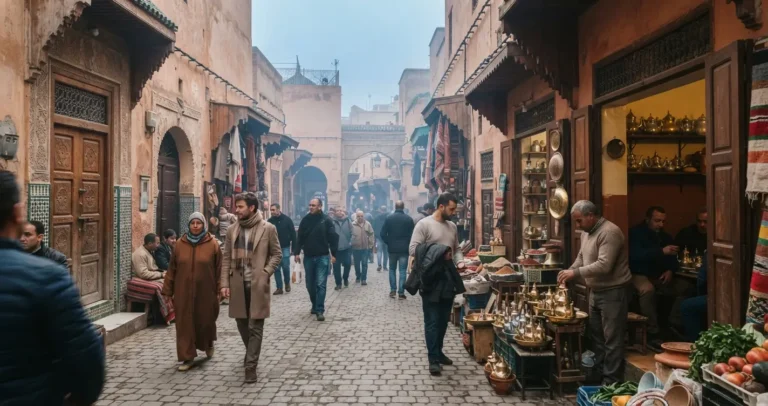
A riad inside the medina puts you close to the sights and the atmosphere, but car access is limited and luggage is harder. A hotel outside the medina is easier for parking and taxis, but you travel in. Choose the option that suits your trip.
Checking Walking Distances and Transport Access
Ask how far the riad is from the nearest taxi drop-off, and how you will find it. A “five-minute walk” through medina alleys can be longer with bags. Our guide to travelling Morocco with luggage covers the last stretch to a riad.
Considering Arrival Times, Luggage and Parking
If you arrive late or have heavy bags, a riad in a deep part of the medina can be a poor choice. If you rent a car, check parking before you book.
Example of the mistake: booking a medina riad for an arrival at 11 p.m. with two large cases. A corrected plan: arrange a meeting point and a porter in advance, or choose a property with easier access for the first night.
8. Ignoring Season, Weather and Local Events
Morocco’s climate varies, and the calendar matters.
Planning Desert Travel Around Extreme Temperatures
Summer in the desert can be extremely hot, and daytime temperatures in the south can exceed 40°C in midsummer. Winter nights can be cold. Choose your desert dates with the temperature in mind, and check the forecast.
Accounting for Mountain Weather and Seasonal Conditions
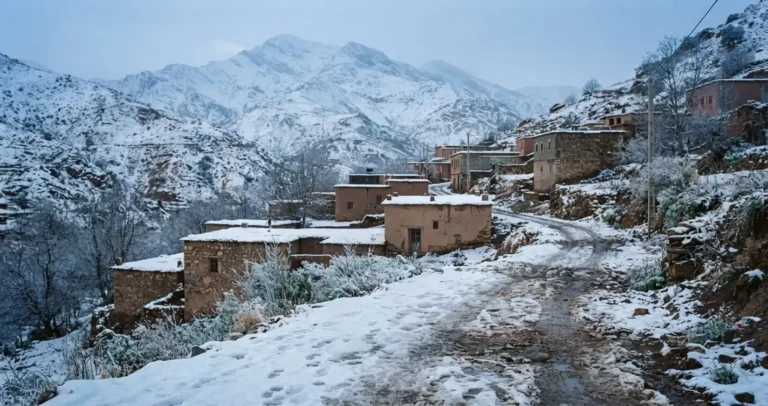
The High Atlas can have snow in winter, and mountain roads may be slow or difficult after bad weather. If your route crosses a pass, check conditions before you travel, and allow flexibility.
Checking Major Festivals and Busy Travel Periods
Holidays, school breaks and religious observances change how busy transport and hotels are, and Ramadan shifts each year and changes opening hours and the pace of daily life. Check the dates for your trip, and book popular trains and rooms early.
Example of the mistake: booking a desert camp in midsummer without checking the heat. A corrected plan: move the desert to spring or autumn, or accept an early start and a quiet afternoon.
9. Underestimating the Real Cost of Your Itinerary
The headline cost of a trip is rarely the final one.
Transport Costs Between Multiple Destinations
Every extra city adds a train ticket, a bus fare or a transfer. A route with many stops costs more in transport than one with fewer, even if the hotels are cheaper.
Extra Hotel Nights and Last-Minute Transfers
A long journey that forces an extra night, or a missed connection that needs a taxi, can add unplanned costs. A slower route often costs less than a rushed one.
Tour Costs, Entrance Fees and Meals
Tours, entrance fees, guides and meals add up, particularly for the desert and the main sights. Check what each tour includes, and set aside a margin for extras. Our cash budgeting guide helps you plan the daily amount.
Budgeting for Unexpected Changes
Keep a contingency for delays, changes and small surprises. A modest reserve turns a problem into an inconvenience.
Example of the mistake: adding up hotels and flights, and forgetting transfers between six cities. A corrected plan: list every leg of the journey with an estimated cost, and add it to the total.
How to Avoid Morocco Travel Itinerary Mistakes by Building a Realistic Itinerary
A few steps turn a wish list into a workable route.
Start With Your Available Travel Days
Count your days, and subtract arrival and departure days, which are often partly lost to travel. The remaining days are what you can spend.
Group Destinations by Region
Put places that are near each other in the same part of the trip. The north (Tangier, Chefchaouen), the imperial cities (Fes, Meknes, Rabat), the south (Marrakech, the Atlas, the desert) and the coast (Essaouira, Agadir) each work as a cluster.
Choose Your Must-See Experiences First
Decide the two or three things that matter most to you, such as the desert, the Fes medina or the blue city of Chefchaouen. Build around them, and treat everything else as optional.
Calculate Door-to-Door Travel Time
For each leg, estimate the time from your hotel door to the next one, including the walk, the wait and the check-in. This is the number that decides whether the day works.
Balance Travel Days With Time to Explore
Alternate long travel days with days spent in one place. A trip with a rhythm of movement and rest is less tiring and more enjoyable.
Keep a Backup Plan for Disruptions
Know what you would do if a train were cancelled or a road closed. A flexible day, a refundable booking or an alternative route keeps a disruption small.
Example: Fixing Morocco Travel Itinerary Mistakes in an Overpacked Itinerary
Here is how the advice applies to a common one-week route.
A Rushed Seven-Day Route
- Day 1: land in Casablanca, drive to Marrakech
- Day 2: Marrakech
- Day 3: Marrakech to Ouarzazate, with a stop at Ait Benhaddou
- Day 4: Ouarzazate to Merzouga
- Day 5: Merzouga to Fes
- Day 6: Fes to Chefchaouen
- Day 7: Chefchaouen to Tangier, and fly home
On paper, this covers five regions. In practice, four of the seven days are long travel days (roughly four hours, six to seven hours, seven hours and four hours by published estimates), the traveller changes bed every night, and only one day is spent in a single place. The desert gets one evening.
A More Realistic Seven-Day Alternative
- Day 1: land in Marrakech, evening in the medina
- Days 2 to 3: Marrakech, including a day in the Atlas or on the coast at Essaouira
- Day 4: fly or take the train to Fes
- Days 5 to 6: Fes, with a day trip to Meknes and Volubilis
- Day 7: fly home from Fes
This uses an open-jaw ticket, keeps to two bases and ends in a different city from where it began. It sees fewer places and enjoys them more.
What to Remove When You Do Not Have Enough Time
If you must cut, remove in this order: the extra city, the long detour and the single-night stop. The desert is the first thing to cut from a week, since it needs several days to do well. Save it for a longer trip, and do it properly.
Frequently Asked Questions About Morocco Travel Itinerary Mistakes and Planning
How Many Cities Can You Visit in Morocco in One Week?
Two or three bases is a comfortable limit for most travellers. More is possible, but each extra city costs travel time, and the experience becomes thinner. A week in Marrakech and one other region is easier than a tour of five.
Is Seven Days Enough for Morocco?
It is enough for a good introduction, not for everything. You can see Marrakech and one other area, or two cities with a day trip, without rushing. If you want the desert as well, you will usually need more time.
How Many Days Should You Spend in Each Moroccan City?
Two to three nights for the large cities such as Marrakech and Fes is a sensible guide, and one to two nights for smaller places such as Chefchaouen or Essaouira. Add time if you want day trips.
Can You Visit Marrakech and the Sahara Desert in Five Days?
You can, but it is a rush. Marrakech to Merzouga is roughly nine to ten hours by road each way, so a five-day trip would be mostly driving. Consider Zagora, which is closer, or continue from the desert to another city rather than returning.
Is It Better to Travel Around Morocco by Train or Car?
It depends on the route. Trains are comfortable and efficient between the major northern and central cities, while a car or private driver suits the Atlas and the desert, where there are no trains. Many travellers combine both.
Should You Fly Into One City and Out of Another?
Often, yes, if your route runs in a line. It saves backtracking, and the price is often similar to a return ticket. See our open-jaw flights guide for how to compare the options.
How Much Travel Time Should You Allow Between Moroccan Cities?
Check the real journey time, then add a margin. As rough guides, Casablanca to Marrakech takes about three hours by train, Fes to Chefchaouen about four hours by road, and Marrakech to Fes about seven hours by train or road. Always allow time for delays.
Should You Book Every Activity Before Arriving in Morocco?
Book the things that sell out or depend on dates, such as key trains, desert camps and accommodation in busy periods. Leave other activities flexible, so that you can respond to weather, energy and discoveries along the way.
Final Advice: Avoid Morocco Travel Itinerary Mistakes and Plan a Trip You Can Enjoy
Most Morocco travel itinerary mistakes share one cause: too much planned, in too little time. A realistic route has fewer stops, honest journey times, a sensible choice of airports and room to breathe. These nine corrections bring the advice together:
- Visit fewer cities, and give each one at least two nights.
- Use real journey times, and add a margin to every leg.
- Give the desert enough days, or leave it for another trip.
- Choose your airports after your route, and consider flying into one city and out of another.
- Build your days around train and bus schedules, with generous connections.
- Keep at least one flexible day in every week.
- Check your accommodation’s location, access and luggage arrangements.
- Match your dates to the season, the weather and local events.
- Add up the whole cost, including transfers, extra nights and a contingency.
A trip planned this way feels calmer, and you spend your time in Morocco instead of on the way. Check current timetables, prices and conditions before you book.