Traveling Morocco With Luggage: 9 Smart Tips for Trains, Buses and Riads
Traveling Morocco with luggage is easier than many first-time visitors fear, but it rewards a little planning. Trains have racks, buses have holds and taxis have trunks. The tricky part is the last few hundred metres: a riad down a narrow medina alley, a station with stairs and no lift, a bus that leaves before you have worked out where the luggage goes. Most problems come from the same few assumptions, and they are easy to avoid once you know what to expect.
This guide covers how to move your bags by train, bus, taxi and on foot, how to handle riads and desert tours, and how to pack so that all of it is easier. It focuses on transporting luggage. If you need to leave bags somewhere for a few hours, see our guide to luggage storage in Morocco. Luggage rules and fees differ between operators and change over time, so confirm them with the company before you travel.
Is Traveling Morocco With Luggage Easy?
For most travellers, yes, as long as your bags suit the way you are moving. A medium suitcase or a backpack works on every kind of transport, while a very large or heavy case makes every transfer harder.
What to Expect on Morocco’s Main Transport Options
Trains are comfortable and have luggage racks, buses carry bags in the hold for a small fee, and taxis take what fits in the trunk. Medinas are mostly pedestrian, so the final leg to your accommodation is often on foot. Think about the whole journey, door to door, not just the vehicle.
Suitcases vs. Backpacks: Which Is More Practical?
Backpacks and soft bags cope best with stairs, cobbles and crowded station platforms. Wheeled suitcases are fine on smooth surfaces but struggle in medinas, where wheels catch on uneven stone and steps. A good compromise is a wheeled backpack or a medium-sized case you can lift.
Why Your Route and Accommodation Matter
A trip based in modern hotels in several cities is easy with a suitcase. A trip through medina riads, desert camps and small villages calls for lighter, more portable bags. Choose your luggage after you know your route.
1. Traveling Morocco With Luggage by Train
Trains are the most comfortable way to move bags between major cities.
Where to Put Your Suitcase on a Moroccan Train
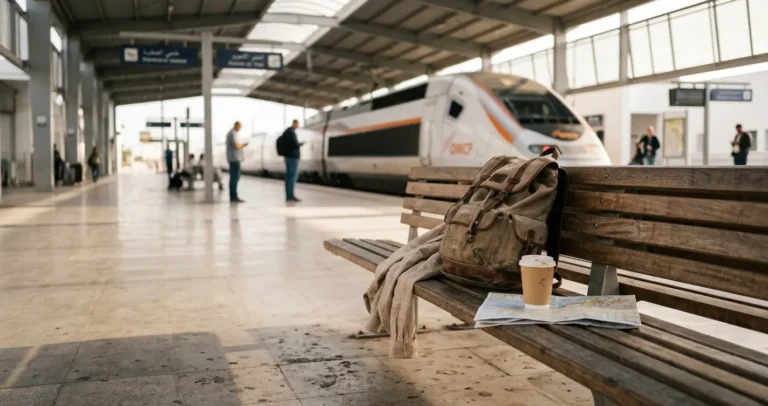
Most trains have overhead racks and luggage areas, often at the ends of the carriages. Smaller bags go overhead, and larger suitcases usually fit in the area by the doors. Board early if you can, since space fills up on busy services.
Managing Luggage on ONCF and Al Boraq Trains
The national operator, ONCF, runs both conventional trains and the Al Boraq high-speed service between Tangier, Rabat and Casablanca. Rules on size and weight apply, and there are limits on bulky items, so check the ONCF luggage guidance before you travel. Keep your bag where you can see it, particularly at busy times.
Getting Bags On and Off at Busy Stations
Station platforms get crowded, and stops can be short. Move to the door before your station, and keep your bag close so you can step off quickly. Stairs and underpasses are common, and lifts or escalators are not guaranteed at every station.
Keeping Your Belongings Secure During the Journey
Keep valuables, documents, medication and electronics in a small bag by your seat, not in the rack. Do not leave bags unattended when you move around the train. A small lock or a cable tie on the zip of your main bag adds a layer of security.
2. Traveling Morocco With Luggage by Bus
Buses are cheap and reach places trains do not, and the luggage system is simple.
How Checked Luggage Works on Long-Distance Buses
On long-distance buses, such as those run by CTM and Supratours, larger bags go in the hold. Staff usually tag your bag and may issue a receipt. Hand your bag over at the bus, keep the tag and collect it at your destination.
Luggage Rules, Fees and Weight Limits
Guides commonly report a small fee for bags stowed in the hold, usually in the region of 5 to 10 dirhams, sometimes weighed at the counter, and possibly more for oversized items. Rules and amounts differ between companies and routes, so check with the operator, and keep some small notes for the fee.
Keeping Valuables and Essentials With You
Keep your passport, money, phone, charger, medication, snacks and water in a small bag on your seat. Bags in the hold are out of reach during the journey and may not be accessible at rest stops.
What to Check Before Boarding
Check that your bag is tagged, your destination is correct and your ticket matches the departure. Confirm which bus you are boarding, since several services can leave from the same station. Arrive early, especially on busy routes, to allow time for the luggage procedure.
3. Traveling Morocco With Luggage by Taxi
Taxis are the bridge between stations, airports and accommodation, and what fits in the trunk matters.
Petit Taxis vs. Grand Taxis
Petit taxis are small city cars that carry up to three passengers, with limited trunk space. Grand taxis are larger shared cars that travel between towns and carry more people and bags. If you are travelling with several large bags, a petit taxi may not be able to carry everything.
Will Your Suitcase Fit in the Trunk?
A medium suitcase usually fits in a petit taxi’s trunk, but very large cases can be a squeeze, and some drivers refuse them or ask for more money. Check before you load your bags. If you have more than one large case, consider two taxis or a larger vehicle.
When You May Need a Larger Vehicle or Private Transfer
For a family, a group or heavy luggage, a private transfer or a larger vehicle is more comfortable. Hotels and riads can often arrange one, and it is especially useful for late arrivals and for airport journeys.
Agreeing on the Fare and Luggage Arrangements
Agree the fare before you set off, or confirm that the meter is running in petit taxis. Ask whether luggage costs extra, and settle it in advance. Keep small notes ready, since drivers often have limited change.
4. Traveling Morocco With Luggage to Your Riad
A medina riad is one of the highlights of a Moroccan trip, and the final stretch is where many luggage problems appear.
Why Some Riads Are Difficult to Reach by Car
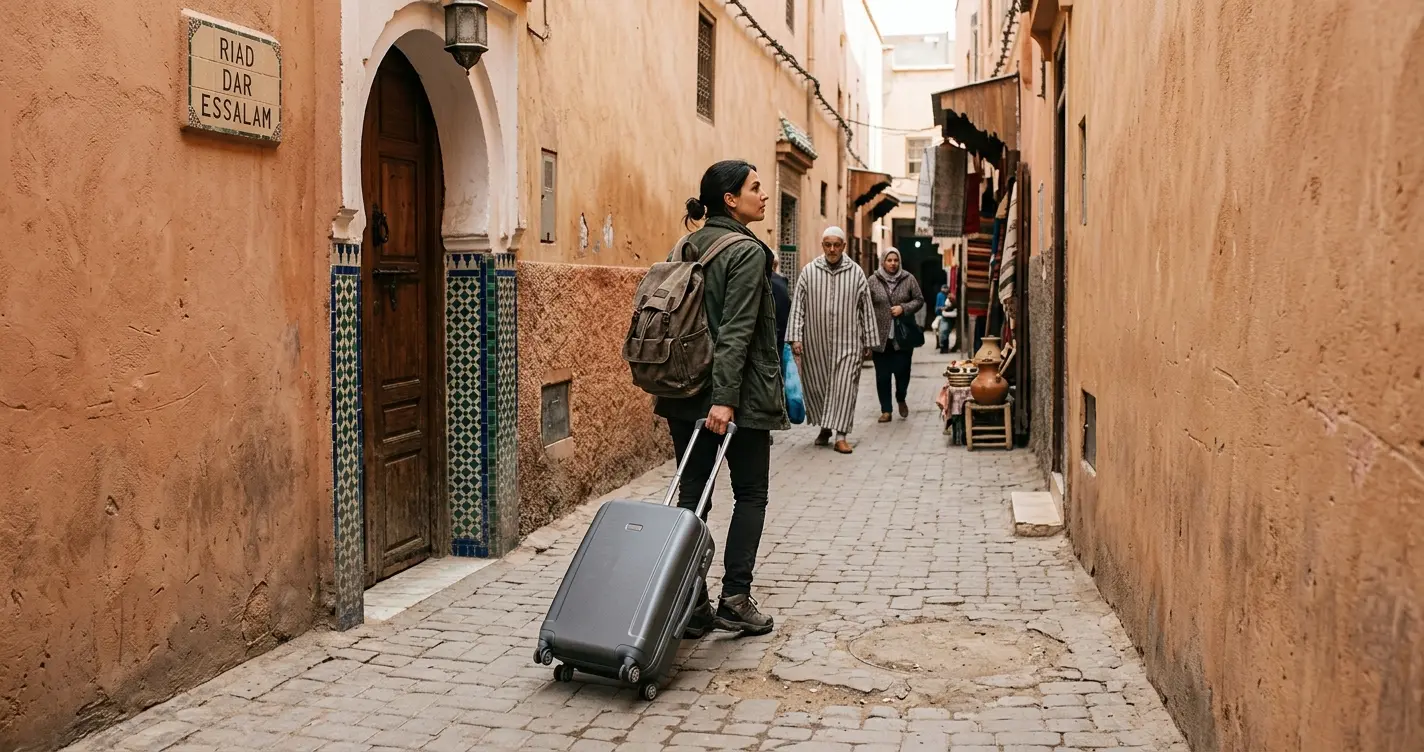
Medina streets are narrow, often pedestrian-only, and car access usually stops at a gate on the edge of the old city. Your taxi may be unable to take you to the door, and the walk can be several minutes.
Walking Through Narrow Medina Streets
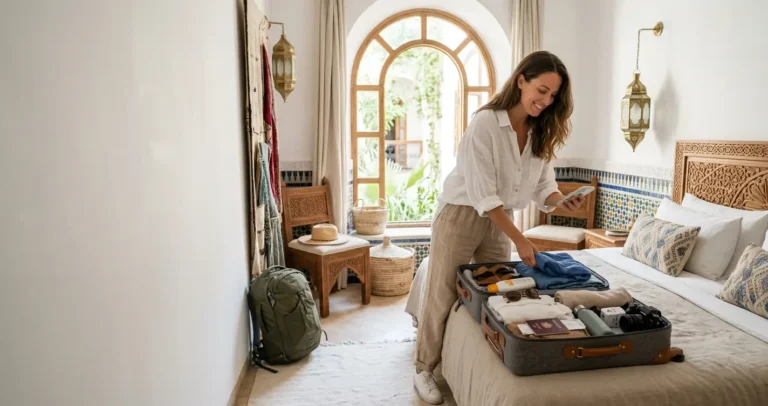
Medina alleys are uneven, with steps, slopes and crowds. A heavy wheeled suitcase can be hard to manage on cobbles. A backpack or a bag you can carry makes the walk easier.
Finding the Correct Entrance and Meeting Point
Many riads are hidden behind unmarked doors, and addresses can be confusing. Ask your host for a meeting point, a landmark and a phone number. Many riads will send a staff member to meet you at the nearest gate.
When to Arrange Porter Assistance
If you have heavy bags, ask your riad to arrange a porter with a cart. Agree the fee in advance, and tip the person who helps you. Do not follow strangers who offer to guide you to your riad, since this often ends in a request for money.
5. Traveling Morocco With Luggage Between Cities
Each route has its own best option, depending on your bags and your schedule. For more detail on transport choices, see our guide to travelling between Morocco’s major cities and our train versus bus comparison.
Casablanca to Marrakech
The train is the easiest choice, taking about three hours with racks and luggage areas. Buses are cheaper but take longer. Book ahead in busy periods.
Fes to Chefchaouen
There is no railway to Chefchaouen, so you travel by bus or shared or private taxi, a journey of roughly four hours. Luggage goes in the hold of a bus, or the trunk of a taxi. Check schedules, since services vary by season.
Marrakech to Ouarzazate
The route crosses the High Atlas by bus, shared taxi or private transfer, and takes several hours. There is no train. Keep valuables with you, and expect bags to be stowed in the hold. A private transfer is more comfortable if you have a lot of luggage.
Tangier to Fes
You can travel by train, with a journey of several hours, or by bus. Trains are usually more comfortable with luggage, and the station layout may involve stairs. Check the timetable and book in advance.
Choosing Transport Based on Your Bags and Route
Choose the train for comfort and space, the bus for reach and price, and a private transfer for heavy bags, groups or awkward routes. Compare door-to-door effort, not only the ticket price.
6. Packing Smarter for Travel Around Morocco
Good packing solves most luggage problems before they start.
Choose a Suitcase That Is Easy to Carry
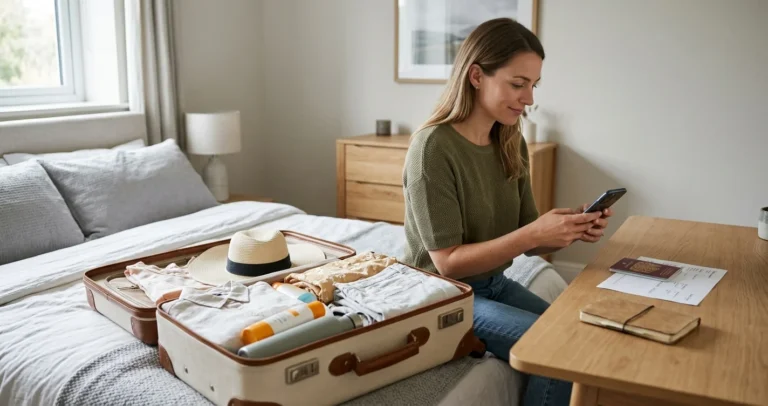
Pick a bag you can lift and carry up a flight of stairs. A medium-sized case, a wheeled backpack or a soft duffel is easier than a large rigid suitcase. Sturdy wheels help on rough ground.
Pack a Small Day Bag for Travel Days
A small bag for your documents, phone, water, medication and valuables stays with you, whatever happens to your main bag. It also makes day trips easier.
Keep Documents, Medication and Electronics Accessible
Keep your passport, tickets, medication, chargers and a power bank where you can reach them. Do not store them in a bag in the hold or the rack.
Use Packing Cubes and Separate Clean Clothes
Packing cubes keep your bag organised and make it easy to find items. Separate clean and used clothes, and keep a small bag for laundry. This is especially useful on a multi-stop trip.
Prepare for Stairs, Uneven Streets and Limited Elevators
Stations, riads and hotels often have stairs, and lifts are not guaranteed. Pack as if you may have to carry your bag, and do not bring more than you can manage alone.
7. Managing Luggage on Sahara Desert Tours
Desert tours are the clearest case for travelling light.
What to Bring to a Desert Camp
Take a small overnight bag with a change of clothes, a warm layer for the cold night, sun protection, a scarf, a torch, water, medication and a power bank. Camps are basic, and space is limited.
Whether to Take Your Main Suitcase on the Tour
Usually not. Camel treks and camp transfers are easier with a small bag, and some operators limit the luggage they carry. Ask your tour operator what is allowed.
Storing Extra Bags Before Departure
Leave your main luggage at your hotel or guesthouse, and confirm that they will keep it until you return. Our guide to luggage storage in Morocco covers options if your hotel cannot help.
Protecting Your Belongings From Sand and Dust
Sand gets everywhere. Use zipped bags or dry bags for electronics, cameras and phones, and keep a cloth to wipe lenses and screens. Close your bag whenever you are not using it.
8. Handling Luggage During Hotel Check-In and Check-Out
Timing is often the real challenge, since trains and flights rarely match check-in and check-out times.
Early Arrivals and Late Departures
If you arrive before check-in or leave after check-out, you will have hours with your bags. Plan for them in advance, rather than on the day.
Asking Hotels and Riads to Hold Your Bags
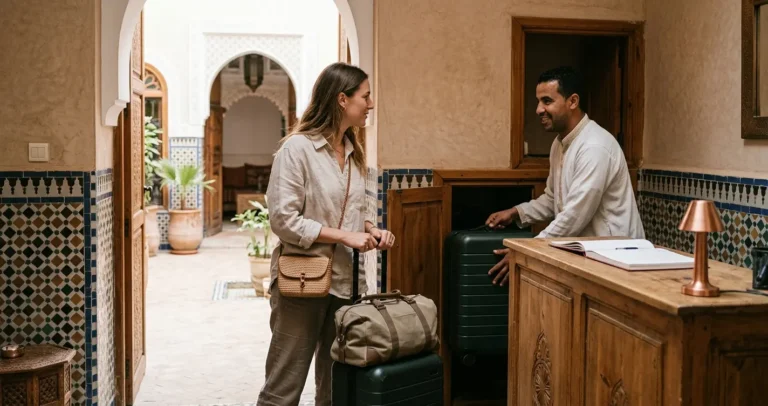
Most hotels and riads will hold bags before check-in or after check-out, often for free. Ask in advance, confirm where the bags will be kept and agree the collection time.
Coordinating Check-Out With Train and Bus Times
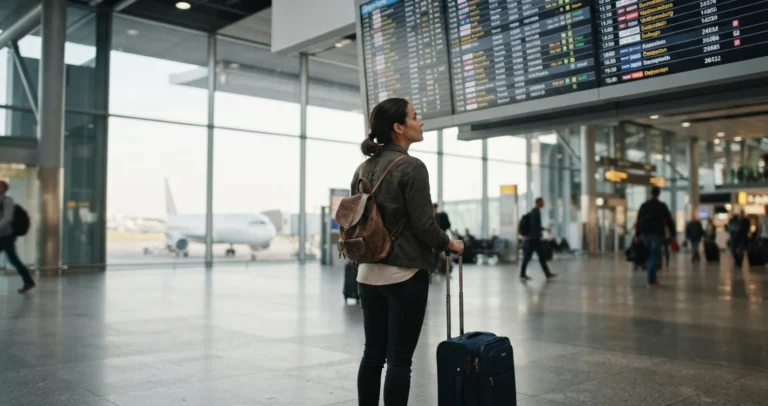
Align your check-out with your transport. If your train leaves late in the evening, ask whether you can keep your bags at the hotel and collect them on your way. Allow time to reach the station, with luggage, in daylight if possible.
When Paid Luggage Storage Is the Better Option
If your accommodation cannot hold your bags, or you are between properties, a private storage service can fill the gap. Compare price, location and security. See our luggage storage guide for the options.
9. Common Luggage Mistakes to Avoid in Morocco
Most luggage problems come from the same few mistakes.
Bringing an Oversized Suitcase for a Medina-Based Trip
A very large case is hard to manage in medina alleys, on stairs and in small taxis. Choose a bag you can carry, and pack less.
Assuming Every Station Has Elevators or Luggage Carts
Many stations have stairs, and lifts, escalators and carts are not guaranteed. Be ready to carry your bag, and travel with a bag you can lift.
Forgetting to Check Bus Luggage Allowances
Bus companies have their own rules and fees. Check before you travel, and carry small notes for the fee.
Carrying All Your Valuables in Checked Bags
Passports, money, electronics and medication belong in your day bag. Our travel insurance guide explains what policies typically cover if belongings are lost or stolen.
Underestimating Walking Distances to Riads
The walk from the nearest gate can be several minutes through narrow, uneven streets. Ask your host how far it is, and arrange a meeting point or a porter.
Leaving Too Little Time to Transfer Between Transport Services
Moving between a taxi, a station and a train takes longer with luggage. Allow generous time for each transfer, and avoid tight connections.
Frequently Asked Questions About Traveling Morocco With Luggage
Is It Better to Travel Around Morocco With a Backpack or Suitcase?
A backpack or soft bag is easier for medinas, stairs and uneven streets, while a wheeled suitcase is fine for hotels, trains and modern cities. If your trip includes medina riads, a backpack or a medium case that you can lift is the safer choice.
Can You Take Large Suitcases on Moroccan Trains?
Usually, yes, within the operator’s rules. Trains have racks and luggage areas, but space is limited and bulky items may not fit. Check the ONCF luggage guidance for size and weight limits, and board early to secure space.
Do Moroccan Buses Charge Extra for Luggage?
Often, yes, a small fee for bags stowed in the hold. Guides commonly report amounts of around 5 to 10 dirhams, but the fee varies by company and route, so check with the operator and carry small notes.
Can Taxis in Morocco Carry Large Suitcases?
It depends on the taxi. Petit taxis are small and may not fit several large cases, while grand taxis and private vehicles carry more. Check before loading, and agree the fare and any luggage charge in advance.
How Do You Get Luggage to a Riad in Marrakech Medina?
Take a taxi to the nearest gate or drop-off point, then walk or use a porter with a cart. Ask your riad for a meeting point, a landmark and a phone number, and arrange a porter in advance if your bags are heavy.
Should You Bring Your Suitcase on a Sahara Desert Tour?
Usually not. Take a small overnight bag to the camp, and leave your main luggage at your hotel. Confirm with your operator and your hotel in advance.
Can Hotels in Morocco Store Luggage After Check-Out?
Often, yes. Many hotels and riads hold bags before check-in or after check-out, sometimes for free and sometimes for a small fee. Ask in advance, and confirm the collection time.
Is It Difficult to Travel Around Morocco With Heavy Luggage?
It can be, particularly in medinas, on stairs and on crowded buses. Travelling with a lighter bag, using trains and private transfers where you can, and arranging porters for riads all make it easier.
Final Tips for Traveling Morocco With Luggage
Traveling Morocco with luggage comes down to choosing the right bag, the right transport and the right amount of time. Pack light, keep your valuables with you and plan the last stretch to your accommodation. These nine tips bring the advice together:
- Take the train for long city-to-city journeys, and board early for rack space.
- Keep bus fees in mind, carry small notes and keep your tag and receipt.
- Check the taxi trunk before you load, and agree the fare in advance.
- Plan the last stretch to your riad, ask for a meeting point and arrange a porter if needed.
- Match transport to your route, using a private transfer for heavy bags or awkward journeys.
- Pack a bag you can carry, with a small day bag for essentials.
- Travel light to the desert, and leave your main luggage at your hotel.
- Ask hotels to hold your bags before check-in and after check-out.
- Leave extra time for every transfer, and keep valuables out of checked bags.