Morocco in January: 10 Essential Weather Tips for a Fantastic Winter Trip
Morocco in January is a country of contrasts: sunlit terraces at lunchtime, frost on desert tents at dawn, and snow on the High Atlas peaks that rise above Marrakech. It is the coldest month of the year, yet also one of the quietest and most atmospheric times to travel. This guide covers the weather region by region, what to pack, where to go and how to plan around the cold, so a winter trip feels comfortable rather than surprising.
1. Is January a Good Time to Visit Morocco?
Yes, for the right kind of trip. Morocco in January offers mild, sunny days inland, quiet medinas and clear skies, with cold evenings as the trade-off. It is a winter-sun destination, not a beach one.
Why Visit Morocco in January?
After the New Year holiday period, crowds thin out. The imperial cities are comfortable for walking without summer heat, the low winter light flatters photography, and the snow-dusted High Atlas gives Marrakech a backdrop few winter city breaks can match. Desert skies are often crisp and clear, and the food leans towards warming soups and slow-cooked tagines.
What to Know Before You Go
Daylight is short, running roughly from 8 am to 6 pm. Rain is more likely on the Atlantic coast and in the north, and many traditional buildings have little or no heating. Mountain roads can be affected by snow. None of this spoils a trip, but each point shapes how to plan it.
2. Morocco Weather in January
Average Temperatures
Across the main cities, January highs sit around 16–19°C, with lows between roughly 5 and 9°C. Marrakech averages a high near 19°C and a low near 6°C. Casablanca is milder at night, with highs of about 17–18°C and lows around 9°C. Fes is a little cooler, with highs near 16°C and lows around 5°C.
Daytime vs. Nighttime
Inland, the gap between afternoon and night is the defining feature. A sunny 19°C lunch in Marrakech can turn into a 6°C evening soon after sunset. On the coast the ocean narrows that gap, although damp air and wind can make evenings feel colder than the thermometer suggests.
Rainfall and Sunshine
January is one of the wetter months on the Atlantic coast and in the north. Casablanca averages roughly 65 mm of rain over about eight days, while Marrakech is much drier, with figures of around 25–40 mm depending on the source. Sunshine follows the same split: Marrakech gets around seven hours a day, while Casablanca and Fes get closer to five. The Sahara is the driest of all.
3. Morocco in January: Weather by Region
Marrakech and Southern Morocco
This is the sunniest and driest part of the country’s main tourist circuit. Expect days near 19°C and cool nights, often in the 5–6°C range. The south Atlantic coast around Agadir is typically a little warmer by day, which is why it draws winter-sun visitors.
Fes and Meknesaround 16°C, nights can fall close to 4–5°C, and rain is more frequent. Medina houses and riads can be chilly after dark, so heating matters here.
Fes and Meknes sit inland at moderate altitude and feel colder than Marrakech. Highs are
Casablanca and Rabat
Both cities have a mild, maritime winter. Daytime temperatures hover around 17–18°C and nights rarely drop below single digits. This is also the wettest part of the standard imperial-cities route, so a light waterproof is worth carrying.
Chefchaouen and Northern Morocco
The Rif Mountains catch more rain than the interior plains. Expect cooler, damper days, cloud and occasional showers, and snow on higher ground in some winters. The blue lanes of Chefchaouen are still worth the trip, but build in a margin for grey weather.
Essaouira
Essaouira is mild but breezy. The Atlantic wind is a constant feature of the town, and January is not a swimming month. It suits long walks along the ramparts and the beach, wrapped up, followed by seafood in the port.
Atlas Mountains
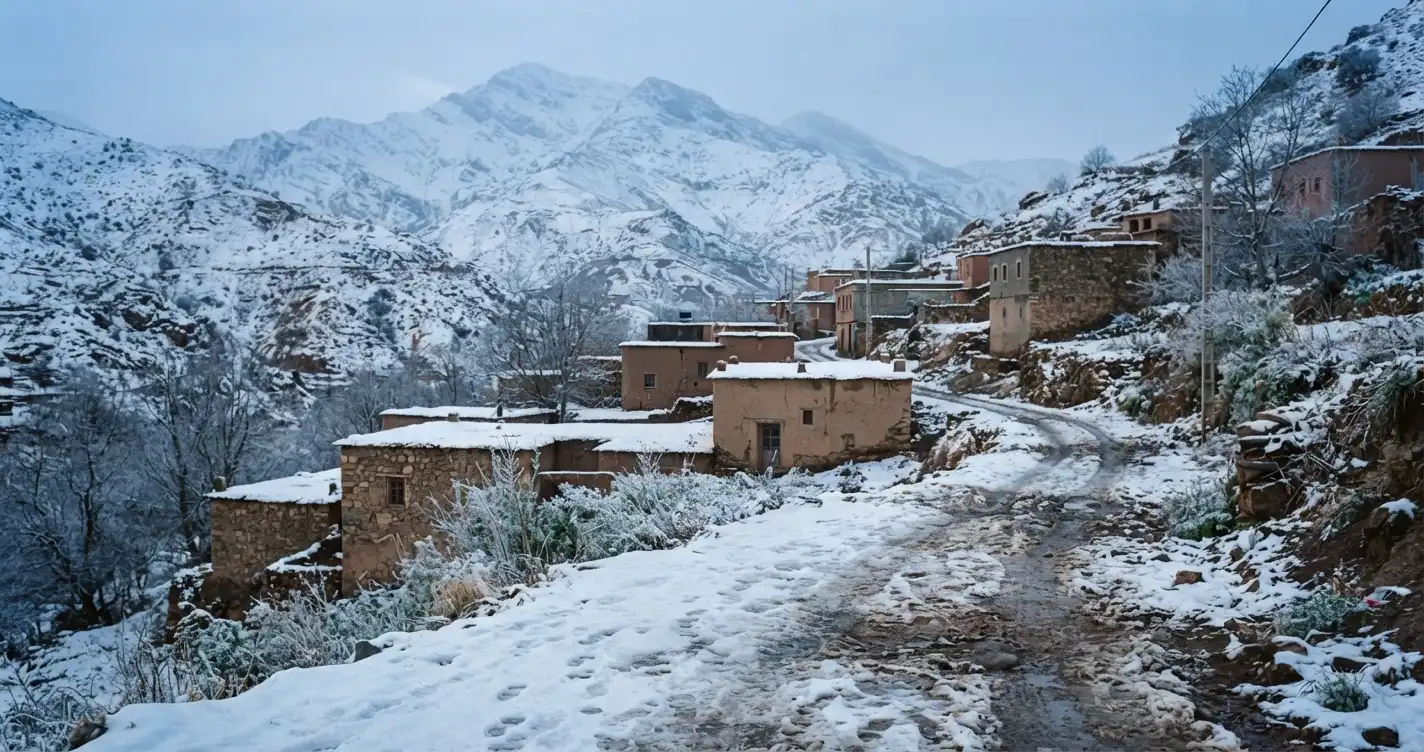
This is genuine winter territory. Snow is common above roughly 2,000 metres, nights fall below freezing at altitude, and conditions change quickly. Ifrane, in the Middle Atlas, has a January mean temperature of only a couple of degrees above zero.
Merzouga and the Sahara Desert
Merzouga and the dunes of Erg Chebbi are dry and sunny, with highs around 18°C. After dark the temperature can fall close to 0–2°C, so the desert feels like two different places in one day.
4. What Is the Sahara Like in Morocco in January?
Daytime Temperatures
Days are comfortable, typically between 15 and 20°C, with clear skies and very little rain. Dune walks, camel rides and 4×4 excursions are all pleasant at this time of year, without the punishing heat of summer.
Cold Desert Nights
Dry air and clear skies mean heat escapes quickly once the sun sets. Night temperatures near Merzouga can drop to around 0–5°C, and sometimes below freezing. The cold is real, but manageable with the right clothing and bedding.
January Desert Camps
Camps vary widely in winter comfort. Basic tents rely on thick blankets, while better camps offer heated or well-insulated tents. Before booking, ask directly about bedding, heating and whether a permanent room is available if the night turns out to be too cold.
Is a Sahara Trip Worth It?
Yes, provided you come prepared. Morocco in January offers some of the clearest stargazing of the year and almost no crowds at the dunes. Merzouga is a long journey from Marrakech, so plan at least two nights in the region rather than a rushed overnight stop.
5. Does It Snow in Morocco in January?
Snow in the Atlas Mountains
Yes. The High Atlas is typically snow-covered in January, especially above about 2,000 metres. Toubkal, at 4,167 metres, is a winter mountaineering objective that requires proper equipment and experience, not a casual hike. The Oukaïmeden ski resort, at around 2,600 metres, usually has skiable snow in January, though conditions vary from year to year.
Ifrane in Winter
Ifrane, in the Middle Atlas, is nicknamed Morocco’s “Little Switzerland” for its alpine-style architecture and cedar forests. Winter here is cold, with nights below freezing and snow in many years. It makes a striking contrast to the warm south.
Snow Near Marrakech
Marrakech itself does not normally see snow. What visitors see instead is the white line of the High Atlas on the horizon. Oukaïmeden is roughly 75 km away, which makes a snow day trip from the city possible when conditions allow.
6. Best Places to Visit in Morocco in January
Marrakech
The sunniest of the imperial cities, with mild days for the medina, gardens and palaces. Evenings are cool enough for a rooftop terrace with a blanket rather than a swimsuit.
Fes
Fes is quieter and more atmospheric in winter, and the cold keeps the tanneries and alleys more bearable than in summer. Allow time for indoor stops such as the madrasas.
Chefchaouen
The blue-washed town is calmer in January. Bring a rain layer and treat any sunny spell as a bonus.
Essaouira
Best for slow, windswept walks and fresh seafood rather than sunbathing.
Merzouga
The star winter attraction for clear skies and dune scenery, as long as you prepare for the night cold.
Ouarzazate and Aït Ben Haddou
Ouarzazate is a gateway to the desert, and Aït Benhaddou, a UNESCO World Heritage ksar, is spectacular in clear winter light. Both sit at altitude, so nights can be cold.
Ifrane
The best choice for a snowy day, cedar forests and a taste of a different Morocco.
7. 10 Essential Tips for Visiting Morocco in January
1. Dress in Layers
Inland cities can swing by 12–14°C between afternoon and night. A base layer, a sweater or fleece and a light outer shell let you adjust through the day far better than one heavy coat. Cafés, museums and riad courtyards can be cooler than expected, so keep layers handy indoors.
2. Bring a Warm Jacket
A proper insulated or down jacket makes evenings, the desert and the mountains comfortable. In the imperial cities during the day, a mid-weight jacket is usually enough.
3. Pack for Different Climates
One trip can include Marrakech sunshine, Atlantic drizzle and Sahara frost. Pack in two sets: light layers for mild days, and a warmer set for cold nights and altitude.
4. Check Mountain Weather
Snow can slow or close mountain roads. Check the forecast from Morocco’s national weather service, the Direction Générale de la Météorologie, and ask your hosts or driver about current conditions before setting out.
5. Prepare for Cold Desert Nights
Bring thermal underlayers, socks, a hat and gloves. Confirm in advance that your camp provides extra blankets or heating.
6. Allow Extra Time for Mountain Routes
Routes such as the Tizi n’Tichka pass, between Marrakech and Ouarzazate, climb above 2,000 metres. Snow or ice can add hours. Avoid tight flight or train connections right after a mountain drive.
7. Take Advantage of Smaller Crowds
After the early-January holiday period, queues are shorter and the medinas are calmer. This is a good moment for photography and unhurried visits, though popular sites and desert camps are still worth booking ahead.
8. Plan Around Shorter Days
With roughly 8 am to 6 pm of daylight, start outdoor sightseeing mid-morning, once the air has warmed, and finish before dusk. Keep evenings for restaurants, hammams or a long dinner.
9. Choose Accommodation With Heating
Thick walls and open courtyards keep traditional riads cool. Ask whether rooms have heating, extra blankets or a fireplace, and look for recent reviews that mention winter stays.
10. Keep Your Itinerary Flexible
Rain on the coast or snow in the passes can disrupt plans. Leave a spare day, or be ready to swap days around so the best-weather day goes to the outdoor highlight.
8. What to Pack for Morocco in January
Clothes and Layers
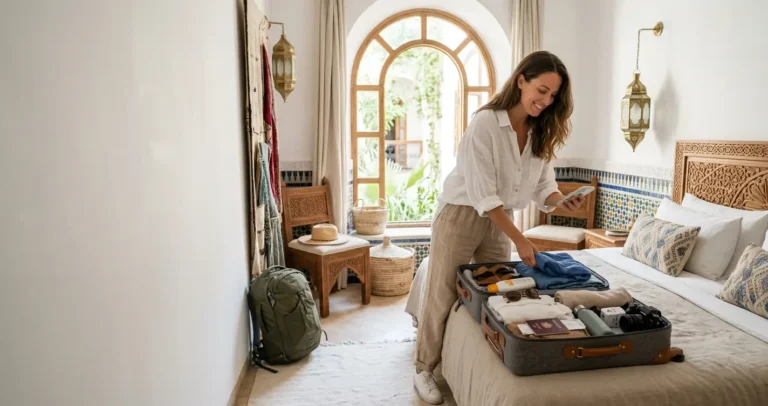
Thermal base layers, long-sleeved tops, a sweater or fleece, trousers, a scarf and a warm jacket. Add a light waterproof for the coast and the north. Many visitors, especially women, prefer loose, modest clothing, which works well as a layering system.
Shoes
Comfortable closed shoes with good grip suit cobbled medina lanes, which can be slippery when wet. Waterproof options help in Fes and Chefchaouen.
Sahara Essentials
A warm hat, gloves, thick socks, a headlamp, and a scarf for wind and sand. Lip balm and moisturiser help with the dry air.
Mountain Essentials
Waterproof boots, a insulated jacket, gloves and a hat for snow. For anything above the lower valleys, add proper winter equipment and travel with a qualified guide.
9. Best Things to Do in Morocco in January
Explore the Imperial Cities
Marrakech, Fes, Meknes and Rabat are at their most walkable in winter. Combine outdoor sights with indoor ones, such as museums, madrasas and cafés.
Visit the Sahara Desert
Spend at least one night at Merzouga for sunsets, dune walks and stargazing. Come with the right layers.
Explore the Souks and Medinas
Winter makes long hours in the medinas more comfortable. Shopping for ceramics, leather and spices is easier without the summer heat.
Hike in the Atlas Mountains
Lower valleys near Imlil offer cold, crisp walking under the snowline. Higher routes need winter gear and local guidance.
Discover Morocco’s Winter Landscapes
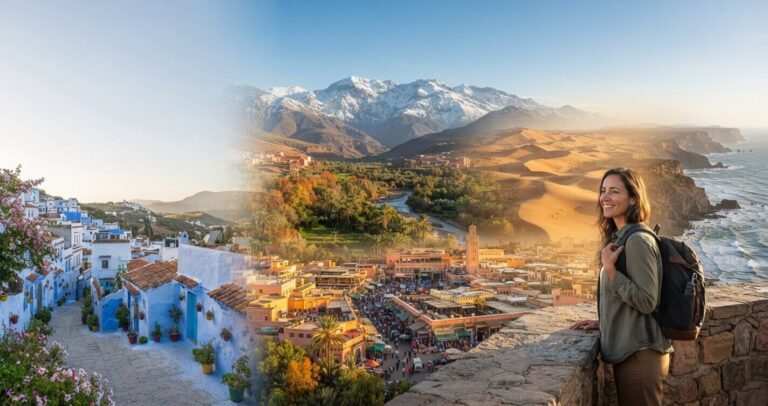
The contrast of snow-capped peaks, orange sand and Atlantic coast is a strong reason to travel in January. Drives through the Atlas offer some of the best scenery.
Enjoy Moroccan Winter Cuisine
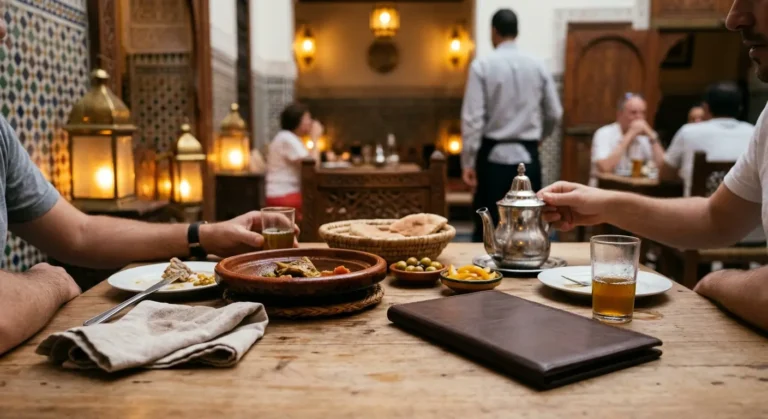
Harira soup, bissara, tagines and mint tea suit the cold. A bowl of hot soup from a medina stall is a winter highlight.
10. Is Morocco in January Cheaper?
Accommodation
Outside the New Year holiday period, many hotels and riads offer lower rates, and it is often easier to negotiate. Prices vary by city and property, so compare before booking.
Transportation
Flights and trains are not always cheaper, but demand is lower, so seats and private drivers are easier to find. Mountain routes may take longer, which can affect costs for private transfers.
Tours and Activities
Tour operators often have more availability and flexibility in January. Desert and mountain tours should be booked with winter conditions in mind, including heating and equipment.
Morocco in January: Pros and Cons
Pros
Mild, sunny days in much of the country, smaller crowds, clear desert skies, snow in the Atlas, lower prices in many places, and comfortable weather for walking the medinas.
Cons
Cold nights, especially in the desert and inland cities, a higher chance of rain on the coast and in the north, shorter days, limited heating in some buildings, and possible mountain road disruption.
Who Should Visit in January?
Morocco in January suits culture-focused travellers, photographers, stargazers and anyone who prefers quiet over summer heat. It is less suited to travellers who want beach weather or who dislike cold evenings. Whichever trip you choose, pack one more warm layer than you think you need: it is the cheapest way to stay comfortable on a winter trip.
Frequently Asked Questions
Is January a good month to visit Morocco?
Yes, January is a good month for travellers who value quiet medinas, mild days and clear skies over heat. Marrakech, the Sahara and the southern coast are the strongest choices. The main trade-offs are cold nights, shorter days and a greater chance of rain in the north and on the Atlantic coast. If you pack for those conditions and keep your plans flexible, Morocco in January can be one of the most rewarding times to visit.
Is Morocco cold in January?
It is cool rather than freezing in most places. Days are generally mild, around 16–19°C in the main cities, but nights can fall to about 5–9°C and lower in the desert and mountains. January is the coldest month of the year, and cold buildings can make evenings feel colder than the forecast. Layered clothing, a warm jacket and heated accommodation make a big difference to comfort.
What is the weather like in Morocco in January?
The weather varies sharply by region. Marrakech and the south are sunny and dry, Fes is cooler, Casablanca and Rabat are mild and wetter, and the Atlas Mountains have snow. The Sahara has warm days and cold nights. Checking the forecast for each stop on your route is more useful than relying on a national average.
Does it rain in Morocco in January?
Yes, mainly on the Atlantic coast and in the north. Casablanca receives around 65 mm over roughly eight days in January, while Marrakech is considerably drier and the Sahara is almost rain-free. Showers are usually short, but a light waterproof jacket is worth packing for the coast, Fes and Chefchaouen.
Does it snow in Morocco in January?
Yes, in the Atlas Mountains. Snow is common above about 2,000 metres, and Oukaïmeden usually has skiable snow, although conditions vary each year. Ifrane can also see snow, while Marrakech itself does not normally get any. Check road conditions before travelling through mountain passes.
Is Marrakech warm in January?
Marrakech is pleasantly mild by day, with highs near 19°C and plenty of sunshine, but it is not warm in the summer sense. Evenings fall to around 5–6°C, and riads can feel cool. Dress in layers, and plan outdoor sightseeing for the middle of the day.
Can you visit the Sahara Desert in January?
Yes. Daytime temperatures around Merzouga are comfortable, roughly 15–20°C, and the skies are clear and dry. The main challenge is the cold at night, so confirm that your camp has blankets or heating and bring warm clothing.
Is the Sahara cold at night in January?
Yes, it can be very cold. Night temperatures near Merzouga often fall to between 0 and 5°C, and sometimes lower. Dry air and clear skies let heat escape quickly after sunset. Thermal layers, a hat, gloves and a camp with good bedding are essential.
What should I wear in Morocco in January?
Wear layers: a base layer, a sweater or fleece, and a warm jacket for the evenings. Add a waterproof layer for the coast and north, comfortable closed shoes, and a hat and gloves for the desert and mountains. Loose, modest clothing works well in medinas and fits easily into a layering system.
Is Morocco expensive in January?
It is generally one of the better-value months. Outside the New Year holiday period, accommodation and tours are often cheaper and easier to negotiate because demand is lower. Costs still vary by city, property and tour type, so compare options. Mountain transfers and winter-ready desert camps can cost more than basic alternatives.