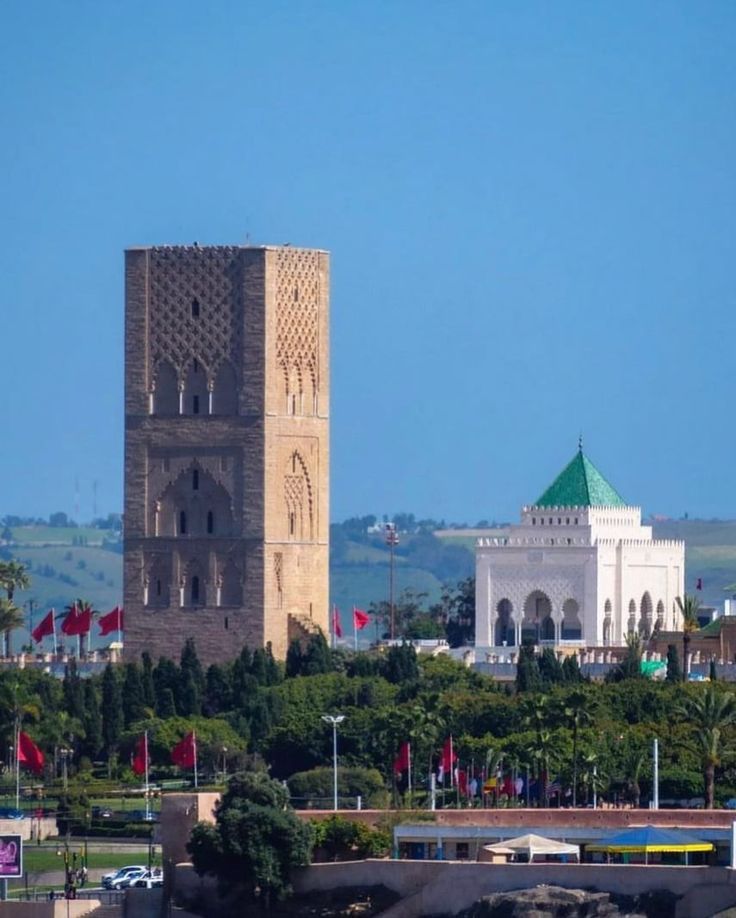
Rabat, Morocco
Rabat, Morocco's elegant capital, brings imperial history, Atlantic coastline, UNESCO heritage and modern Moroccan life together in a city that moves at a noticeably calmer pace than Casablanca or Marrakech — without losing any of its depth.
Why Visit Rabat?
It rarely tops a first-timer's list — which is exactly why it rewards those who make room for it.
Capital City
Morocco's seat of government, with an orderly, dignified atmosphere distinct from its commercial cities.
Imperial City
One of Morocco's four historic imperial capitals, layered with centuries of royal history.
UNESCO World Heritage Site
Rabat's modern and historic urban fabric earned the city a UNESCO World Heritage listing in 2012.
Relaxed Atmosphere
Wider boulevards and a slower pace make it an easy city to simply walk and absorb.
Atlantic Coastline
The Bou Regreg river and Atlantic shoreline shape the city's geography and its best sunsets.
Gardens & Museums
From the Andalusian Gardens to the Mohammed VI Museum, the city rewards unhurried exploring.
Rabat at a Glance
The essentials before you dive into planning.
Top Things to Do in Rabat
Ten stops that capture the capital's blend of history, ceremony and everyday life.
Hassan Tower
The unfinished minaret of a 12th-century mosque, standing alongside rows of ancient stone columns.
Mausoleum of Mohammed V
An exquisite royal mausoleum guarded in traditional dress, with stunning interior craftsmanship.
Kasbah of the Udayas
A fortified blue-and-white hilltop quarter overlooking the river mouth and Atlantic.
Andalusian Gardens
Peaceful, French-designed gardens with Andalusian planting inside the Kasbah walls.
Rabat Medina
Smaller and calmer than Fes or Marrakech, with a distinctly local, less touristy feel.
Chellah
Atmospheric Roman and medieval ruins set within walled gardens, home to nesting storks.
Mohammed VI Museum
Morocco's leading modern art museum, with a striking contemporary building to match.
Bou Regreg Marina
A modern riverside development facing Salé, popular for evening walks and dining.
Rabat Beach
The city's main urban beach, popular with local families and surfers alike.
Royal Palace (Exterior)
The expansive grounds of the Dar al-Makhzen can be admired from outside the gates.
An Unfinished Monument to Ambition
The Hassan Tower was meant to crown the largest mosque in the Muslim world. Construction stopped after the death of Sultan Yacoub al-Mansour in 1199, leaving the minaret at roughly half its planned height and hundreds of stone columns standing where a vast prayer hall was never completed.
That incompleteness is part of what makes it striking — an ambition frozen mid-thought, standing today alongside the far more recent Mausoleum of Mohammed V.
Local Experiences Worth Having
The capital's calmer pace makes it an easy city to simply wander.
- Wandering the medina — smaller and more relaxed than Fes or Marrakech
- Traditional cafés — the city has a genuine café culture worth slowing down for
- Artisan shopping — carpets and crafts without the intensity of bigger tourist markets
- Walking the Kasbah — blue-and-white alleys leading to river and ocean views
- Riverfront promenade — the Bou Regreg waterfront is popular at golden hour
- Museums — the capital has some of Morocco's best-curated cultural institutions
- Sunset viewpoints — the Kasbah walls offer some of the city's best views
Best Time to Visit
Like Casablanca, the city's coastal position keeps its climate relatively mild year-round.
Spring & Autumn
- March–May and September–November — the most comfortable months for walking the Kasbah and gardens
Summer & Winter
- June–August — warm, tempered by Atlantic breezes
- December–February — mild but occasionally rainy
Where to Stay
The Kasbah and medina area offer the most character; the city center is convenient for sights and transport.
Luxury Hotels
Refined international properties near the city center, some with river or ocean views.
Boutique Riads
Characterful stays inside or near the medina, quieter than their Marrakech or Fes counterparts.
Mid-Range Accommodation
Comfortable, well-located hotels throughout the central districts.
Budget Hotels
Simple, reliable options near the medina and train station.
Food & Dining
The city's dining scene mixes refined Moroccan cuisine with fresh Atlantic seafood.
- Moroccan cuisine — classic dishes served with a touch more polish than smaller towns
- Seafood — fresh catches feature heavily, especially near the coast
- Traditional cafés — mint tea and pastries are a daily ritual here too
- Fine dining — the capital has a genuinely strong upscale dining scene
- Local bakeries — worth seeking out in the medina for fresh bread and sweets
- Street food — simple, affordable options throughout the city center
Getting to Rabat
The city is well connected, particularly by rail.
- Rabat-Salé Airport — smaller than Casablanca's, with regional and some international flights
- Al Boraq high-speed train — the fastest link to Casablanca and Tangier
- ONCF trains — frequent, comfortable connections across the national network
- Buses & rental cars — CTM and Supratours serve the city; driving in is straightforward
Getting Around Rabat
It is one of the easier Moroccan cities to navigate.
- Walking — the medina, Kasbah and center are all comfortably walkable
- Petit taxis — inexpensive for longer hops across the city
- Tramway — a clean, modern line connects the capital with neighboring Salé
- Public transport & ride-hailing — buses cover outer districts; app-based rides are increasingly common
Suggested Itineraries
However much time you have, here's how to spend it well.
Half Day
- Hassan Tower
- Mausoleum of Mohammed V
1 Day
- Hassan Tower & Mausoleum
- Kasbah of the Udayas
- Andalusian Gardens
- Medina walk
2 Days
- Day one as above
- Chellah
- Mohammed VI Museum
- Bou Regreg Marina
3 Days
- Days one & two as above
- Rabat Beach
- Slower medina exploring
- Day trip toward Casablanca
Nearby Places to Explore
The capital's central location makes it a convenient base for day trips.
Practical Travel Tips
A calmer capital still has its own local rhythms worth knowing.
- Safety — one of Morocco's safest cities, with a strong government and diplomatic presence
- Dress respectfully — modest dress is appreciated, especially near government buildings
- Local etiquette — a measured, polite tone fits the city's understated atmosphere
- Currency — Moroccan Dirham; cards widely accepted in central areas
- Tipping — customary for guides, drivers and restaurant service
- Photography — avoid photographing government and military buildings directly
- Weather — pack a light layer for cooler evenings by the water
- Opening hours — many sights close for Friday midday prayers
Related Destinations
Related Travel Guides
Frequently Asked Questions
Is Rabat worth visiting?
Yes — it offers a calmer, more polished side of Morocco, with excellent history and museums that often get overlooked.
How many days should I spend in Rabat?
One to two days is enough to see the main sights comfortably.
What is Rabat famous for?
Being Morocco's capital, the Hassan Tower, the Kasbah of the Udayas and its UNESCO-listed heritage.
Is Rabat safe?
Yes — it's widely considered one of Morocco's safest cities, with a strong government presence.
What is the best time to visit Rabat?
Spring and autumn offer the most comfortable weather for walking the city.
Is Rabat better than Casablanca?
They serve different purposes — one leans historic and relaxed, the other modern and commercial. Many visitors enjoy both.
Can you visit Hassan Tower?
Yes, the grounds and columns are open to the public and free to visit.
Is Rabat expensive?
It's comparable to other major Moroccan cities, with a wide range of options across budgets.
What should I not miss in Rabat?
The Kasbah of the Udayas, Hassan Tower, Chellah and a sunset walk along the Bou Regreg.
How do I travel between Rabat and Casablanca?
The Al Boraq high-speed train covers the route in under an hour, making it an easy day trip either way.
Ready to Discover Rabat?
From here, keep building your Morocco itinerary — the imperial cities, the Sahara and the Atlas Mountains are all within reach.