Day 1
Casablanca → Rabat
Begin in Casablanca before discovering the elegant capital city of Rabat.
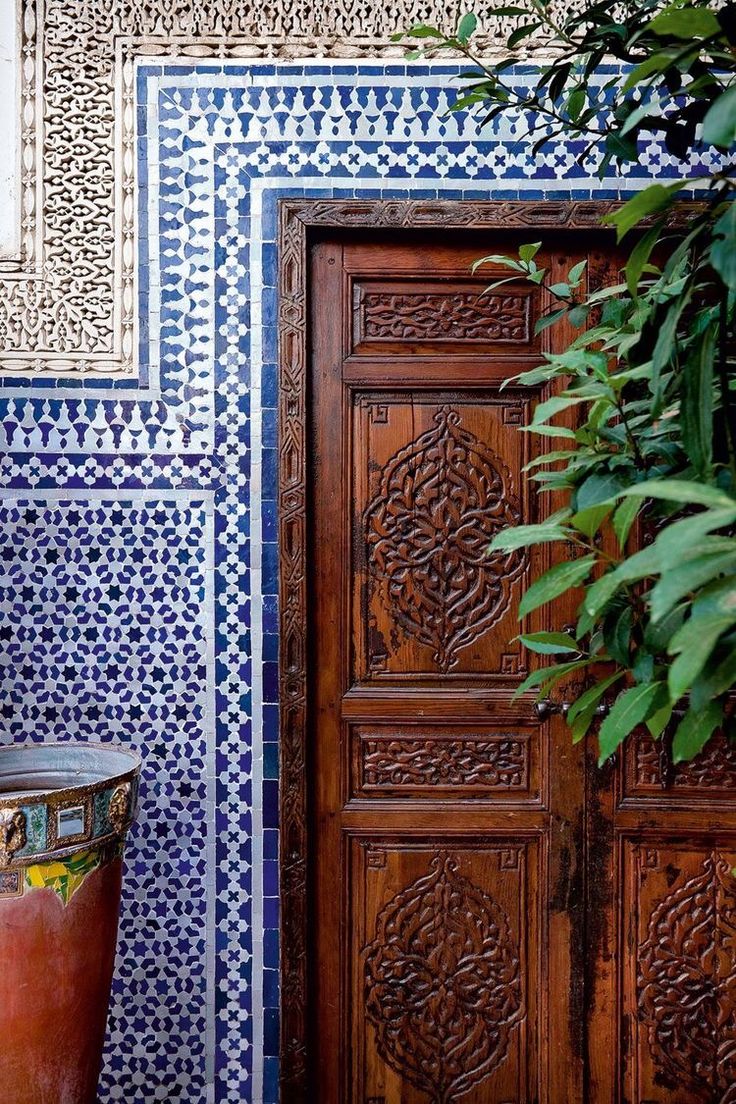
Discover Morocco through an unforgettable 10 Day Morocco Itinerary that blends imperial cities, ancient kasbahs, dramatic mountain landscapes, the golden Sahara Desert, and the Atlantic coast.
A well-planned 10 Day Morocco Itinerary offers the ideal balance between adventure, culture, and relaxation. It gives travelers enough time to explore Morocco's vibrant imperial cities, cross the spectacular Atlas Mountains, experience the magic of the Sahara Desert, and discover charming coastal towns without feeling rushed.
Whether you are planning your first Morocco Travel Itinerary or returning to explore new regions, this route combines iconic highlights with authentic local experiences. Wander through centuries-old medinas, admire UNESCO World Heritage sites, sleep beneath thousands of stars in the desert, and enjoy scenic drives through valleys lined with ancient kasbahs and palm groves.
One of the greatest advantages of a Morocco Road Trip is the freedom to witness the country's dramatic changes in scenery. Within a single journey, travelers move from bustling souks and architectural masterpieces to mountain passes, endless dunes, fertile oases, and the refreshing Atlantic coastline.
"Ten days is long enough to experience Morocco's incredible contrasts—from imperial cities and mountain villages to golden Sahara dunes—yet short enough to leave you wanting to return for even more."
Follow one of Morocco's most rewarding travel routes, combining vibrant cities, breathtaking mountain landscapes, ancient kasbahs, and the unforgettable Sahara Desert.
Begin in Casablanca before discovering the elegant capital city of Rabat.
Wander through Morocco's famous Blue Pearl in the Rif Mountains.
Explore Morocco's oldest imperial city and its legendary medieval medina.
Journey across the Middle Atlas to the majestic Sahara Desert.
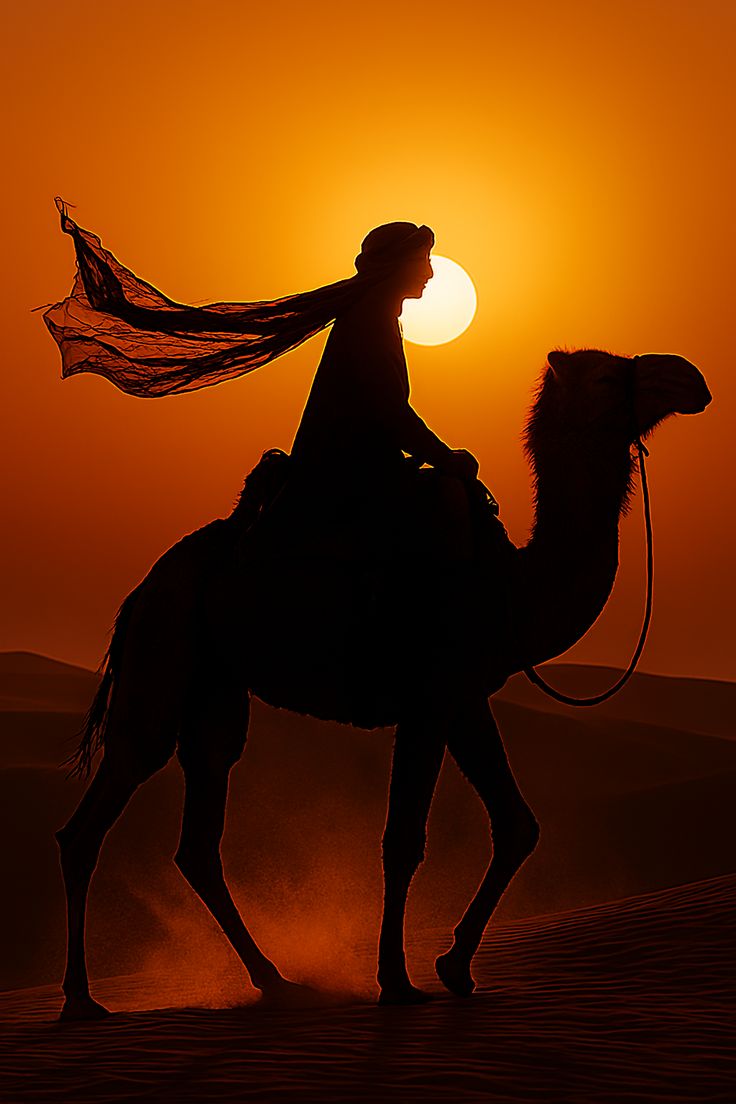
Camel trek across golden dunes and sleep beneath the stars.
Watch the desert sunrise before exploring dramatic canyons and valleys.
Discover ancient kasbahs and Morocco's cinematic landscapes.
Visit the iconic kasbah before crossing the High Atlas Mountains.
Immerse yourself in the vibrant Red City's souks, palaces and gardens.
Enjoy a relaxed morning before your transfer to the airport.
Everything you need to know before starting your journey across Morocco.
10 Day Morocco Itinerary — A balanced itinerary allowing enough time to experience Morocco's diverse regions without rushing.
Approximately 1,750–2,000 km — Depending on optional detours, viewpoints, and sightseeing stops along the route.
March–May & September–November — Pleasant temperatures, clear skies, and ideal conditions. Full guide →
Moderate — Well suited for confident drivers comfortable with mountain roads and longer travel days. Transport guide →
Casablanca — Morocco's largest city and the country's main international arrival hub.
Marrakech — Finish your journey in Morocco's vibrant Red City before departure.
Couples, first-time visitors, photographers, adventure seekers, and travelers looking for a complete 10 Day Morocco Itinerary experience.
$80–$300+ per day — From budget hostels to luxury riads and desert camps on the 10 Day Morocco Itinerary. Full breakdown →
Self-drive rental car, private driver, or guided tour — each offering a comfortable way to experience Morocco's scenic roads. Learn more →
10 Day Morocco Itinerary highlights: Imperial cities, Sahara Desert camel trek, High Atlas crossing, ancient kasbahs, Chefchaouen's blue medina and Jemaa el-Fnaa.
Begin your Moroccan adventure by discovering the country's modern economic capital before heading north to its elegant political capital.
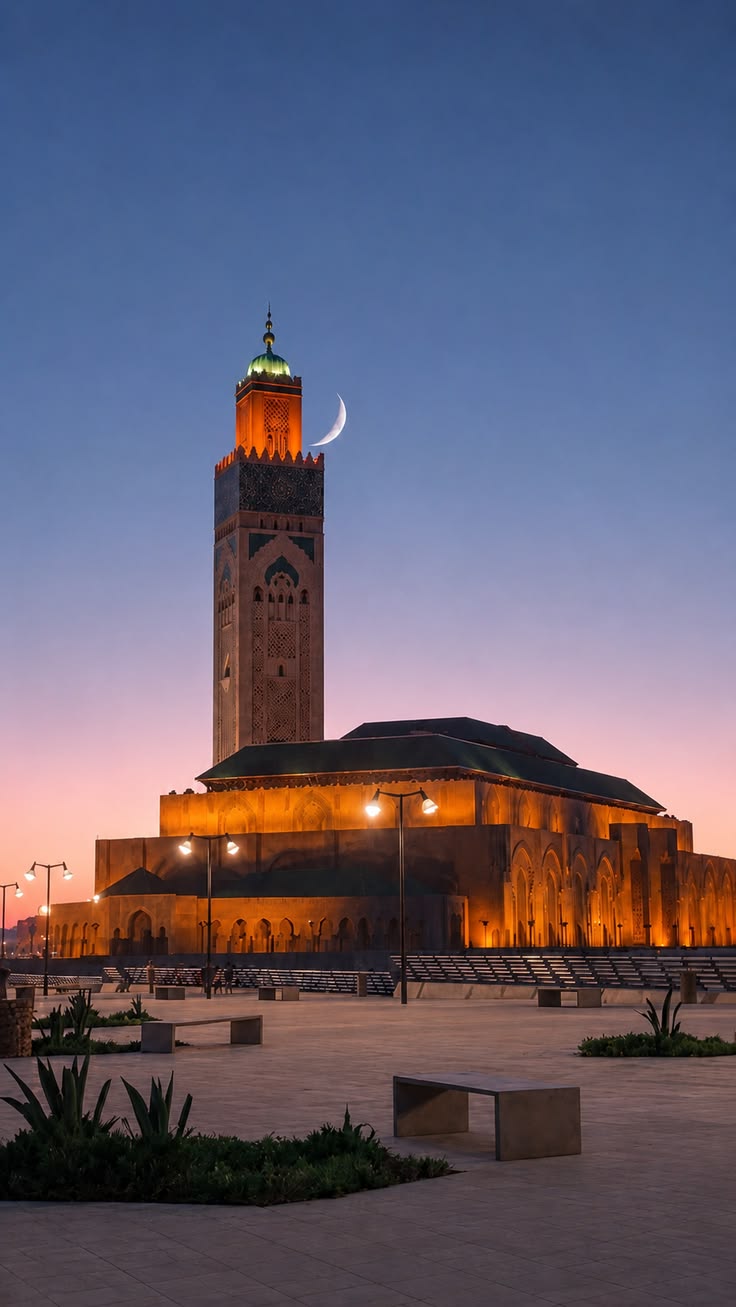
Your journey starts in Casablanca, Morocco's largest city and the gateway for most international travelers. Visit the spectacular Hassan II Mosque, one of the few mosques in Morocco open to non-Muslim visitors, and walk along the Atlantic Corniche.
Driving Time: Explore Casablanca before departing for Rabat (approximately 1 hour 15 minutes).
Try a traditional street food breakfast of msemen (Moroccan flatbread) with honey and amlou, or enjoy fresh pastries at a Corniche café. 10 Day Morocco Itinerary travelers should also try local specialties throughout their journey.
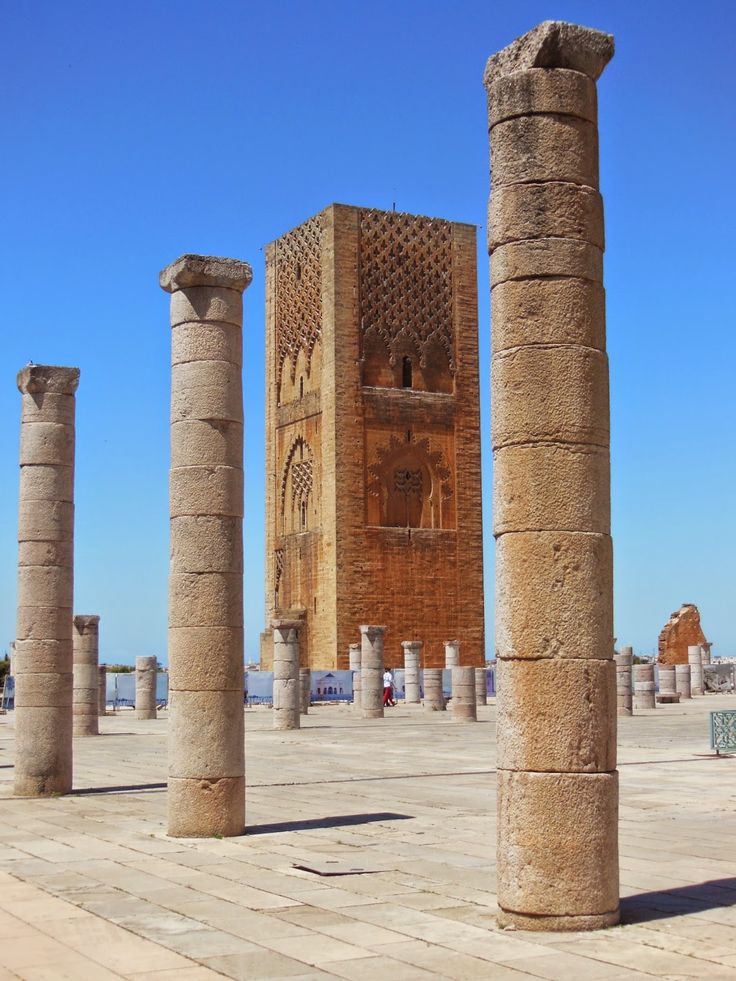
Continue to Morocco's refined capital, where peaceful boulevards, historic monuments, and a relaxed atmosphere create the perfect setting for your first evening.
Choose a boutique riad inside the old medina or a hotel overlooking the Bouregreg River.
Freshly grilled Atlantic seafood, traditional tagine, and finish with mint tea and local pastries.
Travel Tip
Arrive in Rabat before sunset to enjoy the golden light around the Kasbah of the Udayas — one of the city's most photogenic moments.
Leave Rabat behind and journey north into the Rif Mountains to reach Chefchaouen, Morocco's enchanting Blue Pearl.
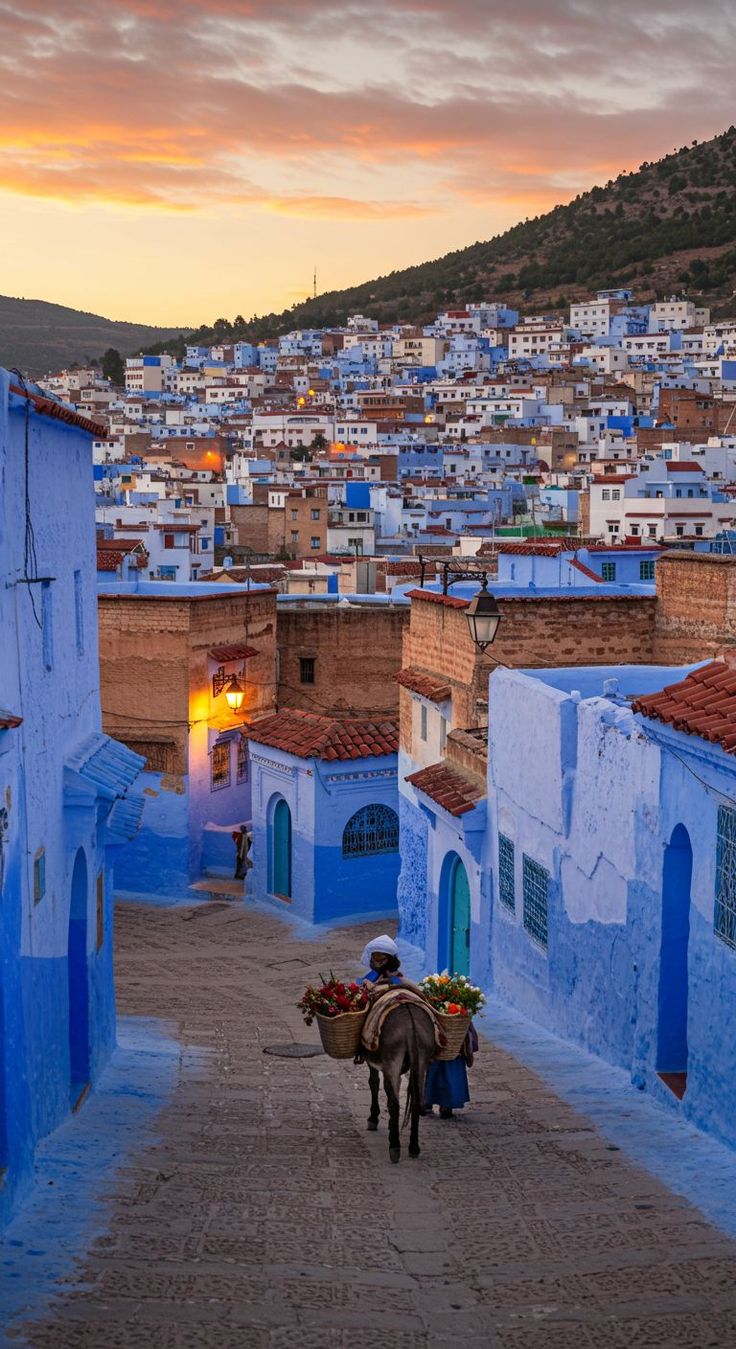
Surrounded by dramatic mountain landscapes, Chefchaouen offers a slower pace than Morocco's larger cities. Spend the day wandering narrow blue alleyways, browsing artisan shops, and soaking up the unique atmosphere.
Driving Time: Approximately 4–5 hours from Rabat (around 250 km), with scenic mountain views along the way.
Enjoy traditional goat cheese from the Rif region as part of your 10 Day Morocco Itinerary, chicken or lamb tagine, and finish with refreshing mint tea in Plaza Uta el-Hammam. 10 Day Morocco Itinerary visitors should also explore the local food scene.
Photography Tip
Head into the medina shortly after sunrise when the blue streets are quiet and beautifully illuminated by soft natural light.
Continue toward Fes, the country's oldest imperial city and one of the world's greatest medieval cultural centers.
Dedicate the full day to exploring Fes el-Bali, the world's largest car-free urban area and a UNESCO World Heritage Site. Visit the famous tanneries, the stunning Bou Inania Madrasa, and lose yourself in the labyrinth of souks and workshops.
Driving Time: Approximately 3.5–4 hours from Chefchaouen (around 200 km).
Fes is Morocco's culinary capital. Try couscous (traditionally served on Fridays), rfissa, pastilla, and kaab el ghazal pastries.
Travel Tip
Hire a local guide for your first medina walk — Fes el-Bali is a genuine labyrinth, and the stories behind each corner make the experience richer.
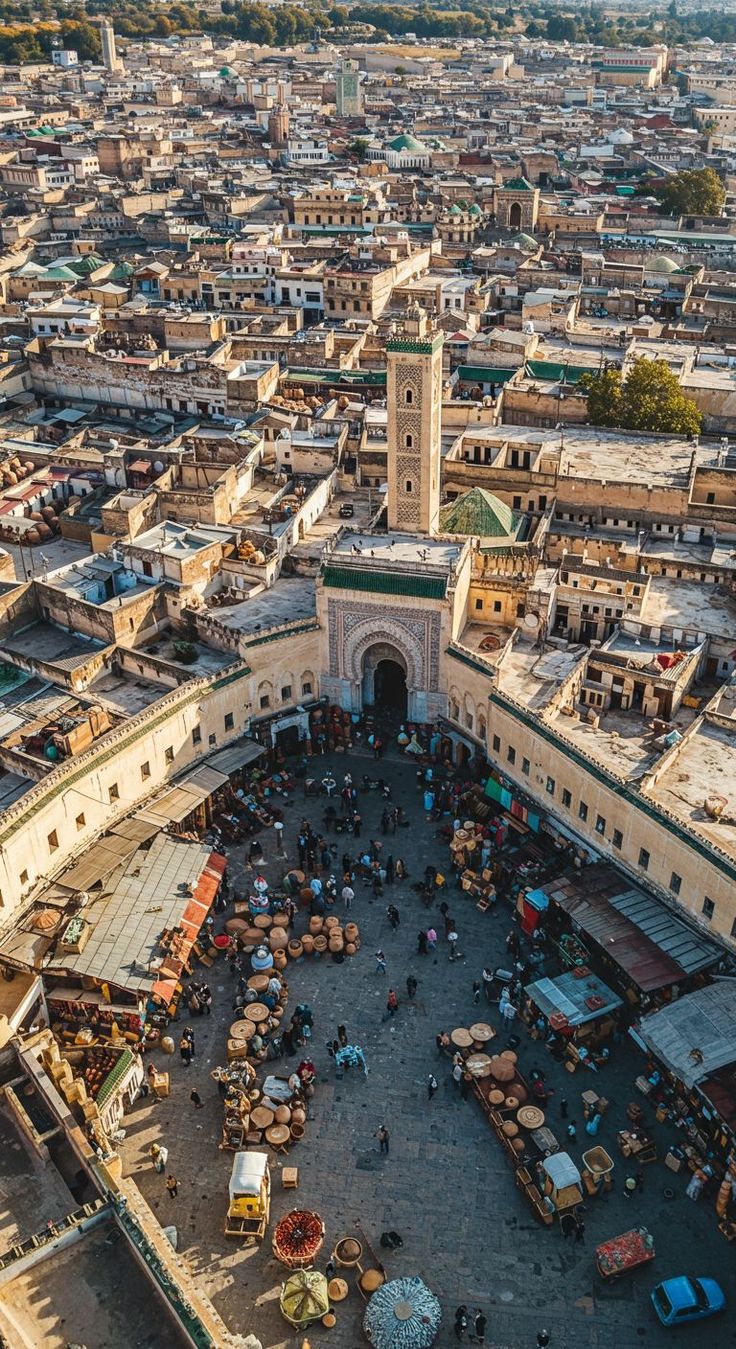
One of the most dramatic transition days of the journey — from cedar forests and alpine scenery to the golden dunes of the Sahara.
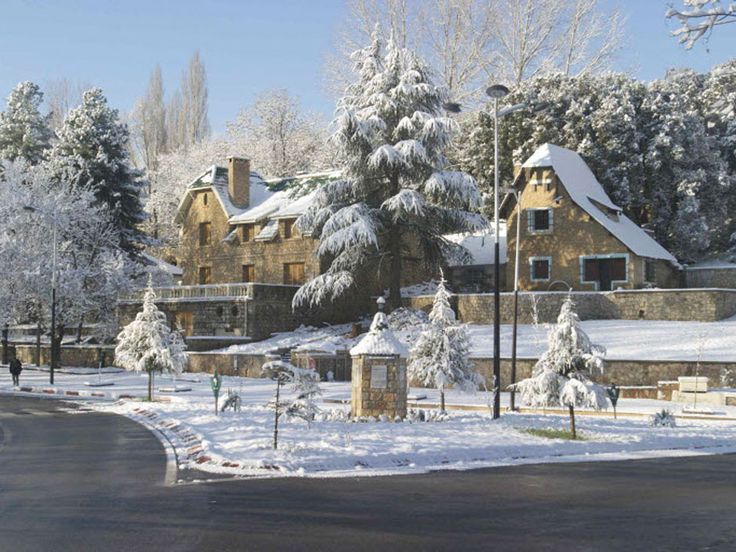
Depart Fes and cross the Middle Atlas Mountains. Stop in Ifrane, known as "Little Switzerland" for its clean streets and alpine architecture, then continue to the cedar forests where Barbary macaques roam freely.
The landscape transforms dramatically as you descend from the mountains through the spectacular Ziz Valley — a ribbon of green palm groves cutting through arid terrain. Arrive in Merzouga as the Sahara's golden dunes come into view.
Driving Time: Approximately 7–8 hours total with stops (around 460 km).
Travel Tip
The Ziz Valley viewpoint is one of the most photographed spots on this route. Stop here for panoramic views of the palm-filled canyon below.
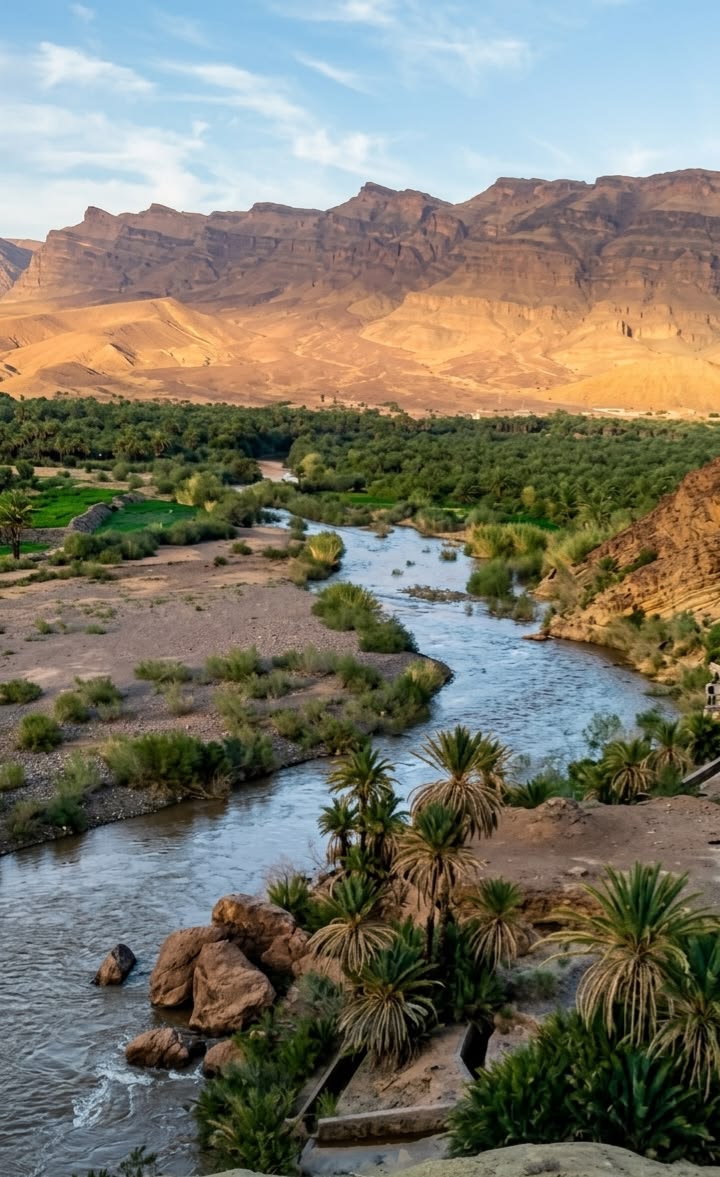
The highlight of many Morocco trips — a full day immersed in the golden dunes of Erg Chebbi, culminating in a night beneath the desert stars.
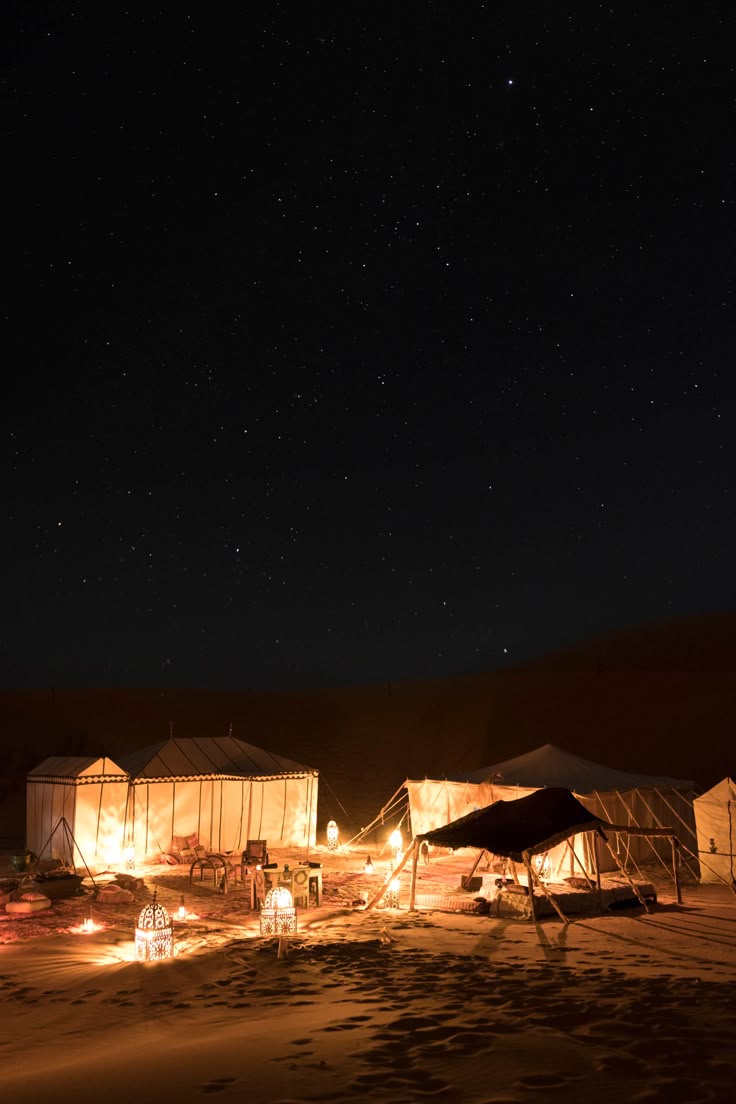
Wake before dawn to watch the sunrise over the dunes — one of Morocco's most unforgettable moments. After breakfast at camp, return to Merzouga by camel or 4x4 and spend the morning exploring the desert region.
As the afternoon sun softens, mount your camel and trek into the Erg Chebbi dunes. Watch the sunset paint the desert in shades of gold and amber before arriving at your luxury desert camp.
Insider Tip
Bring a warm layer — desert temperatures drop significantly after sunset, even in spring and autumn. The camp will provide blankets, but a fleece is invaluable.
Continue your journey through dramatic canyons, lush oases, and the spectacular Dades Valley.
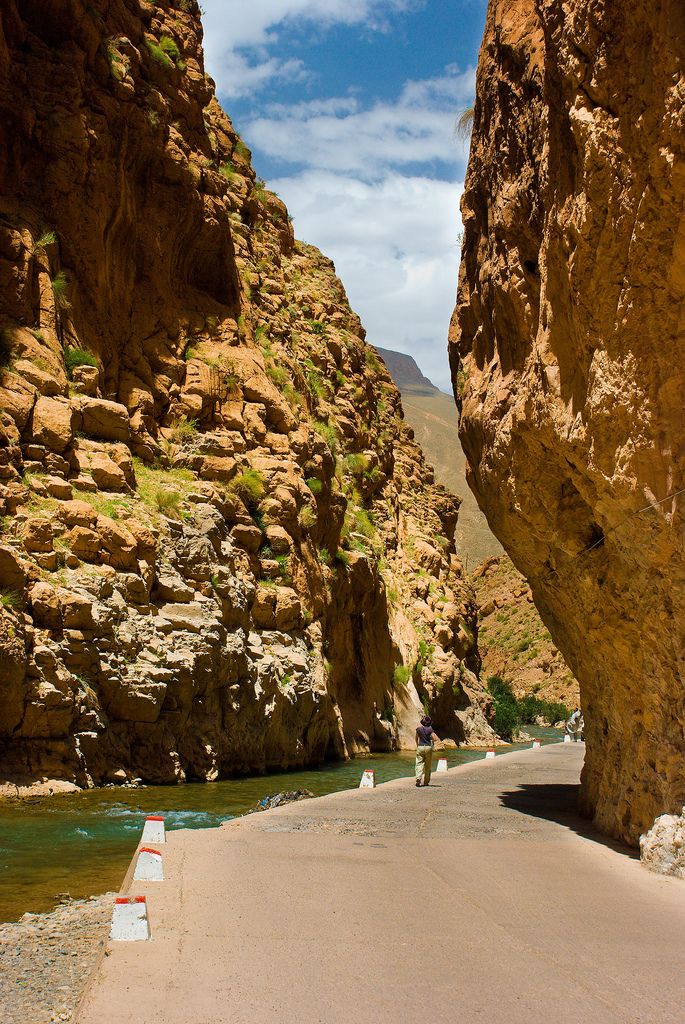
Stop at the spectacular Todra Gorge, where towering 300-meter canyon walls create one of Morocco's most dramatic natural landscapes. The narrow canyon floor, with its palm trees and crystal-clear river, is an unforgettable sight.
Continue along the Valley of a Thousand Kasbahs toward the Dades Valley. The road winds through dramatic red rock formations, rose gardens (in spring), and ancient fortified villages. The Dades Gorge itself is one of Morocco's most scenic drives.
Driving Time: Approximately 4–5 hours total with stops (around 310 km).
Photography Tip
The famous "monkey fingers" rock formations near the Dades Gorge entrance are best photographed in the late afternoon light.
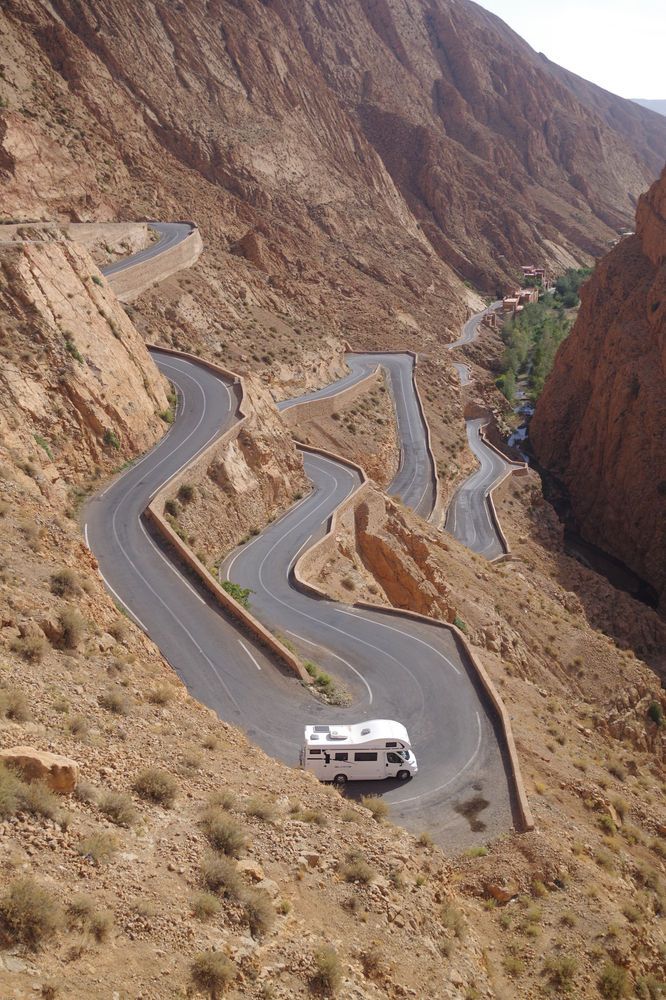
Discover ancient kasbahs, palm-filled oases, and the cinematic landscapes surrounding Morocco's "Hollywood of Africa."
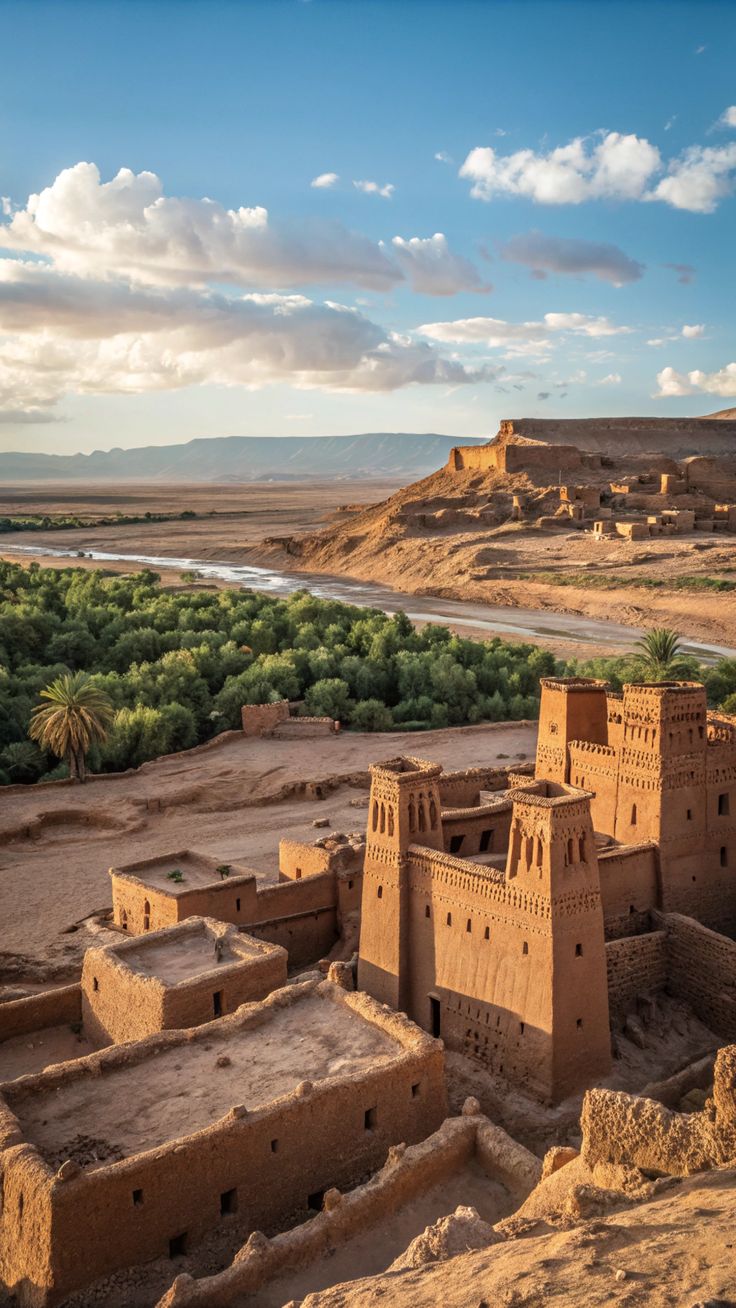
Stop at the lush Skoura Oasis, home to the 17th-century Kasbah Amridil (featured on the Moroccan 50 dirham note). Walk through the palm groves and discover this peaceful desert settlement.
Continue to Ouarzazate, the gateway to the Sahara and Morocco's film capital. Visit the impressive Taourirt Kasbah and learn about the city's role in Hollywood productions including Gladiator and Game of Thrones.
Driving Time: Approximately 3–4 hours with stops (around 195 km).
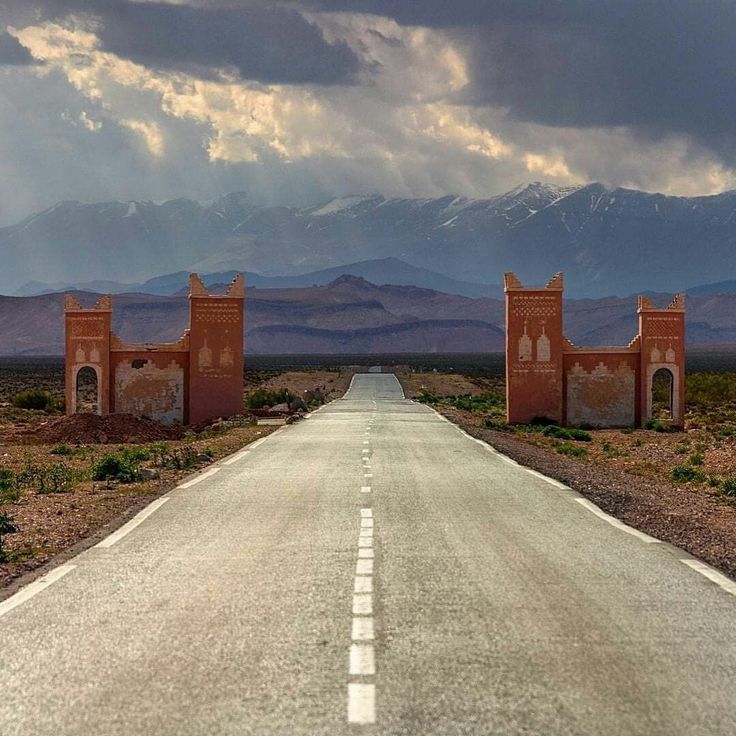
Visit Morocco's most iconic fortified village before crossing the High Atlas Mountains on one of the country's most scenic roads.
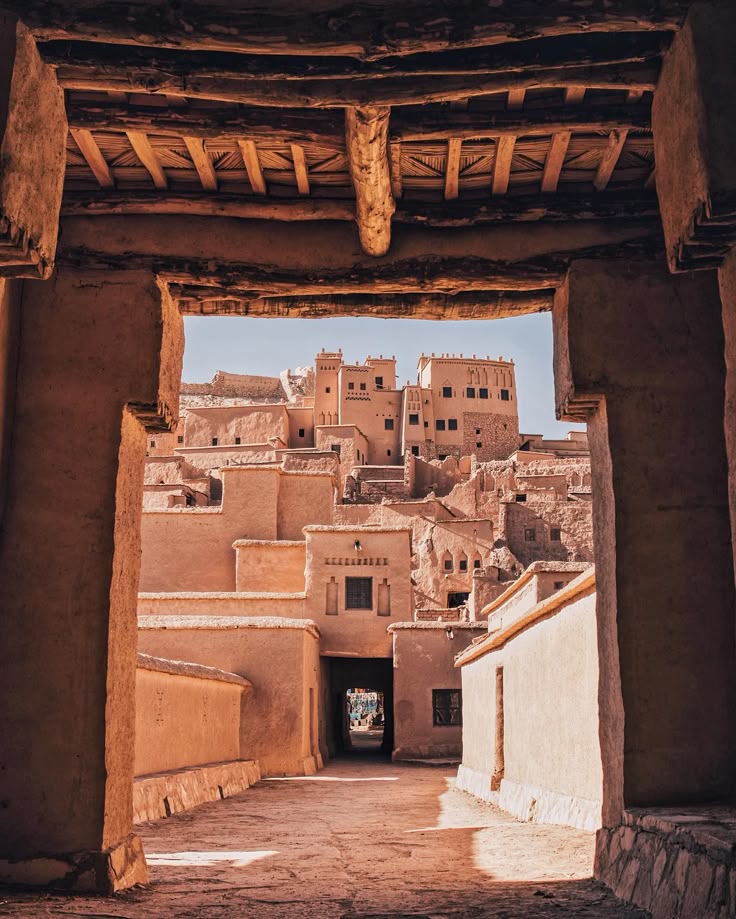
Visit the iconic UNESCO World Heritage kasbah, one of Morocco's most recognizable landmarks. Wander through the ancient mud-brick fortress, climb to the top for panoramic views of the surrounding desert landscape, and explore the village at its base.
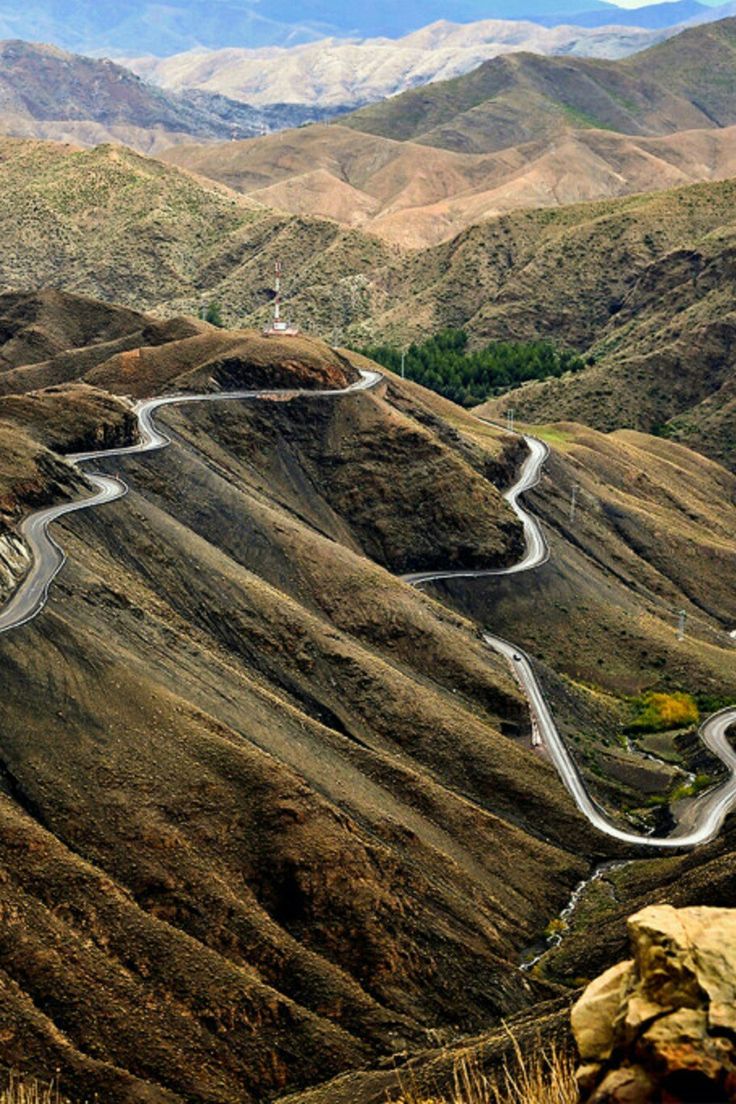
Cross the High Atlas Mountains via the Tizi n'Tichka Pass (2,260m), one of North Africa's highest mountain passes. The dramatic road winds through Berber villages, switching-back mountain roads, and breathtaking panoramas before descending into Marrakech.
Driving Time: Approximately 5–6 hours total with stops (around 360 km).
Travel Tip
The Tizi n'Tichka Pass can be cold and windy even in spring. Keep a warm layer accessible in the car.
Immerse yourself in the vibrant Red City, from colorful souks and historic palaces to peaceful gardens and lively Jemaa el-Fnaa Square.
Explore one of Africa's most exciting cities at your own pace. Start with the iconic Jemaa el-Fnaa square, lose yourself in the labyrinthine souks, visit the stunning Bahia Palace and Saadian Tombs, and find peace in the Majorelle Garden.
End your penultimate day with traditional tagine at a rooftop restaurant overlooking Jemaa el-Fnaa, or try street food from the evening food stalls — grilled meats, snail soup, and freshly squeezed orange juice.
Insider Tip
For the best rooftop views of Jemaa el-Fnaa, head to one of the cafés on the square's north side. Arrive before sunset for the full transition from daylight to the magical evening atmosphere.
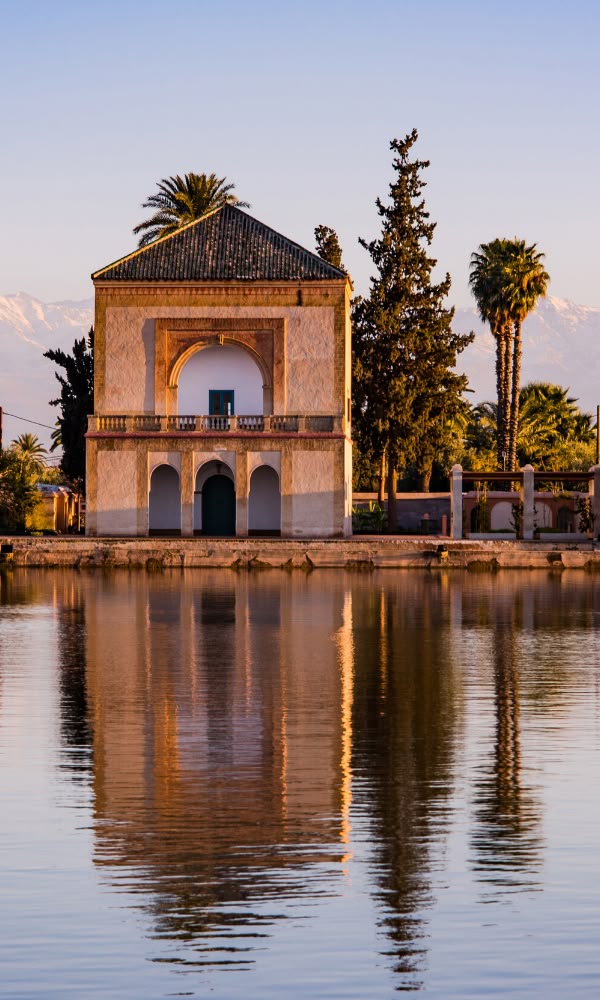
Enjoy a relaxed morning in Marrakech before your transfer to the airport, taking with you unforgettable memories of an incredible Moroccan journey.
Spend your final hours browsing the souks for last-minute souvenirs, enjoy a leisurely mint tea, or take a peaceful walk through the Majorelle Garden before heading to Marrakech Menara Airport.
Tip
Marrakech Menara Airport is approximately 15–20 minutes from the medina. Allow extra time during peak hours.
Per-day estimates including accommodation, food, transport and activities. Full budget guide →
$80–120 / day
Hostels and budget riads, local restaurants, shared transport and guided group tours.
$150–220 / day
Character riads, quality restaurants, private transfers and curated experiences.
$250–400+ / day
Luxury riads and desert camps, fine dining, private drivers and exclusive experiences.
This itinerary works year-round, but the experience changes significantly with the seasons on the 10 Day Morocco Itinerary.
Wildflowers in the valleys, comfortable temperatures everywhere. The Valley of Roses blooms in April–May. Ideal overall — the best time for this route.
Very hot in the south and desert (40°C+). Mountain routes are pleasant. Start driving early and avoid midday in the desert.
Warm days, cool nights. The desert is comfortable again. Excellent visibility for photography and stargazing in the Sahara.
Cold desert nights near freezing; snow possible in the Atlas. Fewer crowds and lower prices. Pack warm layers for the Sahara.
You'll move through cities, mountains, desert and back — pack light but prepared.
Desert nights can drop near freezing; pack a warm fleece and a light jacket for evenings.
Cobblestone medinas and mountain trails demand comfortable, supportive footwear.
High SPF sunscreen, sunglasses and a hat are essential, especially in the desert.
Useful for sun protection, visiting religious sites and windy desert conditions on the 10 Day Morocco Itinerary.
Long driving days mean limited charging opportunities — a portable charger is invaluable.
Carry small MAD notes for souks, tips and roadside stops — many are cash-only.
Understanding your transport options helps you choose the right travel style for this 10 Day Morocco Itinerary.
The most popular option for this route. A private driver handles navigation, mountain roads and long transfers, letting you enjoy the scenery. Ideal for families and first-time visitors.
Gives maximum flexibility but requires confidence on mountain roads. International driving permits are accepted. Roads are generally well-maintained on this 10 Day Morocco Itinerary.
All-inclusive packages handle accommodation, transport and activities. Best for travelers who want a hassle-free experience with expert local knowledge.
Rent a car for the Casablanca–Fes segment, then join a guided desert tour for the Sahara portion, and use taxis in Marrakech.
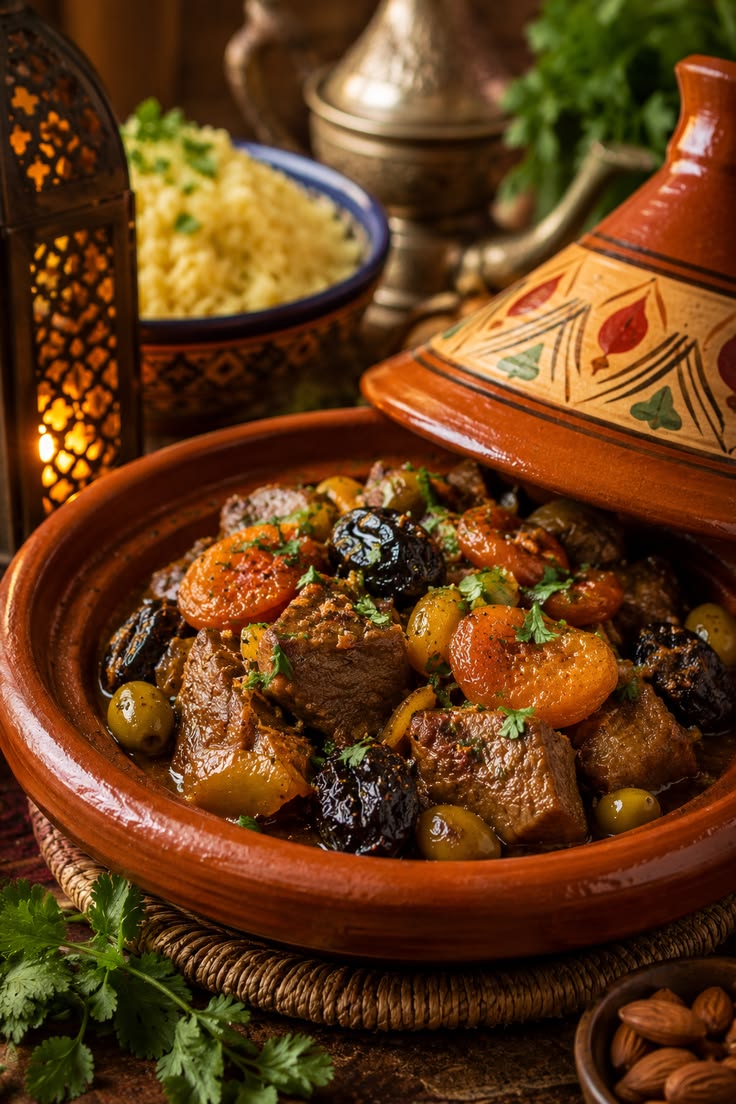
Every stop on this itinerary has its own culinary character — here are the dishes to seek out on the 10 Day Morocco Itinerary.
Need a shorter trip or different pace? These guides have you covered, including the 7 Day Morocco Itinerary for a more compact adventure. Official Moroccan Railways website →
Absolutely — the 10 Day Morocco Itinerary is the ideal duration for a complete Morocco experience. This itinerary covers imperial cities, the Sahara Desert, Atlas Mountains, ancient kasbahs and coastal vibes without feeling rushed.
Yes — this route is specifically designed for first-time visitors, covering Morocco's most iconic highlights with practical travel times and comfortable pacing on the 10 Day Morocco Itinerary. First-time guide →
Yes, though a private driver is more relaxing for the mountain and desert segments. Self-drive works well for confident drivers comfortable with winding roads. Transport options →
Spring (March–May) and autumn (September–November) offer the most comfortable temperatures on the 10 Day Morocco Itinerary. Summer can be extremely hot in the south. Seasonal guide →
Yes — luxury desert camps in the Erg Chebbi area offer comfortable beds, private bathrooms, and traditional dinners under the stars on the 10 Day Morocco Itinerary. Desert tours →
The longest days are Day 4 (7–8 hours) and Day 8 (5–6 hours) on the 10 Day Morocco Itinerary. Other days involve 1–4 hours of driving with plenty of stops. Transport guide →
Absolutely. Moroccans love children and this route is family-friendly on the 10 Day Morocco Itinerary. The camel trek, desert camp and medina exploration all work well for families with children of all ages.
Budget travelers can do it for $80–120 per day, mid-range for $150–220, and luxury from $250+. Costs include accommodation, meals, transport and activities. Full budget breakdown →
No — the main roads on this route are paved and accessible by standard vehicles. A regular car or sedan works fine for the entire journey.
Yes, the route works in both directions on the 10 Day Morocco Itinerary. Starting in Marrakech and ending in Casablanca is equally popular and allows you to fly into Marrakech's airport.
Layers for temperature changes, sturdy shoes for medinas, sun protection, a scarf and a small daypack for camel treks on the 10 Day Morocco Itinerary. Full packing list →
The Sahara is consistently rated as the highlight of Morocco trips. The camel trek, sunset over the dunes and sleeping under the stars make the drive worthwhile. An organized desert tour or private driver is the most practical way to reach it — they handle logistics, navigation and accommodation. Desert adventures →
Yes — this is the most efficient way to do this one-way route. Both Casablanca (CMN) and Marrakech (RAK) airports have international connections.
Daytime temperatures vary: 20–25°C in winter, 40°C+ in summer. Nights can drop near freezing in winter. Always bring warm layers for desert evenings on the 10 Day Morocco Itinerary.
Travel insurance is recommended for any international trip, especially one involving desert excursions and mountain driving on the 10 Day Morocco Itinerary. Travel tips →
Yes — add 1–2 days between Rabat and Fes to visit Chefchaouen. This route can easily be extended to 12 days with the blue city included on the 10 Day Morocco Itinerary. Chefchaouen guide →
Yes — Morocco is popular with solo travelers and this route is well-trodden. Joining a small group tour or hiring a private driver makes the journey easier.
With the essentials covered, it's time to map out where you're going and start building your 10 Day Morocco Itinerary.