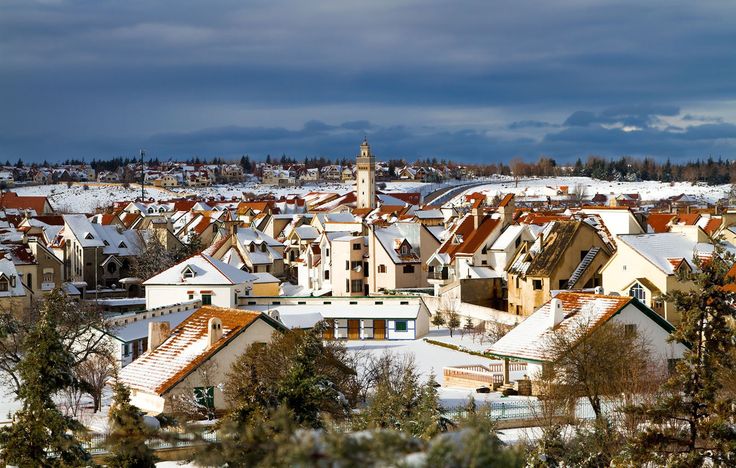
Ifrane, Morocco
High in the Middle Atlas mountains, Ifrane is Morocco's alpine anomaly — a town of cedar forests, snow-dusted rooftops, and clean boulevards that feel closer to Switzerland than North Africa. At nearly 1,700 meters, it offers cool mountain air, wild macaques, and a side of Morocco most travelers never expect.
Why Visit Ifrane?
A mountain town where French colonial planning meets Atlas wilderness — it is one of the most unexpectedly charming stops in all of Morocco.
Little Switzerland
Earned its nickname for good reason: alpine architecture, snow-covered winters, and crisp mountain air at 1,650 meters above sea level.
Alpine Architecture
Sloped roofs, stone facades, and tree-lined boulevards give the town a distinctly European feel unlike any other Moroccan town.
Clean Streets
Known as one of the cleanest cities in Morocco. Manicured gardens, public parks, and wide sidewalks define the town center.
Cedar Forests
The surrounding Atlas cedar forests are home to Barbary macaques, rare birds, and some of the most beautiful woodland walks in the country.
Cool Summers
While the lowlands swelter, the town stays pleasantly cool at 20–25°C — making it Morocco's most popular summer escape.
Winter Snow
Real snowfall every year. The nearby Michlifen ski resort offers downhill runs, and the town transforms into a winter wonderland.
Ifrane at a Glance
The essentials before you head into the mountains.
Top Things to Do in Ifrane
Ten experiences that reveal what makes Morocco's mountain town so quietly extraordinary.
Stone Lion of Ifrane
The town's most iconic landmark — a large stone lion carved into the hillside, created by a French soldier in 1930. It sits in a small park and serves as the town's beloved symbol.
Al Akhawayn University
A prestigious American-style university set in a stunning complex modeled after the Alhambra. The campus is open to visitors and features beautiful courtyards, gardens, and an excellent library.
Ifrane National Park
Protecting over 12,000 hectares of Atlas cedar and oak forests, this national park is home to Barbary macaques, wild boar, and exceptional birdwatching opportunities year-round.
Cedar Forest Walks
Trails wind through towering Atlas cedar groves just outside town. In autumn, the forest canopy glows amber and gold. In spring, wildflowers carpet the forest floor beneath ancient trees.
Barbary Macaques
The famous Barbary macaques — North Africa's only wild primate — inhabit the cedar forests around the town. Observing them in their natural habitat is a highlight of any mountain visit.
Dayet Aoua Lake
A serene mountain lake roughly 30 minutes from town, surrounded by pine and cedar forests. Perfect for a peaceful walk, a lakeside picnic, or simply watching the reflections at sunset.
Michlifen Ski Resort
Morocco's most established ski area, located about 20 kilometers from town. Several runs cater to all levels, and the season typically runs from December to March when snowfall is reliable.
Ifrane City Center
The town center is remarkably orderly — wide sidewalks, shaded parks, and French-influenced buildings. A stroll through the main squares reveals a Morocco that looks entirely different from the imperial cities.
Public Gardens
The town is known for its green spaces and flower-lined avenues. The public gardens feature rose beds, fountains, and shaded benches — a pleasant break between mountain excursions.
Scenic Mountain Drives
The roads connecting the town to Fes, Azrou, and Midelt wind through some of Morocco's most spectacular mountain scenery — cedar forests, rolling plateaus, and dramatic switchbacks with valley views.
Iconic Landmarks & Alpine Charm
The town's character reveals itself slowly — in the carved stone lion watching over its park, in the sloped rooftops designed to shed winter snow, in the immaculate public gardens that bloom against a mountain backdrop.
The Stone Lion remains the town's defining image. Carved by a French colonial soldier in 1930, it has become something of a good-luck talisman for locals and an essential photo stop for every visitor. Nearby, Al Akhawayn University's Andalusian-inspired architecture adds an unexpected layer of cultural richness.
- Stone Lion Park — the town's beloved symbol and most recognizable landmark
- Alpine architecture — steep roofs, stone facades, and European-inspired streetscapes
- Public gardens — rose beds, fountains, and shaded paths throughout the town center
- University campus — Al Akhawayn's Alhambra-inspired courtyards and Andalusian gardens
Nature & Outdoor Experiences
Step outside the town's orderly center and you enter another world entirely. The Middle Atlas cedar forests stretch for hundreds of kilometers — ancient, aromatic, and alive with wildlife found nowhere else on Earth.
- Cedar forests — towering Atlas cedars create cathedral-like canopies on walks just minutes from town
- Barbary macaques — observe North Africa's only wild primate in its natural habitat
- Forest hiking — trails of varying difficulty wind through oak, cedar, and pine woodlands
- Dayet Aoua lake — a tranquil mountain lake ideal for walks and quiet reflection
- Wildlife watching — wild boar, foxes, and over 100 bird species inhabit the surrounding forests
- Scenic mountain roads — the drive between the town and Fes passes through some of Morocco's most dramatic landscapes
Best Time to Visit
The town's high elevation gives it a climate distinct from the rest of Morocco. Each season brings a different reason to visit.
Spring & Autumn
- March–May — wildflowers bloom across the cedar forests, temperatures sit around 12–18°C, and the mountain air feels impossibly fresh after winter
- September–November — golden foliage, crisp mornings, and quiet trails; an ideal time for forest walks and photography before the first snowfall
Summer & Winter
- June–August — the town's main season. Temperatures hover around 20–25°C while the rest of Morocco swelters. hotels fill quickly — book well in advance
- December–February — real snowfall transforms the town. Michlifen ski resort opens, and the cedar forests look magical under a white blanket
Where to Stay
From grand mountain resorts to cozy guesthouses nestled among the cedars, the town's accommodation scene matches its alpine character.
Luxury Hotels
Full-service mountain resorts with fireplaces, spa facilities, and panoramic valley views. The Michlifen Resort & Golf is the standout choice for upscale stays.
Boutique Hotels
Charming properties with alpine-inspired design, local artwork, and personalized service. Many feature terraces overlooking the cedar-lined slopes.
Mid-Range Hotels
Comfortable options in the town center with modern amenities, mountain views, and easy access to forest trails and parks.
Budget Stays
Simple guesthouses and family-run pensions offer warm hospitality and clean rooms at modest prices — perfect for a quick mountain escape.
Food & Dining
The town's dining scene blends hearty mountain fare with classic Moroccan cuisine — meals designed for cool evenings and mountain appetites.
- Moroccan mountain cuisine — hearty tagines with root vegetables, couscous with seven vegetables, and slow-cooked lamb with prunes and almonds
- Mountain restaurants — several resort and town-center restaurants serve generous portions of traditional dishes with views of the surrounding slopes
- Fresh local produce — the surrounding farmlands supply restaurants with seasonal mushrooms, herbs, and mountain honey
- Café culture — cozy cafés serve mint tea, Moroccan coffee, and pastries; the perfect warm-up after a morning forest walk
- Local pastries — m'hanncha, baghrir, and msemen with honey and butter at the town's bakeries
- Evening dining — restaurants near the town center offer both Moroccan and French-influenced menus; expect warm, generous hospitality
Getting to Ifrane
Nestled at a crossroads of Morocco's mountain roads, the town is a natural stop on several major routes through the Atlas.
- From Fes — approximately 60 kilometers south, the drive takes about 1.5 hours along a scenic mountain road through cedar forests and switchbacks
- From Meknes — roughly 70 kilometers via the N8, a pleasant drive through rolling farmland and into the Middle Atlas foothills
- Rental car — the best option for flexibility and scenic stops. The roads are well-maintained but winding; drive carefully in winter conditions
- CTM & Grand Taxis — regular shared and grand taxi services connect the town with Fes and Meknes; affordable but less scenic than driving yourself
Getting Around Ifrane
The town's compact center is easily walkable, while the surrounding forests and attractions require wheels.
- Walking — the town center, parks, and Stone Lion are all within easy walking distance. The flat streets and wide sidewalks make it one of Morocco's most walkable small towns
- Taxi — petit taxis operate within town; useful for reaching the university, lake, or forest trailheads quickly
- Rental car — essential for reaching Michlifen, Dayet Aoua, and the deeper cedar forest trails. Also ideal for scenic drives to Azrou and beyond
- Guided excursions — local guides offer half-day and full-day trips through the national park, macaque habitats, and mountain villages
Suggested Itineraries
However much time you have in the mountains, here's how to make it count.
Half Day
- Stone Lion & town center walk
- Al Akhawayn University campus
- Coffee at a mountain café
- Public gardens stroll
1 Day
- Morning cedar forest walk
- Barbary macaque observation
- Dayet Aoua lake picnic
- Afternoon: Stone Lion & gardens
- Dinner at a mountain restaurant
Weekend
- Day 1: Forest walks & macaques
- Day 1: Dayet Aoua lake sunset
- Day 2: Michlifen ski or hike
- Day 2: Azrou viewpoint & cedar drive
- Evening: Mountain café & pastries
Fes + Ifrane
- Day 1: Fes medina exploration
- Day 2: Drive up into the cedar forests
- Day 2: Forest walk & Stone Lion
- Day 3: Michlifen or Dayet Aoua
- Day 3: Return to Fes or continue south
Destinations Across Morocco
From imperial cities to desert dunes and Atlantic coast — discover more of what Morocco has to offer.
Practical Tips for Visiting Ifrane
Mountain travel comes with its own rhythm. A few essential tips to help you navigate the town with confidence.
- Clothing — layers are essential year-round. Even in summer, mornings and evenings are cool at this elevation; bring a warm jacket
- Weather — check conditions before winter travel. Snow and ice can make mountain roads challenging; chains may be required
- Driving — mountain roads are well-maintained but winding. Drive slowly and use pullouts for scenic stops
- Snow — if visiting in winter, book accommodation near the slopes and verify road conditions to Michlifen before setting out
- Wildlife etiquette — do not feed or approach Barbary macaques. They are wild animals and can be unpredictable at close range
- Cash — ATMs exist in town, but carry sufficient cash for remote areas and small vendors in the forests
- Photography — the cedar forests and mountain light are extraordinary; golden hour produces the most dramatic images
- Family travel — the town is excellent for families. Easy walks, wildlife, and a safe, calm atmosphere make it ideal for children
Related Travel Guides
Essential reading to help you plan every aspect of your Moroccan adventure.
Frequently Asked Questions
Is Ifrane worth visiting?
Absolutely. The town offers a side of Morocco that surprises nearly everyone — alpine architecture, cedar forests with wild monkeys, real snow, and mountain air that feels a world away from the medinas and souks.
How many days should I spend in Ifrane?
1–2 days is ideal for most travelers. This gives you time for the town center, a cedar forest walk, macaque spotting, and a visit to Dayet Aoua or the ski resort depending on the season.
What is Ifrane famous for?
Its nickname "Little Switzerland," the Stone Lion landmark, Barbary macaques in the cedar forests, Michlifen ski resort, Al Akhawayn University, and its status as one of the cleanest and coldest towns in Morocco.
Is Ifrane safe?
Yes. It is considered one of the safest towns in Morocco — a small, tight-knit community with a low crime rate. Exercise standard travel precautions and you'll have no issues.
What is the best time to visit Ifrane?
Summer (June–August) for cool mountain weather and full accessibility, or winter (December–February) for snow and skiing. Spring and autumn are quieter and excellent for forest walks.
Can you see snow in Ifrane?
Yes. The town receives regular snowfall from December through February. It transforms into a winter landscape and the nearby Michlifen ski resort opens for the season.
Are the Barbary macaques friendly?
No — they are wild animals. While they are accustomed to human presence in popular areas, never feed, touch, or approach them closely. Observing from a distance is the respectful and safe approach.
How do I get from Fes to Ifrane?
The drive from Fes takes approximately 1.5 hours (60 km) through scenic mountain roads. Grand taxis and shared taxis also run the route regularly. A rental car gives you the most flexibility.
Is Ifrane family friendly?
Excellent for families. The easy walking, clean streets, wildlife encounters, and safe atmosphere make it a refreshing change of pace from Morocco's busier cities. Children love the macaques and cedar forests.
Is there skiing in Ifrane?
Yes. The Michlifen ski resort, located about 20 kilometers from town, offers several runs for different skill levels. The season typically runs from December to March depending on snowfall.
What should I pack for Ifrane?
Layers are key. Bring a warm jacket, comfortable walking shoes, sunscreen (the mountain sun is strong), and if visiting in winter, waterproof footwear and warm accessories for snow conditions.
Can I combine Ifrane with Fes?
Perfectly. Fes and the town are only 1.5 hours apart, making a combined itinerary very practical. Many travelers visit Fes first, then head up for mountain relief, or vice versa.
Ready to Discover Ifrane?
From cedar forests and wild macaques to snow-capped rooftops and mountain trails, the town is Morocco's best-kept alpine secret. Let MoroccOdyssey help you plan the rest.