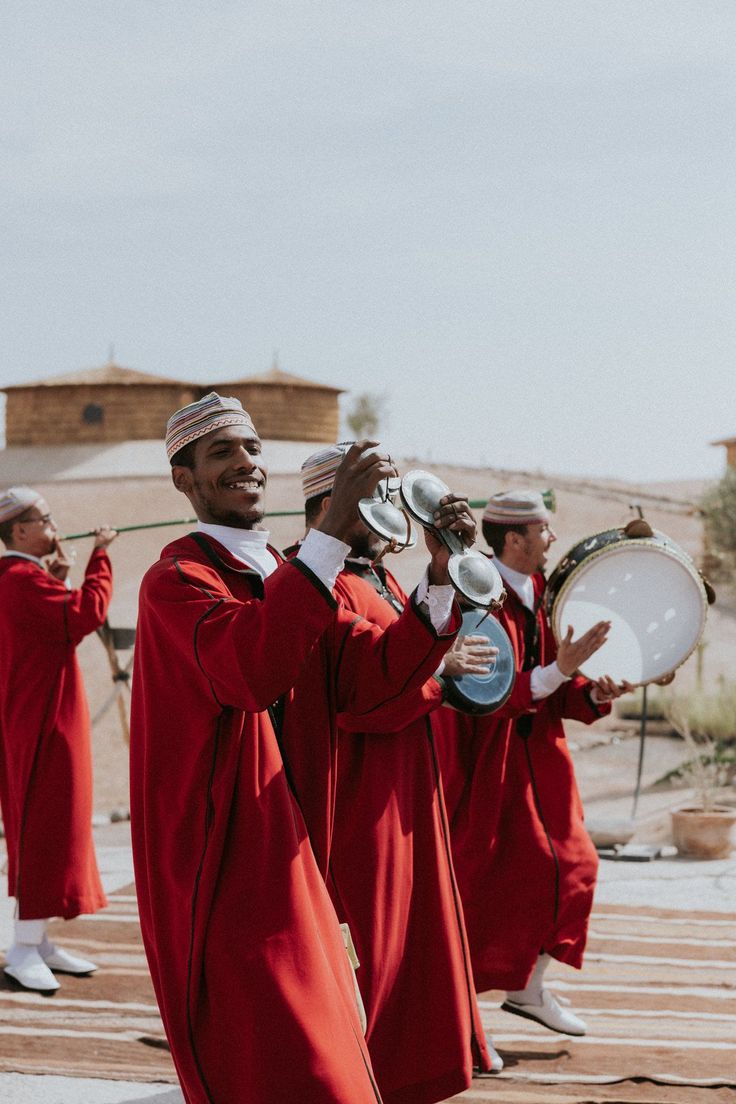
Experience Moroccan Culture
Experience Moroccan Culture through centuries-old traditions, colourful festivals, local crafts, music, architecture and daily life. Discover the cultural heritage that makes every region of Morocco unique—from the ancient medinas of Fes and Marrakech to the mountain villages of the Atlas and the windswept coastal towns of the Atlantic.
Discover Moroccan CultureMoroccan Culture at a Glance
The key details for understanding Morocco’s rich cultural heritage.
Why Moroccan Culture is one of the world’s great travel experiences.
Morocco is a country where Moroccan Culture is not a relic of the past but a living, breathing presence in everyday life. Walk through any medina and you encounter centuries of accumulated tradition in the architecture, the calligraphy, the sounds of artisans at work, and the rhythm of daily rituals that have remained unchanged for generations.
The cultural identity of Morocco is built on layers of influence. The Amazigh (Berber) people are the original inhabitants, and their traditions—language, crafts, festivals, and ways of life—remain a vital force throughout the country, particularly in the Atlas Mountains and the south. Arab influence brought Islam, Arabic language, and architectural traditions that shaped the medinas and mosques.
Andalusian refugees fleeing Spain brought music, refinement, and a cosmopolitan sensibility that flourished in cities like Fes and Tetouan. African and Mediterranean influences added further depth, creating a culture of extraordinary richness.
Hospitality is the cornerstone of Moroccan life. To be offered Moroccan mint tea is to be welcomed into someone’s world—it is a ritual of respect and generosity that transcends social boundaries. The tea ceremony itself—the pouring from height, the sweet balance of gunpowder mint, the shared glass—is an art form. Family lies at the heart of society, and the home is the center of cultural life, where recipes, crafts, and traditions pass from generation to generation.
Architecture in Morocco tells the story of its cultural layers. The riads of Marrakech and Fes hide tranquil courtyards behind unassuming facades. The kasbahs of the south—rammed-earth fortresses—rise from river valleys like something from a dream. Mosques, madrasas, and historic gates display the geometric precision and calligraphic beauty of Islamic art at its finest.
Morocco’s handicrafts are among the finest in the world. Zellige (mosaic tilework), carpets woven with centuries-old patterns, leatherwork tanned in ancient tanneries, pottery, wood carving, and metalwork are not museum pieces but living traditions practiced in workshops and homes throughout the country.
Music is everywhere in Morocco. Gnawa music, born from sub-Saharan spiritual traditions, pulses through the streets of Essaouira. Andalusian classical music fills the salons of Fes.
Amazigh folk songs accompany festivals in the Atlas. The Festival of World Sacred Music in Fes and the Gnaoua World Music Festival in Essaouira draw international audiences.
Traditional clothing remains part of daily life. The djellaba, kaftan, and cheich are worn by Moroccans of all generations, and the babouche (leather slipper) is an icon of Moroccan craftsmanship. During festivals and celebrations, clothing becomes even more elaborate and meaningful.
Understanding Moroccan Culture transforms a trip from sightseeing into genuine connection. When you learn the customs, respect the traditions, and engage with the people, Morocco reveals itself as one of the most welcoming, fascinating, and culturally rewarding destinations on earth.
Moroccan Culture experiences that define the country.
Every encounter with Moroccan Culture reveals something extraordinary—ancient traditions, living heritage, and the warmth of its people.
Traditional Souks
Wander through labyrinthine markets where spices, textiles, ceramics, and metalwork fill every stall. The souks of Marrakech, Fes, and Chefchaouen are sensory journeys into Moroccan commerce and craftsmanship.
Artisan Workshops
Watch master craftspeople at work in tanneries, carpet looms, zellige studios, and pottery kilns. These are living traditions passed down through centuries—not museum exhibits.
Moroccan Tea Ceremony
The pouring of mint tea from height into ornate glasses is Morocco’s most beloved ritual. More than a drink, it is a gesture of welcome, respect, and friendship offered to every guest.
Local Festivals
From village moussems to world-class cultural events, Morocco celebrates constantly. Festivals combine music, dance, religious devotion, and community spirit in ways that are deeply moving.
Traditional Music
Gnawa trance rhythms, Andalusian classical melodies, Amazigh folk songs, and Arabic maqam. Music is woven into every aspect of Moroccan life, from spiritual ceremonies to street celebrations.
Handcrafted Arts
Zellige mosaics, Berber carpets, hand-tooled leather, carved cedarwood, painted pottery, and silver jewelry. Each region has its own distinctive style and centuries of accumulated skill.
Historic Architecture
Riads, kasbahs, mosques, madrasas, and ancient gates. Morocco’s architectural heritage spans a thousand years and reflects every chapter of its complex cultural history.
Daily Life in Morocco
Sharing meals with families, watching children play in medina alleys, hearing the call to prayer at dusk. The true culture of Morocco is found in its everyday moments of connection and community.
Where to experience the richest Moroccan Culture.
Each destination offers a distinct window into the country’s cultural heritage—from ancient medinas to living artistic traditions.
Fes
The cultural and spiritual heart of Moroccan Culture. The world’s largest car-free urban area, the ancient tanneries, madrasas, and the most preserved medieval medina on earth make Fes the definitive cultural destination.
Marrakech
The Red City pulses with creative energy. Jemaa el-Fnaa, the souks, the Majorelle Garden, palace museums, and a thriving contemporary arts scene make Marrakech Morocco’s most dynamic cultural capital.
Chefchaouen
The Blue Pearl of the Rif. Famous for its blue-washed medina, Chefchaouen also preserves strong Amazigh traditions, local weaving, and a gentle, welcoming way of life that feels untouched by time.
Rabat
The capital blends medieval heritage with modern culture. The Hassan Tower, Kasbah des Oudaias, and the contemporary Mohammed VI Museum make Rabat a city where past and present coexist beautifully.
Tetouan
A UNESCO medina shaped by Andalusian refugees, Tetouan preserves some of the most refined traditional crafts in Morocco—embroidery, woodwork, and pottery—in an atmosphere of quiet sophistication.
Essaouira
Where Atlantic winds meet Gnawa traditions. Essaouira’s medina, its annual World Music Festival, and its thriving artisan community make it a haven for music lovers and cultural seekers.
Discover Moroccan Culture through its living heritage.
From ancient architecture to living craftsmanship, Moroccan Culture is not preserved in museums—it thrives in the streets, workshops, and homes of its people.
Traditional Architecture
Morocco’s architectural heritage is one of the richest in the world and a cornerstone of Moroccan Culture. The riad—a traditional house built around an interior courtyard—is the defining form of domestic architecture in the medinas. Hidden behind plain exterior walls, riads reveal extraordinary beauty within: fountains, tiled floors, carved plaster, and lush gardens.
Kasbahs, the rammed-earth fortresses of the Atlas and southern valleys, are masterpieces of vernacular engineering. Mosques and madrasas display the geometric precision and calligraphic artistry of Islamic architectural tradition, with the Bou Inania Madrasa in Fes and the Ben Youssef Madrasa in Marrakech standing as supreme examples. Several of Morocco’s medinas, including the Medina of Fez, are inscribed on the UNESCO World Heritage List in recognition of this extraordinary heritage.
Arts & Crafts
Moroccan handicrafts represent one of the most diverse and sophisticated artisan traditions in the world. Zellige—hand-cut mosaic tilework—adorns palaces, mosques, and riads with geometric patterns of astonishing complexity. Berber carpets, each region with its own distinctive designs and symbolism, are woven by hand on traditional looms.
The tanneries of Fes have operated for nearly a thousand years, using methods unchanged since the Middle Ages. Leatherwork, pottery (particularly the blue-and-white ceramics of Fes and the earth tones of Safi), carved cedarwood, painted furniture, and silver jewelry each represent distinct regional traditions passed down through generations of master artisans.
Music & Festivals
Music is inseparable from Moroccan Culture. Gnawa music, born from the spiritual traditions of sub-Saharan African descendants, features the hypnotic rhythms of the guembri bass and metal castanets called qraqeb. The Gnaoua World Music Festival in Essaouira celebrates this tradition internationally.
Andalusian classical music, brought by refugees from Moorish Spain, preserves one of the world’s most refined musical traditions in the conservatories of Fes and Tetouan. Amazigh folk music accompanies village festivals (moussems) throughout the Atlas Mountains. Morocco’s cultural calendar is packed year-round: the Festival of World Sacred Music in Fes, the Marrakech International Film Festival, the Imilchil Marriage Festival in the High Atlas, and hundreds of local moussems celebrating patron saints with music, dance, and communal feasting.
Hospitality & Traditions
Hospitality is the highest value in Moroccan Culture. The Moroccan tea ceremony—the ritual preparation and serving of mint tea poured from height into small ornate glasses—is the universal gesture of welcome. Refusing tea is considered impolite; accepting it is a sign of respect and friendship.
Family is the center of Moroccan life, and the home is a private sanctuary where traditions are preserved and passed down. Guests are treated with extraordinary generosity, often served the best food and the most comfortable room. Local etiquette reflects these values: greeting people properly, using the right hand for eating and greeting, removing shoes when entering a home, and showing respect for elders are all deeply ingrained social codes that visitors should learn and observe.
How to experience Moroccan Culture respectfully and meaningfully.
Moroccan Culture is accessible to every visitor, but approaching it with awareness and respect transforms a trip from observation into genuine connection. Here is how to engage with Moroccan traditions meaningfully.
Visit historic sites respectfully. When visiting mosques (where permitted), madrasas, and holy sites, dress modestly, remove your shoes, and follow the guidance of local hosts. The Bou Inania Madrasa in Fes and the Ben Youssef Madrasa in Marrakech are open to non-Muslim visitors and are extraordinary examples of Islamic art.
Dress with awareness. Morocco is a Muslim-majority country, and modest dress is appreciated, particularly away from beach resorts. Covering shoulders and knees when walking through medinas and visiting rural areas shows respect for local values.
Photography etiquette matters. Always ask permission before photographing people, particularly in rural areas, markets, and when photographing women. Some people will welcome the attention; others prefer privacy. Respect both responses equally.
Shop from local artisans. Purchasing directly from workshops and cooperatives ensures that your money supports the people who actually make the crafts. The cooperative system in places like Tiznit and the Atlas Mountains is particularly ethical.
Hire local guides. A knowledgeable local guide in Fes or Marrakech will reveal layers of history, meaning, and daily life that you would never discover alone. They also provide economic support to local families.
Moroccan Culture by season.
Every season brings different cultural experiences—from major international festivals to intimate village celebrations.
Spring (Mar-May)
The peak cultural season. The Festival of World Sacred Music in Fes, village moussems throughout the Atlas, comfortable weather for walking medinas, and gardens in full bloom. The ideal time for cultural travel.
Summer (Jun-Aug)
The Gnaoua World Music Festival in Essaouira (June) draws international crowds. Summer moussems continue in rural areas. Marrakech is hot but its indoor cultural venues—museums, palaces, riads—remain compelling.
Autumn (Sep-Nov)
The cultural season resumes after summer. Cooler temperatures make medina exploration comfortable again. The Marrakech International Film Festival (November/December) and harvest celebrations add vibrancy.
Winter (Dec-Feb)
The Imilchil Marriage Festival in the High Atlas (September) and winter moussems. Fes and Marrakech are at their most atmospheric in cooler weather. Fewer tourists mean deeper cultural encounters.
What to know before you go.
Cultural Awareness
- Greetings: Always greet people with "Salaam Alaikum" (peace be upon you). A handshake is appropriate between men; wait for a Moroccan woman to extend her hand first. Greetings are important and should not be rushed.
- Language: Arabic and Amazigh are official languages. French is widely spoken in cities. In the north, Spanish is common. Learning a few words of Arabic or Darija (Moroccan Arabic) is deeply appreciated.
- Bargaining respectfully: Bargaining is expected in souks and markets. Approach it as a friendly exchange, not a confrontation. Start at roughly half the asking price and meet in the middle. Respect the artisan's skill and livelihood.
- Dress code: Morocco is moderate, but modest dress is appreciated in medinas and rural areas. Covering shoulders and knees shows respect. Beach resorts are more relaxed.
- Visiting homes: Remove your shoes at the door. Accept tea and food when offered. Compliment your host's home. Bringing a small gift (pastries, fruit) is a kind gesture.
- Tea etiquette: Always accept the first glass of tea. It is poured from height to create a slight foam — this is intentional and part of the art. Hold the glass with your right hand.
- Mosque etiquette: Non-Muslims cannot enter most mosques in Morocco. Exceptions include the Hassan II Mosque in Casablanca and some historic madrasas. Always dress modestly near religious sites.
- Responsible tourism: Respect local customs, ask before photographing people, support local artisans and guides, and tread lightly in rural and natural areas.
Travel and Comfort
- Carry small change: Useful for tips, small purchases, and public toilets. One and five dirham coins are particularly handy.
- Hire local guides in medinas: The medinas of Fes and Marrakech are labyrinthine. A guide not only prevents you from getting lost but reveals hidden history, artisan workshops, and local life you would never discover alone.
- Respect prayer times: Shops may close briefly for the five daily prayers. The call to prayer is a beautiful sound — pause and listen rather than rushing through it.
- Use your right hand: In Moroccan culture, the left hand is considered unclean. Use your right hand for eating, greeting, and giving or receiving items.
- Remove shoes appropriately: When entering a home, traditional shop, or mosque, remove your shoes. Look for cues from your host or other visitors.
- Accept hospitality: Moroccans are extraordinarily generous. Accept invitations, try the food offered, and show appreciation. Your respect for their culture will be warmly received.
Moroccan Culture: Your Questions Answered.
What makes Moroccan culture unique?
Moroccan Culture is built on layers of Amazigh, Arab, Andalusian, African, and Mediterranean influence. No other country blends these traditions so seamlessly — creating a living heritage visible in architecture, crafts, music, food, and daily rituals that remain deeply rooted in modern life.
Is Morocco culturally diverse?
Extraordinarily so. Morocco is home to Amazigh (Berber), Arab, Jewish, Sub-Saharan African, and European cultural influences. Each region has its own traditions, dialects, crafts, and festivals. This diversity is one of the country's greatest strengths.
What languages are spoken?
Arabic and Amazigh are official languages. Moroccan Arabic (Darija) is the everyday spoken language. French is widely used in business and education.
In the north, Spanish is common. English is increasingly spoken in tourist areas.
What customs should visitors know?
Greet people properly (Salaam Alaikum), use your right hand for eating and greeting, remove shoes when entering homes, dress modestly in medinas, and always accept tea when offered. These small gestures show deep respect for Moroccan values.
Is it respectful to photograph people?
Always ask permission first. Many Moroccans are happy to be photographed, but some — particularly in rural areas and some women — prefer not to be. Respect both responses. Never photograph military installations or government buildings.
What should I wear?
Morocco is moderate, but modest dress is appreciated. Covering shoulders and knees when walking through medinas and visiting rural areas is respectful. Beach resorts are more relaxed. Comfortable walking shoes are essential for medina exploration.
Are Moroccan festivals worth visiting?
Absolutely. Festivals offer some of the most authentic experiences of Moroccan Culture. The Gnaoua World Music Festival in Essaouira, the Festival of World Sacred Music in Fes, and village moussems throughout the Atlas Mountains are all extraordinary.
What cultural experiences should I not miss?
The Fes tanneries, a traditional tea ceremony, wandering a medina souk, watching artisans at work, attending a Gnawa music performance, and sharing a meal with a local family are among the most unforgettable encounters with Moroccan Culture.
Can I visit mosques?
Most mosques in Morocco are not open to non-Muslims. The notable exception is the Hassan II Mosque in Casablanca, which offers guided tours. Historic madrasas (such as Ben Youssef in Marrakech and Bou Inania in Fes) are open to all visitors.
How should I greet locals?
"Salaam Alaikum" (peace be upon you) is the standard greeting and always appreciated. A handshake is appropriate between men. Wait for a Moroccan woman to extend her hand first. Take time for greetings — rushing is considered disrespectful.
Experience the Soul of Morocco.
Moroccan Culture is not something you observe from a distance — it is something you step into, share, and carry with you long after you leave. From the ancient medinas to the mountain villages, from the sound of Gnawa music to the warmth of a stranger's tea, Morocco offers a cultural journey unlike any other. Let MoroccOdyssey guide you to the heart of it.
Explore Destinations