Best Time to Visit Morocco: 12-Month Guide for Every Traveler
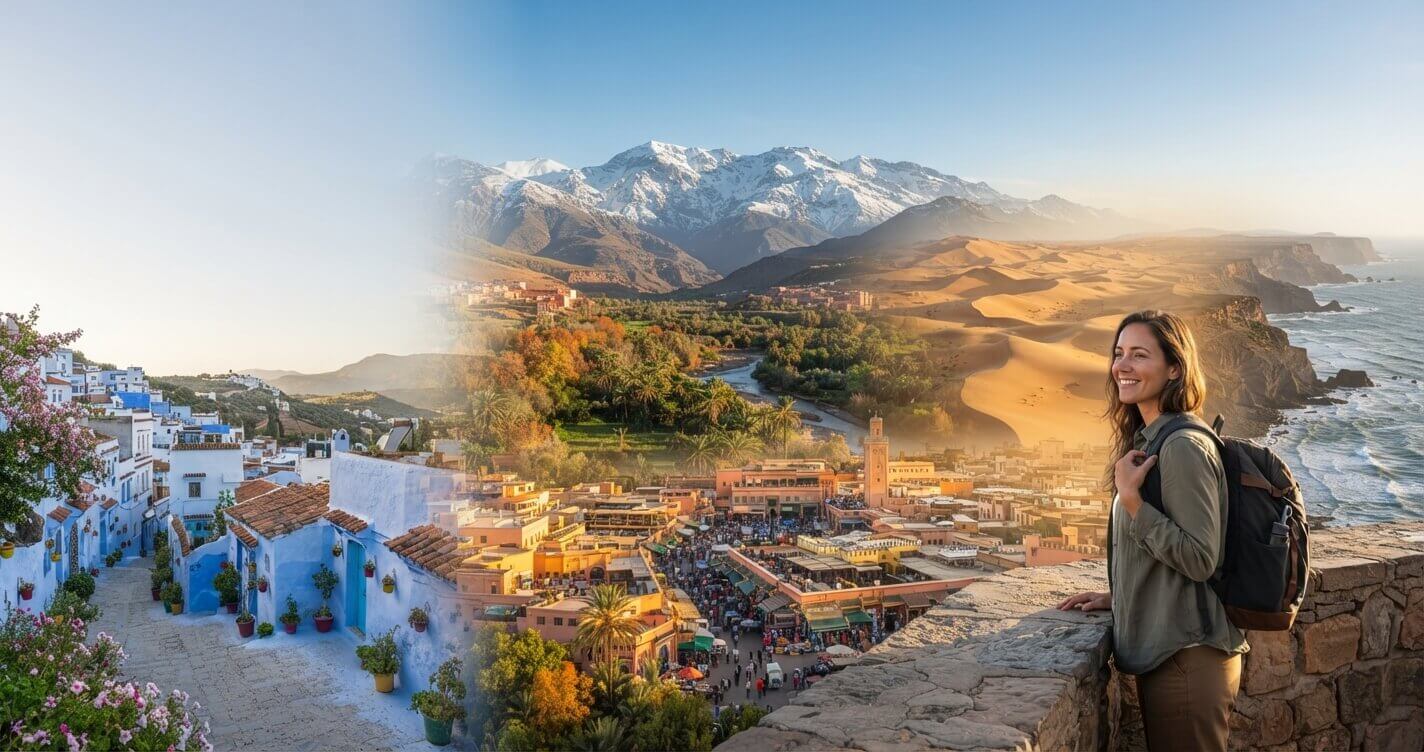
Morocco doesn’t have one single best season ,it has several, and the right one depends entirely on what you came for. A traveler chasing empty Sahara dunes wants a different month than one packing for a Chefchaouen photo walk or an Atlas Mountains trek.
Part of what makes timing tricky is that Morocco isn’t one climate it’s, three. The Atlantic coast (Essaouira, Casablanca, Agadir) stays mild and breezy nearly year-round. The interior cities (Marrakech, Fes, Meknes) run hotter in summer and cooler at night in winter, with drier air and more intense sun. And the Sahara in the south swings hardest of all, from blistering summer days to near-freezing winter nights. This guide breaks the country down by traveler type, by season, by month, and by destination, so you can match your trip to the weather rather than the other way around.
Best Time to Visit Morocco for Every Type of Traveler
Broadly, spring (March to May) and autumn (September to November) offer the most comfortable conditions across the widest range of activities ,mild temperatures, manageable crowds, and enough daylight for full days of sightseeing. Summer suits coastal travelers and early risers who don’t mind the heat inland, while winter rewards anyone chasing quiet medinas, snow-capped Atlas scenery, or lower prices.
Best Time to Visit Morocco for Sightseeing
For walking the medinas of Marrakech, Fes, and Meknes without wilting in the heat, aim for March to May or late September through November. Daytime temperatures in these windows generally sit between 20°C and 27°C (68-80°F), comfortable enough for hours on foot without needing a midday retreat.
December and January are also workable for sightseeing, cooler, sometimes rainy, but with noticeably thinner crowds in the souks and shorter queues at monuments like the Bahia Palace or the Fes tanneries. If your priority is photographs without other tourists in the frame, winter mornings are hard to beat.
Best Time to Visit Morocco for Beaches
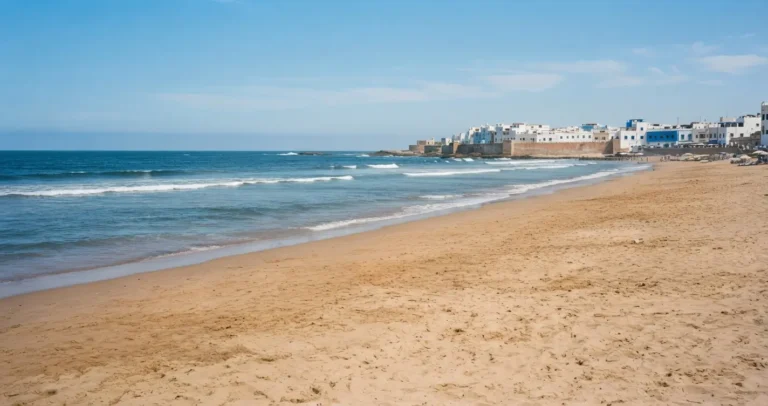
Morocco’s Atlantic coast, including Essaouira, Agadir, and Taghazout, stays mild year-round thanks to ocean breezes, with summer highs around 25-30°C (77-86°F) and winters rarely dropping below 15°C (59°F). Water temperatures peak in August, making June through September the best window for swimming.
Surfers, on the other hand, often prefer the opposite season, bigger winter swells at Taghazout from October through March draw experienced riders, while beginner-friendly, gentler waves are more common in the summer months.
Best Time to Visit Morocco for the Sahara Desert
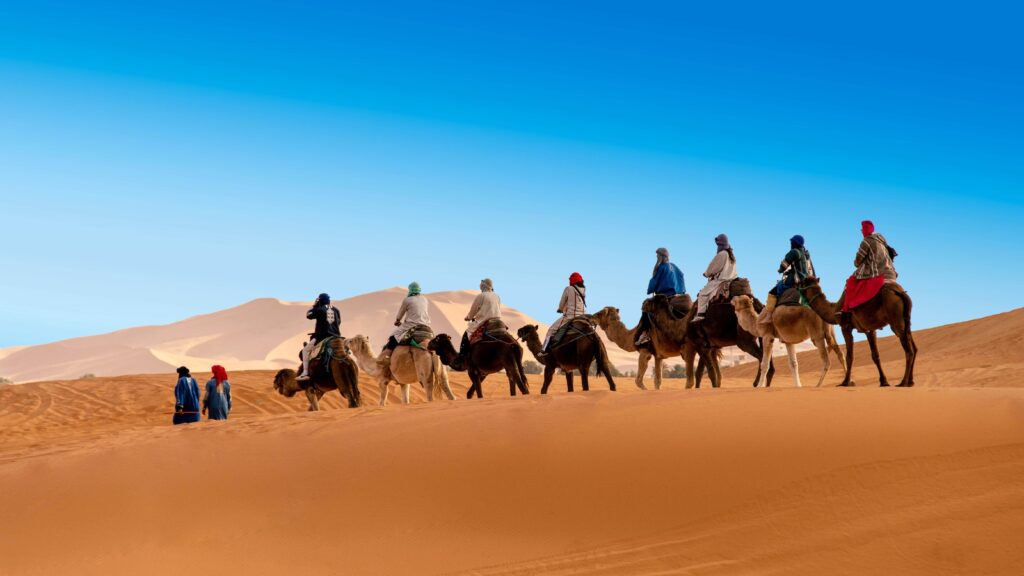
October through April is the desert’s sweet spot. Daytime highs in Merzouga’s Erg Chebbi dunes settle into a comfortable 20-30°C (68-86°F) range, and while nights can drop close to freezing in December and January, that’s a far easier problem to solve with a warm sleeping bag than the 45°C-plus (113°F+) days of June through August.
Spring brings its own quirk ,the desert gets windier from March through May, with April typically the gustiest month, which can mean hazier skies and less comfortable dune walks. If clear skies for stargazing matter to your trip, aim instead for the calmer air of autumn or the depths of winter, when winds tend to settle.
Best Time to Visit Morocco for Hiking
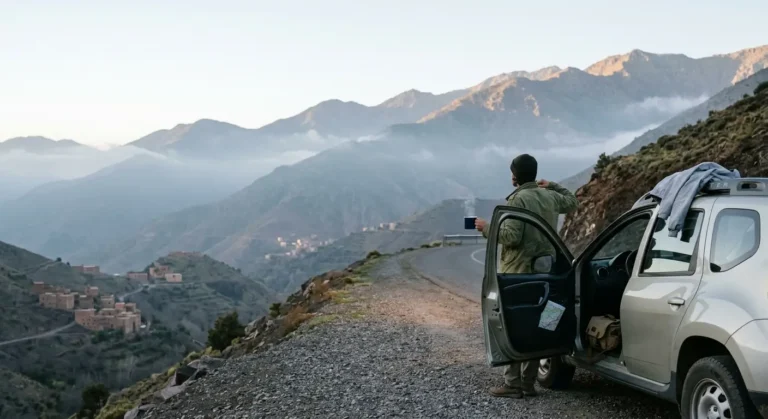
The High Atlas Mountains, including the Mount Toubkal trek, are best tackled in April-May or September-October, when trails are clear of snow and daytime temperatures on the mountain hover in the low-to-mid 20s°C (roughly 70-77°F).
Winter ascents are possible but require crampons, an ice axe, and genuine mountaineering experience, since the upper trails become a proper snow climb from November through March, rewarding for experienced hikers, but not a casual add-on to a Marrakech city break. Summer hiking is doable but demands an early start, since Marrakech’s heat radiates upward and even the mountains can feel uncomfortably warm by midday, with only the highest elevations offering real relief.
Best Time to Visit Morocco by Season
Best Time to Visit Morocco in Spring (March to May)
Spring is widely considered Morocco’s finest season. Temperatures across most of the country settle into a comfortable 20-25°C (68-77°F) range, the countryside turns green, and almond and rose blossoms appear in the south. It’s also the best season for combining activities, mornings in the Atlas foothills, afternoons in a medina, evenings on a rooftop terrace, without any part of the day feeling extreme.
The trade-off is that spring is also peak booking season, particularly April and May, so accommodation and guided tours fill up early. Spring is also the windiest stretch for Sahara trips, so if a perfectly still night under the stars matters more to you than blooming landscapes, weigh that against the season’s other advantages.
Best Time to Visit Morocco in Summer (June to August)
Summer belongs to the coast. Essaouira, Agadir, and Taghazout stay pleasant thanks to Atlantic breezes, while inland cities like Marrakech and Fes regularly climb above 38°C (100°F), and the Sahara becomes genuinely punishing, often exceeding 45°C (113°F) at midday.
If you’re set on visiting inland cities in summer, plan sightseeing for early morning or after 5pm, and treat midday as a break, the way locals do. This is also when several major festivals land, including the Gnaoua World Music Festival in Essaouira and, later in July, the Marrakech Popular Arts Festival, both worth building an itinerary around if summer dates are fixed.
Best Time to Visit Morocco in Autumn (September to November)
Autumn mirrors spring in comfort, with the added appeal of warm sea temperatures lingering into October and November. September still carries some late-summer heat inland, but by October, most of the country has settled into the same 20-27°C (68-80°F) range that makes sightseeing, hiking, and desert trips equally pleasant.
October is one of the most popular months to visit for exactly this reason, so, like spring book accommodation and desert tours well ahead. November brings a further cooldown, particularly in the evenings, and marks the point where the Atlas Mountains start seeing their first snow at higher elevations.
Best Time to Visit Morocco in Winter (December to February)
Winter is Morocco’s quiet season, and its most misunderstood. Coastal cities stay mild, with Marrakech often reaching a pleasant 18-22°C (64-72°F) during the day even in January. The High Atlas gets genuine snow, creating some of the most striking scenery in the country, and the Sahara turns cold at night, sometimes near freezing ,while still offering warm, sunny days.
January and February are also the cheapest months to visit, with the thinnest crowds in the major medinas. The Marrakech International Film Festival, typically held in December, gives an early-winter reason to time a visit around a specific week rather than the season in general.
Best Time to Visit Morocco by Month
Best Time to Visit Morocco in January
January is Morocco’s coldest and wettest month, with daytime temperatures typically between 12-18°C (54-64°F) in Marrakech and Fes, and occasional snow dusting the Atlas peaks. Rain is more common here than in any other month, though showers tend to be brief rather than day-long washouts.
It’s also the best month for a bargain, hotel rates dip, tour operators have space, and the souks feel noticeably calmer after the December holiday rush. For travelers who prioritize a quiet Marrakech medina over warm evenings, January delivers.
Best Time to Visit Morocco in April
April sits at the front edge of Morocco’s best season. Expect warm, dry days across most of the country, blooming landscapes in the south, and comfortable conditions for hiking and desert trips alike, though it’s worth knowing this is also the windiest month in the Sahara, so pack accordingly if dune photography is on your list.
Easter and spring school holidays across Europe also push April bookings up, so riads and guided tours in Marrakech and around Merzouga are worth reserving several weeks ahead.
Best Time to Visit Morocco in July
July is peak heat, particularly inland. Marrakech and Fes regularly push past 38°C (100°F), and the Sahara becomes one of the hottest places on the planet in daylight hours, with little relief even after sunset.
Coastal towns remain the exception, staying comfortably in the mid-to-high 20s°C (roughly 77-82°F), which is why most July itineraries lean toward Essaouira, Agadir, and the beach towns rather than the interior. If a desert visit is non-negotiable in July, plan it around sunrise and sunset rather than midday, and treat the heat as a genuine safety consideration rather than an inconvenience.
Best Time to Visit Morocco in October
October is arguably the single best all-around month to visit. Temperatures settle into the mid-20s°C (around 77°F) almost everywhere, the sea is still warm enough to swim in, the Atlas Mountains offer some of the year’s best hiking conditions, and the Sahara cools into a genuinely comfortable range for camel treks and overnight camps.
Because it draws travelers looking for exactly this combination, October also books up quickly, often the first month of the low-heat season to sell out on popular desert and Atlas routes, so early planning pays off.
Best Time to Visit Morocco by Destination
Best Time to Visit Marrakech
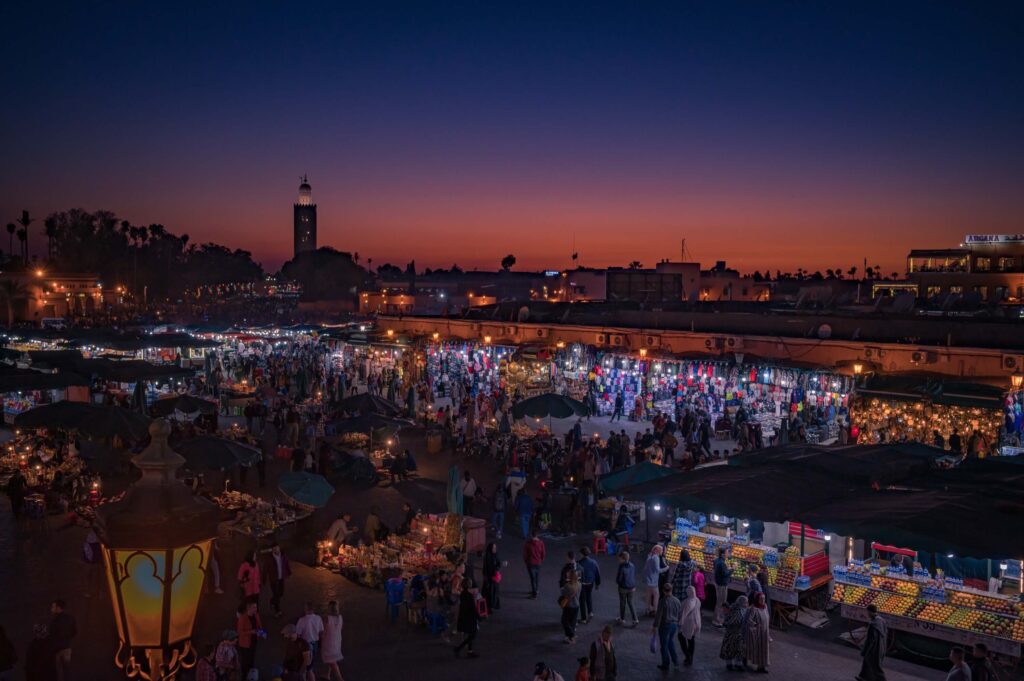
Marrakech is at its best from March to May and again from late September through November, when daytime temperatures stay in the low-to-mid 20s°C (roughly 70-77°F) and evenings are cool but not cold. Summer here is intense, with July and August highs regularly topping 38°C (100°F), so plan riad courtyards, shaded souks, and air-conditioned breaks into any midsummer visit. Winter is milder than most visitors expect, often reaching a comfortable 18-22°C (64-72°F) by afternoon even in January.
Best Time to Visit Fes
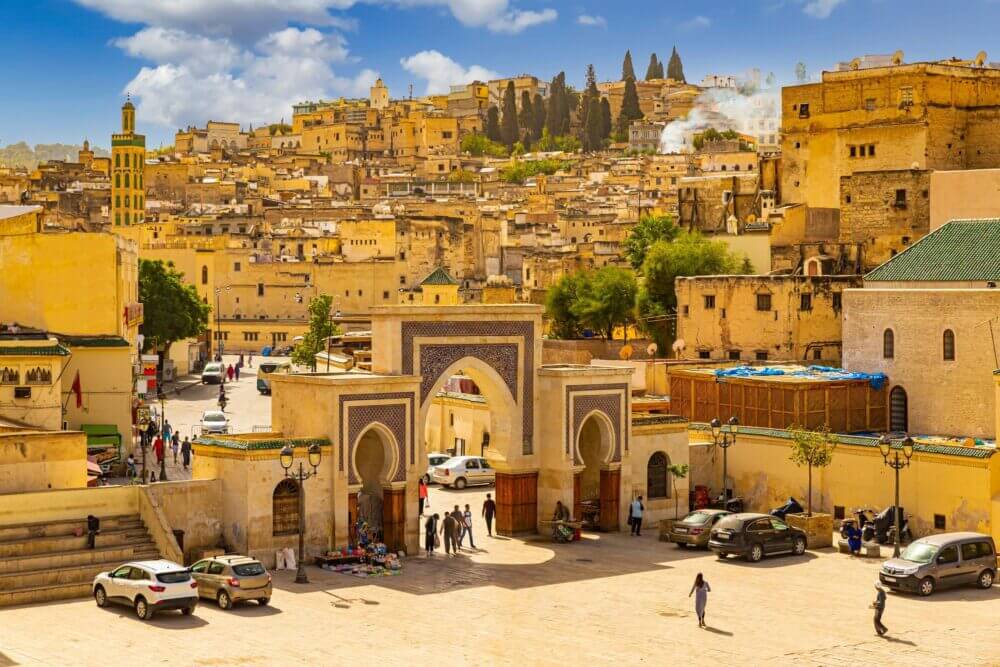
Fes shares Marrakech’s climate pattern but runs slightly cooler, particularly at night, thanks to its inland elevation. Spring and autumn remain the most comfortable stretches for exploring its vast medina on foot, while June brings the added draw of the Fes Festival of World Sacred Music, usually held over roughly ten days. Winter mornings in Fes can be genuinely chilly, so layers are worth packing even for a short visit.
Best Time to Visit Chefchaouen
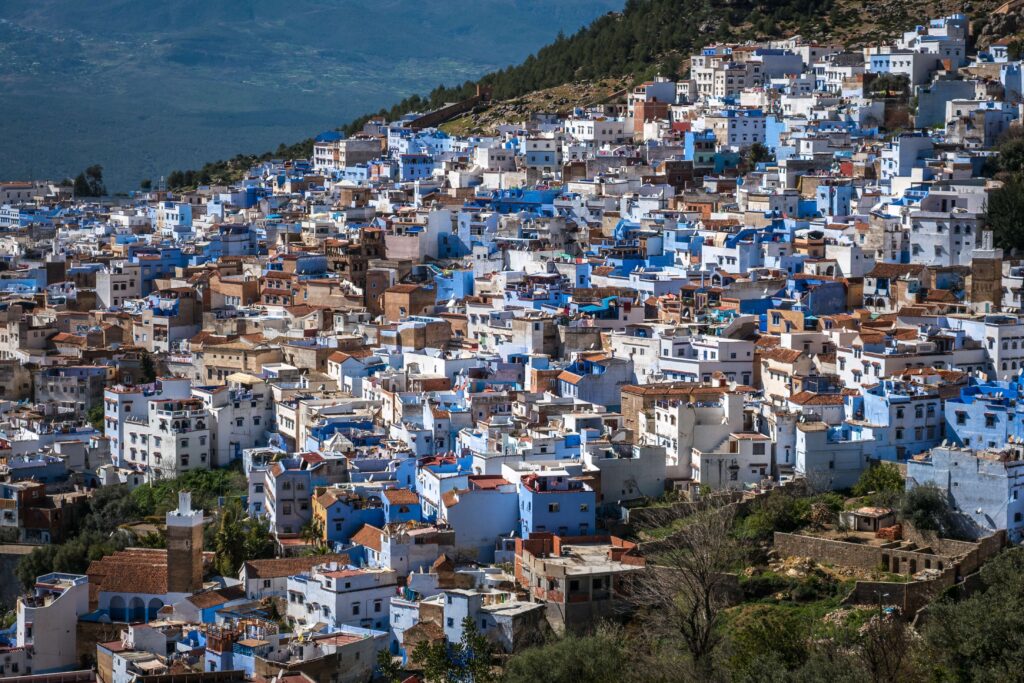
Set in the Rif Mountains, Chefchaouen runs cooler than the rest of the country year-round, which makes it one of the more forgiving destinations in summer and one of the coolest in winter, when nighttime temperatures can dip close to freezing. Spring and early autumn hit the sweet spot, mild days for wandering the blue medina, without the winter chill or midsummer haze, and soft light that photographers tend to favor in the early morning hours.
Best Time to Visit the Sahara Desert
As covered above, October through April is the reliable window for Merzouga and the Erg Chebbi dunes, with October and April standing out as favorites for combining warm days, mild nights, and calmer winds than the peak spring gustiness of March and May. Winter nights here can surprise first-timers, daytime warmth doesn’t always carry through to sunset, so an overnight camp between December and February calls for genuinely warm layers, not just a light jacket.
Best Time to Visit Essaouira
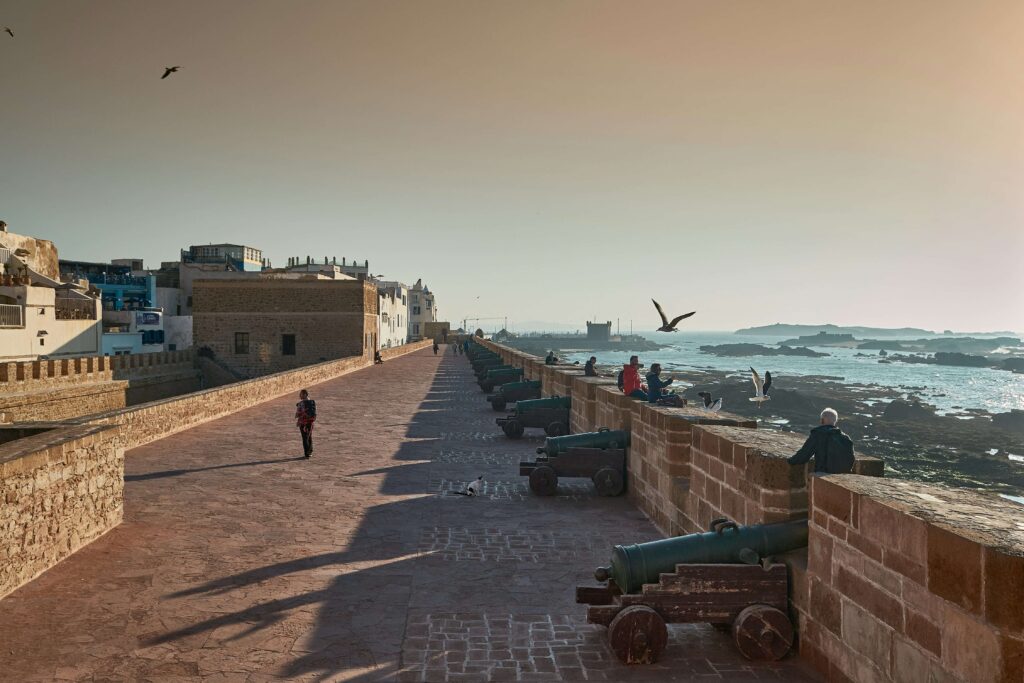
This Atlantic port town runs cooler and windier than inland Morocco in every season, which is exactly its appeal in summer, when it offers relief from the heat baking Marrakech just a few hours away. Its famous Alizé trade winds pick up from spring through summer, drawing windsurfers and kitesurfers, while October and November bring calmer seas and fewer visitors, a good stretch for travelers who want the town’s relaxed character without the wind-whipped ramparts of peak season.
Best Time to Visit Morocco for Festivals and Events
Cultural Festivals
The Imilchil Marriage Festival, held in the High Atlas around September, draws travelers interested in Amazigh heritage and traditional matchmaking customs. The Rose Festival in El Kelaa M’Gouna, tied to the annual rose harvest, typically falls in early-to-mid May and fills the Valley of Roses with the scent of the harvest. The Almond Blossom Festival in Tafraoute, usually held around mid-February, marks the Anti-Atlas coming into bloom.
The Marrakech International Film Festival closes out the calendar most years, typically landing in December with free public screenings on Jemaa el-Fnaa alongside its accredited industry events, a good option if you’re already planning a winter trip and want a cultural anchor for the visit.
Music Festivals
June is Morocco’s busiest month for major music events. The Fes Festival of World Sacred Music, the Mawazine Festival in Rabat, and the Gnaoua World Music Festival in Essaouira all cluster within a few weeks of each other, meaning a well-timed June trip can realistically catch two of the three. Gnaoua alone draws several hundred thousand visitors to Essaouira, with many shows free and open to the public.
Mawazine, held in Rabat, typically lands in late May and brings a very different energy to a city normally calmer than Marrakech or Casablanca, for a few days, its streets and squares turn into open-air concert grounds. The Marrakech Popular Arts Festival, usually held in July, adds a summer option for travelers who want music without competing with the June crowds.
Traditional Celebrations
Eid al-Fitr and Eid al-Adha bring some of the liveliest street celebrations in the country, though their dates shift each year by roughly eleven days, following the Islamic lunar calendar. Ramadan itself, observed nationwide, affects opening hours for restaurants and shops during daylight hours, so it’s worth checking the current dates before booking if your itinerary depends on daytime dining or long touring days.
Best Time to Visit Morocco: Travel Costs and Crowds
High Season vs Low Season
April, May, September, and October make up Morocco’s high season, when good weather draws the largest number of visitors and prices for flights, riads, and desert tours climb accordingly. July and August form a secondary peak driven by European summer holidays, concentrated mainly along the coast. January, February, and parts of November and December are the clearest low season, with noticeably thinner crowds in Marrakech’s souks and at major sites like the Fes tanneries and Volubilis.
Understanding which season you’re booking into matters as much for logistics as for comfort. Riads in Marrakech’s medina and desert camps around Merzouga can sell out weeks ahead during April, May, and October, while the same properties often have same-week availability in January or February.
When to Find the Best Travel Deals
January and February consistently offer the best value, with lower hotel rates and more flexible tour availability across the board. Early June and late October can also be worth watching, since they sit just outside the two peak booking windows while still offering comfortable weather, particularly for travelers happy to skip the festival crowds of early June or book desert trips a touch later in October.
Flights tend to follow the same pattern as accommodation ,fares to Marrakech and Casablanca typically rise through March and peak around the spring and autumn high seasons, then ease again once the weather cools into November.
Best Time to Visit Morocco: Frequently Asked Questions
What Is the Best Month to Visit Morocco?
October is generally considered the single best month, combining comfortable temperatures nationwide, a still-warm sea, excellent hiking conditions in the Atlas, and a cooling Sahara, though April runs a close second for many of the same reasons, with the trade-off of windier desert conditions.
When Should You Avoid Visiting Morocco?
July and August are the toughest months for inland and desert travel, with Marrakech, Fes, and the Sahara all reaching extreme heat. If your itinerary is coastal-only, though, these months are far more manageable, since Essaouira and Agadir rarely see the same extremes.
Is Morocco Good to Visit All Year Round?
Yes, with the right expectations. Morocco’s regional variety means there’s always somewhere comfortable, the coast in summer, the desert in winter, the mountains in spring and autumn — even when one region is at its least favorable. The key is building your itinerary around the season rather than forcing a fixed route regardless of month.
How Many Days Should You Spend in Morocco?
Most travelers find seven to ten days enough to cover a solid combination of imperial cities, the Sahara, and either the coast or the Atlas Mountains, without the trip feeling rushed. Longer stays of two weeks or more allow for a more relaxed pace and room for a second region, such as adding Chefchaouen or the Rif Mountains to a classic Marrakech-Fes-desert route.
It’s also worth remembering that Morocco’s regional variety means the same week can feel very different depending on your route: Essaouira might be a breezy 22°C while Marrakech sits at a dry 30°C and the Sahara pushes past 35°C at midday before dropping sharply after sunset. Checking each leg of a multi-region itinerary against the seasonal notes above is a better approach than relying on a single blanket answer for the whole trip.
Final Thoughts: Best Time to Visit Morocco
There’s no single correct answer to when to visit Morocco, only the answer that fits your itinerary. Spring and autumn remain the safest all-around bet for first-time visitors trying to fit in cities, desert, and mountains in one trip. Summer rewards those sticking to the coast, and winter offers a quieter, often cheaper version of the country for travelers happy to trade a few degrees of warmth for empty medinas and Atlas snow. Once you know what you want most from the trip, matching it to the calendar above is the easy part.