Morocco in March: 10 Amazing Travel Tips for a Brilliant Spring Trip
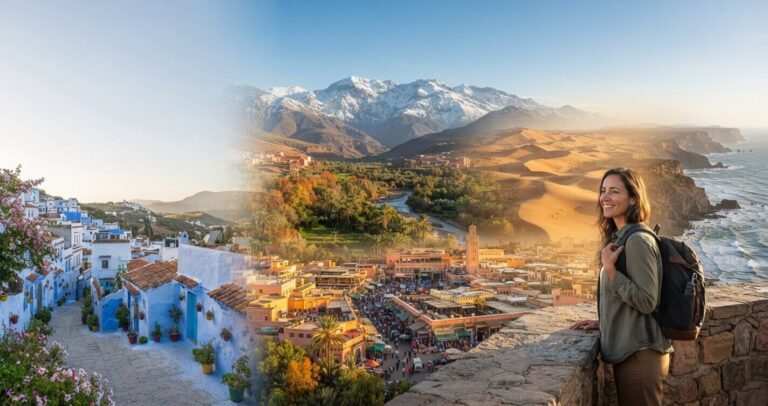
Morocco in March is spring arriving at full speed: warm, sunny afternoons in Marrakech, snow still glinting on the High Atlas, blooming landscapes, and a Sahara that is comfortable for camping. It is one of the most balanced months of the year for a first visit. It is also a month with a calendar twist in 2027, because the end of Ramadan, Eid al-Fitr and the Easter holidays all land in March. This guide covers the weather region by region, what to wear and pack, where to go, how crowds and prices behave, and the practical details that make a spring trip smooth.
Is March a Good Time to Visit Morocco?
Yes. Morocco in March is warm enough for medinas, gardens and the desert, but not yet hot, and the country looks its best after winter rain. Days are bright and long, evenings are pleasantly cool, and the main sights are comfortable to explore on foot.
The main thing to plan around is the calendar. In 2027, Ramadan is expected to end around 8 or 9 March, followed by Eid al-Fitr around 10 March, and Easter Sunday falls on 28 March. Late March tends to be busier and pricier as a result, so book early if your dates overlap.
Morocco Weather in March
Average Temperatures in Morocco in March
March is a clear step up from February. Marrakech averages highs of about 22–23°C and lows of around 9–10°C. Casablanca and Rabat are milder, at roughly 18–20°C by day and 9–11°C at night. Fes sits in between, with highs near 19°C. The Sahara around Merzouga reaches about 24–26°C by day.
Daytime vs. Nighttime Temperatures
The gap between day and night is still large inland. A warm 22°C afternoon in Marrakech can fall to single digits after dark, and desert nights are cooler still. Coastal cities have a smaller swing, though sea breezes make evenings feel fresher than the thermometer suggests.
Rainfall and Sunshine
Rain becomes lighter and less frequent as the month goes on. Marrakech typically receives around 30–50 mm on about six rainy days and enjoys roughly eight hours of sunshine a day. Casablanca and the Atlantic coast see around 40 mm, while the north is the wettest area: Chefchaouen can receive close to 100 mm in some estimates. The Sahara stays almost dry.
How March Weather Changes Throughout the Month
Early March can still feel like late winter, with cooler mornings and occasional rain, especially in the north. By mid-March the pattern shifts towards sunnier days, and by late March inland cities such as Marrakech and Fes can reach the mid-20s. If you are sensitive to cold, later in the month is the safer bet.
Morocco in March: Weather by Region
Marrakech and Central Morocco
Marrakech is at its most comfortable: highs around 22–23°C, about eight hours of sun, and low humidity. Nights are cool, and UV levels are already high, so sun protection matters.
Fes and Northern Morocco
Fes and Meknes have highs around 19°C and some rain, while Chefchaouen and Tangier are cooler and wetter. Expect more cloud and the occasional shower in the north, and a lusher landscape as a reward.
Casablanca and the Atlantic Coast
Casablanca and Rabat enjoy mild weather, with highs around 18–20°C and lows near 10°C. Cloudy stretches are more common here than in Marrakech, and a light jacket is useful.
Essaouira and the Coastal Regions
Essaouira is bright and breezy, with highs around 21°C in some averages, and Agadir is warmer still. The Atlantic remains cool, around 16–18°C, so coastal days are better for walking than swimming.
The Atlas Mountains
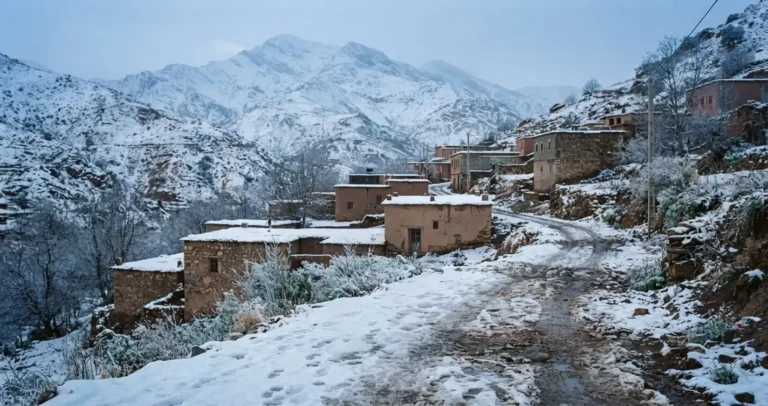
The High Atlas still shows snow caps in March, and the weather at altitude can change quickly. Lower valleys are green and pleasant for walking, while higher routes remain cold and may need winter equipment.
The Sahara Desert
The desert is warm and sunny, with highs around 24–26°C and nights of roughly 8–12°C depending on the source. It is one of the better months for a Sahara trip, before the heat of summer.
Best Places to Visit in Morocco in March
Marrakech
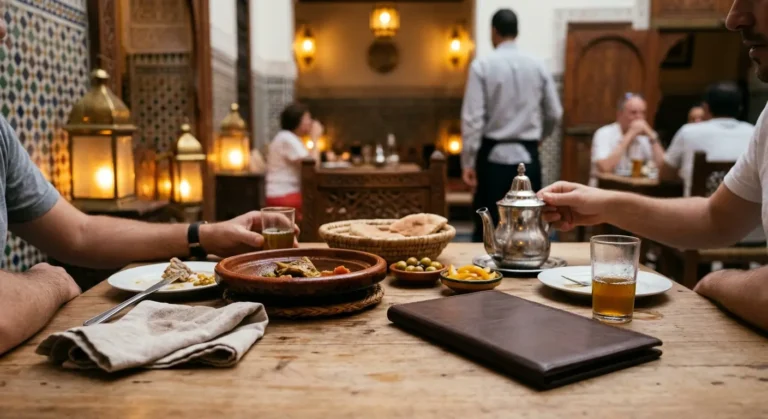
The medina, gardens and palaces are at their best in warm spring light. Mornings and evenings are the most pleasant times to walk, and afternoons suit shade and mint tea.
Fes
Fes is comfortable for long days in the medina, and the cooler north gives it a more relaxed feel than Marrakech. Madrasas and workshops provide shelter if showers pass through.
Chefchaouen
The blue town is green and lively in spring. Pack a light waterproof, as the Rif Mountains catch more rain than the interior.
Essaouira
A good choice for sea air, ramparts, fresh seafood and easy walking. Expect wind rather than beach weather.
The Atlas Mountains
Snow-capped peaks, green valleys and Amazigh villages make the High Atlas a highlight. Day trips from Marrakech are easy, and trekking is rewarding when conditions allow.
The Sahara Desert
A night in a camp near Merzouga offers dune walks, camel rides and clear skies. Allow at least two nights in the region, because the journey from Marrakech is long.
Best Things to Do in Morocco in March
Explore the Imperial Cities
Marrakech, Fes, Meknes and Rabat are comfortable for walking tours, palaces and museums, with warm days and few of the summer extremes.
Take a Sahara Desert Trip
Spend a night in the dunes for sunset, stargazing and a camel ride. March temperatures make camping more comfortable than in winter.
Hike in the Atlas Mountains
Valleys near Imlil and the Ourika area offer fresh spring walking beneath the snowline. For higher routes, go with a qualified guide and check conditions first.
Explore Morocco’s Spring Landscapes
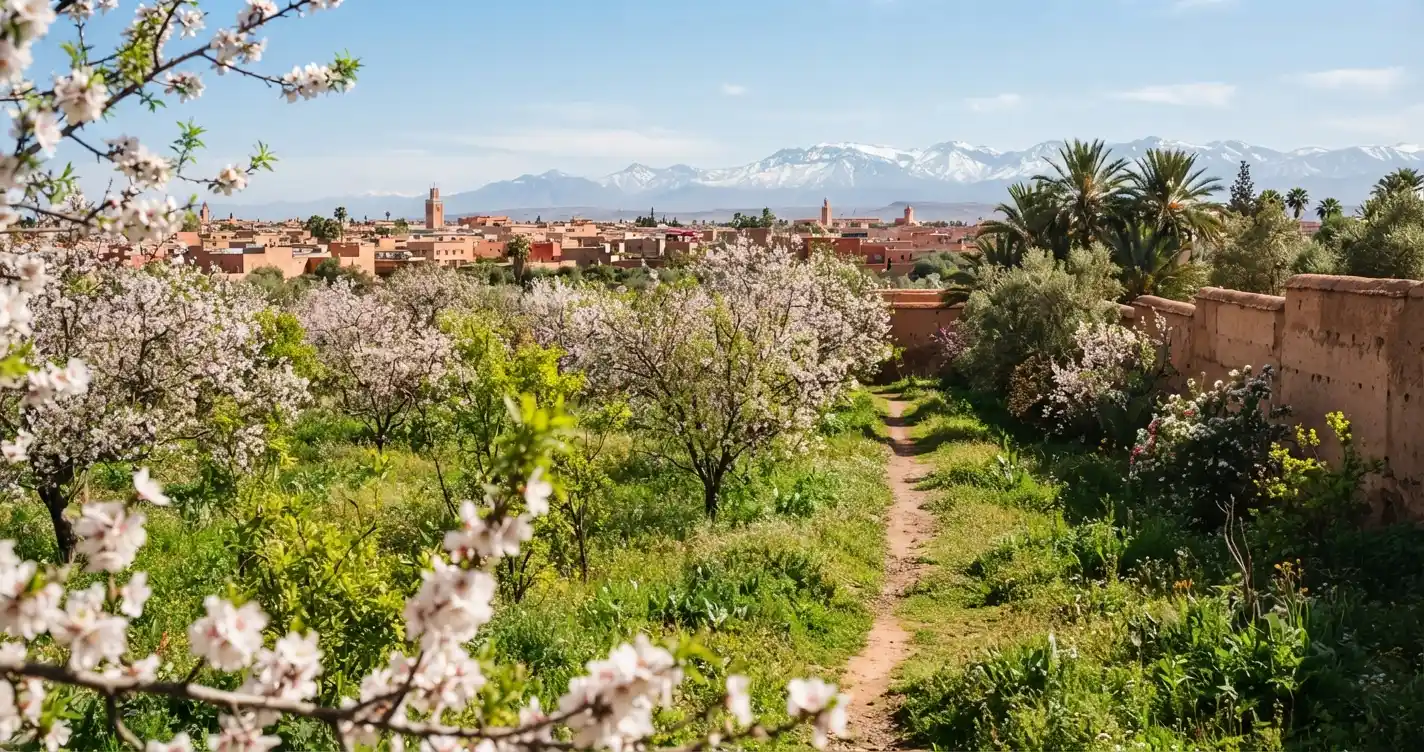
Green hillsides, flowering trees and snow-topped mountains make spring drives memorable. The Anti-Atlas around Tafraout can still show almond blossom in early March.
Enjoy the Medinas and Souks
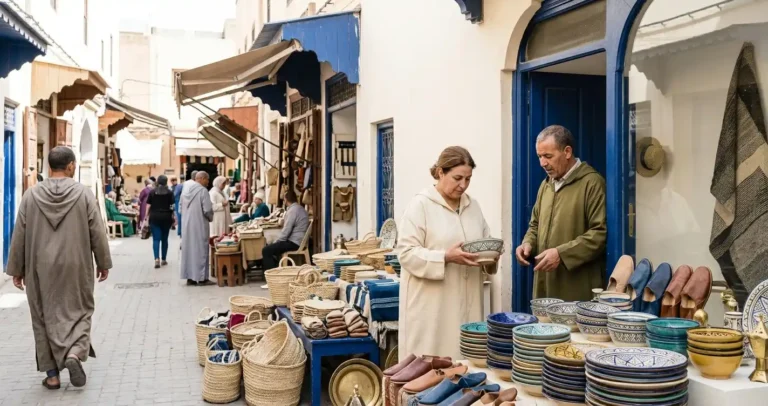
Spring light and mild temperatures make long shopping days in the souks easy, whether you are looking for ceramics, spices, leather or rugs.
What to Wear in Morocco in March
Clothes for Warm Afternoons
Light long-sleeved tops, T-shirts and breathable trousers work well, and loose, modest clothing suits the medinas and keeps the sun off your skin.
Layers for Cool Mornings and Evenings
Add a light sweater or jacket for mornings and evenings, which can be chilly even after a warm day.
What to Wear in the Mountains and Desert
In the Atlas, wear warm layers and waterproofs. In the desert, wear light clothing by day and add a jacket, scarf and hat for the cooler evening.
Choosing the Right Footwear
Comfortable closed shoes suit the cobbled medinas. Add sturdy walking shoes or boots for hikes, and sandals only for the warmest afternoons.
What to Pack for Morocco in March
Lightweight Layers
Pack breathable tops, a sweater or fleece, light trousers and a jacket. Layers matter more than heavy items in March.
Rain Protection
A light waterproof or compact umbrella is useful for the north, the coast and early March in particular.
Sun Protection
UV levels can be high even when it feels mild. Bring sunscreen, sunglasses and a hat, especially for the desert and mountains.
Essential Travel Items
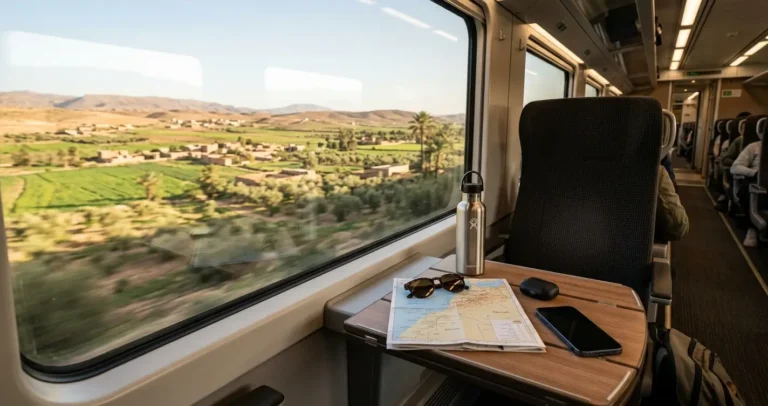
Bring a plug adapter for Moroccan sockets, a power bank, a reusable water bottle, some Moroccan dirhams for small purchases and a scarf for sun, wind or modest dress.
Is Morocco Warm in March?
Yes, in much of the country. Marrakech reaches about 22–23°C, and the Sahara around Merzouga can reach the mid-20s, while the Atlantic coast and the north stay cooler at around 18–20°C. It is warm by day but not hot, and evenings remain cool, so layers are still needed.
Does It Rain in Morocco in March?
Sometimes. March is lighter on rain than winter, but the north and Atlantic coast can still see showers. Marrakech typically has around six rainy days, and the Sahara is almost dry. Rain often comes in short bursts, and sunshine returns quickly, so a light waterproof is usually enough.
Is March a Good Time for the Sahara Desert?
Yes. March is one of the better months for the Sahara, with warm days, cooler nights and comfortable camping conditions before the heat of summer.
Day and Night Temperatures
Daytime highs near Merzouga reach about 24–26°C, and nights fall to roughly 8–12°C depending on the source. Wind can lift sand, so a scarf is useful.
What to Expect at a Desert Camp
Expect a camel or 4×4 ride, a sunset on the dunes, dinner by the fire and stargazing. Nights are cool rather than freezing, though comfort varies by camp, so ask about bedding.
What to Pack for the Sahara
Pack a warm layer for the evening, a hat, sunglasses, sunscreen, a scarf for wind and sand, closed shoes and a headlamp.
Morocco in March: Crowds and Prices
How Busy Is Morocco in March?
March is moderately busy. Marrakech and the main sights are lively without being packed for most of the month, but demand rises around Eid al-Fitr and in the Easter period.
Accommodation Prices
Prices are usually moderate early in the month and can rise later, especially around Easter. Compare riads and hotels, and book early for late March.
Tour and Activity Prices
Tours and desert camps often have good availability in early March but fill faster when holidays approach. Confirm what is included before paying.
When Prices Can Rise
In 2027, expect higher demand around Eid al-Fitr (around 10 March) and the Easter period, with Easter Sunday on 28 March. Riads, drivers and desert camps should be booked well ahead.
Festivals and Events in Morocco in March
Cultural and Regional Events
In 2027, Ramadan is expected to end around 8 or 9 March, followed by Eid al-Fitr around 10 March, which is a public holiday. Banks and offices close, and many families travel, so transport can be busy. Medinas and monuments generally stay open on most days, but on the morning of Eid, much of the country closes while families celebrate.
Spring Festivals
The Almond Blossom Festival in Tafraout usually falls in late winter, and in some years it overlaps with early March. Spring is also a good season for local moussems and regional celebrations, though dates vary.
Checking Dates Before Your Trip
Religious dates follow the lunar calendar and are confirmed by moon sighting, so they can shift by a day. Check official announcements from Morocco’s Ministry of Endowments and Islamic Affairs and local tourist offices shortly before travelling. Morocco has also moved its clocks back by an hour during Ramadan in recent years, so confirm local time if your trip overlaps its end.
Practical Travel Tips for Morocco in March
Prepare for Changing Weather
A single trip can mix warm Marrakech afternoons, cooler northern days and cold mountain mornings. Pack layers and check the forecast for each stop.
Plan Mountain Trips Around Conditions
Snow can still affect higher routes. Ask guides and hosts about current conditions, and keep a flexible plan for mountain days.
Book Popular Experiences in Advance
Desert camps, private drivers and popular riads can sell out around Eid and Easter. Book early if you are travelling in those periods.
Leave Room for Flexible Outdoor Plans
Spring weather can shift quickly. Keep a spare half day so you can swap indoor and outdoor plans when needed.
Check Weather Before Long Journeys
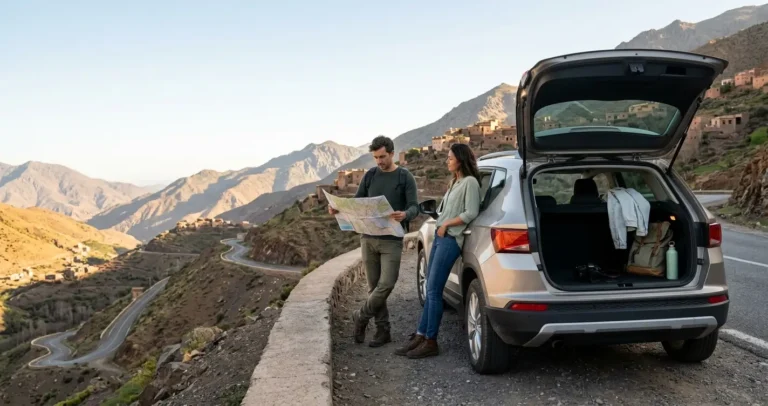
Check forecasts before mountain or long inland drives, and allow extra time for passes such as Tizi n’Tichka, which climbs above 2,000 metres.
Frequently Asked Questions About Morocco in March
Is March a good time to visit Morocco?
Yes. Morocco in March offers warm, sunny days, a green landscape, snow-capped mountains and a comfortable Sahara. The main things to plan around are cool evenings, some rain in the north, and, in 2027, Eid al-Fitr around 10 March and Easter on 28 March.
Is Morocco warm in March?
In the south and inland, yes. Marrakech reaches about 22–23°C and the Sahara can reach the mid-20s, while the coast and north are cooler at about 18–20°C. Evenings are cool, so bring a jacket.
What is the weather like in Marrakech in March?
Marrakech is warm and sunny, with highs around 22–23°C, lows around 9–10°C and about eight hours of sunshine a day. Rain is limited, around 30–50 mm over roughly six days. Bring sun protection and a light jacket for evenings.
Does it rain in Morocco in March?
Sometimes. Rain is more likely in the north and on the Atlantic coast, and early March can still be showery. Marrakech has about six rainy days, and the Sahara is nearly dry. A light waterproof is usually enough.
Is March a good time to visit the Sahara Desert?
Yes. Days near Merzouga are warm, around 24–26°C, and nights are cooler but manageable. It is one of the more comfortable months for camping, before the summer heat.
Can you swim in Morocco in March?
Most visitors will find the Atlantic too cold, around 16–18°C, and the coast is often breezy. Some hotels have heated pools, and Agadir and the south are the warmest places, but March suits beach walks more than swimming.
What should I wear in Morocco in March?
Wear light layers: breathable tops, light trousers and a sweater or jacket for evenings. Add a light waterproof, comfortable closed shoes, sunscreen and a hat. Loose, modest clothing suits the medinas.
Is Morocco expensive in March?
It is moderately priced for most of the month, but costs can rise around Eid al-Fitr and Easter. Prices vary by city and property, so compare options and book popular places early.
Does Morocco have festivals in March?
Yes, though dates vary. In 2027, the end of Ramadan and Eid al-Fitr fall in early March, and the Almond Blossom Festival in Tafraout can overlap with the start of the month. Check local announcements before you travel.
How many days do you need in Morocco in March?
Seven to ten days is comfortable for a first trip, allowing time for Marrakech, another imperial city and a desert or mountain stop. A shorter trip of four to five days works if you focus on Marrakech and one region. Add buffer time around holidays.
Final Thoughts on Visiting Morocco in March
Morocco in March offers warm days, spring colour and a good balance between comfort and quiet. It suits travellers who want sightseeing, desert nights and mountain views without the heat of summer. If your dates overlap with Eid al-Fitr or Easter, book transport and accommodation early and keep your plans flexible. One layer for the evening is all the cold-weather kit most trips need.
I assumed you meant the March article. If you want the January or February one the same way, tell me which. Note that the H1 still says “10 Amazing Travel Tips” while the outline has only five practical tips.