Morocco in July: 6 Essential Travel Tips for an Amazing Summer Trip
Morocco in July is a country of two climates: scorching, dry heat in Marrakech, Fes and the Sahara, and cool Atlantic breezes on the coast and in the mountains. It is the hottest month of the year, but also a season of beach towns, music festivals and long evenings in lively medinas. The key is choosing the right region and planning each day around the heat. This guide covers the weather by region, where to go, what to wear and pack, how crowds and prices behave, and the practical tips that make a summer trip comfortable.
Is July a Good Time to Visit Morocco?
Yes, if you plan it around the coast and the mountains. Morocco in July is not the best month for a classic imperial-cities circuit, because Marrakech and Fes are very hot by day. It is, however, an excellent month for Essaouira, Casablanca, Tangier, the Atlantic and Mediterranean beaches and the High Atlas, where temperatures are far more comfortable.
July also falls between Morocco’s two main tourist peaks, spring and autumn, so inland cities are generally quieter and hotels can be cheaper. The trade-offs are heat, strong sun and busy coastal towns, as many Moroccan families travel in summer. With early starts, long midday breaks and air conditioning, it is very manageable.
Morocco Weather in July
Average Temperatures in Morocco in July
July is the hottest month across most of the country. Marrakech averages highs of about 36–38°C and lows of 20–22°C. Fes is slightly cooler, with highs around 33–36°C. On the Atlantic coast, Casablanca reaches about 26°C and Essaouira about 22–26°C. The Sahara around Merzouga is the most extreme, with highs of about 43°C or more.
Daytime vs. Nighttime Temperatures
Inland, nights bring some relief but stay warm. Marrakech cools to around 20–22°C after dark, which makes evenings comfortable for dinner outdoors. On the coast the difference between day and night is small, with lows around 17–20°C. In the desert, nights remain warm, in the low to high 20s depending on the source, and do not offer much cooling.
Rainfall, Sunshine and Humidity
July is almost completely dry. Marrakech typically receives around 1 mm of rain, and most places see little or none. Sunshine is intense, with around 14 hours of daylight and an extreme UV index in Marrakech. Humidity is low inland, which makes the heat feel dry, but it is higher on the Atlantic coast, where sea air can feel damp.
How Hot Does Morocco Get in July?
Typical afternoon highs in Marrakech and Fes are in the mid to high 30s, and heat waves can push them above 40°C. The Sahara regularly reaches the low to mid 40s. The coast stays far cooler, which is why it is the best choice for visitors who dislike extreme heat. Plan strenuous activities for early morning or evening.
Morocco in July: Weather by Region
Marrakech and Central Morocco
Marrakech is hot, dry and sunny, with afternoon highs of 36–38°C and warm nights. Midday is best spent indoors, by a pool or in the shade, with sightseeing saved for the morning and evening.
Fes and Northern Morocco
Fes is hot, with highs around 33–36°C, though the north generally has milder weather than the south. Tangier and the Mediterranean coast are cooler and breezier than inland cities.
Casablanca and the Atlantic Coast
Casablanca is warm rather than hot, at about 26°C by day and around 20°C at night, thanks to the cool Atlantic current. The sea is around 23°C, and humidity is noticeable, though not oppressive.
Essaouira and the Coastal Regions
Essaouira is the classic July escape, with highs around 22–26°C and strong breezes. Agadir is a little warmer, at about 26–31°C depending on the source. Occasional heat waves can briefly send temperatures well above average, even on the coast.
The Atlas Mountains
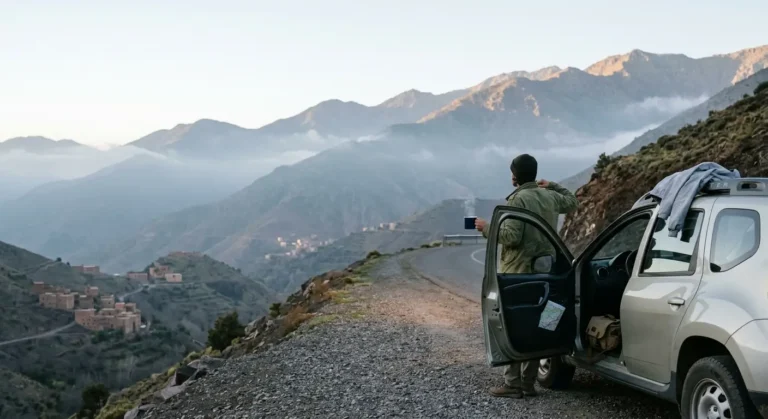
The High Atlas is noticeably cooler than the plains, with pleasant days and fresh nights. Villages such as those near Imlil are a popular retreat from the heat, though the sun is still strong at altitude.
The Sahara Desert
The Sahara is extremely hot, with highs of about 43°C or more near Merzouga and warm nights. It is possible to visit with preparation, but it is the hardest region to enjoy in July.
Best Places to Visit in Morocco in July
Essaouira
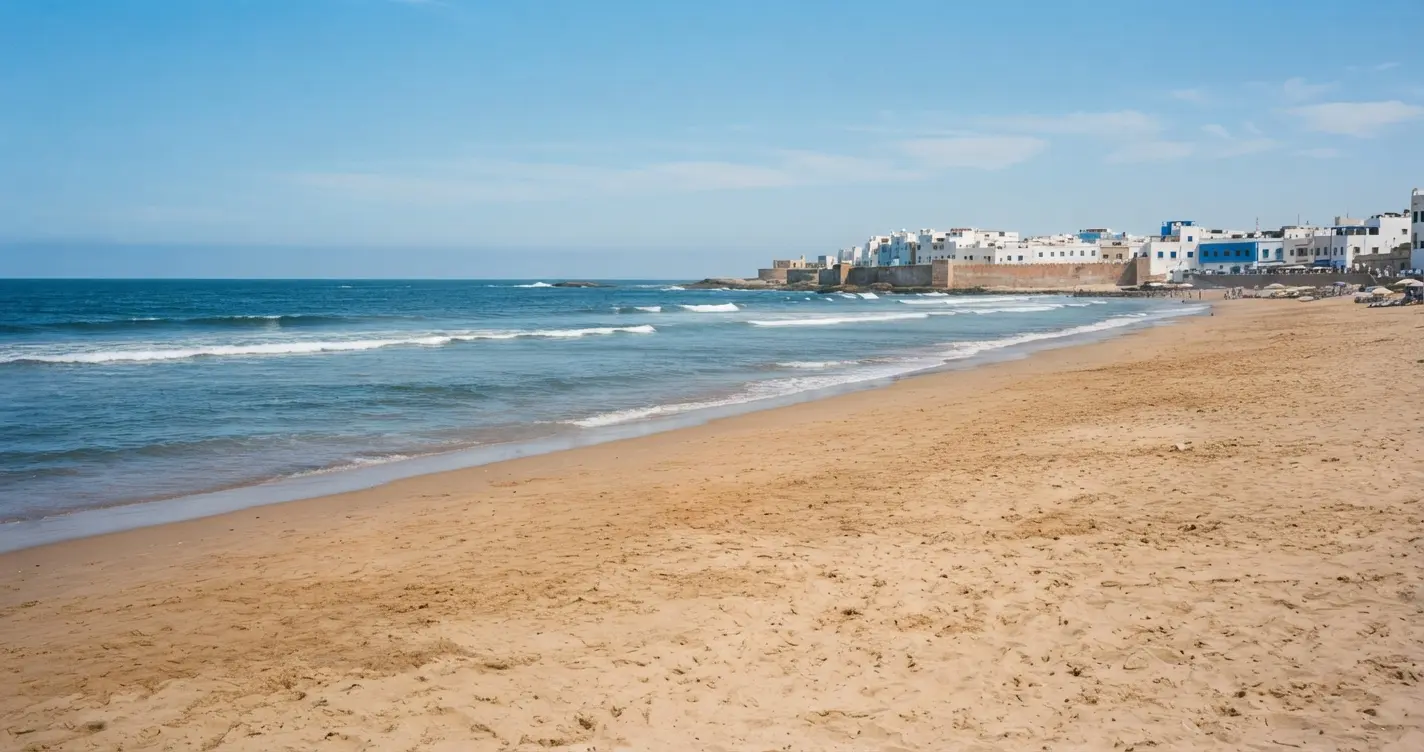
The best all-round summer choice. Cool breezes, a walkable medina, fresh seafood and a relaxed beach atmosphere make it comfortable even in peak summer. Wind makes it ideal for windsurfing and kitesurfing.
Casablanca and Morocco’s Atlantic Coast
Casablanca, Rabat and the Atlantic coast offer milder temperatures, beaches and city life. The Hassan II Mosque is a highlight, and the corniche comes alive in the evening.
Tangier
Tangier combines sea air, a historic medina and Mediterranean beaches nearby. It is cooler and breezier than inland cities, with plenty of cafés and seafront promenades.
Marrakech
Marrakech is very hot in July, but it remains rewarding for travellers who plan carefully. Visit the medina and gardens early or late, rest at midday, and enjoy the lively evenings.
Fes
Fes is hot, but its narrow medina lanes provide some shade, and the thick walls of traditional houses help keep interiors cool. Start early and finish outdoor sightseeing before the afternoon peak.
The Atlas Mountains
The High Atlas is a refreshing alternative, with green valleys, villages and walking routes. Day trips from Marrakech are easy, and a night in a mountain guesthouse offers cool evening air.
Best Things to Do in Morocco in July
Explore Coastal Cities and Beaches
Spend time in Essaouira, Casablanca, Agadir and Tangier. Beach days, seafront walks and fresh fish at the port are the highlight of a Moroccan summer. Sea temperatures vary by region, so check conditions before swimming.
Visit the Medinas Early in the Day
Morning is the best time for the souks and monuments, when temperatures are lower and streets are quieter. Take a long break in the afternoon and return in the evening.
Escape the Heat in the Atlas Mountains
A day or night in the High Atlas gives you cooler air, mountain views and easy walks. Start walks early and carry plenty of water, because the sun is strong.
Experience Morocco’s Summer Festivals
July brings music and cultural festivals, including Timitar in Agadir and the arts festival in Asilah. Check dates before you go, as they vary from year to year.
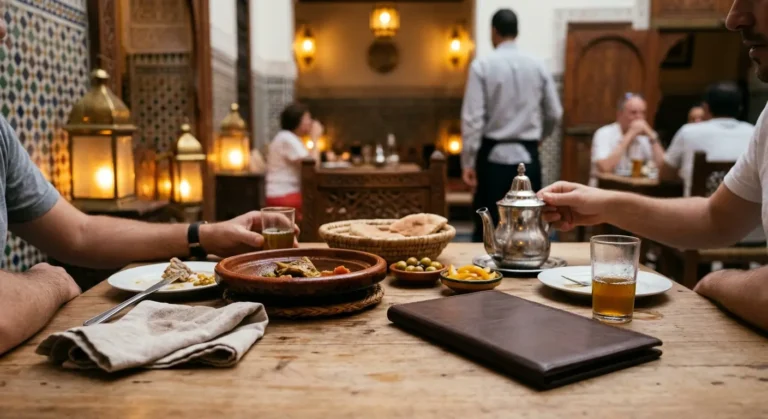
Enjoy Evening Food Markets and City Life
As the heat drops, cities come alive. Street food stalls, café terraces and open squares fill up after sunset, making evenings the best part of a summer day.
Is the Sahara Desert Worth Visiting in July?
For most travellers, it is not the best month. The Sahara is possible in July, but it is very hot, and many visitors prefer spring or autumn. If you do go, choose a camp with air conditioning or at least shade, keep activities short and plan carefully.
Desert Temperatures in July
Daytime highs near Merzouga are around 43°C or more, and nights stay warm, roughly 22–29°C depending on the source. The heat is dry but intense, and the sun is extreme.
What a July Desert Trip Is Really Like
Expect very hot days, strong light and long, quiet afternoons. Activities are usually concentrated at dawn and sunset, with most of the day spent resting in the shade. The reward is empty dunes, vivid sunsets and starry nights.
How to Handle the Summer Heat
Drink water constantly, avoid midday activity, wear light long sleeves and a hat, and rest in the shade. Travel in an air-conditioned vehicle and seek medical help if you feel dizzy, sick or confused.
What to Pack for a Sahara Trip
Pack lightweight long-sleeved clothes, a wide-brimmed hat, sunglasses, high-SPF sunscreen, a scarf for sun and sand, plenty of water, electrolyte sachets and closed shoes for hot sand.
What to Wear in Morocco in July
Lightweight Clothing for Hot Weather
Choose loose, breathable fabrics such as cotton and linen. Light colours reflect heat, and long, loose sleeves and trousers can be cooler than shorts in strong sun.
Dressing Respectfully in Moroccan Cities
Morocco is a Muslim-majority country, and modest dress is appreciated in cities and medinas, even in hot weather. Many visitors choose loose tops that cover the shoulders and trousers or skirts that cover the knees. Beachwear is for beaches and pools.
What to Wear on the Coast
Pack a light layer for breezy evenings, particularly in Essaouira. Swimwear, a cover-up and sandals are useful for beach days.
What to Wear in the Mountains and Desert
In the mountains, bring a light jacket for cooler evenings and comfortable walking shoes. In the desert, wear loose, light clothing, a hat and a scarf, and cover your skin against the sun.
What to Pack for Morocco in July
Lightweight Breathable Clothes
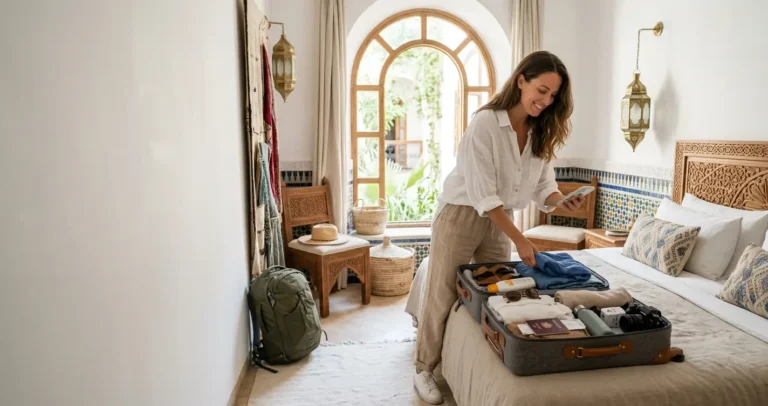
Pack several loose cotton or linen outfits, a light layer for the coast and mountains, and a spare set so you can change after hot days.
Sun Protection
Bring high-SPF sunscreen, sunglasses, a wide-brimmed hat and lip balm. UV levels can be extreme, especially in Marrakech and the desert.
Reusable Water Bottle and Hydration Essentials
A reusable water bottle is essential. Add electrolyte sachets, and buy bottled water or use a filter, since tap water is not always recommended for visitors.
Comfortable Walking Shoes
Choose breathable, closed shoes with good grip for medina lanes. Sandals are fine for the beach, but shoes protect your feet on hot ground.
Essential Travel Items
Bring a plug adapter for Moroccan sockets, a power bank, a small day bag, some Moroccan dirhams for small purchases, a light scarf, and a small towel or cooling cloth.
Morocco in July: Crowds and Prices
Is July a Busy Month in Morocco?
It depends on where you go. Inland cities such as Marrakech and Fes are generally quieter, because many foreign visitors avoid the heat. Coastal towns and beach resorts, however, can be busy, since Moroccan families and Moroccans living abroad often travel in summer.
Accommodation Prices
Hotels and riads in hot inland cities are often cheaper in July, and discounts are common. Beach destinations can be more expensive and sell out earlier, so book coastal stays in advance.
Tour and Activity Prices
Tours in inland cities often have good availability. Prices on the coast and for activities such as watersports can be higher in peak summer, so compare options and confirm what is included.
When July Can Be More Expensive
Prices can rise around festivals, on weekends in popular beach towns and around the Throne Day holiday on 30 July, when many people travel. Book transport and coastal accommodation early if your dates overlap.
Festivals and Events in Morocco in July
Timitar Festival in Agadir
Timitar celebrates Amazigh music and culture, with free concerts on the seafront in Agadir. It is usually held in July, but exact dates change each year, so check the official programme before booking.
Asilah Cultural Festival
Asilah’s arts festival, also known as the cultural moussem, usually takes place in July and turns the medina into an open-air gallery, with artists painting murals on the whitewashed walls. The town is a pleasant, breezy day trip or overnight stop on the Atlantic coast.
Summer Music and Cultural Events
July also brings other events, such as jazz and music festivals in Casablanca and regional moussems. Throne Day on 30 July is a national holiday with celebrations and events across the country.
How to Check Festival Dates Before Traveling
Festival dates can change from year to year and may be announced late. Check the official festival websites, social media pages and local tourist offices shortly before your trip, and confirm the dates with your accommodation.
Practical Travel Tips for Morocco in July
Plan Outdoor Activities Around the Heat
Schedule walking tours, hikes and sightseeing for early morning or late afternoon. Keep the middle of the day for rest, lunch and indoor activities.
Start Sightseeing Early
The medinas are cooler and quieter in the morning, and monuments are easier to enjoy. Aim to start soon after breakfast and finish before the afternoon heat.
Stay Hydrated Throughout the Day
Drink water regularly, even if you do not feel thirsty. Carry a bottle, add electrolytes on very hot days and avoid long periods in direct sun.
Use Air-Conditioned Transport When Practical
For long journeys between inland cities, choose air-conditioned trains, buses or private cars. Travel early or late in the day, when it is cooler.
Book Accommodation With Air Conditioning
Traditional riads can be cool, but not always. Confirm that your room has air conditioning or a strong fan, and ask about a pool or shaded courtyard.
Check Mountain and Desert Conditions Before Traveling
Heat, wind and sun can change plans quickly. Ask local hosts or guides about current conditions, and avoid long walks or desert excursions during the hottest hours.
Frequently Asked Questions About Morocco in July
Is July a good time to visit Morocco?
Yes, if you focus on the coast and mountains. Morocco in July is hot in inland cities and the Sahara, but pleasant in Essaouira, Casablanca, Tangier and the Atlas. With early starts, air conditioning and festivals as a bonus, it can be a rewarding summer destination.
Is Morocco too hot in July?
It can be, especially in Marrakech, Fes and the Sahara, where highs reach the mid 30s to 40s. The coast is much cooler, at around 22–26°C. If you dislike heat, choose Essaouira, Tangier or the mountains and avoid midday activity.
What is the weather like in Marrakech in July?
Marrakech is hot, dry and sunny, with highs of about 36–38°C and lows around 20–22°C. Rain is almost nonexistent, and the UV index is extreme. Mornings and evenings are the most comfortable times to explore.
Is Marrakech unbearably hot in July?
For many visitors, afternoons are very hot, but the dry air and warm evenings make it manageable with planning. Sightsee early and late, rest at midday, drink plenty of water and stay in a hotel with air conditioning or a pool.
Is the Sahara Desert safe to visit in July?
It can be done with care, but it is very hot, with highs of about 43°C or more. Use a reputable operator, travel in air-conditioned vehicles, carry plenty of water, avoid midday activity and know the signs of heat illness. Many travellers prefer spring or autumn.
Can you swim in Morocco in July?
Yes. The Atlantic is around 21–23°C near Casablanca and Essaouira, which is cool but refreshing, and Mediterranean beaches are generally warmer. Winds can be strong in Essaouira, so check conditions and swim in recommended areas.
What should I wear in Morocco in July?
Wear loose, breathable clothing in light colours, and add a hat, sunglasses and sunscreen. Choose modest outfits for cities and medinas, swimwear for beaches only, and a light layer for breezy coastal evenings.
Is Morocco expensive in July?
Inland cities are often cheaper in July because demand is lower, while coastal towns can cost more and fill up earlier. Prices vary by city and property, so compare options and book beach destinations early.
Which part of Morocco is coolest in July?
The Atlantic coast and the mountains are the coolest. Essaouira is among the freshest, with highs around 22–26°C, while the High Atlas offers cooler air than the plains. Tangier and the northern coast are also milder than inland cities.
Are there festivals in Morocco in July?
Yes. Timitar in Agadir and the Asilah arts festival usually take place in July, and Throne Day on 30 July is a national holiday. Exact dates vary each year, so check official sources before you travel.
How many days do you need in Morocco in July?
Seven to ten days is comfortable for a first trip if you combine coast, mountains and one imperial city. A shorter trip of four to five days works well if you focus on Essaouira and Marrakech, or on the north coast. Build in rest time during the heat of the day.
Final Thoughts on Visiting Morocco in July
Morocco in July rewards travellers who plan around the heat. Choose the coast and the mountains, visit the medinas early, rest at midday and enjoy the long evenings. If you want the classic imperial cities and the desert, spring and autumn are easier, but July has its own appeal: festivals, beach towns and fewer crowds inland. Whatever your route, carry water and sunscreen everywhere.