Best Time to Visit Morocco
Morocco is a year-round destination, but the ideal time depends on your destinations, the weather you enjoy and the kind of experience you want. This Best Time to Visit Morocco guide helps you find your perfect window.
Quick Seasonal Snapshot
Essential timing information for planning your Morocco trip.
Spring
Mar–May. Warm, green, ideal for most trips.
Summer
Jun–Aug. Hot inland, comfortable on coast.
Autumn
Sep–Nov. Warm days, perfect for desert and cities.
Winter
Dec–Feb. Mild cities, cold desert nights, Atlas snow.
Peak Season
Spring & autumn. Book accommodation early.
Shoulder Season
Mar, May, Sep, Nov. Balance of weather and value.
Desert Travel
Spring, autumn, winter. Avoid summer extremes.
Beach Holidays
Summer & shoulder. Atlantic breezes stay cool.
Hiking Season
Spring & autumn. Winter requires route checks.
Festivals
Year-round. Check dates for Gnaoua, Imilchil and more.
Best Time to Visit Morocco: Why Is Morocco a Year-Round Destination
One of the most common questions travelers ask about Morocco is simple: when should I go? The honest answer is that there is no single perfect month. This Best Time to Visit Morocco guide explains that Morocco is a country of dramatic geographical variety, and the weather in Marrakech tells you almost nothing about what you will experience in Chefchaouen, the Sahara or the Atlas Mountains. Understanding this diversity is the first step to planning a trip that feels effortless. Moroccan Railways (ONCF) provides the official train network connecting major cities.
Morocco sits at the crossroads of Africa, Europe and the Arab world, and its climate reflects that complexity. The Atlantic coast enjoys cool ocean breezes that keep summer temperatures manageable even when inland cities swelter. The Mediterranean north stays warm and green. The Atlas Mountains create their own microclimates, with snow at higher elevations while valleys below remain mild. And the Sahara, that vast ocean of sand, follows its own rules entirely: scorching days in summer, pleasantly warm afternoons in winter, and nights that can drop to near freezing regardless of the season.
For most travelers, spring (March to May) and autumn (September to November) offer the most balanced conditions. These shoulder and peak seasons bring comfortable temperatures across most regions, making them ideal for multi-city itineraries that combine Marrakech, Fes, the Sahara Desert and the Atlas Mountains. But "balanced" does not mean "only option." Summer has its own logic, particularly along the Atlantic coast, where towns like Essaouira stay pleasantly cool while the rest of the country bakes. And winter, often overlooked, offers some of the most rewarding experiences: empty medinas, affordable riads, dramatic Atlas snowscapes and crisp desert skies perfect for stargazing.
What makes Morocco truly year-round is the ability to choose your region based on the season. The country is compact enough that a short flight or a scenic drive can take you from snow-capped mountains to sun-warmed beaches in a single day. Our Getting Around guide explains how to move between regions efficiently, while our 7-Day and 10-Day itineraries are designed to work across seasons with minor adjustments.
This guide breaks down every season, every region and every travel style to help you find your ideal window. Whether you are drawn to thebuzzing souks of Marrakech, the quiet blue streets of Chefchaouen, the towering dunes of Merzouga or the ancient medinas of Fes, there is a perfect time waiting for you.
Best Time to Visit Morocco: Morocco by Season
Each season offers a different Best Time to Visit Morocco. Find the one that matches your travel style.
Best Time to Visit Morocco: Spring
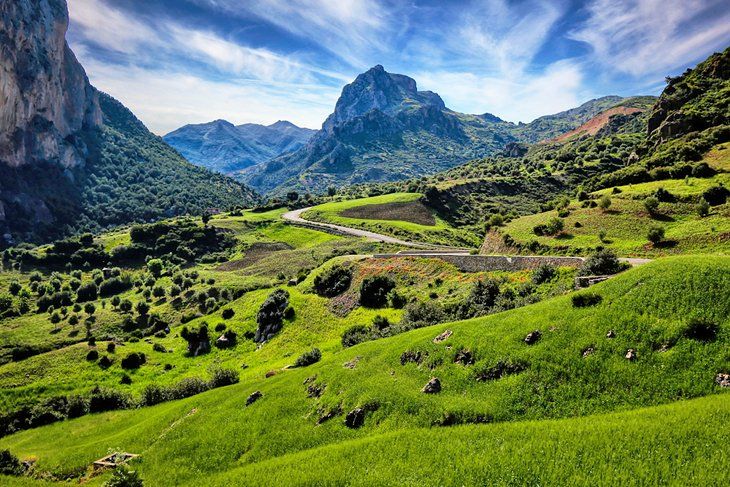
Warm days, green landscapes and comfortable conditions across most of Morocco. The most popular season for a reason.
Best Time to Visit Morocco: Summer
Inland heat intensifies, but the Atlantic coast stays comfortable and mountain elevations offer relief.
Best Time to Visit Morocco: Autumn
Temperatures soften, the desert becomes accessible again and Morocco's landscapes take on warm golden light.
Best Time to Visit Morocco: Winter
Pleasant city days, cold desert nights and snow transforming the Atlas Mountains into a dramatic backdrop.
Best Time for Your Travel Style
Every traveler is different. Find the season that matches how you want to experience Morocco.
Best Time to Visit Morocco: First-Time Visitors
Best balance of weather and experiences
Spring / AutumnBest Time to Visit Morocco: Couples
Romantic riads, desert sunsets, coastal escapes
Spring / AutumnBest Time to Visit Morocco: Families
Mild weather, easier touring days
Spring / AutumnBest Time to Visit Morocco: Luxury Travelers
Best riads, private tours, premium desert camps
Spring / AutumnBest Time to Visit Morocco: Adventure
Trekking, canyoning, multi-day routes
Spring / AutumnBest Time to Visit Morocco: Hikers
Atlas trails, mountain passes, Berber villages
Apr–Jun / Sep–OctBest Time to Visit Morocco: Food Lovers
Markets, cooking classes, seasonal dishes
Year-RoundBest Time to Visit Morocco: Photographers
Golden light, green spring, autumn warmth
Spring / AutumnBest Time to Visit Morocco: Beach Holidays
Atlantic surf, coastal towns, ocean breezes
Jun–SepBest Time to Visit Morocco: Desert Expeditions
Sahara treks, camel rides, stargazing
Oct–AprWhen to Visit Each Destination
Every destination has its optimal window. Plan your route around the best timing for each stop.
Best Time to Visit Morocco: Marrakech
Spring and autumn are most comfortable for the medina, gardens and rooftop dining. Winter is pleasant for daytime sightseeing. Summer afternoons can be intense.
Explore Marrakech → MAR–MAY / SEP–NOVFes
Spring and autumn suit the medina and surrounding sights. Winter offers cooler exploration. Summer heat can make long medina walks demanding.
Explore Fes → MAR–JUN / SEP–NOVChefchaouen
Spring and autumn are excellent for walking, photography and the Rif Mountains. Summer is warm but comfortable at altitude.
Explore Chefchaouen → OCT–APRMerzouga / Sahara
Spring, autumn and winter are ideal. Summer days are extremely demanding. Winter nights require warm layers but offer exceptional stargazing.
Explore Merzouga → APR–JUN / SEP–OCTAtlas Mountains
Spring and autumn are the main hiking seasons. Winter brings snow to higher elevations and requires route-specific planning.
Explore the Atlas → JUN–SEP / YEAR-ROUNDEssaouira
Atlantic breezes make summer appealing when inland Morocco is hot. Year-round coastal charm with cooler, windier conditions.
Explore Essaouira → YEAR-ROUNDCasablanca
Its Atlantic climate keeps conditions relatively moderate. A suitable year-round destination with comfortable sightseeing most months.
Explore Casablanca → YEAR-ROUNDRabat
The capital enjoys moderate coastal conditions. Spring and autumn are especially pleasant for exploring the Kasbah and waterfront.
Explore Rabat →Month-by-Month Travel Calendar
Weather, events and recommended experiences for every month of the year.
January
Cool and quiet. Ideal for city exploration in Marrakech and Fes. Sahara nights are cold but stargazing is exceptional.
Cool / QuieterFebruary
Cool with early spring signs. Good for flexible itineraries. Mountain routes may still have snow.
Cool / CalmMarch
Warmer and greener. Excellent for cities, hiking and photography. Some showers possible.
Warm / GreenApril
One of the best months. Comfortable across most regions. Perfect for first visits and multi-city trips.
Ideal / PopularMay
Warm and bright. Broad touring conditions. Inland heat begins to build toward summer.
Warm / BrightJune
Summer begins. Coast and mountains shine. Inland cities get hot. Beach season starts.
Hot Inland / CoastalJuly
Peak summer heat inland. Atlantic coast is the escape. Essaouira and mountain towns stay cool.
Very Hot / CoastalAugust
Peak heat continues. Coastal travel recommended. Mountain retreats offer relief from the plains.
Peak Heat / CoastSeptember
Heat softens, especially late in the month. Excellent for cities and the return of desert travel.
Easing / ExcellentOctober
One of the best months. Comfortable temperatures, golden light, ideal for all regions.
Ideal / GoldenNovember
Autumn warmth lingers. Good for cities, desert and photography. Some rain possible in the north.
Mild / PleasantDecember
Winter begins. Pleasant city days, cold desert nights. Atlas snow creates dramatic scenery.
Cool / ScenicSeasonal Experiences
Each experience has its ideal season. Match your activities to the perfect timing.
Desert Adventures
Spring, autumn and winter offer the most comfortable Sahara conditions. Summer days are extremely hot.
Explore →Mountain Adventures
Spring and autumn are the main hiking seasons. Winter brings snow and requires route checks.
Explore →Ancient Medinas
Spring, autumn and winter suit unhurried walks through Morocco's historic cities.
Explore →Moroccan Cuisine
Every season brings different flavors. Spring markets, summer seafood, autumn harvest, winter comfort food.
Explore →Atlantic Coast
Summer is prime time for beach holidays and surf. Shoulder periods suit relaxed coastal stays.
Explore →Moroccan Culture
Festivals, music and traditions happen throughout the year. Check dates for Gnaoua, Imilchil and more.
Explore →Seasonal Food Guide
Moroccan cuisine changes with the seasons. Discover what to eat and when.
Winter
Comfort food season. Warm up with harira, rfissa and slow-cooked stews. Perfect for cold desert nights.
Explore Food Hub →Spring
Fresh markets overflow with produce. Try tagine with seasonal vegetables and enjoy outdoor dining in the medinas.
Explore Food Hub →Summer
Cool down with mint tea, fresh fruit and Atlantic seafood. Lighter dishes and cold soups appear.
Explore Food Hub →Autumn
Harvest season. Couscous, street food and seasonal pastries like kaab el ghazal shine.
Explore Food Hub →Practical Planning Tips
Weather is only part of the equation. These factors will shape your trip too.
What to Pack
Layers are essential. Even in summer, desert nights cool down. In winter, pack warm layers for evenings. Read our Packing Guide for seasonal details.
Crowds & Prices
Spring and autumn are peak seasons with higher demand and prices. Shoulder months (March, May, September, November) offer balance. Winter is quieter and often more affordable.
Booking Advice
Book desert tours and popular riads 2–3 months ahead for peak season. For shoulder and low season, 2–4 weeks is usually sufficient. Our Budget Guide covers pricing trends.
Transportation
Trains and buses run year-round. Desert transfers and mountain roads may have seasonal restrictions. Check conditions with our Getting Around guide.
Ramadan Considerations
Ramadan dates shift yearly. Some businesses adjust hours, but evening life becomes vibrant. Morocco remains a great destination during Ramadan with thoughtful planning.
Regional Weather
Marrakech can be 15°C hotter than Essaouira on the same day. Atlas altitudes create their own conditions. Always check weather for each specific destination on your route.
Frequently Asked Questions
Quick answers to the most common timing questions from Morocco travelers.
What is the best month to visit Morocco?
April, May, October and November are excellent for many multi-region trips. The best month depends on your specific route and travel style.
Is summer too hot in Morocco?
Inland areas and the Sahara can be very hot. Focus on Atlantic destinations, higher elevations and activities outside the hottest hours. Our Packing Guide covers summer essentials.
When should I visit the Sahara Desert?
Spring, autumn and winter are ideal. Summer days are extremely demanding. Winter nights are cold but offer exceptional stargazing. See our Desert Adventures page.
When can I hike the Atlas Mountains?
Spring (April–June) and autumn (September–October) are the main hiking seasons. Winter conditions depend on the route and can include snow. Check our Mountain Adventures page.
Is Morocco good in winter?
Yes. Winter is excellent for many cities and offers dramatic scenery, lower prices and fewer crowds. Pack for cold evenings and confirm heating in accommodation.
What is the rainy season?
Morocco receives relatively little rain. The wettest months are typically November to March, with occasional showers in the north and mountains. The south and desert regions stay dry year-round.
When are flights cheapest?
Low season (winter months) and shoulder periods often offer better flight prices. Peak spring and autumn dates tend to be more expensive. Booking 2–3 months ahead helps.
What is shoulder season?
Shoulder season falls between peak and low seasons: March, May, September and November. These months often provide the best balance of weather, crowds and value.
When should I visit the coast?
Summer (June–September) is prime time for beach holidays and surf. The Atlantic coast stays comfortable when inland Morocco is hot. Essaouira is a year-round destination.
Can I visit Morocco during Ramadan?
Yes. Plan around adjusted schedules, respect local customs and enjoy particularly lively evening atmospheres after sunset. Morocco remains a valid destination during Ramadan.
When is the best time for photography?
Spring brings green landscapes and wildflowers. Autumn offers golden light and warm tones. Both seasons provide excellent conditions for landscapes, medinas and street photography.
When should I visit Chefchaouen?
Spring and autumn are excellent for walking and photography. Summer is warm but comfortable at altitude. Winter is quieter with cooler temperatures. See our Chefchaouen page.
Is Morocco expensive during peak season?
Demand is higher during popular periods, particularly for sought-after riads and desert tours. Booking ahead gives you more choice and potentially better rates. See our Budget Guide.
When is the best time for a first visit?
Spring (March–May) or autumn (September–November) offer the most comfortable conditions for a first Morocco trip. Our First Time in Morocco guide covers everything you need to know.
Can I travel by train year-round?
Yes. Morocco's rail network operates year-round, connecting Marrakech, Casablanca, Rabat, Fes and Tangier. See our Getting Around guide for routes and schedules.
When should I visit the Atlas Mountains?
Spring and autumn for hiking. Winter for snow and skiing at Oukaïmeden. Summer for cooler mountain stays when cities are hot. Each season offers a different experience.
What should I pack for different seasons?
Layers are essential year-round. Summer needs light clothing plus a warm layer for desert nights. Winter requires warm outerwear. See our complete Packing Guide.
When is the best time for families?
Favor moderate-temperature periods: spring and autumn. These seasons offer easier touring days, comfortable outdoor activities and manageable conditions for children.
Continue Planning Your Trip
From destinations and experiences to food and travel guides. Everything you need is here.
First Time in Morocco
Essential context for a confident first journey
Travel Tips
Practical advice for every Morocco trip
Budget Guide
Costs, savings and money-saving strategies
Getting Around
Trains, buses, taxis and flights
What to Pack
Complete packing list by season
7-Day Itinerary
A complete week in Morocco
10-Day Itinerary
An extended Moroccan adventure
All Travel Guides
Browse our complete guide collection
Marrakech
The Red City of souks, palaces and gardens
Fes
Medieval medina and culinary traditions
Chefchaouen
The Blue Pearl of the Rif Mountains
Merzouga
Sahara Desert gateway and dune camps
Atlas Mountains
Trekking, Berber culture and alpine scenery
Essaouira
Atlantic winds and fortified coastal charm
Casablanca
Modern metropolis and the Hassan II Mosque
Rabat
Morocco's elegant capital city
Desert Adventures
Camel treks, Sahara camps and starlit desert nights
Mountain Adventures
Atlas trekking, Berber villages and high passes
Ancient Medinas
Labyrinthine souks and living heritage
Moroccan Cuisine
Spice markets, cooking classes and regional flavors
Atlantic Coast
Beach towns, surf culture and ocean escapes
Moroccan Culture
Traditions, music, festivals and living customs
Traditional Tagine
Morocco's iconic slow-cooked masterpiece
Moroccan Couscous
The Friday tradition and regional variations
Rfissa
Celebratory lentil and msemen dish
Pastilla
Sweet and savory layered pastry
Harira
Morocco's beloved comfort soup
Street Food
Grills, sandwiches and market bites
Kaab el Ghazal
Honey-drizzled almond gazelle horns
Mint Tea
The art of Moroccan whiskey
Find Your Perfect Best Time to Visit Morocco Season to Explore Morocco
Every season in Morocco offers something extraordinary. Use this Best Time to Visit Morocco guide to find your ideal window, then start building an itinerary that matches your interests, your pace and your sense of adventure.