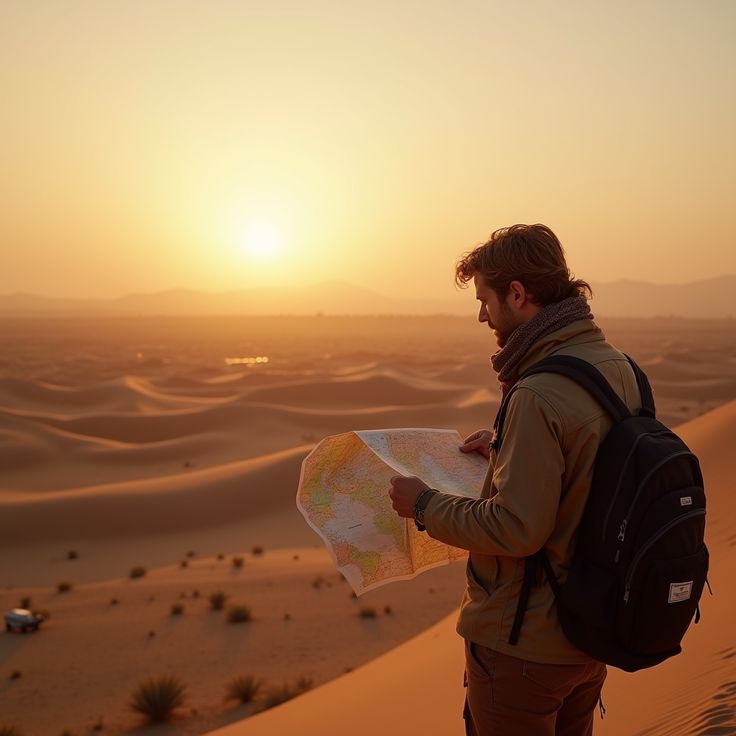
Morocco Travel Tips
Whether it's your first visit or a return trip, understanding local customs, how transportation works, what to budget and how to stay safe will make your time in Morocco noticeably smoother and more rewarding on Morocco Travel Tips.
Morocco Travel Tips at a Glance
The essentials that make the biggest difference for a smooth trip, all in one place.
Spring and autumn offer the most comfortable weather nationwide. Full guide →
The Moroccan Dirham (MAD) — cash is essential outside major hotels. Budget guide →
Arabic and Darija are widely spoken; French and English are common in tourist areas.
Trains and buses connect major cities easily. Full guide →
Covering shoulders and knees is appreciated, especially outside resort areas. Culture guide →
Souks, small restaurants and grand taxis are often cash-only.
Especially in the desert and during summer months. Packing tips →
Popular desert tours and riads fill up fast in peak season. Budget guide →
Planning Before You Arrive
A short checklist to work through before you leave.
Passport Validity
Check that your passport is valid well beyond your planned travel dates on Morocco Travel Tips.
Visa Requirements
Confirm current requirements for your nationality before departure — rules vary and can change on Morocco Travel Tips.
Travel Insurance
Worth arranging for any international trip, including desert excursions.
Currency
The Moroccan Dirham (MAD) is the only accepted currency day to day. Learn more →
SIM & eSIM
Local SIM cards are inexpensive and widely available; eSIM options are increasingly common too.
Electricity
Morocco uses the European two-pin plug (Type C/E) at 220V.
Internet Availability
Reliable in cities; more limited in the mountains and desert.
What to Pack
See our full packing guide for a season-by-season breakdown. Full guide →
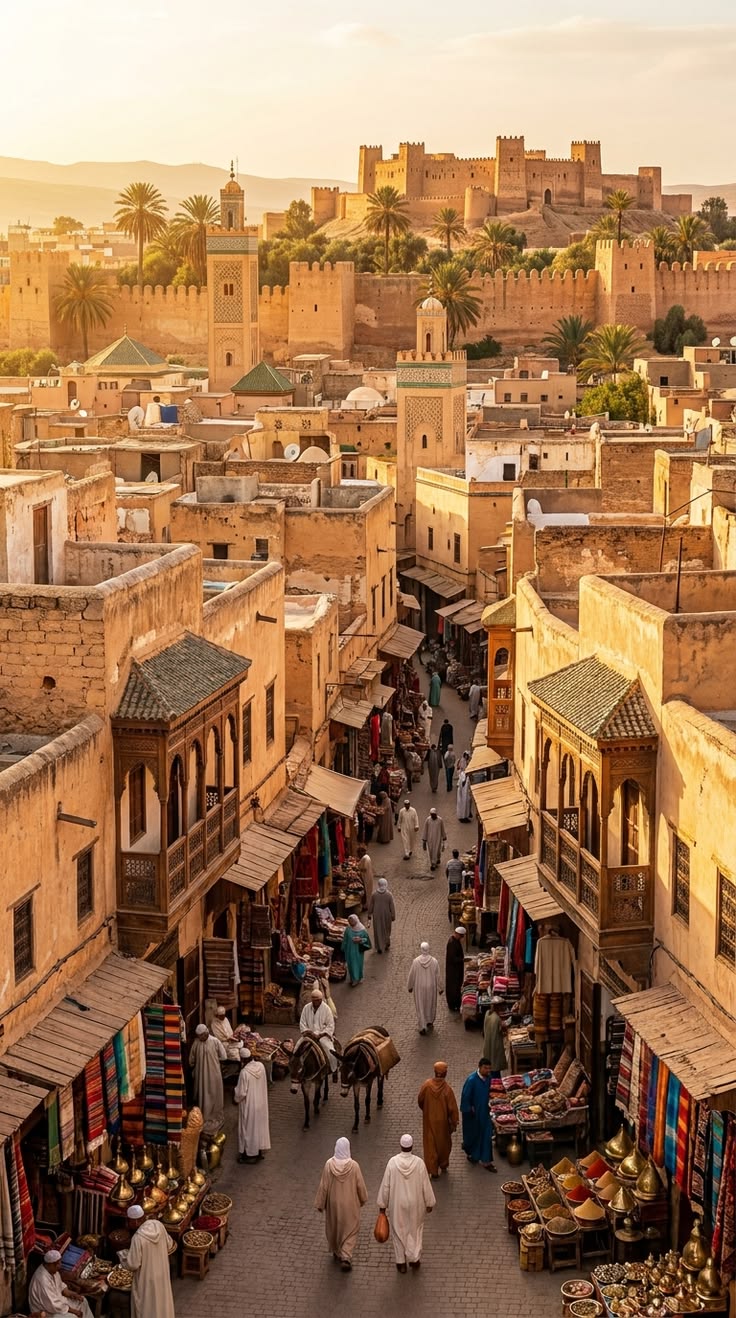
Understanding Moroccan Culture
A little cultural awareness goes a long way toward warmer interactions and a smoother trip. Here are the most important customs to know.
- Greetings — a warm "salaam" and a smile are always welcome; handshakes are common between the same gender
- Hospitality — accepting mint tea when offered is a meaningful gesture of respect
- Dress expectations — modest clothing covering shoulders and knees is appreciated outside resorts and beaches on Morocco Travel Tips.
- Religious sites — many mosques are not open to non-Muslim visitors; always follow posted guidance
- Photography — ask permission before photographing people directly; some may expect a small tip
- Ramadan — eating, drinking and smoking in public are best avoided during daylight hours
- Public displays of affection — keep them minimal; public affection is not common in Moroccan culture
- Left hand — use your right hand for eating, greeting and passing items; the left hand is considered unclean
Staying Safe in Morocco
Morocco is generally safe for travelers, including solo travelers, families and women, with the same everyday awareness you'd use in any busy tourist destination on Morocco Travel Tips.
- Solo travelers — common and generally comfortable in major cities and tourist areas
- Women travelers — confident, respectful body language goes a long way; unwanted attention is usually verbal, not physical
- Pickpocket awareness — stay alert in crowded souks and busy transport hubs
- Common scams — polite but firm decline works well for unsolicited "guides" or offers
- Emergency numbers — save 190 (police) and 150 (ambulance) before you arrive
- Valuables — use hotel safes and keep bags close in crowded areas
- Night travel — stick to well-traveled areas and licensed taxis after dark
Managing Money in Morocco
- Cash vs. cards — cash is essential for souks, small restaurants and grand taxis on Morocco Travel Tips.
- ATMs — widely available in cities; use bank ATMs for reliable exchange rates
- Currency exchange — banks and official bureaus beat airport counters every time
- Tipping — customary but modest: 10–20 MAD for guides, 5–10 MAD for restaurant staff
- Bargaining — expected in souks, not in fixed-price shops or restaurants
- Valuables — keep them secure and out of sight in busy areas
Getting Around Morocco
- Trains (ONCF) — comfortable and reliable between major cities
- CTM & Supratours buses — reach smaller towns trains don't serve
- Taxis — petit taxis for city trips, grand taxis for intercity hops
- Rental cars — good for coastal routes and the Atlas Mountains
- Walking — often the only way through car-free medinas
- Domestic flights — worth it mainly for long distances or tight schedules
- ONCF trains — comfortable and reliable between major cities → Official railways
Shopping & Bargaining in the Souks
Shopping in Morocco is an experience in itself — the souks are vibrant, colorful and full of handcrafted treasures.
Souk Etiquette
Browse freely but expect to engage — vendors appreciate genuine interest before negotiating.
Price Negotiation
Bargaining is expected in souks but not in fixed-price shops. Start at roughly 40–50% of the asking price and meet somewhere in the middle on Morocco Travel Tips.
Handcrafted Goods
Leather, ceramics, rugs and metalwork are Morocco's specialties — look for quality stitching and even patterns as markers of craftsmanship.
Cash Payments
Almost all souk vendors are cash-only. Carry small denominations to avoid "no change" situations.
Shipping Purchases
Some larger shops offer international shipping. Ask at the point of sale and keep receipts for customs.
Authentic Souvenirs
For genuine handcrafted items, seek out cooperatives and artisan workshops rather than mass-produced tourist stalls.
Food & Dining Tips
Food is one of the best parts of visiting Morocco — a little local knowledge makes every meal better on Morocco Travel Tips.
Eating Like a Local
Follow the crowds — busy restaurants with high turnover serve the freshest food at the best prices.
Drinking Water
Stick to bottled or filtered water, especially outside major cities on Morocco Travel Tips. Ask for "ma' mineral" at restaurants.
Restaurant Etiquette
Tipping 10% is customary. Eating with your right hand is preferred, especially in traditional settings.
Street Food
Busy stalls with high turnover are usually the freshest and safest choice — look for where locals queue.
Tea Culture
Mint tea is more than a drink — it's a ritual of hospitality. Accepting it is a sign of respect.
Dietary Considerations
Vegetarian options are increasingly common in cities; more limited in rural areas. Always ask about ingredients.
Dive Deeper into Moroccan Food
Comprehensive guides to Morocco's most iconic dishes and culinary traditions.
Practical Advice by Destination
Every city and region in Morocco has its own character — here's what to know before you go.
Common Tourist Mistakes
Easy to sidestep once you know they're coming.
Overpacking
Morocco's markets tempt you to buy — leave room in your suitcase for souvenirs and handcrafted treasures.
Ignoring Travel Distances
Mountain and desert routes take far longer than the map suggests — build in buffer time.
Unsuitable Footwear
Medina cobblestones and mountain trails demand sturdy, comfortable shoes — leave the flip-flops for the beach.
Poor Exchange Rates
Airport currency counters offer terrible rates — withdraw MAD from bank ATMs instead.
Not Carrying Cash
Many places outside big hotels are cash-only — keep small notes for taxis and souks.
Skipping Smaller Cities
Marrakech and Fes get the headlines, but Chefchaouen, Essaouira and Rabat offer unforgettable experiences with fewer crowds.
Visiting Only Marrakech
Morocco's diversity is its greatest asset — the Sahara, Atlas Mountains and coastal towns deserve time too.
Underestimating Desert Cold
Desert nights can drop near freezing even in spring — warm layers are essential, not optional.
Essential Apps for Traveling in Morocco
A handful of app categories cover almost everything you'll need on the road.
- Maps — for navigating cities and planning routes between destinations
- Translation — handy for Arabic and French signage or conversations
- Train bookings — for checking and reserving ONCF train tickets
- Bus schedules — useful for CTM and Supratours routes
- Weather — especially useful before mountain or desert excursions
- Offline navigation — essential where signal is limited, like the Atlas or Sahara on Morocco Travel Tips.
Do's & Don'ts
A quick-reference summary of the etiquette above on Morocco Travel Tips.
Do
- Dress respectfully, especially outside resorts on Morocco Travel Tips.
- Learn a few local phrases — "shukran" (thank you) goes far
- Carry cash for smaller purchases and souks
- Respect local customs and religious sites
- Plan travel times realistically between cities
- Accept mint tea when offered as a gesture of hospitality
Don't
- Assume cards are accepted everywhere
- Photograph people without asking first
- Ignore how much weather varies by region
- Rush long-distance itineraries
- Carry unnecessary valuables in crowded areas
- Eat or drink in public during Ramadan daylight hours
Related Destinations
Plan Your Moroccan Experience
Related Travel Guides
Frequently Asked Questions
Is Morocco safe for tourists?
Yes, Morocco is generally safe for all travelers on Morocco Travel Tips, including solo visitors, women and families. Exercise the same awareness you would in any busy tourist destination — keep valuables secure, stay alert in crowded souks, and use licensed taxis after dark.
Can I drink tap water in Morocco?
Bottled or filtered water is recommended, especially outside major cities on Morocco Travel Tips. Most hotels and restaurants serve purified water. Ask for "ma' mineral" when ordering.
Should I carry cash?
Yes — cash is essential for souks, small restaurants, grand taxis and many riads. ATMs are widely available in cities. Withdraw Moroccan Dirham (MAD) from bank ATMs for the best rates.
Is tipping expected?
Tipping is customary but not mandatory. Modest amounts for guides (20–50 MAD), drivers (10–20 MAD) and restaurant staff (10%) are appreciated. See our full budget guide for details.
Can I wear shorts in Morocco?
Yes, but modestly — knee-length shorts are fine in tourist areas and coastal towns. In conservative areas, cities and religious sites, covering your knees is more respectful.
Is bargaining normal?
Bargaining is expected in souks and markets — start at roughly 40–50% of the asking price and negotiate respectfully. Fixed-price shops and restaurants do not expect bargaining.
Do people speak English?
English is widely understood in tourist areas, hotels and major cities. In rural areas, French and Arabic/Darija are more common. Learning a few local phrases like "shukran" (thank you) is always appreciated.
What should I avoid in Morocco?
Avoid drinking or eating in public during Ramadan daylight hours, photographing people without permission, public displays of affection, and carrying unnecessary valuables in crowded areas on Morocco Travel Tips.
Can I use my credit card?
Larger hotels, restaurants and shops in major cities accept cards, but many smaller vendors, souk stalls and taxis are cash-only. Always carry some MAD.
Is Morocco family-friendly?
Absolutely — Moroccans love children and families are warmly welcomed. Riads often accommodate families well, and there are plenty of activities suitable for all ages across the country.
What currency is used in Morocco?
The Moroccan Dirham (MAD). It's the only accepted currency for day-to-day transactions on Morocco Travel Tips. Exchange rates are best at bank ATMs — avoid airport exchange counters.
What's the best way to get around?
Trains and buses cover most routes comfortably between major cities. For the Sahara and Atlas Mountains, private drivers and organized tours are the most practical options. Full transport guide →
What should I wear in Morocco?
Lightweight, modest clothing covering shoulders and knees works well year-round on Morocco Travel Tips. Bring a warmer layer for evenings and desert nights. Full packing guide →
Is Morocco expensive?
Morocco offers excellent value across every budget level — from budget hostels to luxury riads. Daily costs can range from $30–50 to $200+ depending on your style. Full budget breakdown →
Can tourists drink alcohol in Morocco?
Alcohol is available in licensed hotels, restaurants and some shops, but it's not widely consumed publicly. Drinking in public is disrespectful and technically prohibited.
Do I need a visa to visit Morocco?
Many nationalities can enter Morocco visa-free for up to 90 days. Always check current requirements for your specific nationality before departure.
When is the best time to visit?
Spring (March–May) and autumn (September–November) offer the most comfortable weather across the country on Morocco Travel Tips. Desert trips are best October–April; coastal towns are pleasant year-round. Full seasonal guide →
Is Morocco safe for solo female travelers?
Yes — Morocco is one of the more popular North African destinations for solo female travelers. Unwanted attention is usually verbal and can be managed with confident body language and modest dress.
Ready to Experience Morocco?
With the essentials covered, it's time to map out where you're going and start building your Morocco Travel Tips itinerary.