Discover
Moroccan
Cuisine.
Moroccan food is one of the country’s greatest cultural treasures — and one of the most rewarding ways to experience its people, history and traditions. From slow-cooked tagines to fragrant mint tea, every meal is a doorway into a civilization shaped by centuries of trade, migration and shared hospitality.
Morocco’s culinary
heritage.
Centuries of cultural exchange have created one of the world’s most celebrated culinary traditions. Every dish carries the influence of the civilizations that shaped Morocco — from the Atlas Mountains to the Atlantic coast, from ancient medinas to the edge of the Sahara. This is what makes Moroccan food so endlessly fascinating.
Amazigh Foundations
The indigenous Amazigh people established Morocco’s culinary foundations. Tagine cooking, couscous preparation and the use of preserved lemons, argan oil and ras el hanout all trace their origins to Amazigh kitchen traditions passed down through countless generations.
Arab-Andalusian Influence
Arab traders introduced saffron, ginger and cinnamon. When Muslim and Jewish communities were expelled from Spain, they brought refined cooking techniques to Fes and Tétouan — pastilla, chebakia and the sophisticated pairing of sweet and savory that defines Moroccan haute cuisine.
Jewish Culinary Traditions
Morocco’s Jewish community contributed distinctive recipes and preservation techniques. Dishes like dafina (slow-cooked Sabbath stew) and specific pastry traditions enriched the national cuisine and remain part of Morocco’s living culinary heritage.
Atlantic & Mediterranean
Morocco’s coastline provides an abundance of fresh seafood. From Essaouira’s grilled sardines to Casablanca’s seafood restaurants, the Atlantic and Mediterranean add another dimension to the country’s culinary identity.
Sahara & Mountain Traditions
The Sahara shaped southern Moroccan cuisine with dried meats, dates and preservative techniques. The Atlas Mountains contributed hearty Berber stews, fresh herbs and mountain cheeses found nowhere else.
Seasonal & Family Tables
Moroccan cooking is deeply seasonal. Families gather around shared platters, the Friday couscous tradition unites households and hospitality — offering tea, bread and something warm to every guest — remains the sacred heart of Moroccan food culture.
A day of Moroccan flavors.
From the first mint tea of the morning to the last sweet pastry before bed, every moment of Moroccan food offers something delicious.
Morning
Fresh pastries & bread
Breakfast
Msemen, baghrir & honey
Mint Tea
First glass of the day
Souk Lunch
Grilled brochettes & bread
Tagine
Slow-cooked afternoon meal
Pastries
Sweet afternoon treats
Tea Ceremony
Three glasses with friends
Street Food
Evening market flavors
Family Dinner
Shared platter & conversation
Celebration
Pastilla & festive feast
The flavors that define
Morocco.
Every dish tells a story. Explore our complete guides to Morocco’s most iconic recipes, traditions and unforgettable Moroccan food experiences — from UNESCO-recognised couscous to fragrant street food.
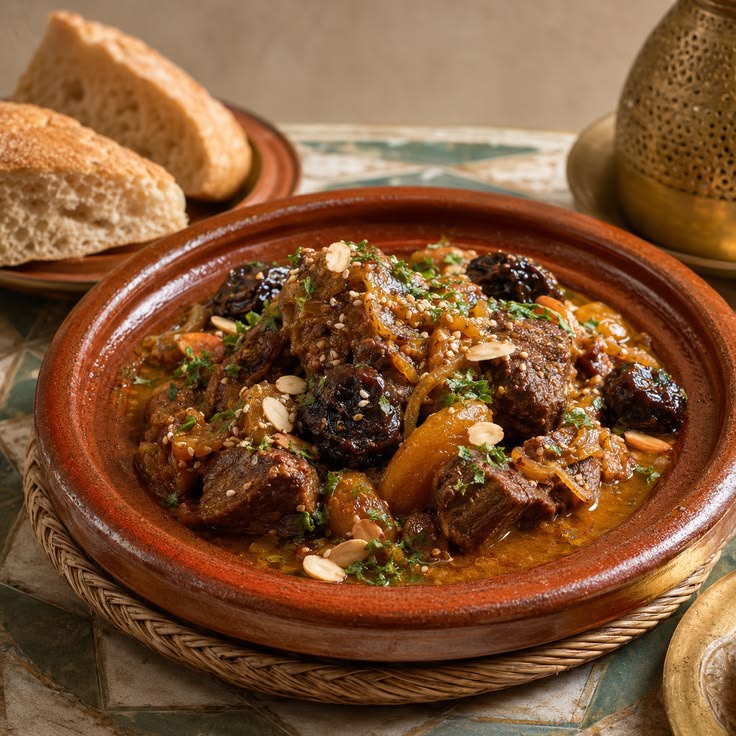
Traditional Tagine
Morocco’s most iconic dish. Slow-cooked in a conical clay pot with aromatic spices, tender meat and seasonal vegetables — a tradition that has defined Moroccan cooking for centuries.
Read the Guide →Moroccan Couscous
The national dish of Morocco. Every Friday, families gather around steamed couscous topped with tender vegetables and fragrant broth — a sacred weekly ritual.
Read the Guide →Rfissa
A celebration dish of shredded msemen bread, lentils and chicken in a rich, spiced broth. Traditionally served to new mothers — a dish of warmth and care.
Read the Guide →Moroccan Pastilla
Masterful layers of warqa pastry filled with spiced pigeon or chicken, almonds and dusted with cinnamon and powdered sugar. The crown jewel of Fassi cuisine.
Read the Guide →Harira
Morocco’s beloved lentil and tomato soup. The dish that breaks the fast during Ramadan and warms winter evenings year-round — comfort in every bowl.
Read the Guide →Moroccan Street Food
Follow the aromas through busy markets. From maakouda and merguez to grilled brochettes, street food is Morocco’s most democratic and unforgettable feast.
Read the Guide →Kaab el Ghazal
Gazelle horns. Delicate crescent-shaped pastries filled with almond paste and scented with orange blossom water. Morocco’s finest and most cherished pastry.
Read the Guide →Moroccan Mint Tea
The golden thread of Moroccan hospitality. Three glasses, poured from height, always shared, always welcome. The drink that defines a culture.
Read the Guide →Taste Morocco region
by region.
Every Moroccan city has its own culinary personality. Discover how each destination offers a different window into the country’s rich Moroccan food culture.
Marrakech
The beating heart of Moroccan street food. Jemaa el-Fnaa transforms nightly into an open-air kitchen where smoke, spice and sound create an unforgettable sensory experience.
Explore →Fes
Considered Morocco’s culinary capital. Fes is home to the country’s most refined cooking traditions, royal pastilla and the world’s oldest living medina — a must-visit for lovers of Moroccan food.
Explore →Chefchaouen
The blue city offers mountain-influenced cuisine. Goat cheese, wild herbs and hearty Berber dishes made with ingredients from the surrounding Rif mountains.
Explore →Essaouira
The coastal gem where the Atlantic meets Moroccan tradition. Fresh sardines, grilled seafood and beachside dining make this a paradise for food lovers.
Explore →Casablanca
Morocco’s cosmopolitan capital brings global influences to traditional cuisine. Seafood restaurants, Art Deco cafés and fusion dining create a dynamic food scene.
Explore →Rabat
The capital’s food scene blends tradition with modernity. From royal court recipes to contemporary dining, Rabat offers a sophisticated culinary landscape.
Explore →Moroccan dining
culture.
Moroccan dining is a communal experience. Moroccan food is shared from a single platter, eaten with the right hand and accompanied by conversation that can last for hours. Every meal is an opportunity to connect.
Hospitality & Sharing
In Morocco, sharing food is a sacred act of welcome. Guests are always served first, bread serves as both food and utensil, and the host will always insist you eat more. This generosity is the heart of Moroccan food culture.
- Guests are served from the best portion
- Bread is torn, never cut
- Eating with the right hand is customary
- The host watches to ensure you are satisfied
Tea Ceremonies & Traditions
Moroccan mint tea is more than a drink — it is a ritual of hospitality. Poured from height to create a light foam, served in ornate glasses, always three glasses deep. The ceremony connects people across generations and social boundaries.
- Three glasses is the traditional minimum
- Tea is poured from height for the foam
- The host prepares tea as a sign of respect
- Refusing tea is considered impolite
Family Tables & Friday Couscous
Friday couscous is one of Morocco’s most sacred culinary traditions. Families gather around a communal platter after midday prayers. The meal is slow, the conversation flowing and the connection between generations unbroken.
- Friday couscous is a weekly family ritual
- The eldest is served first
- Eating from one platter symbolizes unity
- Seasonal vegetables rotate with the harvest
Souks, Spices & Slow Cooking
The souk is Morocco’s original food market. Moroccan food here is shaped by spice sellers who grind ras el hanout fresh, butchers who prepare meat for the day’s tagine and bakeries that produce bread throughout the morning. Everything is fresh, seasonal and prepared with centuries of knowledge.
- Ras el hanout blends vary by vendor
- Clay tagines season with each use
- Bread is baked in communal wood ovens
- Seasonal ingredients dictate daily menus
Start planning your
Moroccan journey.
Use our travel guides, experience pages and destination guides to plan every detail of your Moroccan food adventure.
Traditional Tagine
Morocco’s most iconic dish
Moroccan Couscous
The national Friday tradition
Rfissa
Celebration and family gatherings
Moroccan Pastilla
The crown jewel of Fassi cuisine
Harira
Morocco’s beloved soup
Moroccan Street Food
The most democratic feast
Kaab el Ghazal
Morocco’s finest pastry
Moroccan Mint Tea
The golden thread of hospitality
Frequently asked questions.
What food is Morocco famous for?
Morocco is famous for tagine, couscous, Pastilla, Harira, street food and mint tea. These dishes capture the essence of the country’s Moroccan food tradition.
What should I eat first in Morocco?
Start with a traditional tagine and a glass of mint tea. These two experiences capture the essence of Moroccan cuisine and are available everywhere in the country.
Which city has the best food?
Fes is considered the culinary capital, but Marrakech offers the most vibrant street food scene. Every city has its own specialties and strengths worth exploring.
Is Moroccan food spicy?
Moroccan food uses warm spices such as ginger, saffron, cumin and cinnamon rather than fiery heat. The flavours are complex and aromatic, with chilli available on the side.
Is Moroccan cuisine vegetarian-friendly?
Excellent vegetarian options exist throughout Moroccan food. Vegetable tagine, couscous, maakouda, msemen and fresh salads are all naturally vegetarian and genuinely delicious.
Can tourists safely enjoy Moroccan street food?
Absolutely. Moroccan street food is overwhelmingly safe and welcoming. Choose busy vendors, eat freshly prepared food and follow the crowds for the best and safest experiences.
What is Morocco’s national dish?
Couscous is widely considered Morocco’s national dish. The Friday couscous tradition is one of the most important culinary rituals in Moroccan family life.
What desserts should I try?
Try Kaab el Ghazal (gazelle horns), chebakia (honey sesame pastries), pastilla au lait (sweet milk pastilla) and fresh seasonal fruit. Moroccan pastries are among the finest in the world.
What drink is Morocco famous for?
Moroccan mint tea is the country’s most famous drink. Known as “Moroccan whiskey” by locals, it is the symbol of hospitality and is served three glasses deep at every occasion.
How much does food cost in Morocco?
Morocco offers exceptional value. A street food meal costs 20 to 50 MAD (2 to 5 euros). A mid-range restaurant meal costs 100 to 250 MAD (10 to 25 euros). Fine dining costs 300+ MAD.
Is tipping expected in restaurants?
Tipping is customary but not mandatory. A 10 percent tip is appreciated in restaurants. In casual settings, rounding up the bill is sufficient and always welcomed.
Can I find halal food everywhere?
Yes. Morocco is a Muslim country and virtually all Moroccan food is halal. Restaurants, street vendors and markets all serve halal food as standard.
What should I know about Moroccan dining etiquette?
Eat with your right hand, accept tea when offered, compliment the host on the food and try everything placed before you. These gestures show respect and are deeply appreciated.
Where can I experience authentic Moroccan cuisine?
For the most authentic experiences, eat where locals eat. Fes medina restaurants, Marrakech street stalls, riad dining and family-run establishments offer the truest Moroccan food and flavors.
What foods should I not miss during my trip?
Do not miss tagine, couscous, Pastilla, street food (especially maakouda and brochettes), Kaab el Ghazal pastries and mint tea. These are the essential Moroccan food experiences.
Taste the Soul of Morocco.
Moroccan food is more than a meal. It is a doorway into the soul of a country. Every shared dish, every steaming tagine, every glass of mint tea tells a story of tradition, hospitality and the deep human need to connect over a table. Discover Morocco through its flavors, its people and its unforgettable warmth.